





















Ayurvedic Thyroid Cancer Treatment: Supporting Hormonal Health, Strength and Recovery
A small lump in the neck can be easy to ignore. Maybe you notice it while looking in the mirror, or perhaps your doctor finds it during a routine check-up. And then comes the ultrasound, more tests, and suddenly the word “cancer” enters the conversation.
It can feel overwhelming.
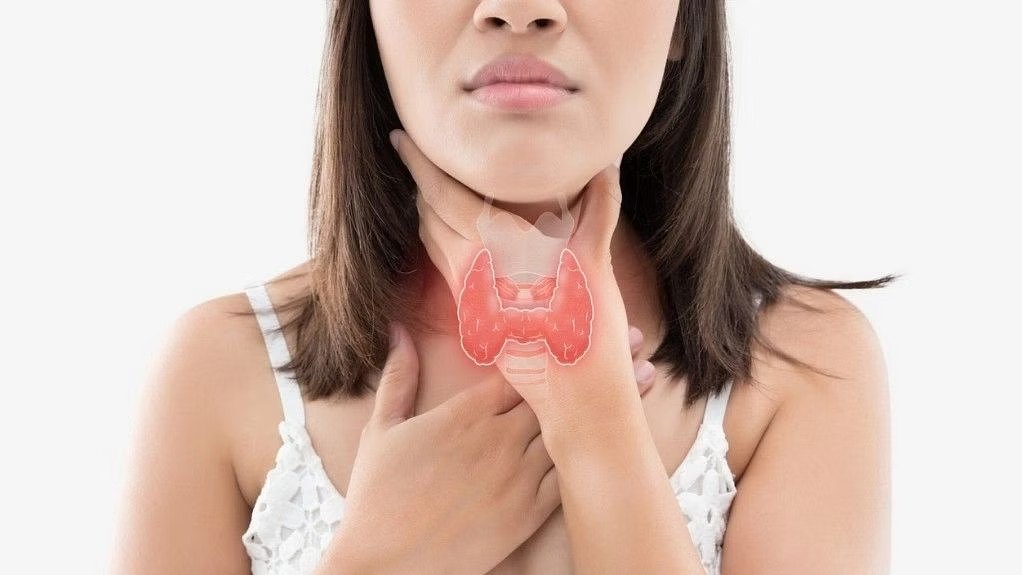
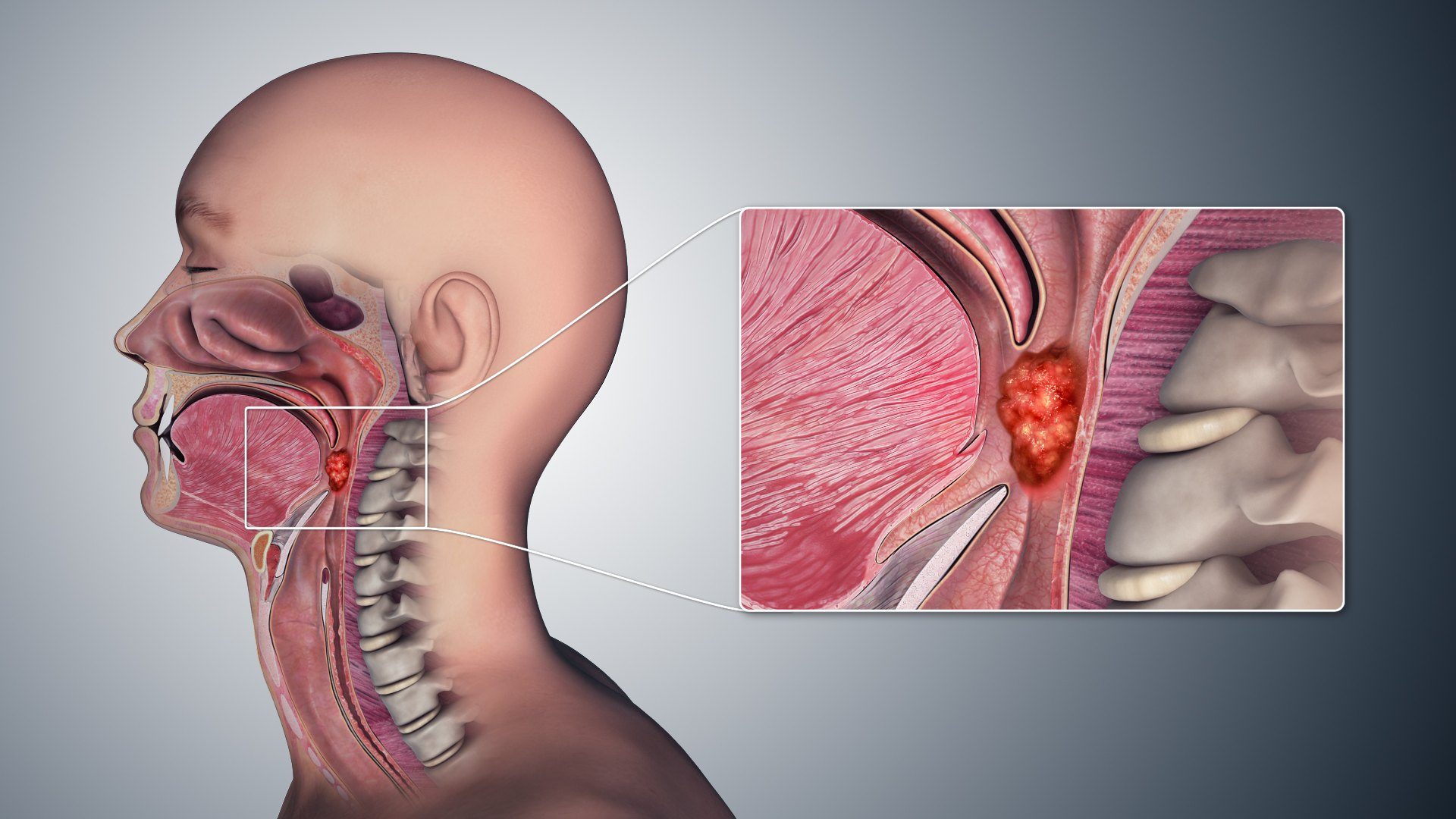
Thyroid cancer affects a gland that plays an important role in metabolism, heart rate, body temperature and other body functions. Fortunately, many thyroid cancers can be treated successfully, particularly when they are found early.
At Karma Ayurveda, people looking for Ayurvedic thyroid cancer treatment often want more than information about the disease. They want to know how they can support their strength, digestion, nutrition and everyday wellbeing while going through treatment.
That is where a complementary, carefully planned approach can have a role.
The Karma Ayurveda Edge
Cancer treatment can be demanding even when the disease itself isn't causing many symptoms.
You may be recovering from surgery, adjusting to thyroid hormone replacement, dealing with changes in appetite or energy, or simply trying to get back into a normal routine.
When someone approaches us for Ayurvedic treatment for thyroid cancer, we look at the whole picture rather than focusing on one symptom.
Our assessment may take into account:
- Thyroid ultrasound reports
- Fine-needle aspiration or biopsy findings
- Pathology reports
- Type and stage of cancer
- Lymph-node involvement
- Previous or planned surgery
- Radioactive iodine treatment
- Thyroid hormone medicines
- Other cancer medicines
- Blood-test results
- Appetite and digestion
- Sleep and energy
- Existing health conditions
- Current herbs, supplements and medicines
Thyroid cancer diagnosis may involve physical examination, blood tests, ultrasound, CT imaging and fine-needle aspiration depending on the situation.
What Exactly Causes Thyroid Cancer?
There isn't always a simple answer to thyroid cancer causes.
Cancer develops when genetic changes cause thyroid cells to grow and divide abnormally. Some changes happen during a person's lifetime, while certain thyroid cancers; particularly some medullary thyroid cancers; can be linked to inherited gene changes.
And sometimes, even after diagnosis, there is no single obvious reason why it happened.
Having a risk factor does not mean someone will definitely develop thyroid cancer. Likewise, many people diagnosed with thyroid cancer have no obvious risk factor.
The Common Contributors
Some recognised thyroid cancer risk factors include:
- Previous radiation exposure to the head or neck, particularly during childhood
- Family history of thyroid cancer
- Certain inherited genetic conditions
- A history of goitre
- Increasing age
- Being female
- Certain inherited RET gene changes associated with medullary thyroid cancer
- Excess body weight
Radiation exposure during childhood is an especially established risk factor. Some inherited conditions can also substantially increase the risk of particular thyroid cancer types.
That said, most people with thyroid cancer do not necessarily have a strong family history or another obvious cause.
Thyroid Cancer Symptoms You Shouldn't Ignore
Thyroid cancer can sometimes be surprisingly quiet.
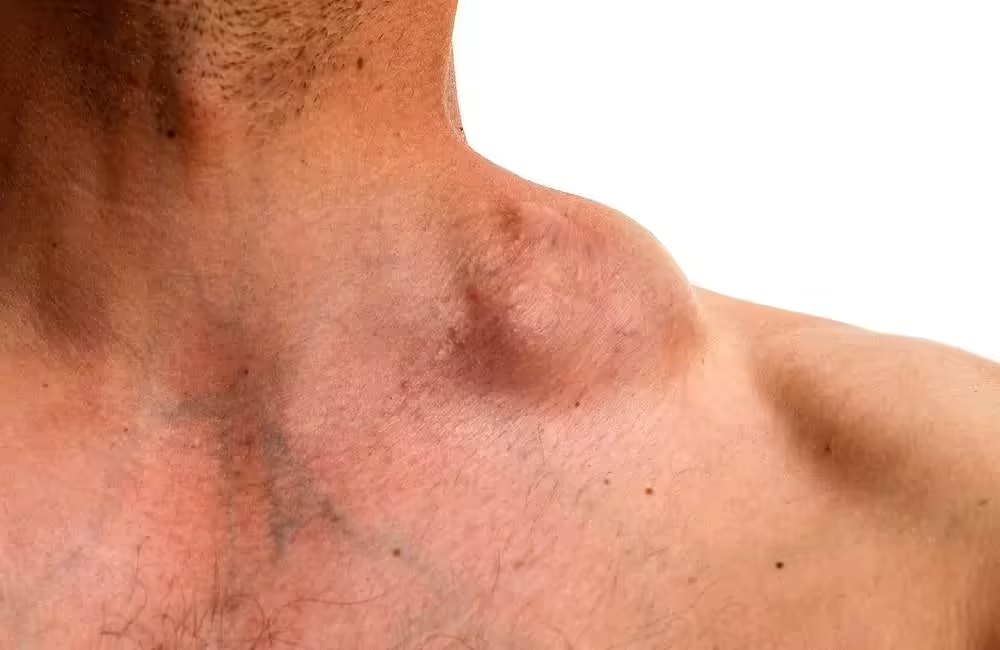
A person may have no obvious symptoms and discover a thyroid nodule during an examination or imaging done for another reason. When symptoms do occur, a lump or swelling in the neck is one of the more common signs.
Possible thyroid cancer symptoms include:
- A lump at the front of the neck
- Swelling in the neck
- A lump or enlarged lymph node on the side of the neck
- Persistent hoarseness
- Changes in the voice
- Difficulty swallowing
- Pain while swallowing
- Trouble breathing
- Persistent cough not explained by a cold
- Neck pain that may extend toward the ears
These symptoms can also happen with non-cancerous thyroid problems and other conditions. So noticing one does not automatically mean cancer; but it deserves proper evaluation.
How We Assess Patients at Karma Ayurveda
An Ayurvedic thyroid cancer specialist should never work from the diagnosis alone.
For example, someone who has undergone thyroid surgery may have very different needs from someone who has only recently discovered a suspicious nodule.
We therefore look at the person's current situation, including:
- What treatment they have already received
- What treatment is planned
- Whether the thyroid has been partially or completely removed
- Current thyroid hormone medicines
- Digestion and appetite
- Weight changes
- Sleep
- Energy levels
- Daily activity
- Stress and routine
- Other medicines and supplements
From the Ayurvedic side, we may also assess digestion, metabolic balance, tissue nourishment and Dosha-related factors.
The goal is to create sensible complementary support; not to interfere with necessary cancer treatment.
Ayurvedic Therapies Commonly Used for Thyroid Cancer Support
Let's clear up one thing before discussing therapies.
There is no established Ayurvedic treatment proven to eliminate thyroid cancer or replace cancer treatment.
Ayurvedic care, when considered, should be supportive and coordinated with the treating medical team.
Depending on the person's condition, selected approaches may include:
Shamana Chikitsa
Individualised Ayurvedic medicines may be considered according to the person's overall condition.
But “natural” does not automatically mean “safe during cancer treatment.” Herbs can interact with medicines, alter drug metabolism or create other complications. Every supplement should therefore be discussed with the treating team.
Dietary Support
After thyroid surgery or during cancer treatment, people sometimes become overly restrictive with food.
That can be counterproductive.
Instead of chasing a miracle diet, the focus should be on nutritious, practical meals that provide adequate calories and protein while fitting the person's medical requirements.
Gentle Abhyanga
When medically appropriate, gentle oil massage may be used for relaxation and general comfort.
It should not be performed directly over a tumor, recent surgical site, radiation-treated skin or other medically sensitive area without clearance.
Yoga and Breathing Practices
Gentle yoga, stretching and breathing exercises may help maintain movement and relaxation when the person's doctor considers them appropriate.
The aim is to support the person; not to claim that a breathing exercise can destroy cancer cells.
What Can You Do at Home to Support Your Health?
If you're searching for Ayurvedic treatment for thyroid cancer at home, start with the boring-but-important basics.
They matter.
- Take prescribed thyroid hormone or cancer medicines exactly as directed.
- Keep regular follow-up appointments.
- Eat balanced, nourishing meals.
- Include adequate protein when appropriate.
- Stay physically active within your limits.
- Get enough sleep.
- Keep track of significant weight changes.
- Avoid smoking and tobacco.
- Limit alcohol if advised by your healthcare team.
- Don't start high-dose iodine, herbal powders or supplements on your own.
- Tell your doctor about every supplement you take.
If the thyroid has been removed, thyroid hormone replacement is generally required because the body can no longer produce enough thyroid hormone naturally.
And if radioactive iodine treatment has been recommended, dietary and supplement instructions should come directly from the treating team.
Can Ayurveda Support Thyroid Cancer Management?
There is a big difference between thyroid cancer management and claiming to cure the cancer.
Ayurveda may be considered alongside standard medical care to support areas such as nutrition, digestion, routine, relaxation and general wellbeing.
However, there is currently no established Ayurvedic cure for thyroid cancer that reliably removes the cancer.
Depending on the cancer type and stage, conventional treatment may include surgery, radioactive iodine, thyroid hormone therapy, external radiation, chemotherapy or targeted medicines. Active surveillance may also be appropriate for selected small thyroid cancers.
The right treatment depends heavily on the type and stage of thyroid cancer.
That is why Ayurvedic care should work alongside, not against, your oncology and endocrine care.
When Should You See a Specialist?
Don't wait for a neck lump to become painful before getting it checked.
Speak with a healthcare professional if you notice:
- A new lump in the neck
- A lump that is getting larger
- Persistent neck swelling
- Long-lasting hoarseness
- Difficulty swallowing
- Trouble breathing
- Persistent unexplained cough
- A lump on the side of the neck
- Ongoing neck pain
There is no routine thyroid-cancer screening recommendation for most people at average risk. However, people with certain risk factors; such as significant childhood radiation exposure, a close family history or inherited conditions; may need individualised evaluation.
Supporting Life Beyond the Diagnosis
A cancer diagnosis can make every little health decision feel like a major one.
What should I eat?
Which supplement is safe?
Why am I tired?
Will my thyroid function normally again?
Can I exercise?
Should I change my entire lifestyle?
You don't have to figure all of that out at once.
At Karma Ayurveda, our approach to Ayurvedic thyroid cancer treatment is centred on supporting the person through the journey; paying attention to digestion, nutrition, daily routine, strength and overall wellbeing while respecting the importance of appropriate cancer treatment.
For anyone considering Ayurvedic treatment in thyroid cancer, the goal should be sensible complementary care, honest communication and a plan that works alongside the medical treatment already in place.