

























Welcome to Karma Ayurveda Hospital: Best Ayurvedic treatment for Cancer, Kidney Disease, Liver Disease, Diabetes, Heart Disease, Hypertension, Arthritis, Psoriasis, Eczema, Skin Disorders, Respiratory Disorders, Asthma, Digestive Disorders, Thyroid Disorders, Neurological Disorders, Mental Health Disorders, Infertility, Women's Health, Men's Health, Urinary Disorders, Obesity, Anaemia, Migraine, Eye Disorders, Hair & Scalp Disorders, Autoimmune Disorders, Sexual Health, and Panchakarma.

Karma Ayurveda Logo
Home/Cancer/Kidney cancer

Ayurvedic Treatment & Care

Kidney Cancer Ayurvedic Treatment

Blood in the urine, unexplained weight loss, persistent side pain, or unusual fatigue are signs worth taking seriously. Kidney cancer doesn't always cause noticeable symptoms in its early stages. This page covers its types, symptoms, stages, diagnosis, treatment options, and Ayurvedic treatment for kidney cancer.

25+
Years of Experience
1,50,000+
Happy Patients
100%
Ayurvedic & Natural
🎗️
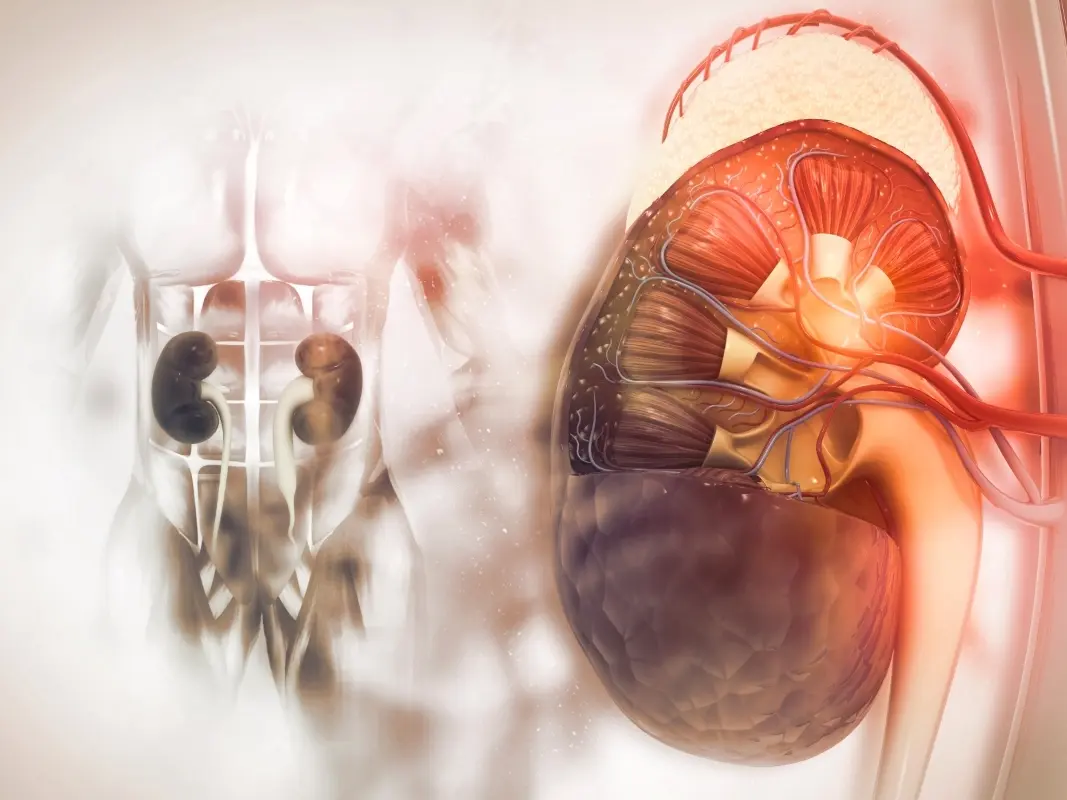
Kidney cancer

What Is Kidney Cancer?

The Core Definition: Kidney cancer develops when abnormal cells in kidney tissue begin growing uncontrollably.

The Structural Impact: These cells can form a tumor within the kidney.

The Functional Shift: A tumor or treatment may affect healthy kidney tissue and kidney function.

The Ayurvedic Perspective: Ayurveda considers kidney and urinary health through digestion, metabolism, tissue nourishment, lifestyle and Dosha balance.

There are different types of kidney cancer. Renal cell carcinoma (RCC) is the most common kidney cancer in adults, while other types include cancer of the renal pelvis and Wilms tumor, which mainly affects children.

Kidney cancer

Patient Case Studies

Verified Patient video testimonial
Remarkable Recovery with Ayurveda
Watch Video
Verified Patient video testimonial
Remarkable Recovery with Ayurveda
Watch Video

Our Awards & Accolades

Delhi Chief Minister Rekha Gupta
Click to View Award

Delhi Chief Minister Rekha Gupta

Award from Shilpa Shetty at IFA
Click to View Award

Award from Shilpa Shetty at IFA

Hon'ble Chief Minister Sh. Nayab Singh Saini
Click to View Award

Hon'ble Chief Minister Sh. Nayab Singh Saini

Felicitated by AYUSH Minister
Click to View Award

Felicitated by AYUSH Minister

Felicitating Indian Ambassador Nagesh Singh
Click to View Award

Felicitating Indian Ambassador Nagesh Singh

AYUSH Best Young Ayurveda Doctor Award
Click to View Award

AYUSH Best Young Ayurveda Doctor Award

Conference on Sustainable Healthcare
Click to View Award

Conference on Sustainable Healthcare

TEDx Panoroad Speaker Award
Click to View Award

TEDx Panoroad Speaker Award

Felicitating Prof. Rakesh Sharma
Click to View Award

Felicitating Prof. Rakesh Sharma

Event hosted by Hamdard
Click to View Award

Event hosted by Hamdard

Cosmo Talks Bangkok
Click to View Award

Cosmo Talks Bangkok

Award from Prof. Rakesh Sharma
Click to View Award

Award from Prof. Rakesh Sharma

How We Reverse Diseases

In Ayurveda, research is built around fundamental pillars to effectively heal and reverse Cancer.

Therapies

➔

Patients may undergo the traditional Ayurvedic treatments if it appears to be beneficial considering their current health condition.

➔

Therapies are chosen based on the patient's medical history, reports, and symptoms.

➔

We explain the purpose of each kind of therapy and what the patient may expect during the procedure.

➔

Different types of therapies can be applied depending on the issues that people face.

Therapies

Patient Medical Reports

Cellular Immunity & Blood Platelet Recovery Report
Click to View Full Report

Cellular Immunity & Blood Platelet Recovery Report

Liver Enzymes (SGOT/SGPT) Normalization Lab Report
Click to View Full Report

Liver Enzymes (SGOT/SGPT) Normalization Lab Report

Creatinine Reduced from 8.4 to 1.8 mg/dL - KFT Report
Click to View Full Report

Creatinine Reduced from 8.4 to 1.8 mg/dL - KFT Report

Nephrotic Syndrome Proteinuria Negative Report
Click to View Full Report

Nephrotic Syndrome Proteinuria Negative Report

Liver Enzymes (SGOT/SGPT) Normalization Lab Report
Click to View Full Report

Liver Enzymes (SGOT/SGPT) Normalization Lab Report

Creatinine Reduced from 8.4 to 1.8 mg/dL - KFT Report
Click to View Full Report

Creatinine Reduced from 8.4 to 1.8 mg/dL - KFT Report

Therapy Plan

Our Treatment Focus for Kidney cancer

At Karma Ayurveda, we do not simply prescribe herbs to mask symptoms. We analyze the root pathology triggers of kidney cancer, customize botanical formulations, and restore long-term cellular balance:

1

Immunity Boosting

Rasayana therapies to enhance natural defense and combat toxins (Ama).

2

Side-Effect Mitigation

Easing the fatigue and physical strain of conventional treatments.

3

Dosha Harmonization

Targeted herbal formulas to calm highly aggravated Vata and Pitta.

4

Cellular Restoration

Herbs like Tulsi, Ashwagandha, and Turmeric to support cellular repair.

Why Hundreds of Thousands Choose Karma Ayurveda

With a healing legacy since 1937, our experienced Ayurvedic clinicians use pure, tested botanical formulations and specialized Panchakarma therapies to restore physiological health naturally.

100% Tested Organic Extracts
84+ Years Healing Legacy
Completely Safe, Zero Harm
Expert Ayurvedic Clinicians
Related Therapies

Other Ayurvedic Cancer Treatments We Offer

Comprehensive specialized Ayurvedic pathways for all related stages and complications of cancer

Anal Cancer

Anal Cancer

Changes in bowel habits, bleeding, pain, or a lump around the anus shouldn't be ignored. Anal cancer can share symptoms with far less serious conditions, which makes understanding what's really going on all the more important. This page covers its warning signs, causes, diagnosis, treatment approaches, and Ayurvedic treatment for anal cancer.

Read More
Bile-duct cancer

Bile-duct cancer

Yellowing of the eyes or skin, dark urine, itching, or unexplained abdominal discomfort can sometimes point to a problem with the bile ducts. Bile duct cancer can be hard to recognize because its early symptoms resemble other conditions. This page covers its types, symptoms, causes, diagnosis, treatment approaches, and Ayurvedic treatment for bile duct cancer.

Read More
Blood cancer

Blood cancer

Unexplained fatigue, frequent infections, unusual bruising, or ongoing weakness can stem from many things; but sometimes it's the blood itself that's involved. Blood cancer is a broad term covering several distinct cancers, each with its own profile. This page covers the types, symptoms, diagnosis, treatment approaches, and Ayurvedic treatment for blood cancer.

Read More
Brain tumor

Brain tumor

Frequent headaches, seizures, vision changes, or unexplained trouble with movement can leave you wondering what's behind it all. Brain tumors vary a lot depending on their type and location. This page covers the symptoms, types, causes, diagnosis, treatment approaches, and Ayurvedic treatment for brain tumor.

Read More
Breast cancer

Breast cancer

A new lump or an unusual change in your breast can understandably worry you; but knowing what to look for is the first step. Breast cancer can show up in different ways, and not every change is cancer. This page covers symptoms, types, risk factors, diagnosis, treatment options, and Ayurvedic treatment for breast cancer.

Read More
Cervical cancer

Cervical cancer

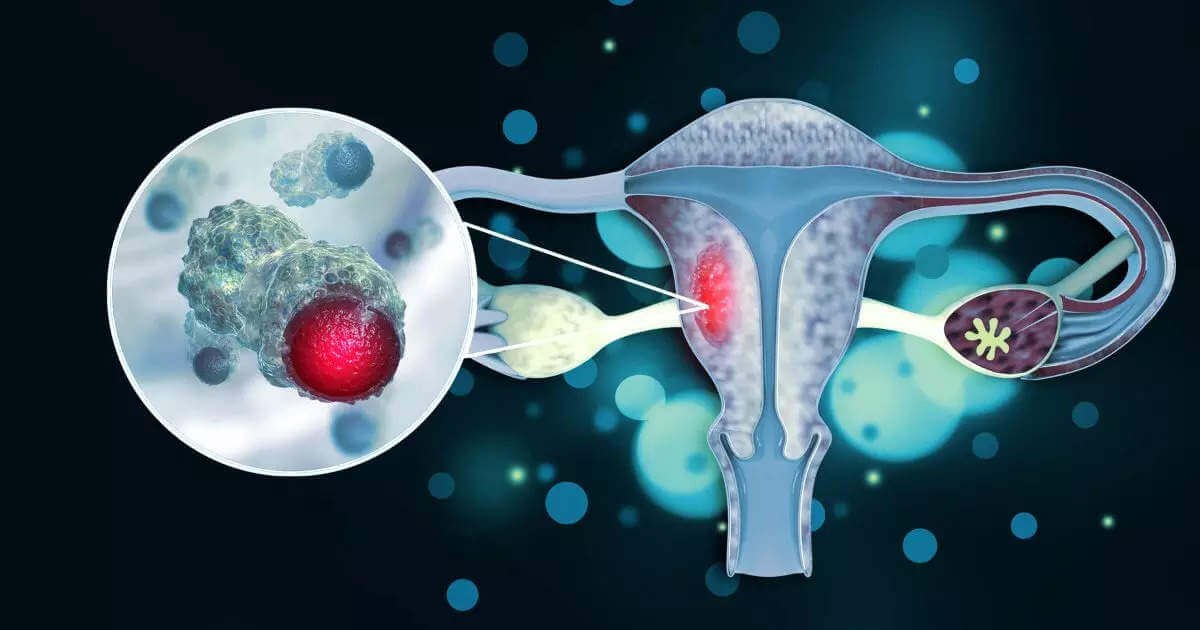
Unusual vaginal bleeding, bleeding after intercourse, or persistent pelvic discomfort shouldn't be brushed aside. Cervical cancer is often linked to changes that can be picked up through appropriate screening. This page covers its symptoms, causes, risk factors, stages, treatment options, and Ayurvedic treatment for cervical cancer.

Read More
Colon cancer

Colon cancer

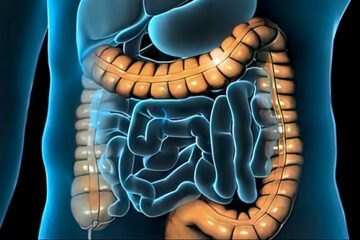
Persistent changes in bowel habits, blood in the stool, or unexplained weight loss all deserve a closer look. Colon cancer can develop gradually, and its early symptoms are easy to miss. This page covers the signs, causes, stages, treatment options, diet, and Ayurvedic treatment for colon cancer.

Read More
Gallbladder cancer

Gallbladder cancer

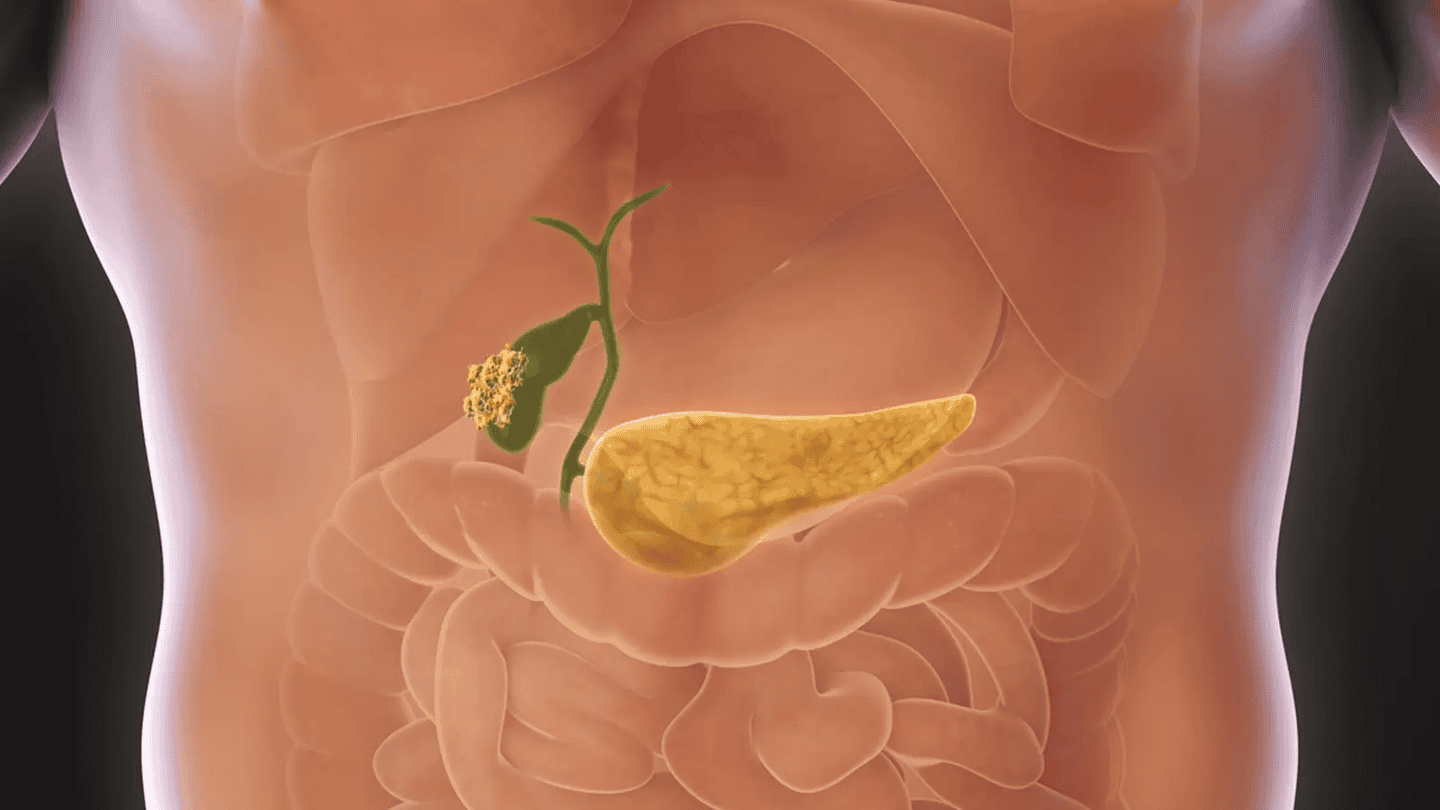
Persistent abdominal discomfort, jaundice, digestive changes, or unexplained weight loss can sometimes point to something beyond ordinary digestion. Gallbladder cancer is uncommon and can be tricky to catch early. This page covers its symptoms, causes, diagnosis, stages, treatment approaches, and Ayurvedic treatment for gallbladder cancer.

Read More
Liver cancer

Liver cancer

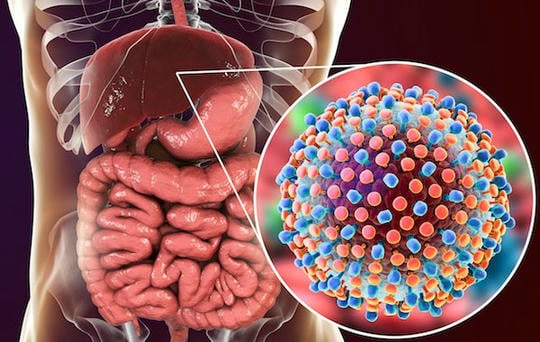
Unexplained weight loss, abdominal discomfort, jaundice, or changes in liver function raise real concerns about your liver health. Liver cancer can develop with or without noticeable symptoms, depending on the stage. This page covers its types, causes, symptoms, diagnosis, treatment options, diet, and Ayurvedic treatment for liver cancer.

Read More
Lung cancer

Lung cancer

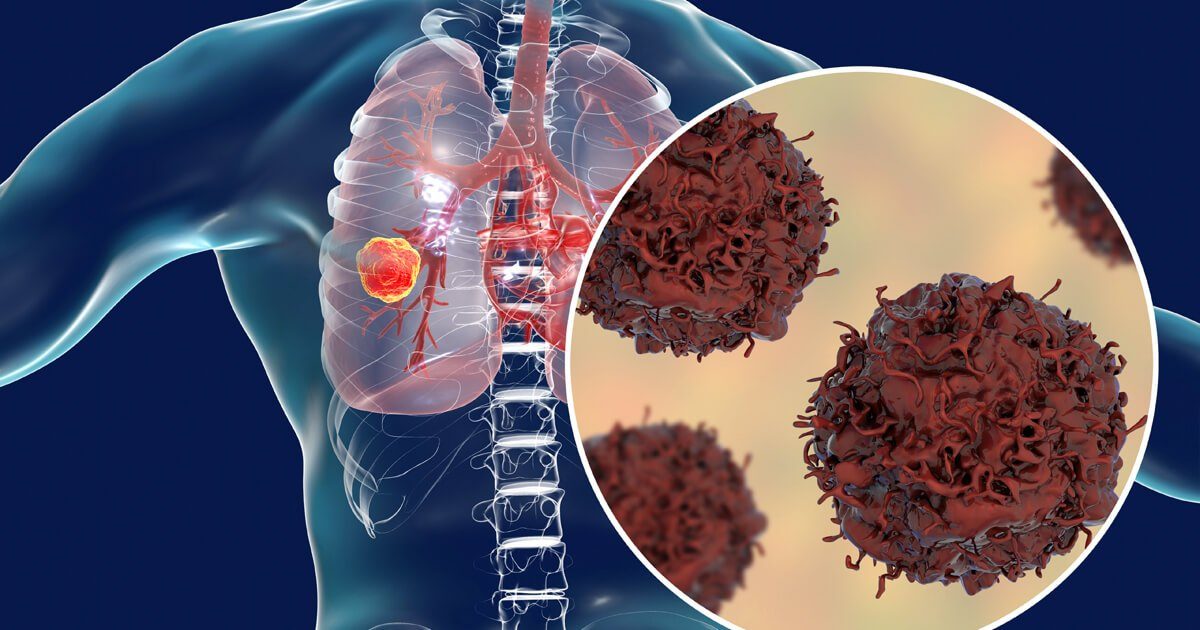
A cough that won't go away, unexplained breathlessness, chest discomfort, or coughing up blood should never be brushed aside. Lung cancer affects people differently, and its early symptoms often overlap with other conditions. This page covers its types, symptoms, causes, stages, treatment approaches, and Ayurvedic treatment for lung cancer.

Read More
Lymphoma cancer

Lymphoma cancer

Swollen lymph nodes, unexplained fever, night sweats, or ongoing tiredness can leave you wondering if something more is going on. Lymphoma covers several types of cancer affecting the lymphatic system, so understanding the differences matters. This page covers lymphoma types, symptoms, stages, diagnosis, treatment approaches, and Ayurvedic treatment for lymphoma.

Read More
Mouth cancer

Mouth cancer

A mouth ulcer that won't heal, a persistent lump, or unexplained changes inside your mouth shouldn't be casually dismissed. Knowing which signs need attention can make a real difference in getting evaluated on time. This page covers mouth cancer symptoms, causes, risk factors, treatment approaches, and Ayurvedic treatment for mouth cancer.

Read More
Multiple myeloma

Multiple myeloma

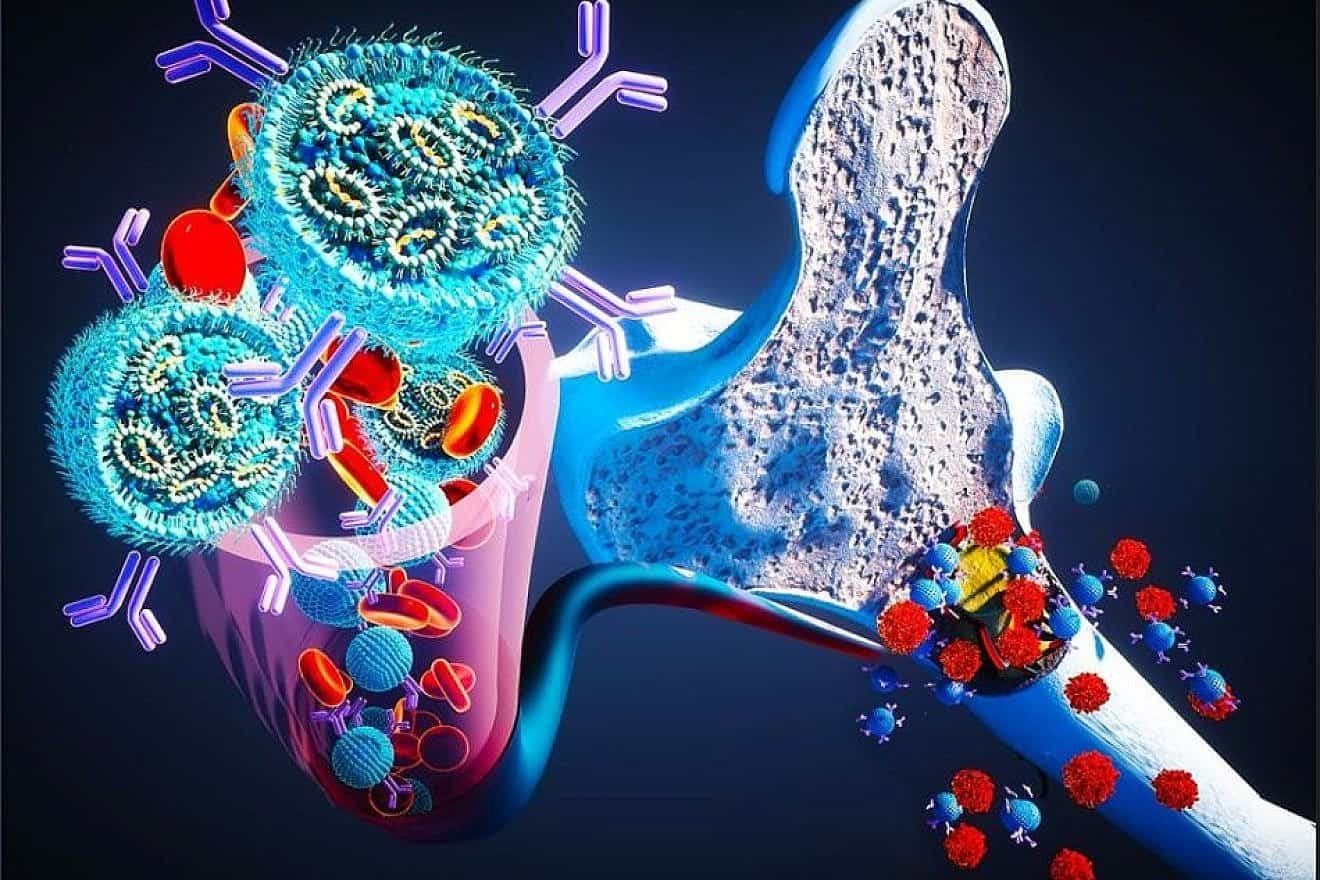
Persistent bone pain, unusual weakness, frequent infections, or changes in blood reports can sometimes point to problems in the bone marrow. Multiple Myeloma is a cancer of plasma cells that can affect bones, blood, kidneys, and overall health. This page covers its symptoms, stages, complications, treatment approaches, and Ayurvedic treatment for multiple myeloma.

Read More
Nasopharyngeal cancer

Nasopharyngeal cancer

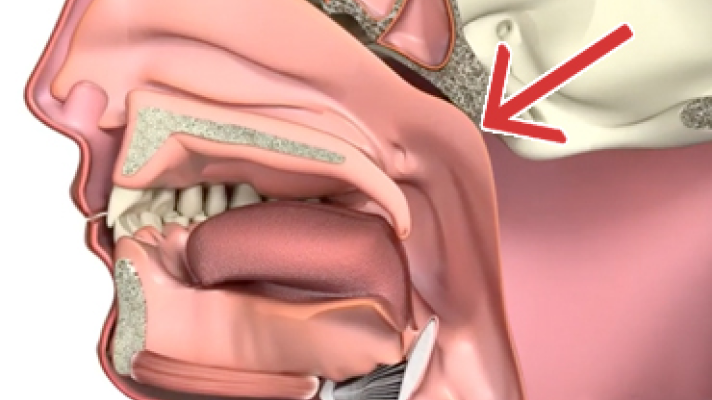
A blocked nose, hearing changes, nosebleeds, or a persistent lump in the neck can seem unrelated; but recurring symptoms deserve attention. Nasopharyngeal cancer develops in the upper throat behind the nose and can be difficult to spot early. This page covers its symptoms, causes, diagnosis, treatment options, and Ayurvedic treatment for nasopharyngeal cancer.

Read More
Ovarian cancer

Ovarian cancer

Persistent bloating, pelvic discomfort, appetite changes, or feeling full too quickly can look like ordinary digestive issues; but recurring symptoms deserve attention. Ovarian cancer can be tough to recognize in its early stages. This page covers its symptoms, types, risk factors, diagnosis, treatment approaches, and Ayurvedic treatment for ovarian cancer.

Read More
Pancreatic cancer

Pancreatic cancer

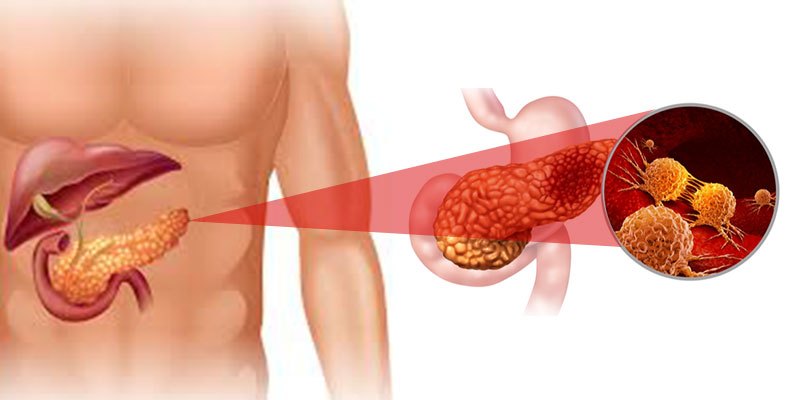
Persistent abdominal or back pain, unexplained weight loss, digestive changes, or jaundice can sometimes point to something deeper. Pancreatic cancer is often hard to catch early because its symptoms resemble common digestive issues. This page covers its symptoms, causes, stages, diagnosis, treatment approaches, and Ayurvedic treatment for pancreatic cancer.

Read More
Prostate cancer

Prostate cancer

Changes in urination, blood in the urine or semen, or other prostate-related symptoms raise important questions. Prostate cancer can develop without obvious symptoms early on, which is exactly why understanding the condition matters. This page covers its symptoms, risk factors, stages, treatment options, and Ayurvedic treatment for prostate cancer.

Read More
Stomach cancer

Stomach cancer

Ongoing indigestion, unexplained weight loss, stomach discomfort, or feeling full unusually fast; these symptoms can have many causes, but when they persist, they deserve proper attention. This page covers stomach cancer, its symptoms, causes, stages, treatment approaches, diet, and Ayurvedic treatment for stomach cancer.

Read More
Thyroid cancer

Thyroid cancer

A new lump or swelling in your neck is easy to overlook; so when should it actually be checked? Thyroid cancer presents differently depending on type and stage, and most thyroid nodules turn out to be non-cancerous. This page covers the warning signs, types, risk factors, diagnosis, treatment options, and Ayurvedic treatment for thyroid cancer.

Read More
Tongue cancer

Tongue cancer

A sore, patch, lump, or change on your tongue that just won't heal deserves a closer look. Tongue cancer can sometimes start with symptoms that look a lot like an ordinary mouth problem. This page covers the warning signs, causes, diagnosis, treatment approaches, and Ayurvedic treatment for tongue cancer.

Read More
Tonsil cancer

Tonsil cancer

A sore throat that won't quit, trouble swallowing, ear pain, or a lump in the neck can have many explanations; but ongoing symptoms deserve attention. Tonsil cancer affects tissue in the throat and doesn't always announce itself early. This page covers its symptoms, causes, risk factors, diagnosis, treatment approaches, and Ayurvedic treatment for tonsil cancer.

Read More
Uterine cancer

Uterine cancer

Unusual vaginal bleeding, bleeding after menopause, or changes in your menstrual pattern deserve attention. These symptoms have several possible causes, but persistent ones shouldn't be ignored. This page covers uterine cancer, its symptoms, types, risk factors, diagnosis, treatment approaches, and Ayurvedic treatment for uterine cancer.

Read More
Valvar cancer

Valvar cancer

Persistent itching, skin changes, sores, bleeding, or a lump around the vulva shouldn't be ignored. These symptoms have several possible causes, but knowing when they need medical evaluation matters. This page covers vulvar cancer, its symptoms, causes, diagnosis, treatment options, and Ayurvedic treatment for vulvar cancer.

Read More

Ayurvedic Kidney Cancer Treatment: Supporting Kidney Health, Strength and Overall Wellbeing

Your kidneys are small, but they have a pretty demanding job. They filter the blood, remove waste and help maintain the body's fluid and chemical balance.

So when a kidney tumor is discovered, the obvious question is, “What happens to my kidney now?”

The answer depends on several things; the type of cancer, its size, where it is located, whether it has spread and how well the kidneys are functioning.

At Karma Ayurveda, people exploring Ayurvedic kidney cancer treatment often want additional support for their strength, digestion, nutrition and everyday wellbeing. Our approach is to understand the complete picture while keeping appropriate cancer treatment at the centre.


The Karma Ayurveda Edge

Let's be honest; kidney cancer is not a condition where one report tells the whole story.

When someone approaches us for Ayurvedic treatment for kidney cancer, we first want to understand what the medical reports actually show.

Depending on the individual case, this may include reviewing:

  1. Ultrasound, CT or MRI reports
  2. Biopsy and pathology reports when performed
  3. Tumor size and location
  4. Cancer stage
  5. Whether lymph nodes or other organs are involved
  6. Kidney function
  7. Creatinine and eGFR
  8. Urine investigations
  9. Blood pressure
  10. Previous or planned surgery
  11. Current cancer medicines
  12. Appetite and weight
  13. Digestion and bowel habits
  14. Existing medical conditions
  15. Current Ayurvedic medicines or supplements

Staging is particularly important because it helps determine whether the cancer is confined to the kidney or has spread elsewhere and guides treatment planning.

What Exactly Causes Kidney Cancer?

There isn't one straightforward kidney cancer cause.

Kidney cancer develops after changes occur in cells that affect how they grow and divide. Several factors can increase the likelihood of these changes.

Recognised risk factors for renal cell cancer include smoking, excess body weight, high blood pressure, certain inherited conditions and a family history of kidney cancer. Long-term misuse of certain pain medicines may also increase risk.

And here's an important distinction: a risk factor is not a guarantee.

Someone can have several risk factors and never develop kidney cancer. Another person may develop it without having an obvious risk factor.

The Common Contributors

Some of the better-known kidney cancer risk factors include:

  1. Smoking tobacco
  2. Excess body weight
  3. High blood pressure
  4. Family history of kidney cancer
  5. Certain inherited genetic conditions
  6. Von Hippel-Lindau disease
  7. Hereditary papillary renal cancer
  8. Long-term misuse of certain pain medicines
  9. Increasing age

Genetics can be particularly important in people who develop kidney cancer at a younger age or have several relatives with kidney cancer. In such situations, discussing family history and possible genetic counselling with a medical professional may be appropriate.

Kidney Cancer Symptoms You Shouldn't Brush Aside

Here's something that surprises many people: kidney cancer may not cause obvious symptoms in its early stages.

Sometimes it is discovered during imaging done for an entirely different reason.

As the tumor grows, possible kidney cancer symptoms can include:

  1. Blood in the urine
  2. Persistent pain in the side or lower back
  3. A lump or mass in the abdomen
  4. Unexplained weight loss
  5. Loss of appetite
  6. Persistent tiredness
  7. Anemia
  8. Fever without an obvious cause
  9. Swelling in the legs
  10. High blood pressure
  11. General weakness

Blood in the urine does not automatically mean cancer. Kidney stones, infections and other urinary conditions can cause it too. But visible blood in the urine should never simply be ignored. NCI lists blood in the urine, abdominal mass, persistent side pain, appetite loss, unexplained weight loss and anemia among possible signs of renal cell cancer.

How We Assess Patients at Karma Ayurveda

When discussing an Ayurvedic kidney cancer specialist, it is important to understand that Ayurvedic assessment does not replace cancer staging.

At Karma Ayurveda, we may look at the person's complete health picture.

That can include kidney function, urinary patterns, digestion, appetite, bowel habits, sleep, energy levels, food habits and daily activity alongside their medical reports.

From an Ayurvedic perspective, we may also consider factors related to digestion, metabolism, tissue nourishment and Dosha balance.

This gives us a better understanding of where complementary care may fit into the person's routine.

Ayurvedic Therapies Commonly Used for Kidney Health Support

When someone asks about Ayurvedic kidney cancer treatment, it is important to distinguish between supporting health and treating the tumor.

There is currently no established Ayurvedic therapy proven to eliminate kidney cancer.

Depending on the person's condition, selected supportive approaches may include:

Shamana Chikitsa

Individualised Ayurvedic medicines may be considered based on the person's overall condition.

However, people with cancer should not start herbal formulations independently. Kidney function, cancer medicines and possible herb-drug interactions all need to be considered.

Dietary Guidance

Food choices may be adjusted according to appetite, nutritional needs, kidney function and ongoing cancer treatment.

There is no single “kidney cancer diet” that works for everyone.

Gentle Abhyanga

In suitable cases, gentle oil massage may be considered for relaxation and general comfort.

It should not be performed over a tumor, surgical wound or medically sensitive area without appropriate clearance.

Gentle Movement and Breathing

Light physical activity, stretching and breathing practices may be included when medically appropriate.

These approaches are intended to support routine and wellbeing; not to destroy a kidney tumor.

What Can You Do at Home to Support Kidney Health?

If you're searching for Ayurvedic treatment for kidney cancer at home, be careful with anything promising that a particular juice, herb or detox can “flush out” cancer.

Your priority should be simple, sensible care.

  1. Eat nutritious meals suited to your medical needs.
  2. Maintain adequate protein and calories when advised.
  3. Follow any kidney-specific dietary restrictions prescribed by your healthcare team.
  4. Stay appropriately hydrated unless you have been told to restrict fluids.
  5. Avoid smoking and tobacco.
  6. Avoid unnecessary alcohol.
  7. Maintain gentle physical activity when medically appropriate.
  8. Monitor significant changes in weight and appetite.
  9. Keep track of kidney-function tests as advised.
  10. Take prescribed medicines consistently.
  11. Don't begin supplements or herbal products without professional guidance.

This last point deserves extra attention. When the kidneys are already under pressure, randomly adding several herbal products is not a smart experiment.

Can Ayurveda Support Kidney Cancer Management?

Ayurveda may have a complementary role in kidney cancer management, particularly around nutrition, digestion, lifestyle, strength and general wellbeing.

But it is important not to blur the line between complementary care and cancer treatment.

There is no established Ayurvedic cure for kidney cancer proven to reliably remove the cancer.

Treatment for renal cell cancer can include surgery, radiation therapy, immunotherapy and targeted therapy, depending on the stage and individual circumstances. Surgery may involve partial or radical nephrectomy in appropriate cases.

For advanced disease, systemic treatments such as immunotherapy and targeted therapies may be used.

Therefore, Ayurvedic care should be discussed as complementary support rather than a replacement for oncology or urology care.

When Should You See a Specialist?

Don't wait until a kidney problem starts causing dramatic symptoms.

You should seek medical evaluation if you notice:

  1. Blood in the urine
  2. Persistent side or back pain
  3. An unexplained abdominal lump
  4. Unexplained weight loss
  5. Ongoing loss of appetite
  6. Persistent fatigue or weakness
  7. Unexplained anemia
  8. Recurrent or unexplained fever

If kidney cancer has already been diagnosed, follow-up should involve the appropriate cancer and kidney specialists.

And if surgery is being considered, understanding whether partial or complete removal of the kidney is appropriate is an important conversation with the treating surgical team.

The Kidney Matters; But So Does the Person

When someone hears “kidney cancer,” conversations can quickly become all about tumors, scans and surgery.

But there is a person sitting in the middle of all those reports.

They still need to eat. They still need energy. They still need rest. They still have questions about their routine and what they can realistically do every day.

That is where supportive care can have a meaningful role.

At Karma Ayurveda, our approach to Ayurvedic kidney cancer treatment focuses on the broader picture; nutrition, digestion, lifestyle, strength and everyday wellbeing; while respecting the need for appropriate cancer treatment.

If you are considering Ayurvedic treatment in kidney cancer, the safest path is one based on personalised care, transparent expectations and coordination with your medical team.

Find Us Near You

Our Clinics (हमारे क्लिनिक)

Visit your nearest Karma Ayurveda center and connect with our experts for personalized consultation.

Delhi
Jaipur
Patna
Bangalore
Mumbai
Lucknow
Noida
Lucknow - Vikas Nagar
Gurugram
Pratap Nagar
Delhi - Janakpuri

Discover Karma Ayurveda treatment centers and consultations offering specialized care for Cancer across India.

FAQ

Frequently Asked Questions

No. Kidney disease is a broad term covering many conditions that affect kidney structure or function. Kidney cancer is an abnormal growth of cancer cells in kidney tissue.
Renal cell carcinoma is the most common type of kidney cancer in adults.
Yes. Early kidney cancer may not cause noticeable signs, and some tumors are found incidentally during imaging performed for another reason.
No. Blood in urine can occur with infections, kidney stones and other urinary conditions. However, unexplained blood in the urine should be medically evaluated.
It can, particularly depending on the size and location of the tumor, the condition of the other kidney and the treatment required. Preserving kidney function is one consideration when treatment is planned.
Some kidney cancers are associated with inherited genetic conditions, although most cases are not caused by a known inherited syndrome. A strong family history or unusually young age at diagnosis may warrant discussion of genetic risk.
Yes. Kidney cancer can spread beyond the kidney. Staging tests are used to determine whether this has happened and where the cancer is located.
Many people can live with one functioning kidney, although individual kidney function and overall health need to be monitored. If both kidneys are removed or no longer function adequately, dialysis or transplantation may be necessary.
They should not be started automatically. Kidney function, other medicines and the patient's recovery need to be considered first, and any Ayurvedic product should be discussed with the treating medical team.
There is no established evidence that Ayurvedic treatment can reliably shrink or eliminate a kidney-cancer tumor. Complementary Ayurvedic care should not replace appropriate cancer treatment.