



























Ayurvedic Ovarian Cancer Treatment: Supporting Strength, Hormonal Health and Overall Wellbeing
Some health problems announce themselves loudly. Ovarian cancer, unfortunately, doesn't always do that.
Bloating that keeps coming back, feeling full unusually quickly, abdominal discomfort or needing to urinate more often can easily be mistaken for digestive or hormonal issues. That is one reason persistent changes deserve attention rather than being brushed aside.
At Karma Ayurveda, we believe supportive care should look at the person, not just the diagnosis. When someone is exploring Ayurvedic ovarian cancer treatment, our focus is on understanding their health, nutrition, digestion, daily routine and overall strength while keeping their primary cancer treatment at the centre of care.
The Karma Ayurveda Edge
When someone comes to us looking for Ayurvedic treatment for ovarian cancer, the first step isn't to jump straight into herbs or therapies.
We want to understand what is actually happening.
At Karma Ayurveda, the available medical reports, current treatment, symptoms, nutritional status, digestion, appetite, sleep, energy levels and lifestyle may all form part of the assessment.
Depending on the individual case, we may review:
- Ultrasound, CT or MRI reports
- Biopsy and pathology reports
- Tumor type and stage
- CA-125 or other relevant investigations
- Current cancer medicines
- Surgical history
- Appetite and weight changes
- Digestive and bowel patterns
- Menstrual or menopausal history where relevant
- Existing health conditions
- Current Ayurvedic medicines or supplements
This does not replace gynecologic oncology care. Diagnosis and staging are essential for deciding the appropriate cancer treatment.
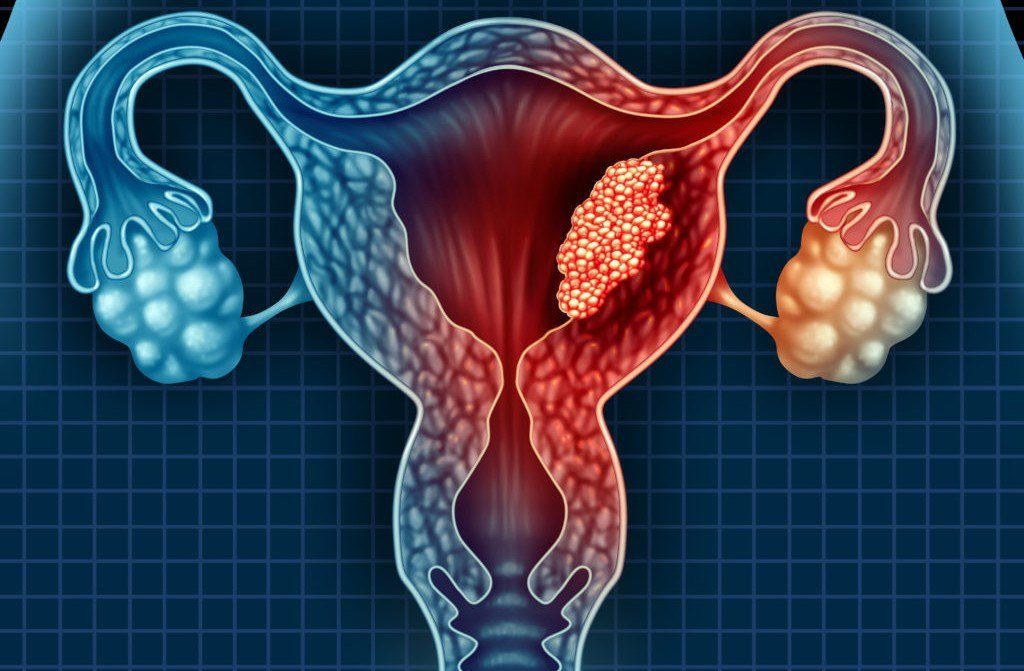
What Exactly Causes Ovarian Cancer?
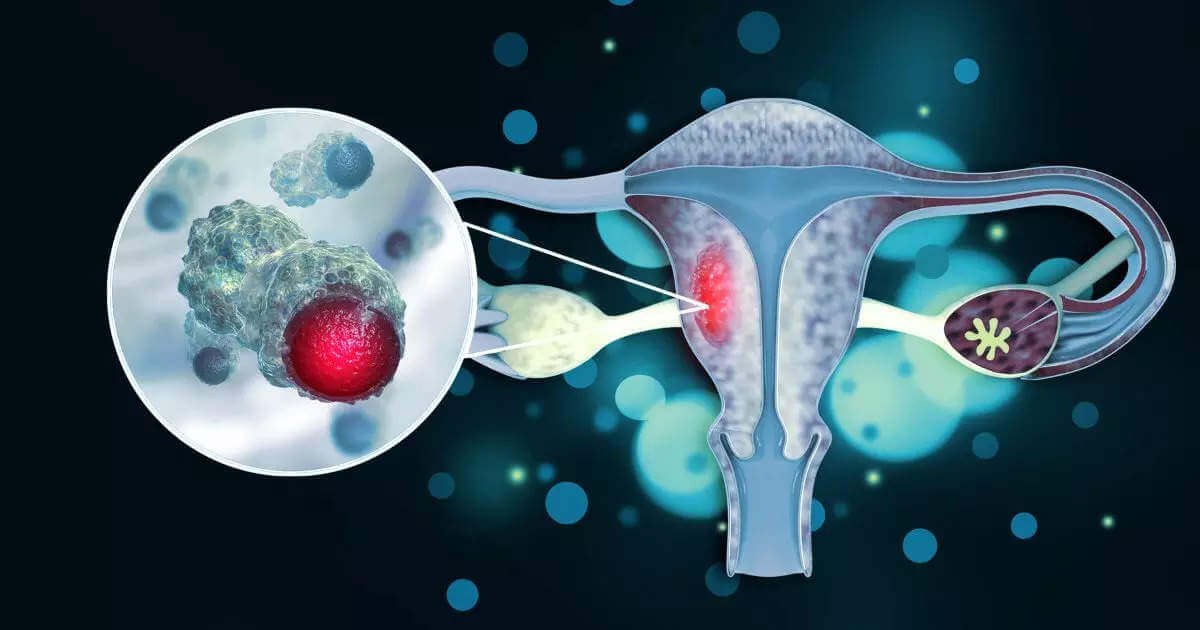
There isn't one simple answer to the question of ovarian cancer causes.
Cancer develops through changes in cells that allow them to grow and divide abnormally. Researchers continue to study exactly why these changes occur.
Certain factors are known to increase the risk, particularly for epithelial ovarian cancer.
These include older age, family history, inherited gene changes such as BRCA1 and BRCA2, Lynch syndrome, endometriosis and some reproductive or hormonal factors.
But here's something important: having a risk factor does not mean a woman will definitely develop ovarian cancer. And some women diagnosed with ovarian cancer have no obvious known risk factor.
The Common Contributors
Some of the better-established ovarian cancer risk factors include:
- Increasing age
- Family history of ovarian or breast cancer
- Inherited BRCA1 or BRCA2 mutations
- Lynch syndrome
- Endometriosis
- Certain reproductive factors
- Postmenopausal hormone therapy
- Excess body weight
- Previous pelvic radiation exposure
A strong family history can be particularly important. Women with inherited genetic risk may benefit from discussing genetic counselling and testing with an appropriate healthcare professional.
This is also why family history shouldn't be treated as just another question on a medical form. It can provide genuinely useful information about someone's risk.
Ovarian Cancer Symptoms You Shouldn't Ignore
This is where ovarian cancer can become tricky.
Early disease may cause few or no obvious symptoms. When symptoms do occur, they can resemble everyday digestive or urinary complaints.
Possible ovarian cancer symptoms include:
- Persistent bloating
- Abdominal swelling
- Pelvic or abdominal pain
- Pressure in the abdomen or pelvis
- Feeling full quickly while eating
- Reduced appetite
- Gas or indigestion
- Constipation
- Urinary urgency or increased frequency
- Unexplained weight loss
- Fatigue
- Back discomfort
- Changes in bowel habits
- A feeling of heaviness or fullness in the pelvis
One episode of bloating after a big meal isn't automatically a warning sign. The concern is when symptoms are persistent, frequent, worsening or unusual for you.
If these symptoms continue for several weeks, getting them evaluated is much better than repeatedly blaming dinner.
How We Assess Patients at Karma Ayurveda
An Ayurvedic ovarian cancer specialist should understand that cancer care requires context.
At Karma Ayurveda, we may look at the person's medical history alongside their current symptoms and treatment plan.
From an Ayurvedic perspective, we may also consider digestion, appetite, elimination, sleep, energy, lifestyle and Dosha-related factors.
This helps us understand where supportive Ayurvedic care may fit into the person's routine.
For someone already undergoing chemotherapy, surgery, radiation or another cancer treatment, coordination is particularly important. The aim is not to create a second, disconnected treatment plan.
Ayurvedic Therapies Commonly Used for Ovarian Health Support
Depending on the person's health and medical treatment, selected Ayurvedic approaches may be considered for supportive wellbeing.
Shamana Chikitsa
Individualised Ayurvedic medicines may be considered based on the person's condition. However, cancer patients should never start herbal medicines independently.
Dietary Guidance
Nutrition can become challenging during cancer treatment, especially when appetite changes, nausea, digestive discomfort or weight loss are present.
Food guidance may therefore focus on practical, nourishing meals rather than unnecessarily restrictive diets.
Abhyanga
In suitable cases, gentle oil massage may be used for relaxation and general comfort.
It should not be performed over a tumor, surgical site, radiation-damaged skin or any medically sensitive area without clearance.
Gentle Yoga and Breathing
Simple breathing practices, gentle movement and relaxation techniques may help maintain routine and comfort when the treating team considers them appropriate.
It is important to be clear about what Ayurvedic ovarian cancer treatment means here: supportive Ayurvedic care is not the same thing as a proven treatment that removes cancer.
There is currently no established Ayurvedic cure proven to eliminate ovarian cancer.
What Can You Do at Home to Support Your Health?
If you're searching for Ayurvedic treatment for ovarian cancer at home, be careful with anything promising a miracle.
Cancer isn't something that can responsibly be managed through a random collection of herbs, juices or detox drinks.
Instead, focus on the basics:
- Eat nourishing meals according to your appetite and medical needs.
- Include adequate protein and calories when advised.
- Stay appropriately hydrated.
- Take prescribed medicines as directed.
- Keep track of significant weight or appetite changes.
- Choose gentle movement when medically appropriate.
- Get enough sleep and rest.
- Avoid smoking and tobacco.
- Avoid alcohol when advised by your medical team.
- Don't start supplements without checking for possible interactions.
- Keep all oncology appointments and follow-up investigations.
And please don't assume that “natural” automatically means “safe.” Herbs can contain active compounds and may interfere with cancer medicines.
Can Ayurveda Support Ovarian Cancer Management?
This is an important question, and the answer deserves honesty.
Ayurveda may be considered as supportive care alongside ovarian cancer treatment, particularly around areas such as nutrition, digestion, lifestyle, relaxation and general wellbeing.
However, there is no established Ayurvedic cure for ovarian cancer that has been proven to reliably remove the disease.
Depending on the cancer type and stage, conventional treatment may involve surgery, chemotherapy and other treatments such as targeted or hormone-based therapies in selected situations.
Ayurvedic medicines or supplements should be discussed with the oncology team because interactions with cancer medicines are possible.
The goal should always be coordinated care; not replacing one form of care with another.
When Should You See a Specialist?
Don't wait until symptoms become dramatic.
Speak with a gynecologist or other appropriate healthcare professional if you have persistent:
- Bloating or abdominal swelling
- Pelvic or abdominal pain
- Early fullness while eating
- Urinary urgency or frequency
- Unexplained weight loss
- Changes in bowel habits
- A persistent feeling of pressure or fullness
There is currently no screening test that works well enough to routinely detect ovarian cancer early in women at average risk. That's why paying attention to persistent symptoms and discussing individual risk with a healthcare professional matters.
Women with a strong family history or inherited genetic risk may need a different risk-assessment approach.
Supporting the Woman Behind the Diagnosis
An ovarian cancer diagnosis can affect much more than one organ. Appetite may change. Energy can dip. Daily routines can become complicated. And suddenly, medical appointments seem to occupy the calendar.
That is why supportive care needs to be practical.
At Karma Ayurveda, our approach to Ayurvedic ovarian cancer treatment focuses on the person as a whole while respecting the importance of appropriate cancer care. We look at nutrition, digestion, lifestyle, strength and everyday wellbeing rather than making unrealistic promises.
If you're considering Ayurvedic treatment in ovarian cancer, the most responsible approach is one that works alongside appropriate oncology care, keeps communication open and puts the patient's safety first.