



















Ayurvedic Bile Duct Cancer Treatment: Supporting Liver Health, Digestion and Everyday Strength
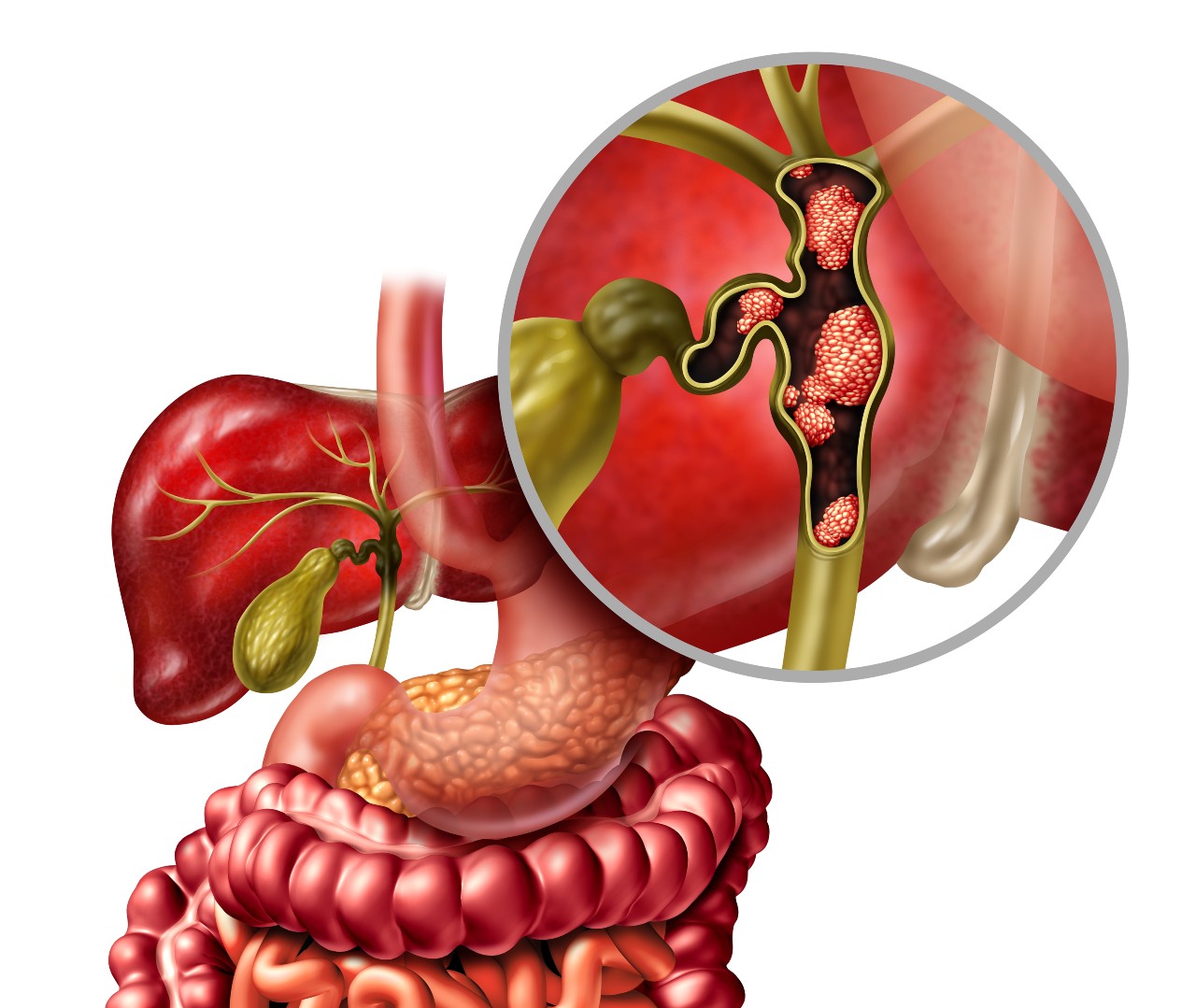
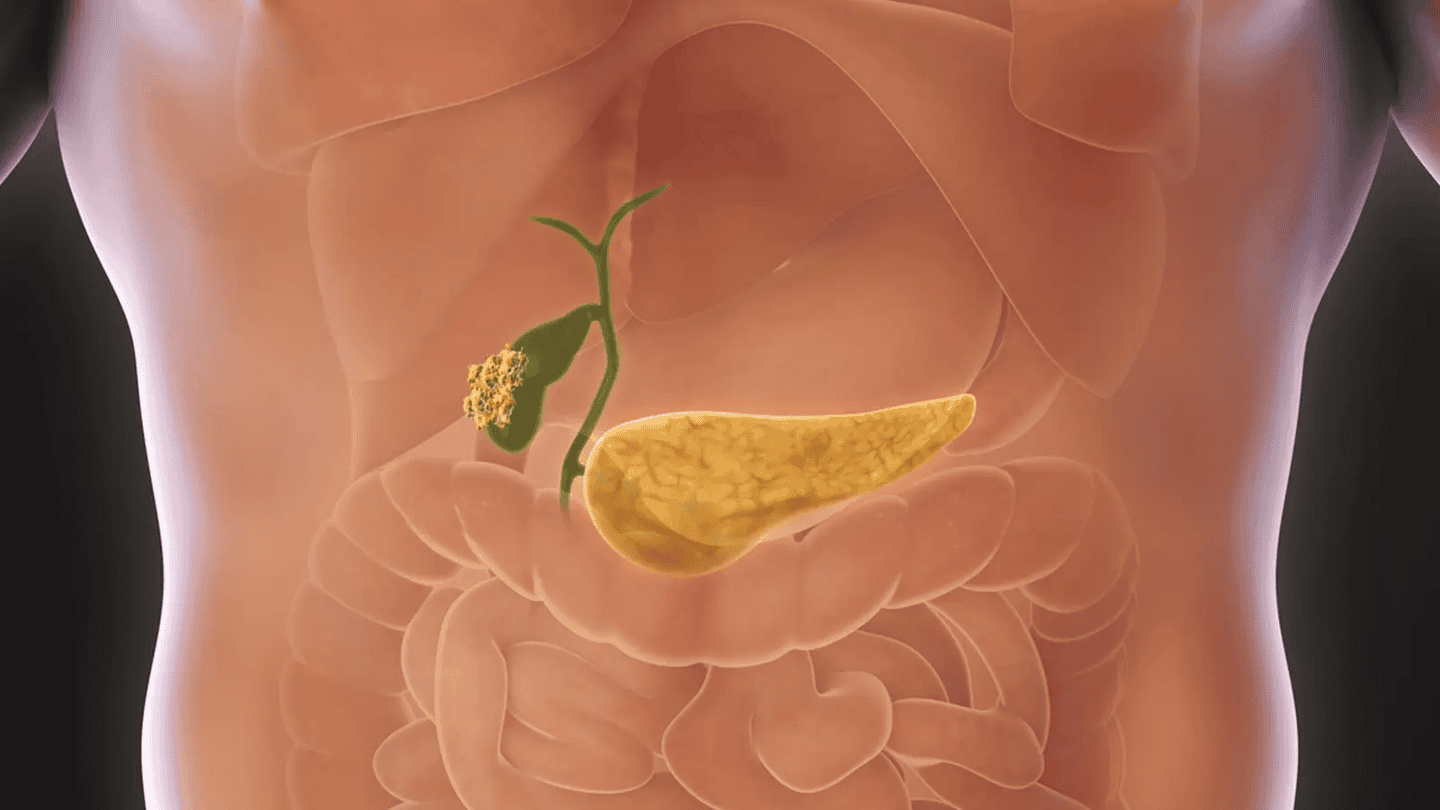
Your bile ducts may not get much attention in everyday life. They are small tubes, tucked away inside the body, carrying bile from the liver and gallbladder toward the intestine.
But when these ducts become blocked or affected by cancer, the body can make its discomfort pretty obvious.
Yellow eyes. Dark urine. Pale stools. Itching. Abdominal pain. Sometimes unexplained weight loss.
Bile duct cancer, also called cholangiocarcinoma, is uncommon and can occur in different parts of the bile-duct system. Because its symptoms can overlap with other liver, gallbladder and digestive problems, proper medical evaluation is especially important.
At Karma Ayurveda, people searching for Ayurvedic bile duct cancer treatment often want to know what they can do to support digestion, nutrition, energy and general wellbeing alongside their medical treatment.
That is where complementary care needs to be sensible, personalised and realistic.
With bile duct cancer, the location of the tumor matters a lot.
So does the condition of the liver.
And then there are the practical things; appetite, weight, digestion, jaundice, itching, fatigue and how well the person is tolerating treatment.
When someone approaches us for Ayurvedic treatment for bile duct cancer, we take these details into account rather than handing over a generic diet chart or list of herbs.
The assessment may include:
- Imaging reports such as ultrasound, CT or MRI
- Liver-function tests
- Bilirubin levels
- Pathology or biopsy reports where applicable
- Cancer type and location
- Cancer stage
- Lymph-node or distant involvement
- Whether surgery is possible
- Previous or ongoing chemotherapy
- Radiation or other cancer treatment
- Appetite and weight changes
- Digestion and bowel habits
- Sleep and energy
- Current medicines and supplements
Diagnosis and staging can involve blood tests, imaging and procedures used to examine the bile ducts and surrounding tissues. Doctors also need to determine whether the cancer can be completely removed surgically.
What Exactly Causes Bile Duct Cancer?
There isn't always a clear-cut answer to bile duct cancer causes.
Cancer develops when cells acquire changes that allow them to grow abnormally and avoid the usual controls on cell growth.
Certain long-standing diseases of the bile ducts and liver can increase risk, but some people develop bile duct cancer without a known risk factor.
So if you've been diagnosed and are wondering, “What did I do wrong?”; don't automatically put the blame on yourself.
Cancer isn't always the result of one particular habit or mistake.
The Common Contributors
Some recognised bile duct cancer risk factors include:
- Primary sclerosing cholangitis (PSC)
- Chronic ulcerative colitis
- Certain bile-duct cysts
- Liver-fluke infection in areas where these infections are more common
- Cirrhosis
- Hepatitis B or hepatitis C
- Certain inherited genetic conditions
- Older age
- Inflammatory bowel disease
- Excess body weight
- Diabetes
The exact risk profile can vary depending on where the bile duct cancer develops.
Having one of these conditions does not mean that cancer will definitely develop. In fact, many people diagnosed with bile duct cancer have few or no known risk factors.
Bile Duct Cancer Symptoms You Shouldn't Ignore
Here is where bile duct cancer can become confusing.
A blocked bile duct can create symptoms that look like a liver or gallbladder problem.
Common bile duct cancer symptoms include:
- Yellowing of the skin or eyes
- Dark urine
- Pale or clay-coloured stools
- Persistent itching
- Upper-abdominal pain
- Unexplained weight loss
- Loss of appetite
- Nausea or vomiting
- Fever
- General weakness or fatigue
Jaundice is particularly important because a tumor can block the flow of bile and cause bilirubin to build up in the body.
Of course, jaundice doesn't automatically mean cancer. Gallstones, hepatitis, infections and other bile-duct problems can cause it too.
But yellow eyes are not something to put on the “I'll check it next week” list.
Get it evaluated.
How We Assess Patients at Karma Ayurveda
An Ayurvedic bile duct cancer specialist needs to look beyond the word “cancer.”
For one person, the biggest concern may be poor appetite. For another, it may be itching or digestive discomfort. Someone else may be recovering from surgery or dealing with the effects of chemotherapy.
We therefore consider the individual's current condition, including:
- Medical diagnosis and pathology
- Cancer location and stage
- Liver function
- Current treatment
- Appetite and weight
- Digestion
- Bowel habits
- Sleep
- Energy levels
- Daily activity
- Existing medical conditions
- Current medicines and supplements
From the Ayurvedic perspective, digestion, metabolism, tissue nourishment and Dosha-related factors may also be considered.
The purpose is supportive care; not replacing the cancer specialist's treatment plan.
Ayurvedic Therapies Commonly Used for Bile Duct Cancer Support
Let's address the big question first.
There is no established Ayurvedic therapy proven to eliminate bile duct cancer.
That doesn't mean supportive care has no place. It simply means we need to be honest about what Ayurveda can and cannot do.
Depending on the person's health and ongoing treatment, selected approaches may include:
Shamana Chikitsa
Individualised Ayurvedic medicines may be considered with attention to the person's condition.
But herbs should never be started casually during chemotherapy, immunotherapy or targeted treatment. Some herbal products can affect drug metabolism or interact with medicines.
Dietary Support
When bile flow is affected, eating may become uncomfortable or difficult.
The goal is not to create a complicated “cancer diet.”
Instead, meals can be planned around what the person can tolerate while providing adequate calories, protein and essential nutrients.
Gentle Abhyanga
Where medically appropriate, gentle massage may be considered for relaxation and general comfort.
It should not be performed over a tumor, surgical wound, catheter or other medically sensitive area without clearance.
Gentle Movement and Breathing
Light movement, stretching and simple breathing exercises may help maintain activity and relaxation when the person's condition allows.
On difficult days, “gentle” really can mean gentle. There is no prize for exhausting yourself.
What Can You Do at Home to Support Your Health?
If you're searching for Ayurvedic treatment for bile duct cancer at home, avoid falling into the trap of extreme detoxes.
The liver and bile system are already doing important work. A handful of internet remedies won't magically reset them.
Instead:
- Eat small, nourishing meals if large meals are difficult.
- Maintain adequate calories and protein where appropriate.
- Stay hydrated according to your doctor's advice.
- Track weight and appetite.
- Follow prescribed medicines carefully.
- Avoid alcohol unless your medical team says otherwise.
- Don't smoke or use tobacco.
- Stay gently active if your strength allows.
- Prioritise sleep and rest.
- Don't take “liver detox” powders or herbal mixtures without professional advice.
- Tell your doctor about every supplement you are using.
If jaundice, vomiting, fever or abdominal pain suddenly worsens, seek medical attention rather than trying to manage it at home.
Can Ayurveda Support Bile Duct Cancer Management?
Ayurveda may have a complementary role in bile duct cancer management, particularly around nutrition, digestion, lifestyle and maintaining everyday comfort.
But supportive care and cancer treatment are two different things.
There is no established Ayurvedic cure for bile duct cancer that reliably removes the cancer.
For bile duct cancer that can be completely removed, surgery may be the main treatment. Depending on the location and stage, treatment may also involve chemotherapy, radiation, immunotherapy, targeted therapy or procedures such as biliary stenting to relieve obstruction and symptoms.
The treatment plan depends heavily on where the cancer is located, how far it has spread and whether it can be surgically removed.
That is why Ayurvedic care should sit alongside; not instead of; appropriate cancer treatment.
When Should You See a Specialist?
Certain symptoms deserve prompt attention, especially when they appear together.
See a healthcare professional if you experience:
- Yellow eyes or skin
- Dark urine
- Pale stools
- Persistent itching without an obvious cause
- Ongoing upper-abdominal pain
- Unexplained weight loss
- Persistent nausea or vomiting
- Repeated fever
- Unexplained loss of appetite
- Ongoing weakness or fatigue
There is currently no routine screening test that reliably detects bile duct cancer early in people without symptoms.
That makes paying attention to unusual changes even more important.
The Goal Is Support, Not False Promises
Bile duct cancer can turn everyday things; eating, sleeping, managing itching, maintaining weight; into surprisingly difficult tasks.
That is why supportive care needs to be practical.
At Karma Ayurveda, our approach to Ayurvedic bile duct cancer treatment focuses on the person as a whole, with attention to digestion, nutrition, lifestyle, energy and day-to-day wellbeing.
We also believe that responsible Ayurvedic care means knowing its limits.
For anyone considering Ayurvedic treatment in bile duct cancer, the safest path is one that works alongside appropriate oncology care, takes current medicines and treatments into account, and focuses on helping the person feel as supported as possible throughout the journey.