

























Ayurvedic Brain Tumor Treatment: Supporting Neurological Health and Overall Wellbeing
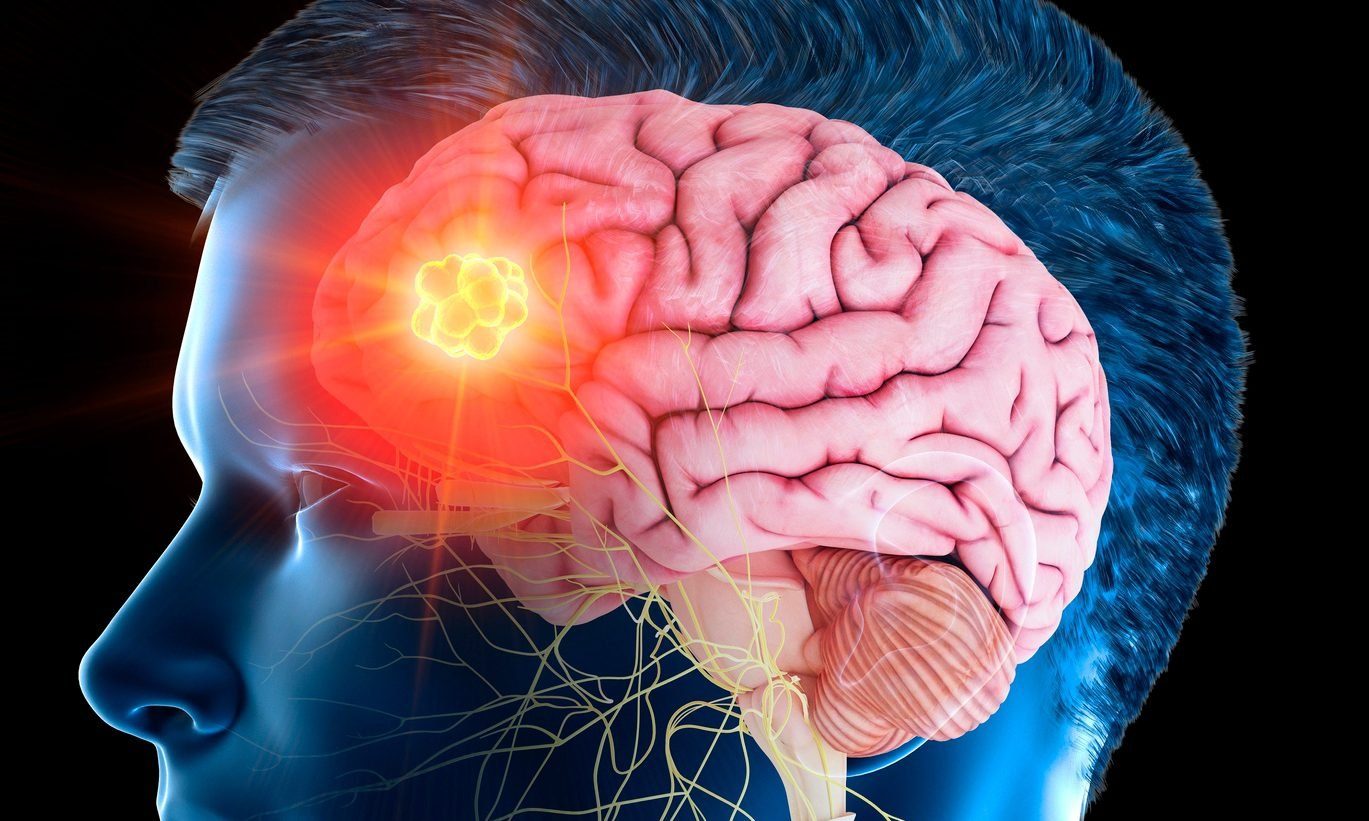
A brain tumor is an abnormal growth of cells in or around the brain. Some brain tumors are benign, while others are malignant, and their effects can vary greatly depending on their type, size, location, and growth rate.
Because even a non-cancerous brain tumor can affect important areas responsible for movement, speech, vision, memory, or other functions, proper neurological evaluation is essential. Ayurvedic care may be considered as supportive care for overall wellbeing, nutrition, recovery, and symptom support alongside appropriate medical treatment.
The Karma Ayurveda Edge
At Karma Ayurveda, we understand that the words "brain tumor" can describe many different conditions. A tumor may be benign or malignant, slow-growing or aggressive, and its impact depends heavily on where it develops.
Our supportive approach begins with understanding the person's diagnosis, MRI or CT reports, pathology findings when available, symptoms, treatment history, medicines, nutritional status, sleep, and daily functioning.
From an Ayurvedic perspective, we may also consider digestion, elimination, lifestyle, sleep, dietary habits, and individual constitution.
The focus is on individualized supportive care that works alongside appropriate neurological, neurosurgical, and oncology treatment.
What Exactly Causes a Brain Tumor?
In many people, the exact cause of a brain tumor is not known.
Brain tumors develop when cells acquire abnormal changes that cause them to grow or survive when they normally would not.
Some tumors begin in the brain itself, while others develop elsewhere in the body and spread to the brain. Brain tumors can also be classified as primary or metastatic.
Possible risk factors for certain brain tumors may include:
- Certain inherited genetic conditions
- Previous exposure to significant ionizing radiation
- Family history in a small number of cases
- Genetic changes acquired during a person's lifetime
For many people, there is no clear lifestyle habit or single event that explains why a brain tumor developed.
The Common Contributors
Risk factors vary considerably according to the type of brain tumor.
Some recognized factors may include:
- Certain inherited genetic syndromes
- Previous radiation exposure to the head
- Family history of particular brain tumor syndromes
- Increasing age for certain tumor types
- A previous cancer elsewhere in the body, which may spread to the brain
It is important not to assume that headaches, mobile-phone use, stress, or a particular food automatically causes a brain tumor. Many brain tumors have no identifiable cause.
Brain Tumor Symptoms You Shouldn't Ignore
Symptoms depend greatly on the tumor's location, size, and rate of growth.
Possible symptoms include:
- Persistent or progressively worsening headaches
- Headaches that may be worse in the morning
- Nausea or vomiting without another clear explanation
- Seizures
- Changes in vision
- Difficulty speaking or understanding speech
- Weakness or numbness on one side of the body
- Problems with balance or coordination
- Changes in hearing
- Memory or concentration changes
- Unusual changes in behavior or personality
- Excessive sleepiness
- Difficulty with movement
Having a headache does not mean you have a brain tumor. Most headaches have other causes.
However, a new, persistent, progressively worsening headache; particularly when accompanied by neurological symptoms, seizures, repeated vomiting, vision changes, confusion, weakness, or speech difficulty; deserves medical evaluation.
Sudden weakness, loss of consciousness, a first seizure, severe sudden headache, or sudden difficulty speaking requires urgent medical attention.
How We Assess Patients at Karma Ayurveda
A brain tumor requires detailed medical evaluation before any supportive therapy is considered.
At Karma Ayurveda, relevant information may include:
- MRI or CT brain reports
- Tumor location and size
- Biopsy and pathology reports when performed
- Tumor grade or type
- Neurological examination findings
- Previous surgery
- Radiation treatment
- Chemotherapy or targeted treatment
- Current medicines
- Seizure history
- Headache pattern
- Vision, speech, movement, or balance changes
- Appetite and nutritional status
- Sleep and energy levels
We may also consider digestion, elimination, lifestyle, diet, sleep, and individual Ayurvedic factors.
The resulting supportive plan is individualized according to the person's medical condition and ongoing treatment.
Ayurvedic Therapies Commonly Used for Brain Tumor Support
Ayurvedic therapies may sometimes be considered for supportive wellbeing, but they should be carefully selected in people with brain tumors.
Shamana Chikitsa
Individualized Ayurvedic support may focus on digestion, nutrition, sleep, general strength, and overall wellbeing.
Dietary Guidance
Nutrition can be particularly important during surgery, radiation, chemotherapy, or recovery. Food recommendations may be adjusted according to appetite, digestion, treatment side effects, weight, and medical requirements.
Herbal Support
Certain Ayurvedic herbs are traditionally used for general neurological and digestive wellbeing.
However, people with brain tumors should not start herbs or supplements without discussing them with their oncologist, neurologist, neurosurgeon, and Ayurvedic practitioner.
Some herbs or supplements may interact with cancer medicines, anti-seizure medicines, steroids, blood thinners, or other treatments.
Gentle Yoga and Breathing
When medically appropriate, gentle breathing exercises and movement may support relaxation and general wellbeing.
Abhyanga
Gentle massage may sometimes be considered for relaxation and physical comfort. However, it may need to be modified or avoided depending on surgery, neurological symptoms, weakness, blood-thinning medicines, or other medical factors.
Supportive Ayurvedic Care
The emphasis is on helping the person maintain comfort, nutrition, strength, and quality of life while receiving appropriate medical care.
There is no established Ayurvedic cure for brain tumors that has been shown to reliably eliminate tumors or replace surgery, radiation, chemotherapy, targeted therapy, or other medically indicated treatment.
What Can You Do at Home to Support Overall Health?
Follow the Medical Treatment Plan
If surgery, radiation, chemotherapy, anti-seizure medication, steroids, or another treatment has been prescribed, follow the plan provided by your medical team.
Prioritize Nutrition
Maintain adequate calories, protein, and nutrients according to your individual needs and your healthcare team's advice.
Stay Hydrated
Drink an appropriate amount of fluid unless your doctor has recommended a restriction.
Protect Sleep
Good sleep can support recovery and daily functioning. Maintain a regular sleep schedule as much as your condition allows.
Move Safely
If weakness, dizziness, seizures, or balance problems are present, exercise should be adapted to prevent falls or injury.
Track Neurological Changes
Keep note of headaches, seizures, vision changes, weakness, speech changes, balance problems, or unusual behavior and report new or worsening symptoms.
Be Careful With Supplements
Do not assume that a "brain health" supplement or herbal product is safe during cancer or neurological treatment. Discuss it with your medical team first.
Keep Your Follow-Ups
MRI scans, neurological examinations, pathology reviews, and other follow-up assessments are important for understanding how the tumor is behaving and whether treatment needs to change.
Can Ayurveda Support Brain Tumor Management?
Ayurveda may have a supportive role in brain tumor management, particularly around nutrition, digestion, relaxation, sleep, general strength, and quality of life.
However, supportive care should never be confused with tumor-directed treatment.
There is no established Ayurvedic therapy proven to universally cure brain tumors or replace neurosurgery, radiation therapy, chemotherapy, targeted therapy, immunotherapy, or other treatments when medically indicated.
The type of brain tumor matters greatly. A benign tumor may require observation or surgery, while another tumor may require a combination of treatments.
If Ayurvedic herbs or therapies are being considered, they should be coordinated with the treating medical team to reduce the risk of interactions and complications.
When Should You See a Specialist?
Seek medical evaluation for:
- A new or progressively worsening headache
- Recurrent unexplained headaches
- A first-ever seizure
- Changes in vision
- New weakness or numbness
- Difficulty speaking
- Problems with balance or walking
- Persistent unexplained vomiting
- Memory or concentration changes
- Unusual behavioral changes
- Loss of consciousness
- A known brain tumor with new or worsening symptoms
Urgent medical care is needed for a first seizure, sudden weakness or numbness, sudden speech or vision problems, loss of consciousness, severe sudden headache, or rapidly worsening neurological symptoms.
Supporting the Brain, Body and Quality of Life
A brain tumor diagnosis can affect far more than the brain itself. Headaches, fatigue, movement changes, seizures, appetite problems, emotional strain, and treatment side effects can all affect everyday life.
At Karma Ayurveda, our supportive approach looks at the person as a whole. We consider nutrition, digestion, lifestyle, sleep, energy levels, symptoms, medical history, and ongoing treatment while developing individualized Ayurvedic guidance.
The goal is not to make unrealistic promises about removing a tumor. It is to provide supportive Ayurvedic care for brain tumors, help maintain quality of life, and work responsibly alongside the medical care the person needs.