

























Ayurvedic Cervical Cancer Treatment: Supporting Strength, Recovery and Women's Health
Sometimes the body gives you a warning that is easy to dismiss.
A little spotting. Bleeding after intercourse. Periods suddenly becoming heavier. An unusual discharge that doesn't seem to go away.
It is tempting to blame hormones, stress or a busy routine and move on. But some changes deserve a proper check-up, especially when they keep coming back.
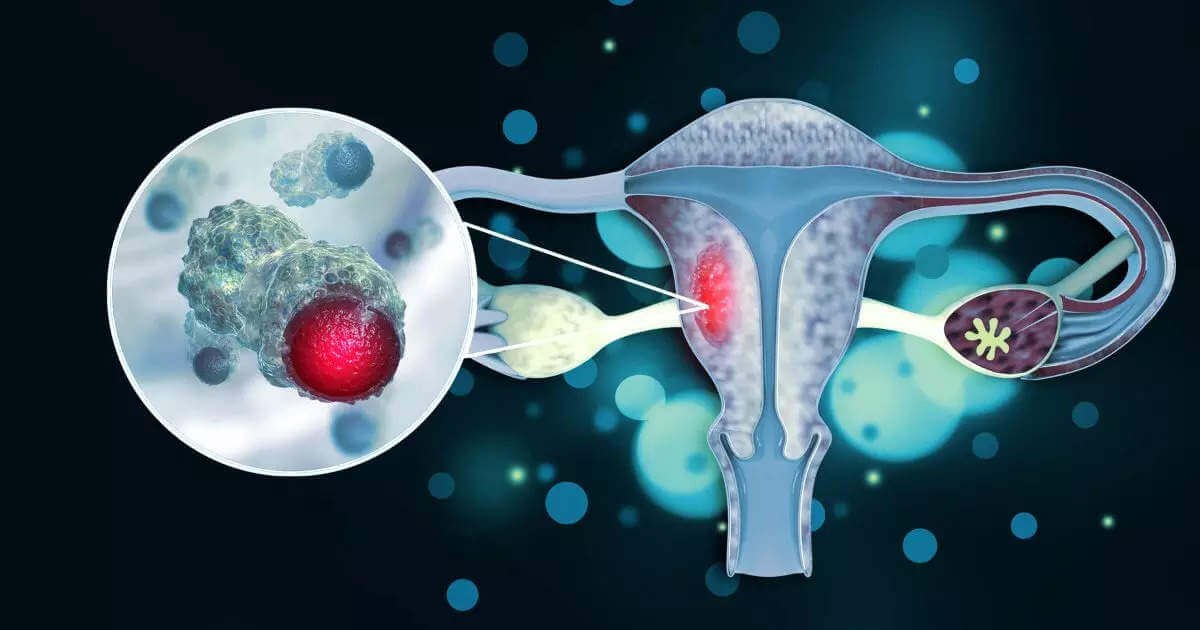
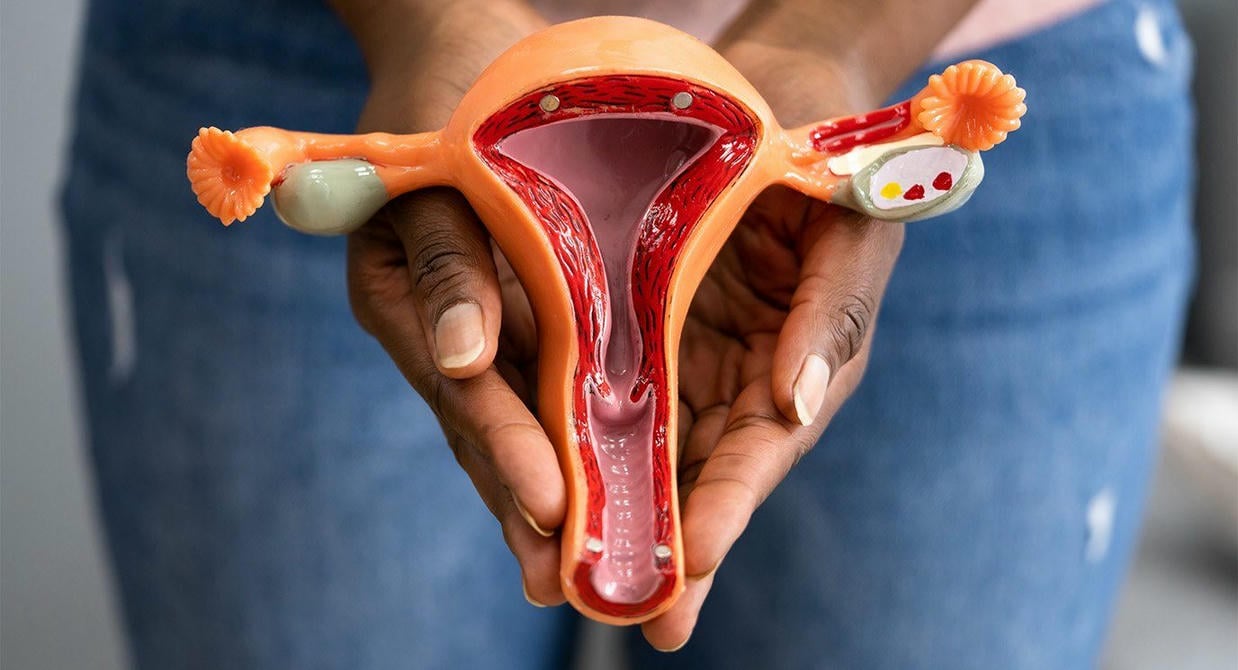
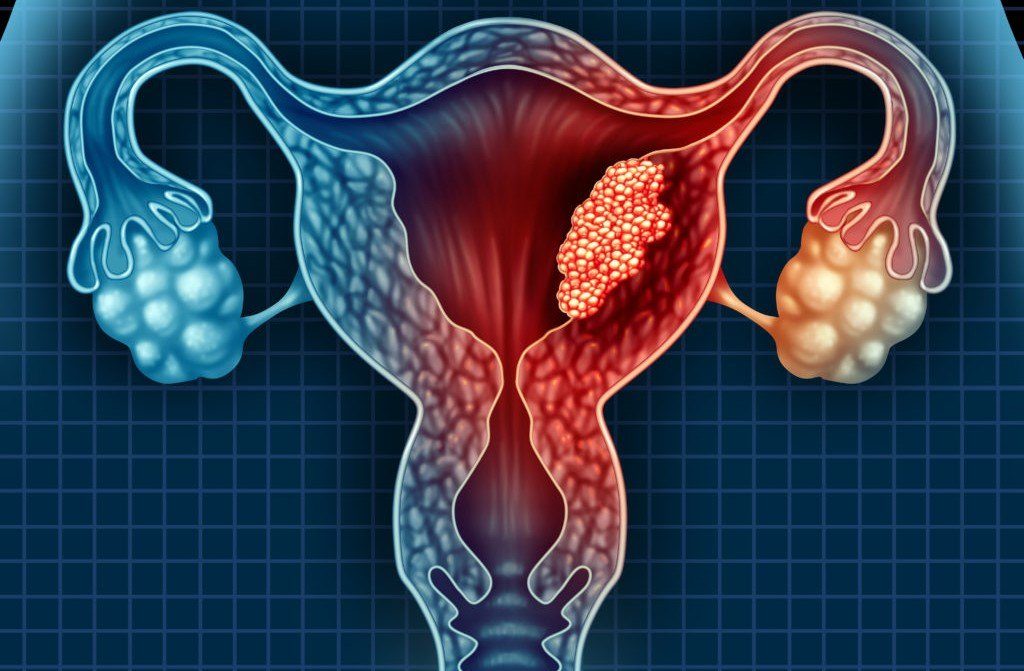
Cervical cancer develops in the cervix; the lower part of the uterus that connects to the vagina. Unlike many cancers, cervical cancer often develops gradually through precancerous cell changes, which is one reason regular screening can make such a difference.
At Karma Ayurveda, people exploring Ayurvedic cervical cancer treatment often want support that goes beyond the diagnosis. They may be dealing with fatigue, appetite changes, treatment side effects, emotional stress or simply the challenge of getting through normal days while undergoing cancer care.
Our approach is to support those areas carefully, without making promises that Ayurveda can replace established cancer treatment.
The Karma Ayurveda Edge
A cervical cancer diagnosis doesn't tell the whole story.
Two women may have the same type of cancer but completely different experiences with treatment, appetite, energy, digestion and emotional wellbeing.
So when someone approaches us for Ayurvedic treatment for cervical cancer, we first try to understand the person behind the diagnosis.
Our assessment may take into account:
- Biopsy and pathology reports
- HPV status where available
- Cancer type and stage
- Imaging reports
- Lymph-node involvement
- Previous or planned surgery
- Radiation or chemotherapy
- Targeted or immunotherapy treatment
- Current medicines
- Appetite and weight
- Digestion and bowel habits
- Menstrual or menopausal history
- Sleep and energy levels
- Other health conditions
Staging is particularly important because it helps the medical team determine how far the cancer has spread and which treatments may be appropriate.
What Exactly Causes Cervical Cancer?
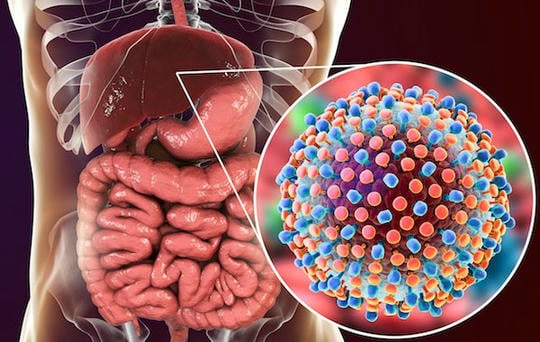
If you search for cervical cancer causes, you'll keep coming back to one major factor: persistent infection with high-risk HPV.
HPV is extremely common, and most infections clear naturally within a year or two. The concern arises when a high-risk HPV infection persists for years and causes changes in cervical cells. Those precancerous changes can eventually develop into cancer if they aren't detected and treated.
And here's something important: having HPV does not mean you have cervical cancer.
An HPV-positive result means you need appropriate follow-up according to your healthcare provider's advice. It is not a cancer diagnosis.
The Common Contributors
Some recognised cervical cancer risk factors include:
- Persistent high-risk HPV infection
- Smoking or exposure to secondhand smoke
- A weakened immune system
- HIV infection
- Becoming sexually active at a younger age
- Having multiple sexual partners, which can increase the chance of HPV exposure
- Long-term use of oral contraceptives in certain circumstances
- Having multiple full-term pregnancies
- Certain inherited or reproductive factors
- Rare exposure to DES before birth
HPV remains the most important risk factor. Smoking can also make it harder for the body to control HPV infection and is associated with a higher risk of cervical cancer.
The good news is that cervical cancer is highly preventable. HPV vaccination and regular screening can help prevent many cases or identify precancerous changes before they become cancer.
Cervical Cancer Symptoms You Shouldn't Ignore
One tricky thing about cervical cancer is that early disease may cause no symptoms at all.
When symptoms do appear, abnormal vaginal bleeding is one of the most important things to notice.
Possible cervical cancer symptoms include:
- Bleeding after sexual intercourse
- Bleeding between periods
- Periods that become unusually heavy or last longer
- Vaginal bleeding after menopause
- Watery or unusual vaginal discharge
- Discharge containing blood
- Pelvic pain
- Pain during intercourse
- Lower-back discomfort
- Difficulty or pain while urinating in advanced disease
- Swelling of the legs in advanced disease
- Blood in the urine or rectal bleeding in advanced disease
Of course, these symptoms can have many other causes. A cervical infection, hormonal changes, fibroids or other gynecological conditions can cause similar problems.
But persistent abnormal bleeding should never be brushed off.
How We Assess Patients at Karma Ayurveda
An Ayurvedic cervical cancer specialist needs to know where the patient is in her treatment journey.
Someone newly diagnosed may have very different concerns from someone recovering after surgery or completing radiation.
We may look at:
- Current cancer treatment
- Appetite
- Weight changes
- Digestion
- Bowel habits
- Sleep
- Energy
- Physical activity
- Menstrual or menopausal changes
- Current medicines
- Existing health conditions
- Lifestyle and daily routine
From an Ayurvedic perspective, digestion, metabolism, tissue nourishment and Dosha-related factors may also be considered.
The intention is straightforward: build supportive care around the person without interfering with necessary cancer treatment.
Ayurvedic Therapies Commonly Used for Cervical Cancer Support
Let's keep this part honest.
There is no established Ayurvedic therapy proven to eliminate cervical cancer.
Ayurveda may instead be considered as complementary support for areas such as nutrition, digestion, relaxation, daily routine and general wellbeing.
Shamana Chikitsa
Individualised Ayurvedic medicines may be considered according to the person's condition.
But cancer treatment is not the right time for experimenting with random herbal mixtures found online. Some herbs can interact with chemotherapy, radiation-related medicines, blood thinners or other drugs.
Dietary Guidance
Cancer treatment can change appetite and food tolerance.
Instead of creating a long list of foods that are supposedly “forbidden,” the focus can be on nourishing meals that are practical, digestible and appropriate for the person's treatment and nutritional needs.
Gentle Abhyanga
When medically suitable, gentle oil massage may help with relaxation and general comfort.
It should not be performed over tumors, surgical wounds, radiation-treated skin or other sensitive areas unless the treating team approves it.
Gentle Yoga and Breathing
Light stretching, breathing exercises and appropriate movement can help maintain activity and relaxation.
The intensity should always match the person's energy, treatment status and medical advice.
What Can You Do at Home to Support Your Health?
If you're looking for Ayurvedic treatment for cervical cancer at home, don't feel that you need to completely reinvent your life overnight.
Small, consistent habits can be more realistic.
- Eat nourishing meals regularly.
- Include adequate protein when appropriate.
- Drink enough fluids according to your medical needs.
- Keep an eye on unexplained weight loss.
- Stay gently active when your condition allows.
- Prioritise sleep.
- Avoid tobacco.
- Limit alcohol as advised.
- Take prescribed medicines on schedule.
- Keep all follow-up appointments.
- Discuss herbs and supplements with your medical team before using them.
And don't forget something very basic but incredibly important: keep up with recommended cervical screening even when you feel completely fine.
Screening can identify HPV infection or abnormal cervical-cell changes before cancer develops.
Can Ayurveda Support Cervical Cancer Management?
Ayurveda may have a complementary role in cervical cancer management, particularly when the goal is to support nutrition, digestion, lifestyle, strength and quality of life.
But complementary care should remain complementary.
There is no established Ayurvedic cure for cervical cancer that reliably eliminates the disease.
Depending on the cancer type and stage, conventional treatment may include surgery, radiation therapy, chemotherapy, targeted therapy or immunotherapy. Some patients may receive more than one form of treatment.
Treatment can also depend on whether preserving fertility is important to the patient, particularly in certain early-stage cancers. These discussions need to happen with the gynecologic oncology team before treatment begins.
If you're considering Ayurvedic treatment in cervical cancer, the safest approach is to use it alongside; not instead of; appropriate cancer care.
When Should You See a Specialist?
Don't wait for symptoms to become severe.
It is worth speaking with a gynecologist if you notice:
- Bleeding after sex
- Bleeding between periods
- Periods suddenly becoming much heavier
- Bleeding after menopause
- Persistent unusual vaginal discharge
- Pelvic pain
- Pain during intercourse
- Unexplained changes in your usual menstrual pattern
And even if you feel perfectly healthy, stay up to date with cervical cancer screening according to the recommendations applicable to you.
Cervical cancer can be present without symptoms, which is why screening is so valuable.
A Little More Attention Today Can Make a Big Difference Tomorrow
Cervical cancer is one of those conditions where prevention and early detection genuinely matter.
An HPV test, a Pap test, a vaccination appointment or simply getting unusual bleeding checked may feel like small things. But small things can sometimes prevent a much bigger problem.
At Karma Ayurveda, our approach to Ayurvedic cervical cancer treatment is about supporting the woman throughout her journey; not promising a shortcut around cancer treatment.
We focus on areas such as nutrition, digestion, lifestyle, strength and everyday wellbeing while keeping appropriate medical care at the centre.
For anyone considering Ayurvedic treatment for cervical cancer, the aim should be clear: personalised complementary support, honest guidance and a plan that works alongside the treatment recommended by your medical team.