































Ayurvedic Colon Cancer Treatment: Supporting Digestive Health and Overall Wellbeing
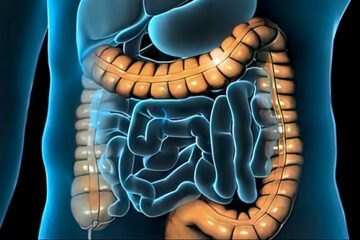
Colon cancer develops in the tissues of the colon, which forms a major part of the large intestine. It may begin as a polyp and can sometimes progress without obvious symptoms, making timely screening and medical evaluation especially important.
Ayurvedic care may have a supportive role in maintaining nutrition, digestion, strength, and overall wellbeing during cancer care, but it should not replace surgery, chemotherapy, radiation, targeted therapy, or other evidence-based cancer treatment when these are recommended.
The Karma Ayurveda Edge
At Karma Ayurveda, we understand that cancer care is not simply about one symptom or one report. Colon cancer can differ significantly from one person to another depending on its location, stage, tumor characteristics, overall health, and treatment history.
Our supportive approach begins with understanding the person's medical reports, current treatment, digestive symptoms, appetite, bowel habits, nutritional status, energy levels, lifestyle, and medicines.
From an Ayurvedic perspective, we may also consider digestion, elimination, dietary habits, sleep, daily routine, and individual constitution.
The focus is on supportive Ayurvedic care for colon cancer; helping the person maintain strength and wellbeing while continuing appropriate cancer treatment under qualified medical supervision.
What Exactly Causes Colon Cancer?
Colon cancer does not usually have one single cause. It develops when cells in the colon acquire changes that allow them to grow and multiply abnormally.
Many colon cancers begin as polyps. Some types of polyps can gradually develop into cancer over time, which is one reason screening can be valuable even before symptoms appear.
Factors associated with increased risk include:
- Increasing age
- Personal history of colorectal polyps or cancer
- Family history of colorectal cancer
- Inflammatory bowel diseases such as Crohn's disease or ulcerative colitis
- Certain inherited genetic syndromes, including Lynch syndrome and familial adenomatous polyposis
- Overweight or obesity
- Low physical activity
- Tobacco use
- Alcohol consumption
Not everyone with these risk factors develops colon cancer, and some people develop it without an obvious risk factor.
The Common Contributors
Several lifestyle and health factors may influence colorectal cancer risk.
These can include:
- Lack of regular physical activity
- Excess body weight
- Tobacco use
- Alcohol consumption
- Certain long-standing bowel diseases
- Family history
- Genetic predisposition
- Increasing age
- Previous colorectal polyps
The CDC notes that physical activity, maintaining a healthy weight, avoiding tobacco, and limiting or avoiding alcohol can help reduce colorectal cancer risk.
But prevention isn't about blaming yourself for every habit you've ever had. Genetics, age, medical history, and other factors matter too.
Colon Cancer Symptoms You Shouldn't Ignore
Colon cancer does not always cause symptoms in its early stages. Some people may have polyps or cancer without knowing it, which is why screening matters.
When symptoms occur, they may include:
- Blood in or on the stool
- Persistent change in bowel habits
- Constipation or diarrhea
- Feeling that the bowel does not empty completely
- Abdominal pain, cramps, or discomfort
- Unexplained weight loss
- Persistent fatigue
- Iron-deficiency anemia
- Changes in stool appearance
- Bloating or fullness
These symptoms can also occur with conditions that are not cancer. However, persistent or unexplained changes should be evaluated rather than simply attributed to "gas" or digestion.
How We Assess Patients at Karma Ayurveda
When someone has colon cancer or symptoms that may suggest a bowel problem, proper medical evaluation comes first.
Relevant information may include:
- Colonoscopy reports
- Biopsy and pathology reports
- CT, MRI, PET, or other imaging when performed
- Cancer stage and tumor location
- Blood investigations
- Hemoglobin and nutritional markers
- Liver and kidney function
- Current cancer treatment
- Previous surgeries
- Chemotherapy or radiation history
- Current medicines and supplements
- Bowel habits
- Appetite and digestion
- Weight changes
- Energy levels
At Karma Ayurveda, we may also assess dietary patterns, digestion, elimination, sleep, lifestyle, and other individual factors from an Ayurvedic perspective.
This helps create supportive care that is better aligned with the person's overall condition rather than applying the same plan to every cancer patient.
Ayurvedic Therapies Commonly Used for Colon Cancer Support
Ayurvedic therapies may be considered for supportive wellbeing, depending on the person's condition and ongoing cancer treatment.
Shamana Chikitsa
Individualized Ayurvedic support may focus on digestion, appetite, general strength, bowel comfort, and overall wellbeing.
Dietary Guidance
Nutrition is particularly important during cancer treatment. Food recommendations may be adjusted according to appetite, digestion, bowel function, weight, treatment side effects, and medical requirements.
Herbal Support
Certain Ayurvedic herbs and formulations may traditionally be used to support digestion and general wellbeing. However, people undergoing cancer treatment should not start herbs or supplements without discussing them with their oncologist and Ayurvedic practitioner.
Some herbs or supplements can interact with medicines or affect how cancer treatments work.
Gentle Abhyanga
When medically appropriate, gentle oil massage may support relaxation and physical comfort.
Yoga and Breathing Practices
Gentle movement, stretching, and appropriate breathing practices may support mobility, relaxation, and general wellbeing when the person's energy and medical condition allow.
Supportive Ayurvedic Care
The focus is on improving quality of life and supporting the body's overall needs during treatment rather than claiming to eliminate cancer.
There is no established Ayurvedic cure for colon cancer that has been shown to reliably eradicate the disease or replace evidence-based cancer treatment. Conventional cancer care remains essential when surgery, chemotherapy, radiation, targeted therapy, immunotherapy, or other treatments are indicated.
What Can You Do at Home to Support Overall Health?
Focus on Nutrition
Try to maintain adequate nutrition and calories, especially during cancer treatment. If appetite is poor, smaller and more frequent meals may be easier to manage.
Stay Physically Active When Able
Appropriate physical activity can support general health. The level should be adjusted according to energy, treatment side effects, surgery, and medical advice.
Stay Hydrated
Adequate fluid intake can support general wellbeing and bowel function, unless your doctor has advised a fluid restriction.
Pay Attention to Bowel Changes
Keep track of constipation, diarrhea, bleeding, abdominal pain, or other changes and tell your healthcare team.
Avoid Tobacco
Stopping tobacco use can benefit overall health and cancer care.
Be Careful With Supplements
"Natural" does not automatically mean "safe during chemotherapy." Always tell your oncology team about herbs, supplements, powders, and concentrated extracts before using them.
Keep Your Follow-Ups
Cancer follow-up appointments, imaging, blood tests, colonoscopies, and other recommended evaluations should not be replaced by alternative therapies.
Can Ayurveda Support Colon Cancer Management?
Ayurveda may provide supportive care during colon cancer management, particularly around nutrition, digestion, lifestyle, relaxation, and overall wellbeing.
However, it is important to distinguish supportive care from cancer treatment.
There is no established Ayurvedic treatment that can reliably cure colon cancer or replace treatments such as surgery, chemotherapy, radiation, targeted therapy, or immunotherapy when these are medically indicated.
If someone is already receiving cancer treatment, Ayurvedic herbs or therapies should be coordinated with the oncology team. This is especially important because some supplements may interact with cancer medicines.
The aim should be to support the person without compromising necessary cancer treatment.
When Should You See a Specialist?
You should seek medical evaluation if you experience:
- Blood in the stool
- Persistent changes in bowel habits
- Unexplained weight loss
- Persistent abdominal pain or cramps
- Unexplained iron-deficiency anemia
- Persistent fatigue
- A feeling that the bowel is not emptying properly
- Repeated unexplained bowel problems
- A personal history of colorectal polyps
- A family history of colorectal cancer
Screening recommendations depend on age and individual risk. For example, current U.S. guidance recommends routine colorectal cancer screening for average-risk adults from ages 45 to 75, with individualized decisions for ages 76 to 85; people with higher-risk conditions or family history may need earlier or more frequent screening.
If you have severe abdominal pain, persistent vomiting, significant abdominal swelling, heavy rectal bleeding, fainting, or inability to pass stool or gas, seek urgent medical care.
Supporting the Person, Not Just the Disease
A colon cancer diagnosis can bring a lot of questions; about food, digestion, treatment, weakness, and what can be done alongside conventional care.
At Karma Ayurveda, our approach focuses on the person's overall wellbeing. We consider digestion, nutrition, bowel health, lifestyle, energy levels, medical history, and ongoing cancer treatment while developing supportive Ayurvedic guidance.
The goal is not to make unrealistic promises. It is to provide individualized supportive care for colon cancer, help maintain quality of life, and work responsibly alongside the medical treatment the person needs.