





Karma Ayurveda Hospital in Pitampura: Personalized Ayurvedic Care for Kidney Health
If you are looking for Karma Ayurveda Hospital in Pitampura for kidney-related concerns, the focus is on understanding your reports, symptoms, diet, and medical history before planning your care. The clinic follows an individualized Ayurvedic approach, with dietary and lifestyle guidance alongside treatment and regular monitoring.
Kidney problems rarely arrive with a neat little instruction manual. One day you are perfectly fine, and the next, your report has words like “creatinine,” “eGFR,” or “proteinuria” staring back at you. Naturally, questions follow: What should I eat? Is my kidney function getting worse? Can Ayurveda help? Who should I consult?
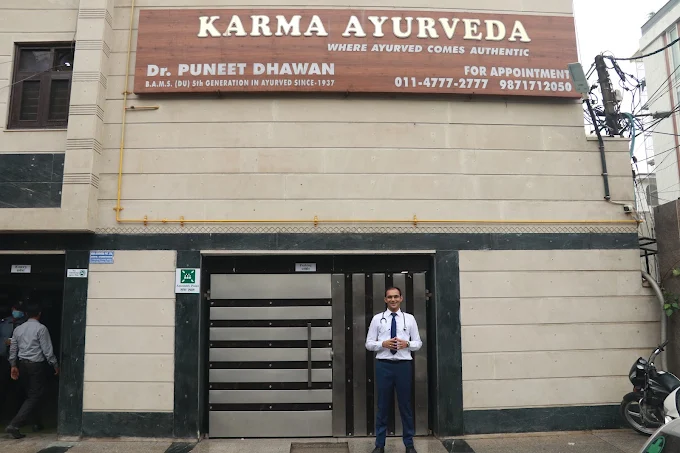
For people in North Delhi and nearby NCR areas, Karma Ayurveda Hospital in Pitampura provides an option for patients looking for Ayurvedic kidney care and physician consultation.
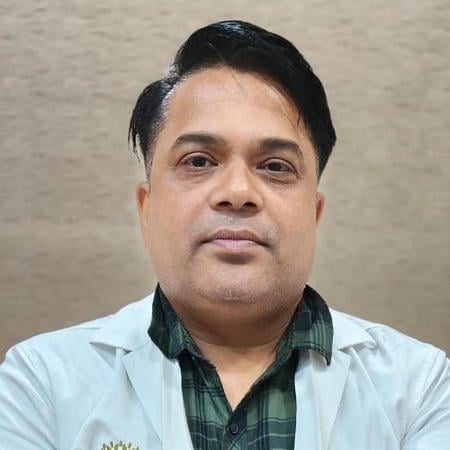
The centre is associated with Dr. Puneet Dhawan, a fifth-generation Ayurvedic physician, according to Karma Ayurveda's published profile.
Why Choose Karma Ayurveda Pitampura?
Kidney care is not something that should be handled with a one-size-fits-all checklist. A person with mildly elevated creatinine may have very different needs from someone dealing with long-standing CKD, swelling, protein in urine, diabetes, or blood-pressure concerns.
At Karma Ayurveda Hospital in Pitampura, the stated approach is centered around reviewing the individual's condition and creating personalized guidance rather than simply handing over a generic diet chart.
Here are some of the areas patients can expect attention to:
In-Depth Report Analysis: Kidney function tests, urine reports, previous prescriptions, symptoms, and medical history can provide important clues about a patient's current condition. Karma Ayurveda describes its approach as being based on reviewing individual reports and health history before creating personalized guidance.
Customized Dietary & Lifestyle Guidance: Kidney-friendly eating isn't simply about removing salt and hoping for the best. Food choices may need to be considered alongside kidney function, blood pressure, diabetes, potassium, protein requirements, and other individual factors. A personalized renal/Ayurvedic diet plan can help make these instructions easier to follow.
Dedicated Follow-Up Support: Kidney care doesn't end after one consultation. Reports and symptoms can change over time, so regular follow-ups and monitoring can help doctors understand how a patient is progressing.
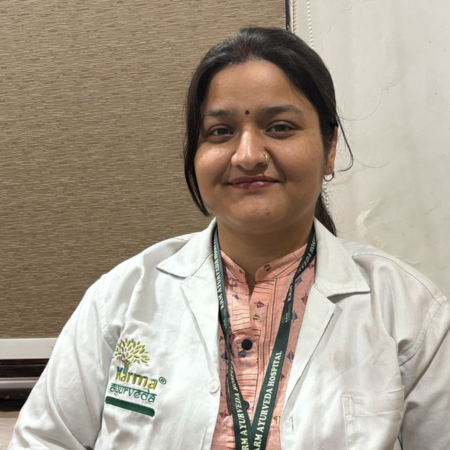
Ayurvedic Physician Consultation: Patients interested in Ayurvedic treatment for kidney in Delhi can discuss their condition directly with an Ayurvedic physician and understand where Ayurvedic care may fit alongside their existing medical treatment.
Convenient Local Access: For patients living around Pitampura, Rohini, Shalimar Bagh, Punjabi Bagh and other parts of North Delhi, a local consultation can make regular follow-ups more manageable.
It is worth remembering that Ayurveda should not be used as a reason to discontinue medically necessary dialysis, transplant-related care, or prescribed treatment. Karma Ayurveda's current published information also states that Ayurvedic treatment is intended alongside existing medical care when dialysis or transplant is medically necessary.
What Makes Personalized Kidney Care Different?
Two people can have the same creatinine number and still have very different health situations.
That is why a consultation should look beyond one number on a laboratory report.
For example, a physician may want to understand:
- How long the kidney problem has been present
- Recent creatinine and eGFR values
- Urine protein or albumin results
- Blood pressure and blood sugar
- Existing medicines
- Swelling, fatigue, changes in urination or appetite
- Previous treatment history
- Everyday diet and water intake
This broader picture can make a consultation much more useful than simply asking, “How do I reduce creatinine?”
Patients searching for the best hospital for kidney treatment in Pitampura or the Best hospital for kidney treatment in Delhi should also look beyond search-engine labels. Ask practical questions: Will someone properly review my reports? Will my diet be explained? Can I discuss my existing medicines? Will there be follow-up? And will the doctor tell me when conventional medical care is urgently needed?
Those questions matter much more than a fancy title on a website.
The Consultation Journey
What to Expect During Your Visit
A kidney consultation at Karma Ayurveda Hospital in Pitampura can be approached as a step-by-step process.
Step 1: Book Your Slot
Advance appointment booking can help reduce unnecessary waiting and allow the consultation team to organize the visit. If you already have recent reports, keep them ready before your appointment.
Step 2: Bring Your Medical History
Carry your recent medical documents rather than relying on memory. Useful records may include:
- Recent blood tests
- KFT reports
- Urine routine and urine protein reports
- LFT reports where relevant
- Ultrasound or other kidney imaging
- Previous prescriptions
- Blood-pressure and blood-sugar records
- Previous dialysis records, if applicable
And yes, bring the old reports too. That dusty folder everyone keeps “just in case” can suddenly become very useful.
Step 3: One-on-One Physician Consultation
The consultation should look at the complete picture rather than focusing only on creatinine.
Symptoms, lifestyle, food habits, previous treatment, reports, and the progression of the condition can all be discussed. This is particularly relevant for patients exploring Ayurvedic treatment for kidney in Delhi.
Step 4: Receive a Personalized Care Plan
Depending on the individual's condition, the care plan may include Ayurvedic medicines, food recommendations, lifestyle guidance, and instructions for monitoring relevant health parameters.
The important word here is personalized. A diet that works for one kidney patient may not automatically work for another.
Step 5: Regular Follow-Ups
Kidney health needs monitoring. Follow-up consultations allow the physician to review new reports, discuss changes in symptoms, and modify the care plan where appropriate.
This is also where patients can raise the questions that inevitably appear three days after the consultation: “Can I eat this?” “What about that?” “Is this report okay?”
Verified Patient Testimonials & Case Studies
Real Stories of Hope and Recovery
Karma Ayurveda publishes patient testimonials and case stories on its website and YouTube channel. However, the publicly available testimonials I found do not consistently identify the patient as having been treated specifically at the Pitampura branch, so they should not be presented as Pitampura-specific testimonials without additional verification.
For example, Karma Ayurveda's published patient-review page includes a testimonial from Maverick describing treatment for polycystic kidney disease and reporting improvement in his condition.
Another published case involves Revati Devi from Rewari, Haryana. Karma Ayurveda's YouTube channel reports that her creatinine was 3.2 mg/dL and later 2.4 mg/dL, with urea changing from 101.7 to 71.8. The video description attributes these changes to her treatment and says she had previously undergone dialysis twice. These are claims reported by Karma Ayurveda, rather than independently verified clinical outcomes.
Karma Ayurveda's website also features patient stories describing changes in creatinine, swelling, energy, and other kidney-related concerns. Individual outcomes can vary, and testimonials should not be treated as a guarantee of what another patient will experience.
The Role of Dr. Puneet Dhawan
Dr. Puneet Dhawan is described by Karma Ayurveda as a fifth-generation Ayurvedic physician and the doctor leading its kidney-care program. His published profile says that he has a B.A.M.S. degree and that treatment plans are customized according to individual health conditions.
For someone searching for an Ayurvedic kidney specialist, the important part of a consultation is not simply the doctor's name. It is whether your reports are properly reviewed, your existing treatment is understood, and your care plan is appropriate for your particular condition.
That is especially important with kidney disease because some situations require urgent conventional medical intervention.
Important Health Disclaimer
Medical Disclaimer: Kidney disease can range from mild to life-threatening conditions, and treatment needs differ from person to person. Ayurvedic care should not be used to discontinue prescribed medicines, dialysis, transplant-related care, or emergency treatment without guidance from the treating medical team. Results vary depending on the individual's condition, disease stage, underlying cause, and response to treatment. Testimonials represent individual experiences and should not be considered a guarantee of similar results. If you have an acute medical emergency, severe breathing difficulty, chest pain, confusion, very low urine output, severe swelling, or other serious symptoms, seek care at the nearest emergency hospital immediately.