

























Ayurvedic Gallbladder Cancer Treatment: Supporting Digestive Health, Strength and Overall Wellbeing
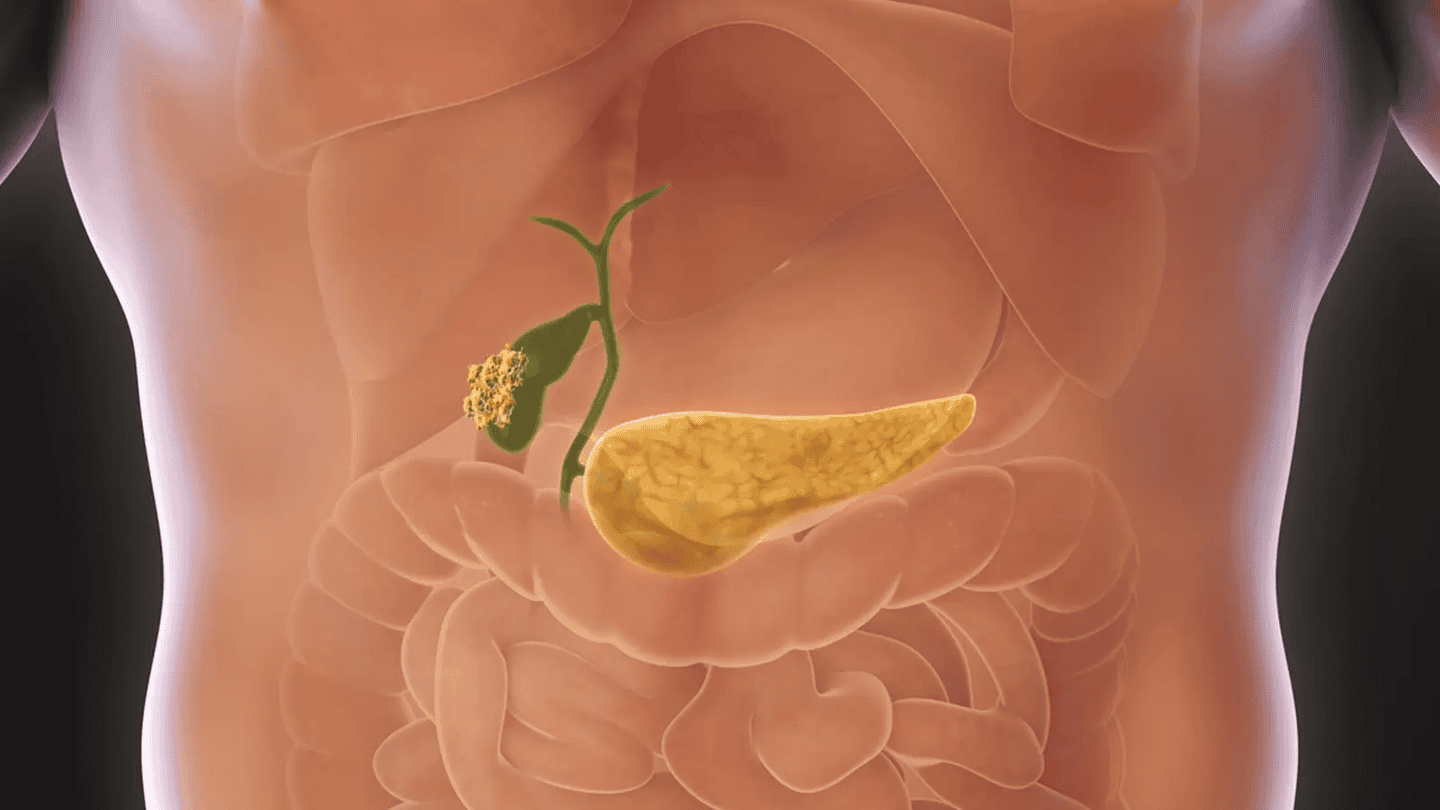
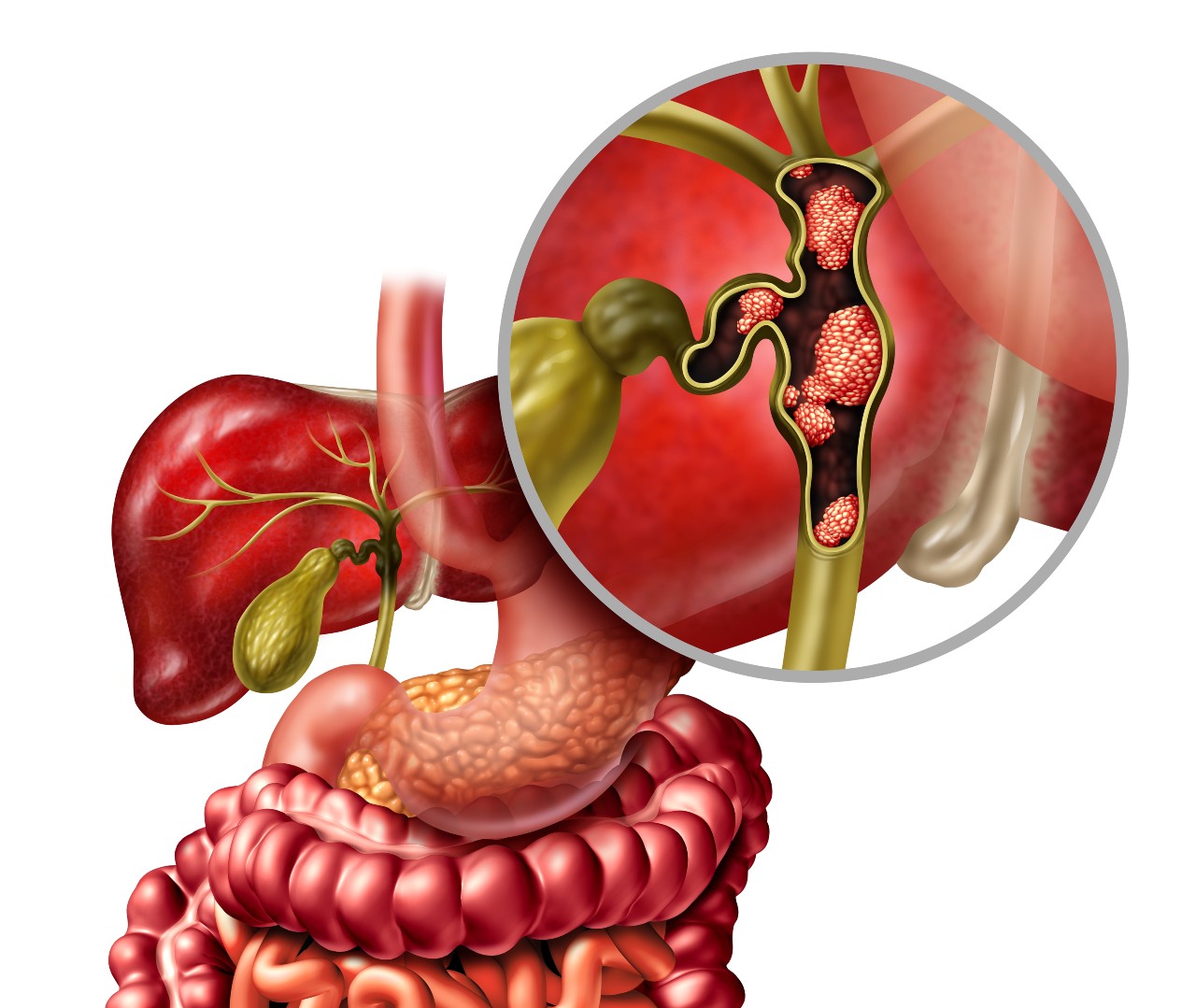
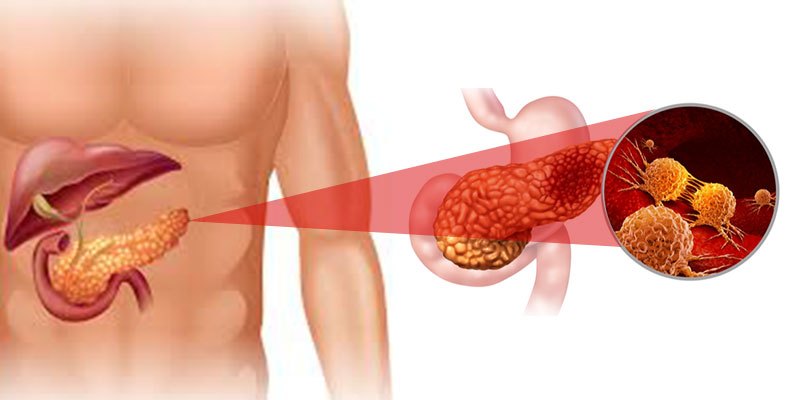
Gallbladder cancer is a rare cancer that begins in the gallbladder, the small organ that stores bile and helps the body digest fats. It can be difficult to spot early because the symptoms may look a lot like common digestive or gallbladder problems.
That is why a persistent change in digestion, unexplained abdominal discomfort, jaundice, or other unusual symptoms should not simply be written off as “just a gallbladder issue.”
At Karma Ayurveda, we focus on supportive Ayurvedic care that works around the person's diagnosis, nutritional needs, symptoms, lifestyle, and ongoing cancer treatment. Ayurveda is not a substitute for necessary cancer treatment, but it may be considered alongside medical care for areas such as digestion, nutrition, strength, and general wellbeing.
The Karma Ayurveda Edge
Gallbladder cancer can behave differently depending on where it starts, how far it has progressed, and whether nearby organs or lymph nodes are involved.
So, simply knowing that someone has “gallbladder cancer” isn't enough to understand what they need.
At Karma Ayurveda, we may look at:
- Ultrasound, CT, MRI, PET, or other imaging
- Biopsy or pathology reports when available
- Tumor location and stage
- Liver and gallbladder findings
- Bile duct involvement
- Previous or ongoing surgery, chemotherapy, radiation, targeted therapy, or immunotherapy
- Liver-function and other relevant blood reports
- Appetite and digestive comfort
- Weight and nutritional changes
- Nausea, vomiting, abdominal discomfort, or jaundice
- Current medicines and supplements
- Sleep, activity, and daily routine
- Individual Ayurvedic assessment
This helps us understand where Ayurvedic support may be appropriate without losing sight of the medical treatment that remains essential.
What Exactly Causes Gallbladder Cancer?
Gallbladder cancer develops when cells in the gallbladder acquire abnormal changes and begin growing uncontrollably.
The exact cause is not always known. However, certain conditions and factors have been associated with an increased risk, including:
- Gallstones
- Long-standing inflammation of the gallbladder
- Certain gallbladder polyps
- Porcelain gallbladder
- Abnormal connections between the bile ducts and pancreatic duct
- Certain inherited conditions
- Increasing age
- Female sex
- Some ethnic and geographic populations having higher rates
Having gallstones does not mean that a person will develop gallbladder cancer. Gallstones are common, while gallbladder cancer is rare.
The Common Contributors
Some factors and conditions associated with gallbladder cancer include:
- Long-standing gallstones
- Chronic gallbladder inflammation
- Certain types of gallbladder polyps
- Porcelain gallbladder
- Bile-duct abnormalities
- Family or inherited risk in some cases
- Increasing age
- Being female
- Certain geographical or population-related factors
- Delayed investigation of persistent gallbladder symptoms
And because gallbladder cancer is uncommon, symptoms alone cannot tell you whether a person has cancer. Proper imaging and specialist evaluation are important.
Gallbladder Cancer Symptoms You Shouldn't Ignore
Early gallbladder cancer may not cause obvious symptoms. Sometimes it is discovered unexpectedly after gallbladder surgery or during investigations for another problem.
When symptoms do appear, they may include:
- Pain in the upper-right abdomen
- Persistent abdominal discomfort
- Nausea or vomiting
- Loss of appetite
- Unexplained weight loss
- Bloating or digestive discomfort
- Fever in some cases
- Yellowing of the skin or eyes
- Dark urine
- Pale or clay-colored stools
- Persistent itching
- An enlarged abdomen
- A lump or fullness in the upper abdomen
These symptoms can occur with gallstones, infections, bile-duct obstruction, hepatitis, and several other conditions. They do not automatically indicate cancer.
However, jaundice, persistent abdominal pain, unexplained weight loss, or progressive digestive symptoms should be medically evaluated.
Seek urgent medical attention for severe abdominal pain accompanied by fever, significant jaundice, repeated vomiting, confusion, or rapidly worsening illness.
How We Assess Patients at Karma Ayurveda
When cancer is involved, there is no room for guesswork.
At Karma Ayurveda, we may review the available medical information, including:
- Ultrasound and other imaging reports
- CT, MRI, or PET findings
- Biopsy and pathology reports
- Tumor location and stage
- Lymph-node or nearby-organ involvement
- Liver-function tests and other blood investigations
- Previous gallbladder surgery
- Chemotherapy, radiation, targeted therapy, immunotherapy, or other treatments
- Appetite and food tolerance
- Weight and nutritional status
- Digestive symptoms
- Bowel changes
- Current medicines and supplements
- Sleep, energy, and activity levels
An Ayurvedic assessment is then used to understand the person's digestion, lifestyle, strength, and other individual factors.
Ayurvedic Therapies Commonly Used for Gallbladder Cancer Support
Ayurvedic therapies in a person with gallbladder cancer need to be selected very carefully, especially when the liver and bile ducts are involved.
Shamana Chikitsa
Individualized Ayurvedic medicines may be considered to support digestion, appetite, strength, and general wellbeing where appropriate.
The suitability of any medicine depends on the person's diagnosis, liver function, cancer treatment, and other medications.
Herbal Support
Certain Ayurvedic herbs may be considered for general supportive purposes, but they should never be assumed to be harmless simply because they are natural.
Some herbs and supplements may interfere with chemotherapy, targeted medicines, blood thinners, or liver metabolism. Professional supervision is essential.
Dietary Guidance
Food can become tricky when gallbladder or liver function is affected.
Rather than following an extreme “detox” diet, the focus may be on practical nutrition that the person can tolerate while maintaining adequate calories, protein, and fluids.
Abhyanga
Gentle oil massage may sometimes be used for relaxation and physical comfort when medically appropriate.
It should not be performed over a tumor, surgical wound, infected area, or medically unsuitable region.
Gentle Yoga and Breathing
Simple breathing exercises and gentle movement may support relaxation, sleep, mobility, and daily wellbeing when the person's energy and treatment plan allow them.
These therapies are intended as supportive measures. They should not be presented as a way to dissolve or eliminate a cancerous growth.
What Can You Do at Home to Support Digestive Health?
When dealing with gallbladder cancer, complicated routines are rarely helpful. Simple, practical habits often make more sense.
- Follow your prescribed cancer treatment and appointments.
- Eat smaller meals if large meals feel uncomfortable.
- Choose nutritious foods that you can tolerate.
- Maintain adequate protein and calories according to your nutritional plan.
- Drink fluids according to your doctor's advice.
- Keep track of your weight and appetite.
- Tell your healthcare team about persistent nausea or vomiting.
- Avoid tobacco.
- Avoid or limit alcohol according to medical advice.
- Stay gently active if your condition permits.
- Prioritize sleep and rest.
- Do not start “gallbladder detox” products or herbal supplements without professional advice.
If jaundice, appetite loss, vomiting, or weight loss is getting worse, don't try to manage it at home indefinitely. Your medical team should know about it.
Can Ayurveda Support Gallbladder Cancer Management?
Ayurveda may be used as supportive care for certain aspects of gallbladder cancer, such as nutrition, digestion, relaxation, sleep, general strength, and quality of life.
However, there is no established Ayurvedic cure that reliably eliminates gallbladder cancer or replaces appropriate cancer treatment.
Depending on the stage and characteristics of the cancer, medical treatment may involve surgery, chemotherapy, radiation, targeted therapy, immunotherapy, or combinations of these.
This is particularly important with gallbladder cancer because the disease can sometimes be discovered only after it has involved nearby tissues.
Ayurvedic care should therefore be coordinated with the treating oncologist and other specialists.
When Should You See a Specialist?
Talk to a doctor or specialist if you experience:
- Persistent pain in the upper-right abdomen
- Repeated nausea or vomiting
- Unexplained weight loss
- Persistent loss of appetite
- Yellowing of the eyes or skin
- Dark urine or unusually pale stools
- Persistent itching with other symptoms
- A gallbladder polyp or other abnormal imaging finding
- Recurrent gallbladder problems
- A diagnosis or suspected diagnosis of gallbladder cancer
If gallbladder cancer has already been diagnosed, regular oncology and specialist follow-up is essential.
Supporting Health Beyond the Diagnosis
Gallbladder cancer can bring a long list of challenges; digestive discomfort, changes in appetite, weight loss, fatigue, treatment side effects, and plenty of uncertainty along the way.
At Karma Ayurveda, our focus is on the person behind the diagnosis. Ayurvedic guidance can be tailored around food, digestion, lifestyle, strength, relaxation, and daily routines while respecting the cancer treatment recommended by the medical team.
There is no need for exaggerated promises or miracle claims. Good supportive care is about being practical, careful, and consistent; and helping the person maintain strength and quality of life throughout the journey.