
























Ayurvedic Liver Cancer Treatment: Supporting Liver Health, Strength and Quality of Life
The liver quietly does a lot of heavy lifting every single day. It helps with digestion, metabolism, nutrient processing and filtering substances from the blood. So when someone hears the words “liver cancer,” it can feel overwhelming; not just because of the cancer itself, but because the health of the liver also matters greatly during treatment.
This is where supportive care can become important. At Karma Ayurveda, our approach focuses on understanding the person's overall condition, supporting digestion and nutrition, and helping them maintain strength and day-to-day wellbeing alongside their medical care.
The Karma Ayurveda Edge
With Ayurvedic liver cancer treatment, we don't look at a diagnosis in isolation.
At Karma Ayurveda, we first try to understand the complete picture; what the reports say, how the person is feeling, how well they are eating, what medications they are taking and whether conditions such as cirrhosis or hepatitis are also present.
Depending on the case, this may involve reviewing:
- Liver function tests
- Ultrasound, CT or MRI reports
- AFP and other relevant investigations
- Biopsy and pathology reports when available
- Tumor size, number and location
- Liver condition and cirrhosis status
- Previous or ongoing cancer treatment
- Appetite, digestion and nutritional status
- Current medicines and supplements
- Lifestyle and daily routine
Medical diagnosis and staging remain essential because liver-cancer treatment is selected according to factors such as the extent of the cancer and how well the liver is functioning.
What Exactly Causes Liver Cancer?
There isn't one single cause behind every case.
The most common type, HCC, often develops in people with long-standing liver disease, particularly chronic hepatitis B or C infection or cirrhosis. Other factors can also increase risk.
Some commonly recognised risk factors include:
- Chronic hepatitis B infection
- Chronic hepatitis C infection
- Liver cirrhosis
- Long-term heavy alcohol consumption
- Metabolic dysfunction-associated steatotic liver disease
- Smoking
- Exposure to aflatoxins
- Certain inherited conditions
- Long-standing liver inflammation
Having a risk factor doesn't mean someone will definitely develop cancer, and liver cancer can also occur in people without an obvious known risk factor.
The Common Contributors
When discussing liver cancer causes, it is useful to think beyond one isolated habit or food.
Long-term liver injury is an important part of the picture. Repeated inflammation and damage can create an environment in which abnormal cells may develop.
That is why managing chronic liver conditions, avoiding unnecessary alcohol exposure, maintaining a healthy weight, addressing viral hepatitis and following appropriate medical monitoring can all matter.
For people already diagnosed with liver cancer, however, the focus shifts from simply discussing risk factors to understanding the cancer, protecting remaining liver function and following an appropriate treatment plan.
Liver Cancer Symptoms You Shouldn't Ignore
One tricky thing about liver cancer is that early disease may not always cause obvious symptoms.
As the condition progresses, possible liver cancer symptoms may include:
- Unexplained weight loss
- Loss of appetite
- Feeling full after eating only a small amount
- Persistent discomfort in the upper-right abdomen
- Abdominal swelling
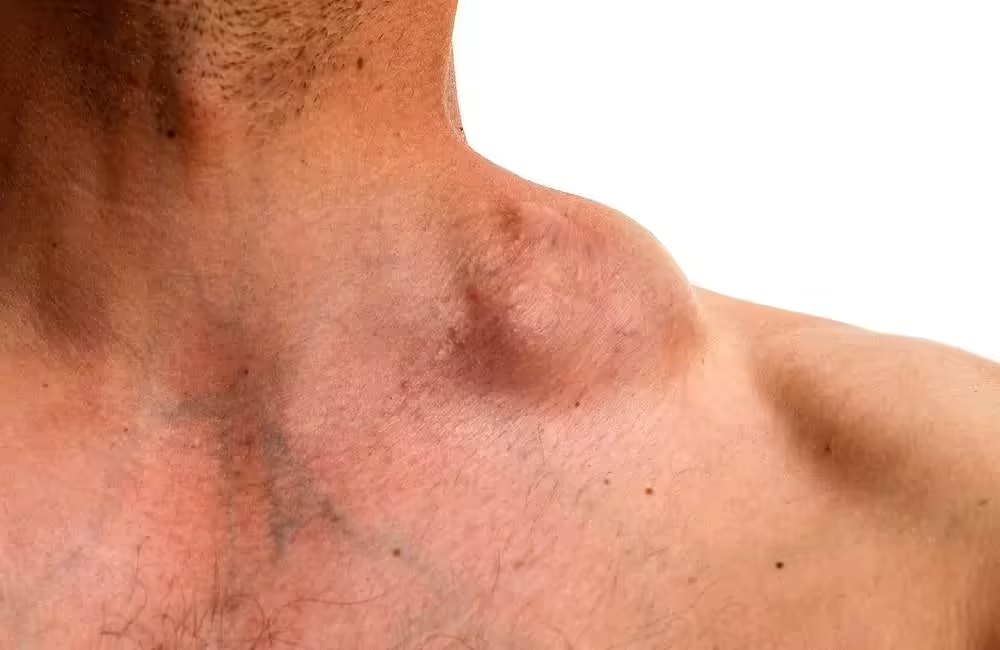
- A lump or fullness beneath the right ribs
- Nausea or vomiting
- Yellowing of the skin or eyes
- Dark urine
- Pale or chalky stools
- Persistent tiredness or weakness
- Easy bruising or bleeding
- Fever
- Pain around the right shoulder blade or back
These symptoms can also occur with conditions other than cancer, so they should not be used for self-diagnosis. Persistent or unusual symptoms deserve proper medical evaluation.
How We Assess Patients at Karma Ayurveda
A major part of Ayurvedic treatment for liver cancer is understanding what is happening with the person as a whole.
We may consider the available medical reports along with digestion, appetite, bowel habits, sleep, energy levels, lifestyle and existing health concerns.
From an Ayurvedic perspective, we may also assess factors related to digestion, metabolism, Dosha balance and tissue nourishment.
The goal is not to replace cancer diagnosis or staging. Rather, it is to understand where supportive Ayurvedic care may fit safely alongside the person's existing medical treatment.
Ayurvedic Therapies Commonly Used for Liver Health Support
Depending on the individual's condition and medical treatment, Ayurvedic care may include supportive approaches such as:
Shamana Chikitsa
Selected Ayurvedic medicines may be considered according to the person's overall condition. Any herbal formulation should be chosen carefully, particularly when the person is undergoing cancer treatment.
Dietary Support
Food choices can be adjusted according to appetite, digestion, nutritional requirements and the person's medical condition.
Gentle Abhyanga
In appropriate cases, gentle oil massage may be used as part of relaxation and general supportive care. It should not be performed over a tumor, surgical wound or an area affected by radiation without medical clearance.
Gentle Movement and Breathing
Simple movement, relaxation practices and breathing exercises may help maintain routine, mobility and emotional comfort when medically appropriate.
It is important to understand what Ayurvedic liver cancer treatment can and cannot realistically do. There is currently no established Ayurvedic treatment proven to eliminate liver cancer or replace evidence-based cancer treatment.
What Can You Do at Home to Support Liver Health?
If you are looking for Ayurvedic liver cancer treatment at home, think support; not extreme remedies.
A few practical habits can make daily life easier:
- Eat smaller, nutrient-dense meals if appetite is low.
- Prioritise adequate protein and calories according to medical advice.
- Stay appropriately hydrated unless your doctor has advised fluid restriction.
- Avoid alcohol.
- Avoid smoking and tobacco.
- Don't experiment with detox drinks or extreme fasting.
- Keep track of weight and appetite.
- Follow the prescribed cancer-treatment schedule.
- Take only supplements or herbs that have been cleared by your treating team.
- Get adequate rest.
- Include gentle physical activity if your medical team considers it safe.
And please don't fall for the “one magical liver detox” idea. The liver already performs complex metabolic and filtering functions. Adding several untested powders and supplements can create more problems than solutions.
Can Ayurveda Support Liver Cancer Management?
Ayurveda may have a supportive role in liver cancer management, particularly around areas such as diet, digestion, strength, routine and general wellbeing.
But it is important to draw a clear line here.
There is no established Ayurvedic cure for liver cancer that has been shown to reliably eliminate the disease. Ayurveda should not be used as a substitute for surgery, ablation, transplant, radiation, embolization, targeted therapy, immunotherapy or other cancer treatments recommended by the oncology team.
Depending on the situation, conventional liver-cancer treatment can include surgery, liver transplantation, ablation, embolization, radiation, targeted medicines and immunotherapy.
If you are considering herbs or Ayurvedic medicines during cancer treatment, discuss them with both your oncologist and qualified Ayurvedic practitioner. Some herbs or supplements can interact with medicines or place additional demands on the liver.
When Should You See a Specialist?
Don't wait for symptoms to become severe.
Seek medical evaluation if you notice persistent abdominal discomfort, unexplained weight loss, jaundice, abdominal swelling, unusual weakness, persistent nausea or other concerning changes.
If you already have cirrhosis, chronic hepatitis or another condition that increases liver-cancer risk, follow the monitoring plan recommended by your doctor.
And if liver cancer has already been diagnosed, timely coordination between the oncology/hepatology team and any complementary-care provider is especially important.
Looking After the Liver While Treating the Cancer
A liver-cancer diagnosis brings plenty of questions, and “What else can I do?” is often one of the biggest.
At Karma Ayurveda, our focus is on answering that question carefully rather than promising a miracle. Ayurvedic liver cancer treatment can be approached as supportive care that considers digestion, nutrition, lifestyle and overall wellbeing while respecting the person's primary cancer treatment.
The most important thing is that the patient doesn't have to choose between responsible cancer care and supportive wellness. With proper coordination, both can have their place.
If you are exploring Ayurvedic treatment for liver cancer, make sure the approach is personalised, transparent and built around your existing medical care; not presented as a replacement for it.