
























Ayurvedic Lung Cancer Treatment: Supporting Respiratory Health, Strength and Everyday Wellbeing
Breathing is something we normally never think about. We inhale, exhale and get on with the day.
That changes when breathing becomes difficult, a cough refuses to settle, or a scan suddenly reveals something concerning in the lungs.
Lung cancer can affect much more than the lungs themselves. Appetite, energy, mobility, sleep and everyday activities may all become harder as the condition or its treatment progresses.
At Karma Ayurveda, people looking for Ayurvedic lung cancer treatment often want to know what they can do alongside their medical care to support their strength, nutrition, digestion and general wellbeing. Our approach starts with understanding the person as a whole while keeping appropriate cancer treatment at the centre.
The Karma Ayurveda Edge
When someone asks about Ayurvedic treatment for lung cancer, the first question shouldn't be, “Which herb should I take?”
It should be, “What exactly is happening?”
At Karma Ayurveda, we may review the person's available medical information, current symptoms, treatment history, nutrition and lifestyle.
This can include:
- CT or PET scan reports
- Chest X-ray findings
- Biopsy and pathology reports
- Cancer type and stage
- Molecular or biomarker testing where relevant
- Lymph-node involvement
- Previous surgery
- Chemotherapy, radiation or immunotherapy history
- Current medicines
- Appetite and weight changes
- Breathing difficulties
- Digestion and bowel habits
- Sleep and energy levels
- Existing health conditions
Diagnosis and staging are essential because treatment decisions depend on factors such as the type and stage of lung cancer, genetic changes in the tumor and the person's overall health.
What Exactly Causes Lung Cancer?
There isn't one universal lung cancer cause.
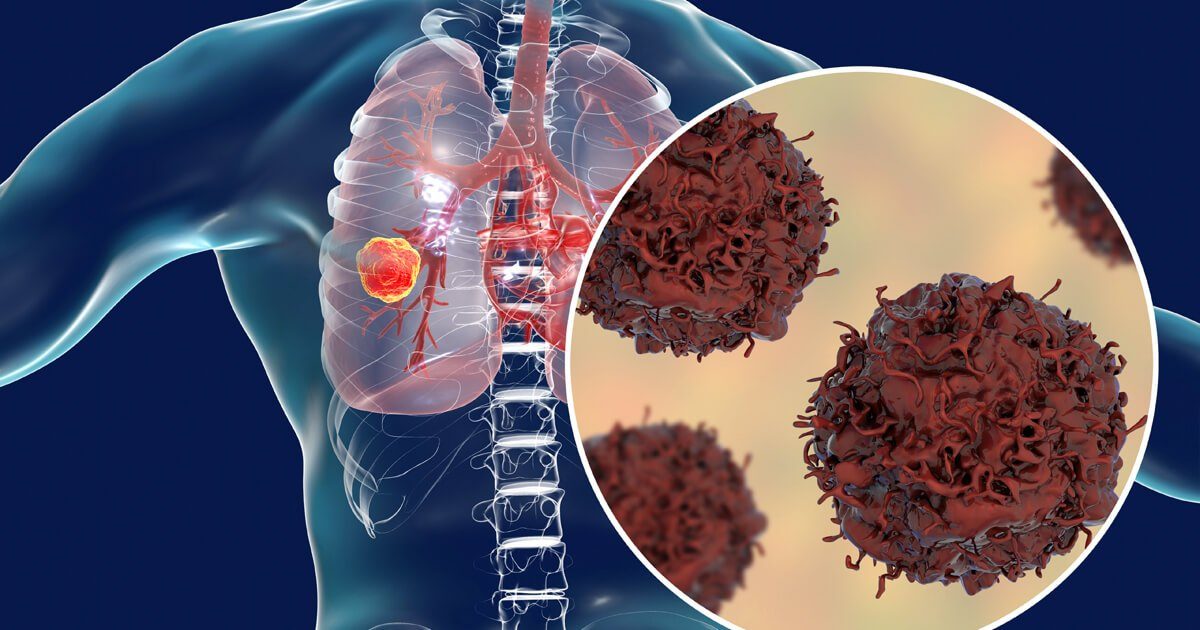
Cancer develops when changes occur in lung cells that affect normal growth and division. Smoking is the most important risk factor, but it isn't the only one. People who have never smoked can also develop lung cancer.
The longer and more heavily someone smokes, the greater the risk. But blaming every case on smoking would be inaccurate.
Lung cancer can also occur in people with no history of tobacco use.
The Common Contributors
Some recognised lung cancer risk factors include:
- Cigarette, cigar or pipe smoking
- Secondhand smoke
- Radon exposure
- Workplace exposure to asbestos and certain chemicals
- Air pollution
- Previous radiation exposure to the chest
- Family history of lung cancer
- Increasing age
- Certain inherited or genetic factors
- HIV infection
Occupational exposures can include substances such as asbestos, arsenic, chromium, beryllium, nickel, soot and tar.
Having a risk factor doesn't mean cancer is inevitable. Likewise, someone without a known risk factor can still develop the disease.
Lung Cancer Symptoms You Shouldn't Ignore
A cough is easy to dismiss.
“It's the weather.”
“It's pollution.”
“It's an allergy.”
Sometimes, of course, it really is one of those things. But a persistent or changing respiratory symptom deserves proper attention.
Possible lung cancer symptoms include:
- A cough that doesn't go away
- A cough that becomes worse over time
- Coughing up blood or blood-streaked sputum
- Chest pain or discomfort
- Shortness of breath
- Wheezing
- Persistent hoarseness
- Difficulty swallowing
- Repeated respiratory infections
- Unexplained weight loss
- Loss of appetite
- Persistent tiredness or weakness
Some people have no symptoms when lung cancer is first discovered, and the cancer may be found incidentally on chest imaging.
If symptoms are persistent, worsening or unusual for you, don't keep guessing the cause at home.
How We Assess Patients at Karma Ayurveda
An Ayurvedic lung cancer specialist needs to understand how the disease and its treatment are affecting the entire person.
For example, someone receiving chemotherapy may have a very different nutritional and digestive situation from someone who has recently undergone surgery.
At Karma Ayurveda, we may look at:
- Appetite and food tolerance
- Weight changes
- Energy levels
- Sleep
- Digestion
- Bowel habits
- Breathing comfort
- Daily activity
- Current medicines
- Cancer-treatment history
- Medical reports
From an Ayurvedic perspective, we may also consider digestion, metabolism, tissue nourishment and Dosha-related factors.
The purpose is to identify appropriate supportive care; not to replace the work of an oncologist, pulmonologist or thoracic specialist.
Ayurvedic Therapies Commonly Used for Support
When discussing Ayurvedic lung cancer treatment, safety matters enormously.
Someone with lung cancer may have reduced respiratory reserve, be recovering from surgery or be receiving medicines that can interact with herbs.
Depending on the individual's condition, supportive approaches may include:
Shamana Chikitsa
Selected Ayurvedic formulations may be considered according to the person's health status.
However, cancer patients should not self-prescribe herbal medicines. Some products may interact with chemotherapy, targeted medicines, immunotherapy, blood thinners or other medications.
Dietary Support
Food may need to be adjusted according to appetite, digestion, treatment-related nausea and nutritional requirements.
The aim is practical nourishment; not an extreme “anti-cancer diet.”
Gentle Abhyanga
In suitable situations, gentle massage may be considered for relaxation and general comfort.
It should be avoided over surgical wounds, radiation-treated skin, tumors or medically sensitive areas unless cleared by the treating team.
Breathing and Gentle Movement
Breathing exercises and gentle movement may be useful for relaxation and maintaining activity when medically appropriate.
They should never be pushed aggressively in someone experiencing significant breathlessness.
These therapies are supportive. There is no established Ayurvedic treatment proven to eliminate a lung-cancer tumor.
What Can You Do at Home to Support Your Health?
If you're searching for Ayurvedic treatment for lung cancer at home, don't turn your home into a laboratory of random powders, juices and supplements.
Keep things sensible.
- Eat nutritious meals based on your tolerance.
- Include adequate protein and calories when recommended.
- Stay appropriately hydrated unless fluid restriction has been advised.
- Stop smoking if you smoke.
- Avoid secondhand smoke as much as possible.
- Avoid alcohol when advised by your healthcare team.
- Maintain gentle physical activity if medically safe.
- Rest when your body needs it.
- Monitor weight and appetite.
- Follow prescribed medicines and treatment schedules.
- Discuss supplements and herbal products with your medical team before taking them.
If breathlessness is increasing, don't simply add another home remedy. Get medical advice.
Can Ayurveda Support Lung Cancer Management?
Ayurveda may be used as complementary care in lung cancer management, particularly around nutrition, digestion, lifestyle, relaxation and general wellbeing.
But there is an important line that should not be blurred.
There is no established Ayurvedic cure for lung cancer proven to reliably eliminate the disease.
Treatment depends on the type and stage of cancer. For non-small cell lung cancer, treatment may include surgery, radiation, chemotherapy, targeted therapy and immunotherapy. Small cell lung cancer may be treated with combinations of chemotherapy, radiation, immunotherapy and, in selected cases, surgery or other procedures.
So, if you are considering Ayurvedic lung cancer treatment, it should be discussed as complementary care rather than used as a substitute for appropriate oncology treatment.
When Should You See a Specialist?
Not every cough is a sign of lung cancer. Most aren't.
But persistent respiratory changes should still be checked.
Speak with a healthcare professional if you have:
- A cough that persists or gets worse
- Blood in your sputum
- Unexplained breathlessness
- Persistent chest pain
- Recurrent bronchitis or pneumonia
- Unexplained weight loss
- Persistent hoarseness
- Difficulty swallowing
- Ongoing unexplained fatigue
If lung cancer is suspected, appropriate imaging and diagnostic testing can help determine what is causing the symptoms. A biopsy is commonly used to confirm the diagnosis when appropriate.
People at high risk may also be eligible for lung-cancer screening with low-dose CT according to established screening criteria.
Supporting More Than Just Breathing
Lung cancer can change the rhythm of everyday life. A walk that once felt effortless may require more planning. Meals may become difficult. Fatigue can make even ordinary tasks feel like work.
That is why supportive care should be practical.
At Karma Ayurveda, our approach to Ayurvedic lung cancer treatment focuses on the individual's nutrition, digestion, lifestyle, strength and overall wellbeing while respecting the need for appropriate cancer treatment.
If you are considering Ayurvedic treatment in lung cancer, the goal should be thoughtful complementary care; with realistic expectations, careful monitoring and open communication with the medical team.