





























Ayurvedic Tongue Cancer Treatment: Supporting Oral Health, Strength and Overall Wellbeing
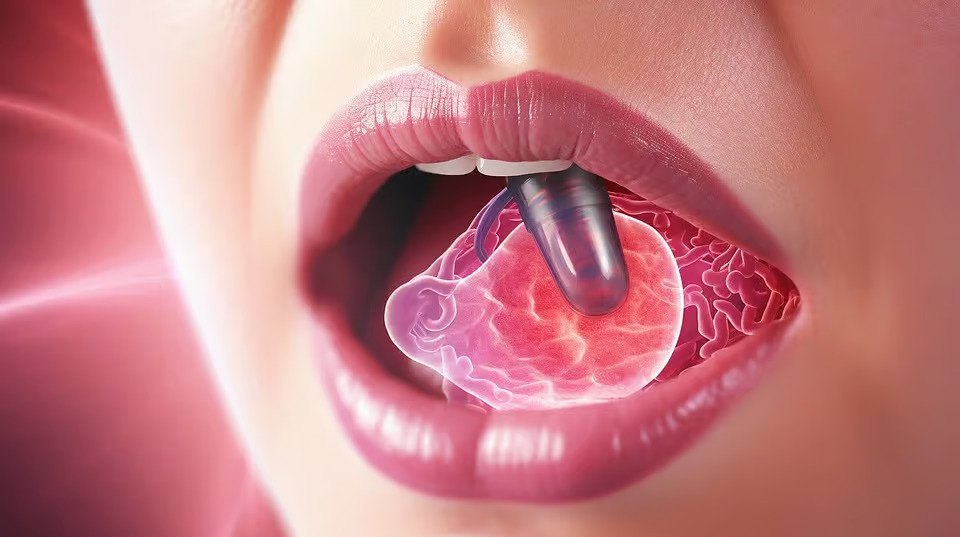
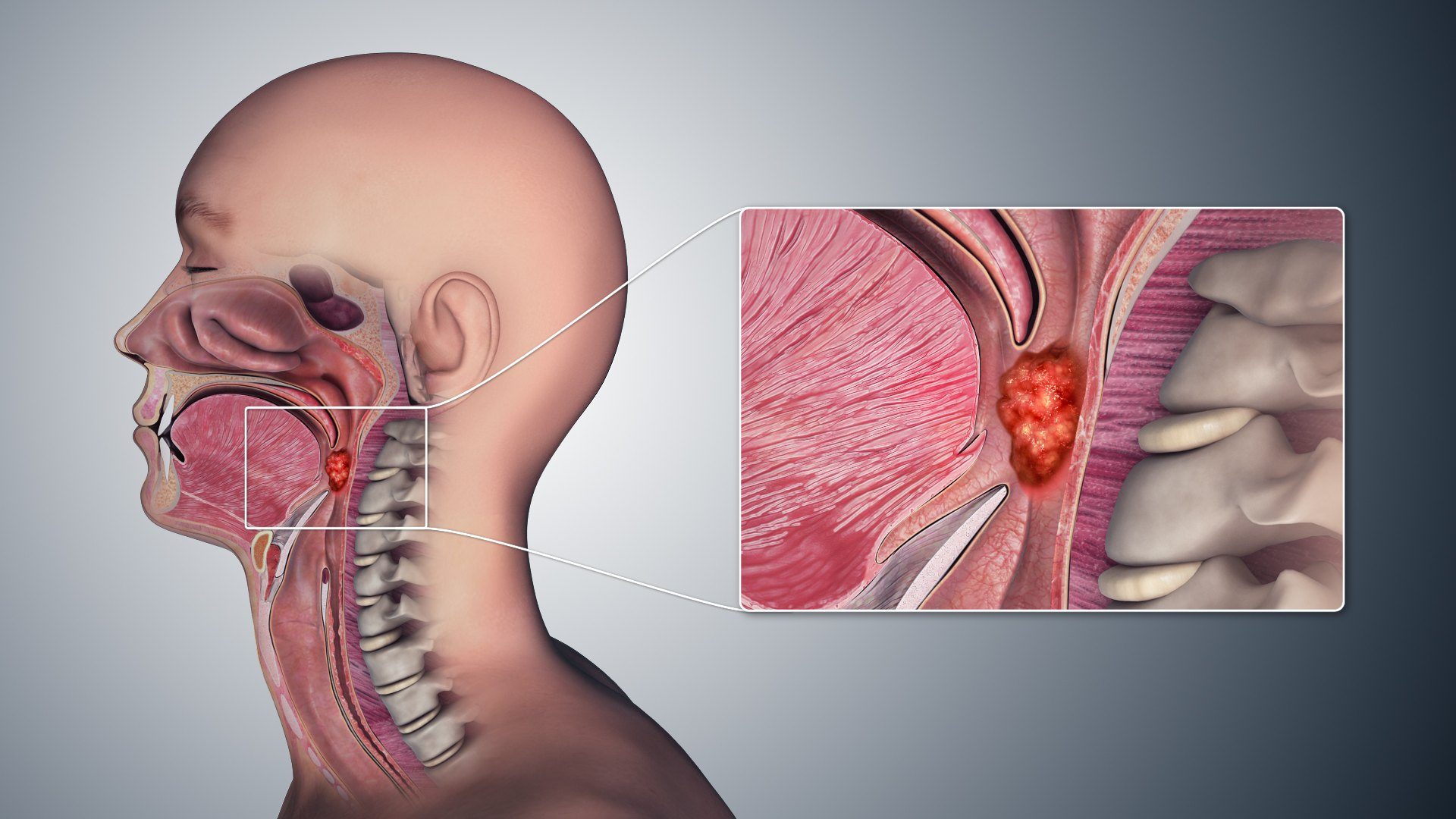
Tongue cancer develops in the cells of the tongue and can affect eating, speaking, swallowing, and everyday oral comfort. A persistent sore, lump, patch, or unexplained change in the tongue should not be ignored, especially when it does not heal.
At Karma Ayurveda, our approach focuses on supportive Ayurvedic care tailored to the individual's symptoms, nutrition, lifestyle, overall health, and ongoing medical treatment. Ayurveda should complement, not replace, appropriate cancer care such as surgery, radiation, chemotherapy, targeted therapy, or immunotherapy.
The Karma Ayurveda Edge
Tongue cancer can differ significantly depending on its location, size, stage, pathology, and spread. Treatment can also affect nutrition, speech, swallowing, and overall strength.
At Karma Ayurveda, we look at the person's complete health picture before planning supportive care. We may review:
- Biopsy and pathology reports
- Tumor location and stage
- CT, MRI, PET, or other imaging reports
- Previous or ongoing surgery, radiation, chemotherapy, targeted therapy, or immunotherapy
- Pain and oral discomfort
- Ability to chew and swallow
- Appetite and food tolerance
- Weight and nutritional status
- Speech and tongue movement
- Sleep, energy, and daily routine
- Current medicines and supplements
- Individual Ayurvedic assessment
This allows supportive Ayurvedic guidance to be planned around the person's existing cancer care.
What Exactly Causes Tongue Cancer?
Tongue cancer begins when cells in the tongue develop abnormal changes that cause them to grow uncontrollably.
Several factors can increase the risk, including:
- Tobacco use in cigarettes or smokeless tobacco
- Excessive alcohol consumption
- Persistent infection with certain high-risk types of human papillomavirus (HPV), particularly for cancers of the base of the tongue/oropharynx
- Increasing age
- Previous head and neck cancer
- Certain genetic or inherited factors
- Long-term exposure to other harmful substances
Not everyone with these risk factors develops tongue cancer, and some people develop it without an obvious risk factor.
The Common Contributors
Factors associated with increased risk can include:
- Regular smoking
- Chewing tobacco, gutkha, khaini, or similar products
- Heavy alcohol consumption
- Combining tobacco and alcohol
- Persistent high-risk HPV infection
- Previous head and neck cancer
- Poor nutrition
- Increasing age
- Delayed evaluation of persistent oral changes
Tobacco deserves particular attention. A habit that may seem routine can have consequences that are anything but routine.
Tongue Cancer Symptoms You Shouldn't Ignore
Possible warning signs of tongue cancer include:
- A sore or ulcer on the tongue that does not heal
- A lump or thickened area on the tongue
- A white or red patch
- Unexplained bleeding
- Persistent tongue pain
- Numbness or reduced sensation
- Difficulty moving the tongue
- Difficulty chewing
- Difficulty swallowing
- Speech changes
- Persistent sore throat
- Ear pain without an obvious ear problem
- A loose tooth without a clear dental cause
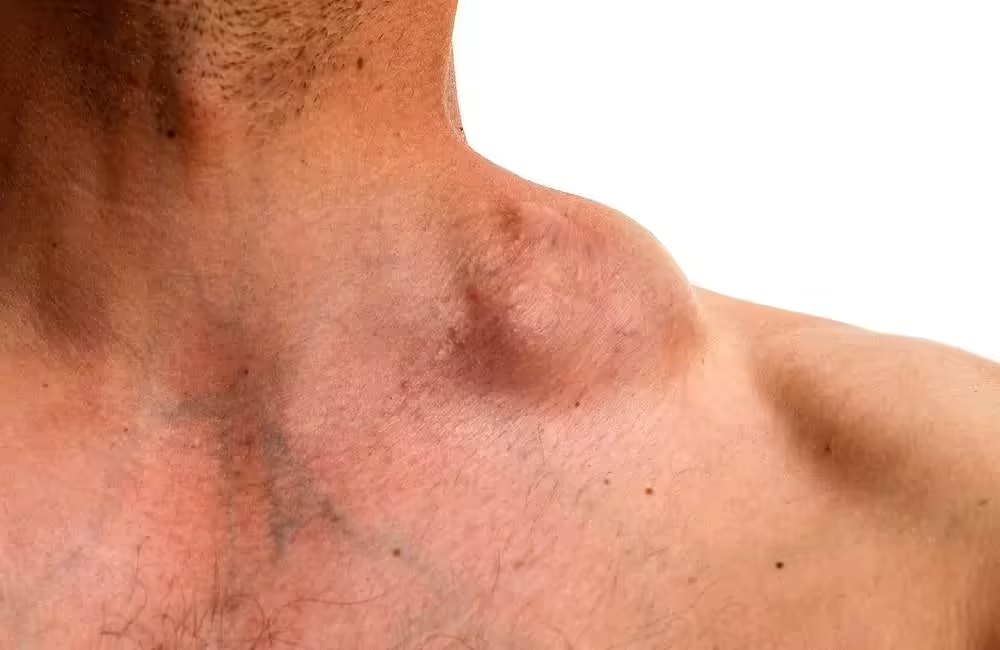
- A lump in the neck
- Unexplained weight loss
These symptoms can also occur with infections, dental problems, injuries, and other non-cancerous conditions. Persistence and progression are important reasons to seek an examination.
Seek urgent medical attention for significant bleeding, severe difficulty swallowing or breathing, rapidly worsening swelling, or other rapidly progressing symptoms.
How We Assess Patients at Karma Ayurveda
A supportive Ayurvedic plan should begin with a clear understanding of the medical diagnosis.
At Karma Ayurveda, we may review:
- Oral examination findings
- Biopsy and pathology reports
- CT, MRI, PET, or other imaging
- Tumor location, size, and stage
- Lymph-node involvement where applicable
- Previous or ongoing cancer treatments
- Pain and swallowing difficulties
- Appetite and food tolerance
- Weight and nutritional status
- Blood investigations where relevant
- Current medicines and supplements
- Sleep, activity, and daily routine
We then use an Ayurvedic assessment to understand digestion, lifestyle, general strength, and other individual factors before suggesting supportive care.
Ayurvedic Therapies Commonly Used for Tongue Cancer Support
Ayurvedic care for tongue cancer should be individualized and coordinated with the treating oncologist, ENT specialist, oral surgeon, dentist, or other members of the cancer-care team.
Depending on the person's condition, supportive care may include:
Shamana Chikitsa
Individualized Ayurvedic medicines may be considered to support digestion, strength, general wellbeing, and symptom management.
Herbal Support
Selected Ayurvedic herbs may sometimes be considered as supportive care. However, herbs and supplements can interact with cancer medicines, affect bleeding, or influence liver metabolism.
For this reason, herbal products should never be started during cancer treatment without professional guidance.
Dietary Guidance
Nutrition is especially important when tongue cancer or its treatment makes chewing, swallowing, or tasting food difficult.
Food guidance may focus on nutritious, easy-to-tolerate foods while ensuring adequate calories, protein, and fluids according to the individual's needs.
Abhyanga
Gentle oil massage may sometimes be used for relaxation and general comfort when medically appropriate. It should not be performed over tumors, surgical wounds, infected areas, or radiation-damaged skin unless specifically cleared by the treating team.
Gentle Yoga and Breathing Practices
Simple breathing and movement practices may support relaxation, sleep, mobility, and general wellbeing when the person's strength and treatment plan allow them.
The objective is supportive care, not claiming that Ayurveda can independently eliminate tongue cancer.
What Can You Do at Home to Support Oral and Overall Health?
During tongue cancer treatment, practical daily habits can help support general wellbeing.
- Follow your prescribed cancer treatment and appointments.
- Choose nutritious foods that are comfortable to chew and swallow.
- Maintain adequate hydration according to medical advice.
- Eat smaller meals more frequently if large meals are difficult.
- Maintain gentle oral hygiene as recommended by your dental or oncology team.
- Avoid tobacco completely.
- Avoid or limit alcohol according to your treating team's advice.
- Track your weight and appetite.
- Tell your healthcare team if swallowing becomes increasingly difficult.
- Get adequate rest and sleep.
- Practice gentle movement if your condition allows it.
- Use only mouth rinses recommended by your healthcare team.
- Avoid starting herbal supplements without discussing them with your oncology team.
If eating becomes difficult or your weight is falling, seek nutritional support early. Waiting until you are severely weak can make recovery more difficult.
Can Ayurveda Support Tongue Cancer Management?
Ayurveda may have a supportive role in tongue cancer care, particularly around nutrition, digestion, general strength, relaxation, sleep, and quality of life.
However, there is no established Ayurvedic cure that reliably eliminates tongue cancer or replaces appropriate cancer treatment.
Depending on the location and stage, treatment may involve surgery, radiation therapy, chemotherapy, targeted therapy, immunotherapy, or combinations of these approaches.
Ayurvedic care should therefore be coordinated carefully with the treating medical team.
The goal is not to replace necessary cancer treatment with herbs or traditional therapies. It is to provide appropriate supportive care alongside it.
When Should You See a Specialist?
Consult a dentist, ENT specialist, oral surgeon, or doctor if you notice:
- A tongue ulcer that does not heal
- A persistent white or red patch
- An unexplained lump or thickened area
- Persistent tongue pain
- Repeated bleeding
- Numbness of the tongue
- Difficulty chewing or swallowing
- Changes in speech
- Difficulty moving the tongue
- An unexplained neck lump
- Unexplained weight loss
- Any oral lesion that is growing or changing
If tongue cancer has already been diagnosed, continue regular follow-up with your oncology and specialist team even if symptoms improve.
Supporting Health Beyond the Diagnosis
Tongue cancer can affect much more than the tongue. Eating, speaking, swallowing, nutrition, energy, sleep, and emotional wellbeing can all become part of the treatment journey.
At Karma Ayurveda, we focus on the individual as a whole and provide personalized Ayurvedic guidance around digestion, nutrition, lifestyle, strength, and overall wellbeing while respecting the medical treatment the person needs.