







Kidney Care in Udaipur: Personalized Ayurvedic Guidance for Better Kidney Health
If you are looking for kidney care in Udaipur, Karma Ayurveda Hospital offers Ayurvedic consultation and personalized guidance based on your reports, symptoms, diet, and overall health.
For people exploring Ayurvedic treatment for kidney in Udaipur, the first step is understanding what is happening with your kidneys instead of simply reacting to one abnormal number on a report.
Why Choose Karma Ayurveda for Kidney Care in Udaipur?
When someone searches for the best hospital for kidney treatment in Udaipur, it is natural to look at location, doctors, treatment options, and patient experiences.
But there is another question worth asking:
Will the healthcare team actually understand my individual case?
Kidney care isn't necessarily a one-size-fits-all situation. Two people can have the same creatinine value and still have very different medical histories, symptoms, dietary needs, and underlying causes.
Karma Ayurveda's Udaipur information describes an approach involving assessment of health needs, personalized dietary guidance, Ayurvedic care, and lifestyle recommendations.
Your Reports Tell a Story
Think of your kidney reports as chapters rather than a single headline.
A creatinine value tells you something, but doctors may also need to consider eGFR, urine findings, blood pressure, blood sugar, previous reports, medications, symptoms, and how these numbers have changed over time.
That is why bringing your complete medical history to a consultation is useful.
Keep your recent KFT reports, urine tests, ultrasound reports, prescriptions, and older reports together. Yes, even the old ones you have forgotten about in the bottom drawer.
Sometimes they provide useful context.
Food Is Part of the Conversation
One of the first things kidney patients often ask is:
“Doctor, ab main khaun kya?”
And honestly, that is a very fair question.
Diet can become complicated when kidney function is reduced. The right amount of protein, salt, fluids, potassium, phosphorus, and other nutrients can vary depending on the person's condition and laboratory findings.
Karma Ayurveda's Udaipur information describes customized dietary guidance based on individual health needs.
The idea is to make dietary advice practical enough to fit into everyday life; not hand you a list of 47 foods and expect you to survive on air and determination.
Lifestyle Matters Too
Kidney health is not only about medicines.
Daily movement, sleep, hydration, food habits, blood pressure management, diabetes control, and other lifestyle factors can all be relevant depending on the person's condition.
A consultation gives you an opportunity to discuss these things rather than trying to figure them out from random internet advice.
Follow-Up Keeps the Picture Clear
A kidney condition can change over time, which is why follow-up is important.
Instead of looking at a single report and immediately panicking; or celebrating; your doctor can compare it with previous results and look at the overall trend.
Depending on the individual case, this may include monitoring creatinine, eGFR, urine protein, blood pressure, swelling, appetite, energy, and other relevant health parameters.
What Happens During a Kidney Consultation?
Step 1: Book Your Consultation
Start by scheduling your consultation.
If you are coming from another part of Rajasthan or from outside Udaipur, booking ahead can make the process considerably easier.
It also gives you time to gather your reports instead of searching for them five minutes before leaving home.
Step 2: Bring Everything Relevant
A little preparation can make the consultation much more useful.
Carry:
- Recent KFT reports
- Creatinine and eGFR results
- Urine routine and urine protein reports
- Ultrasound or other relevant scans
- Blood pressure readings
- Blood sugar reports, if applicable
- Previous prescriptions
- Current medicines
- Supplement details
- Older kidney reports
- Any previous hospital records
If you have reports from six months or one year ago, bring those too.
A trend is often more informative than a single result.
Step 3: Discuss Your Complete Health History
This is the part where the consultation becomes about you, rather than just your laboratory report.
Your physician may discuss your symptoms, food habits, daily routine, hydration, sleep, physical activity, previous treatments, existing health conditions, and medications.
For kidney-related concerns, these details can help provide context around the reports.
Step 4: Understand Your Personalized Plan
Once your reports and history have been reviewed, the next step is to understand the recommended care plan.
Depending on your individual condition, this may include Ayurvedic medicines, dietary recommendations, lifestyle guidance, and follow-up monitoring.
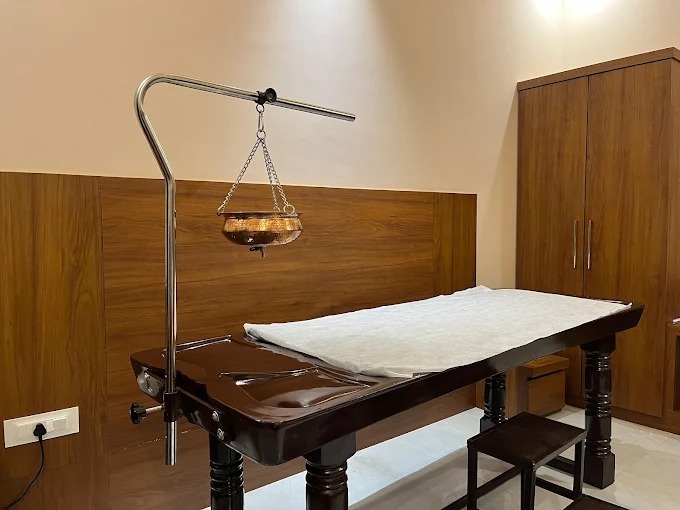
Karma Ayurveda's Udaipur information describes personalized herbal formulations, customized kidney diets, Ayurvedic therapies, and ongoing monitoring as components of its approach.
And this is where you should ask questions.
Lots of them.
“What should I eat?”
“What should I avoid?”
“How often should I repeat my tests?”
“Can I continue my current medicines?”
“When should I come back?”
You are not being difficult by asking. You are being informed.
Step 5: Keep Track of Your Progress
Follow-ups are where you can compare what's happening over time.
Updated reports can be discussed alongside changes in symptoms and daily well-being.
For someone managing a chronic kidney condition, regular medical monitoring remains important regardless of whether they choose Ayurvedic, conventional, or complementary care.
Real Patient Experiences
What Other Patients Have Shared
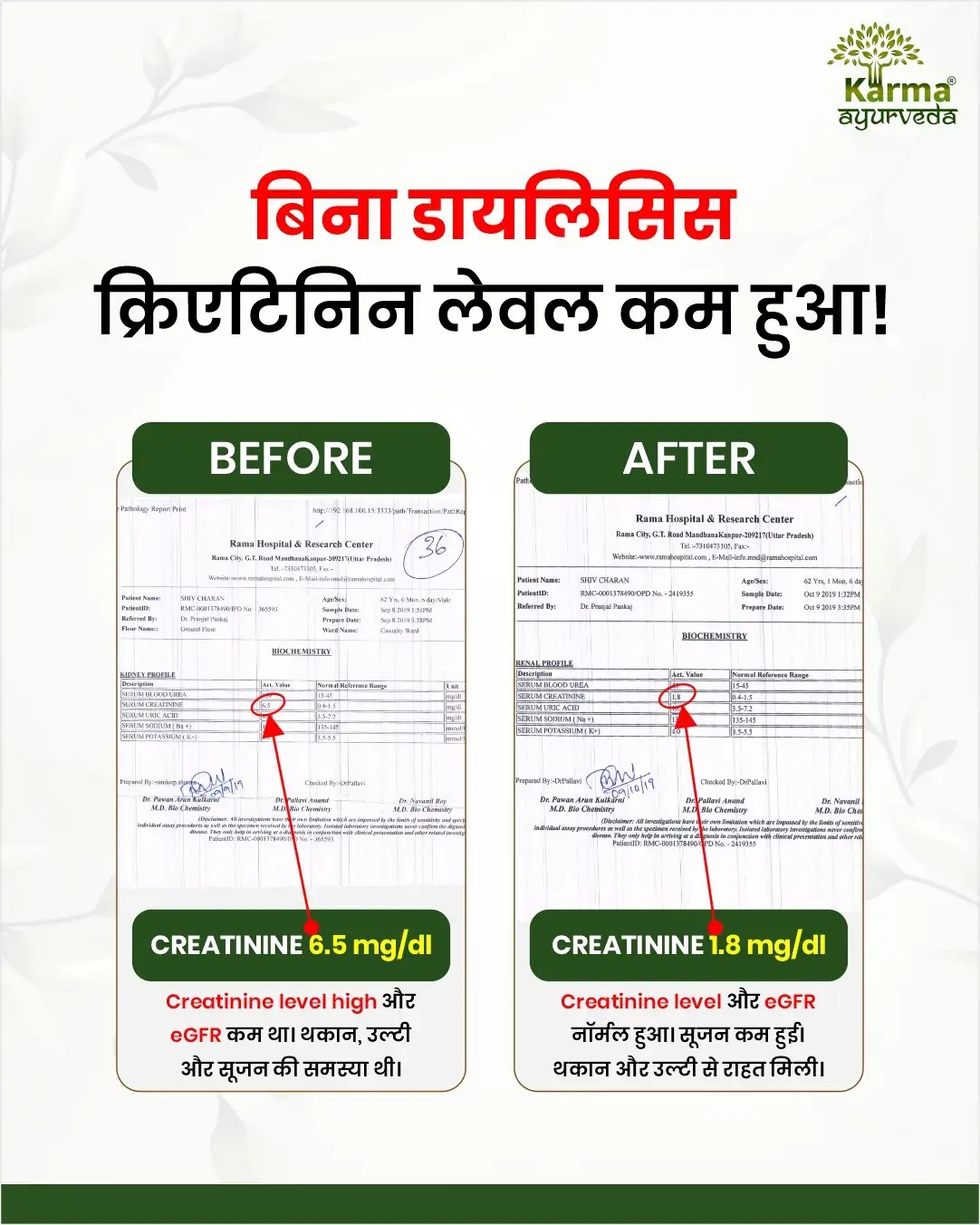
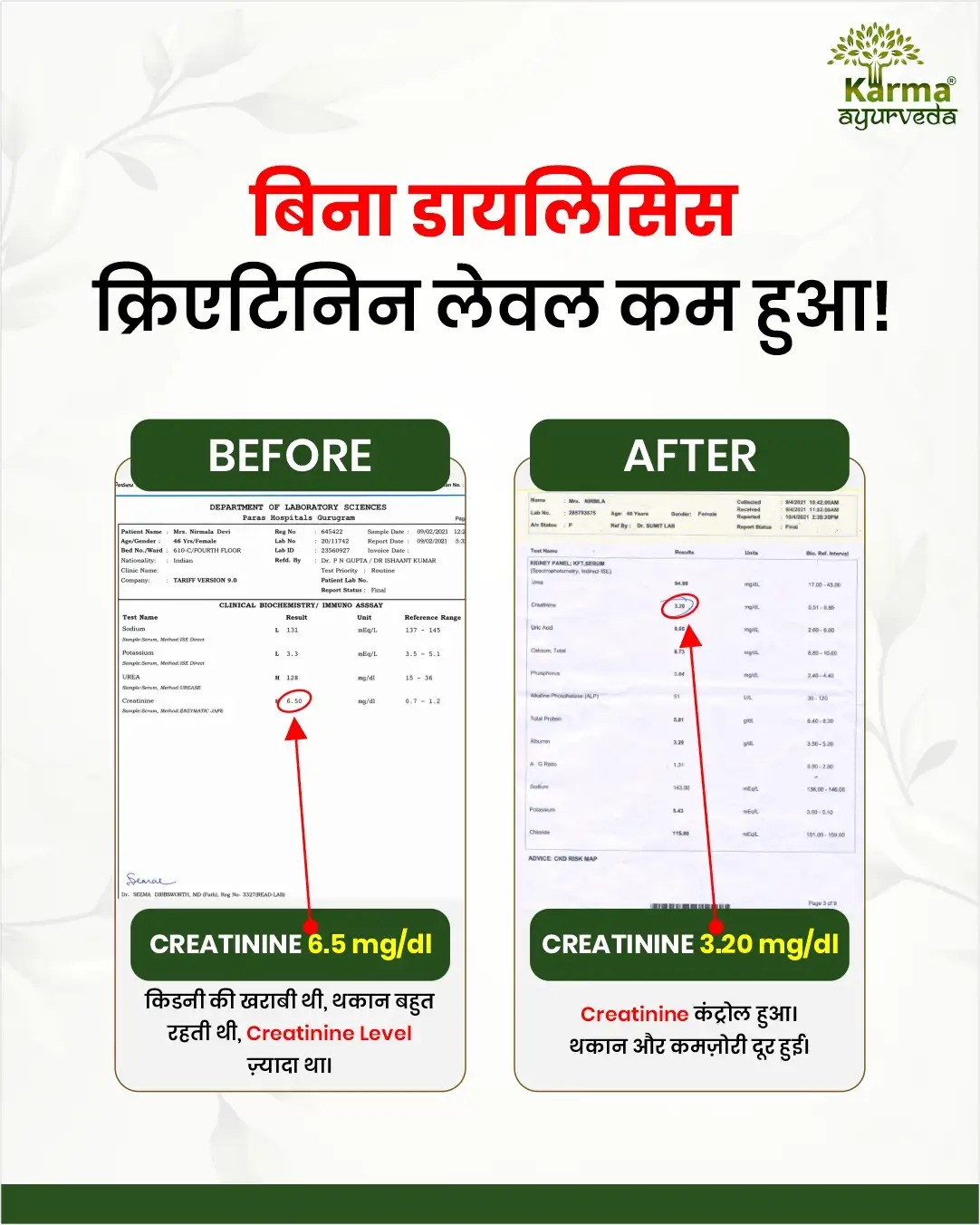
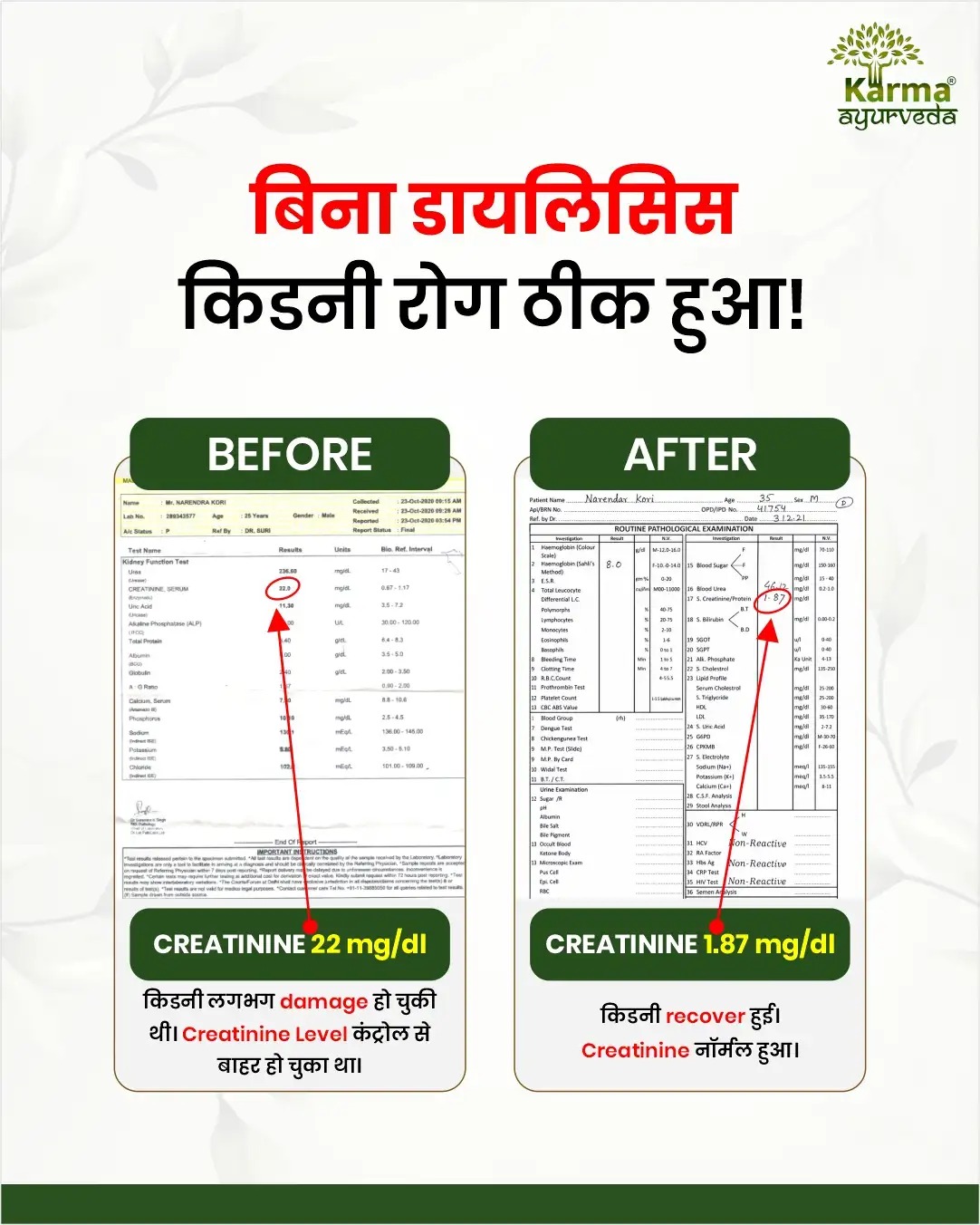
Patient stories can be helpful because they show what another person experienced. But they should be read as personal experiences, not promises of what will happen to everyone.
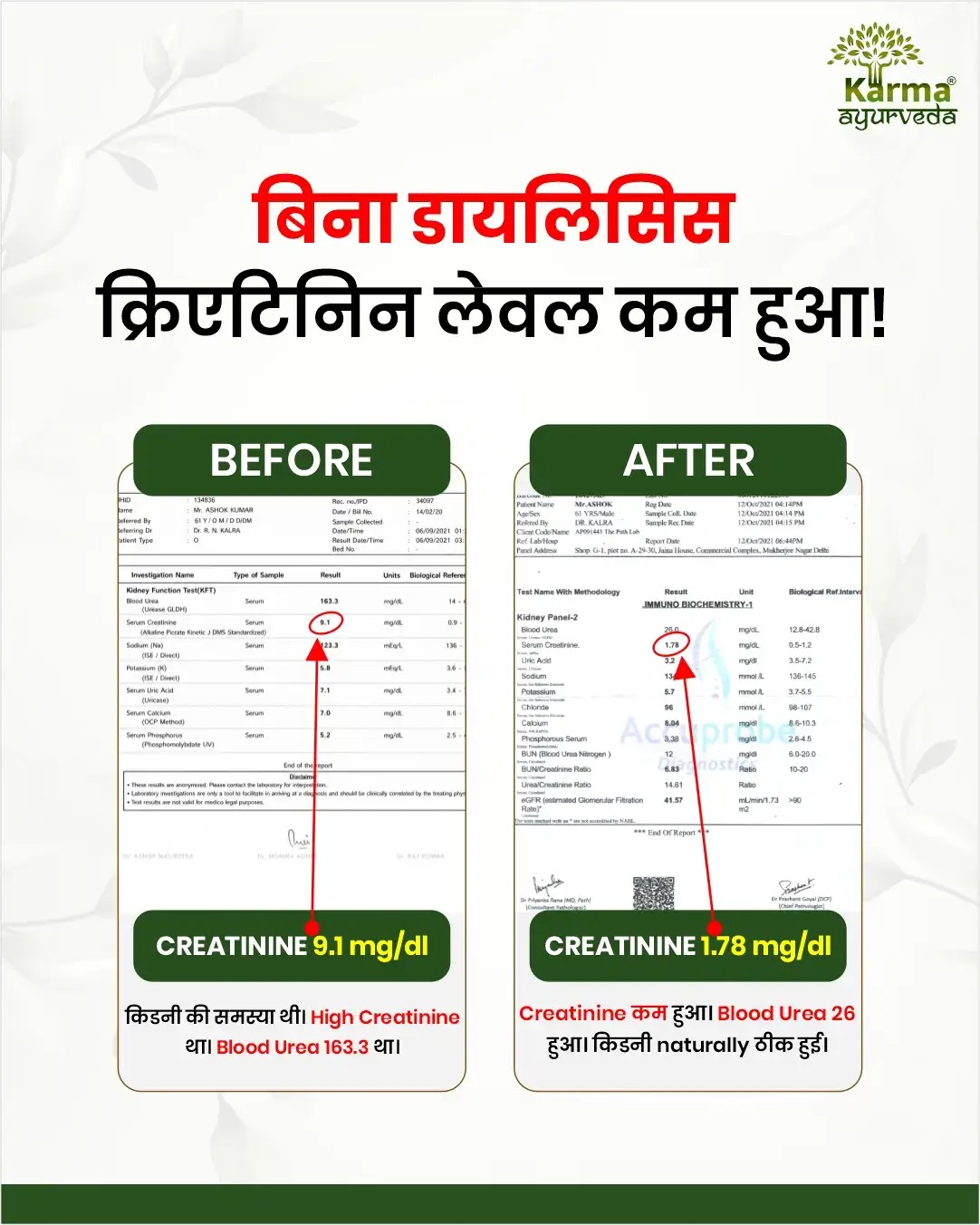
Karma Ayurveda's published testimonials include several kidney patients.
For example, Mr. Prince Kumar says he had experienced acute kidney failure and had tried several treatments before consulting Karma Ayurveda. In his published testimonial, he says he was treated under the supervision of Dr. Puneet Dhawan and describes his experience as positive.
Another published testimonial from Mr. Garg describes his experience with nephrotic syndrome and compromised GFR. He reports that he followed the recommended herbal treatment and dietary guidance and noticed a reduction in his symptoms.
Mrs. Shashwati describes having kidney problems, weakness, edema, difficulty walking, and dialysis in her published account. She says that after beginning treatment at Karma Ayurveda, she noticed improvement in her difficulties after several weeks.
These are individual testimonials published by Karma Ayurveda. They should not be interpreted as evidence that every patient will experience the same results.
Why Local Access Can Make Kidney Care Easier
Living with a long-term health problem often means multiple consultations and repeated reports.
Travelling long distances every time can become tiring; especially when the person is already dealing with fatigue, weakness, swelling, or other symptoms.
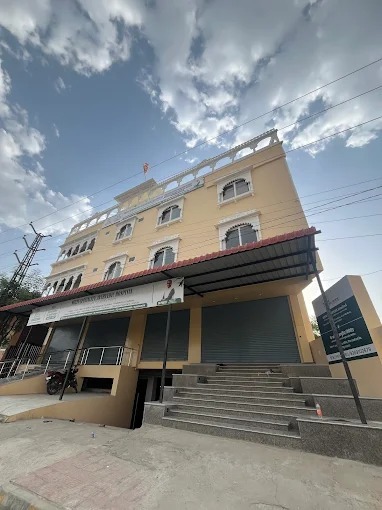
Karma Ayurveda's current website lists Balicha, Udaipur among its locations. Its dedicated Udaipur page, however, currently contains a note saying that it does not have a physical clinic in Udaipur while also describing Ayurvedic treatment services for Udaipur patients. Because the site's location information is inconsistent, patients should confirm the current consultation/clinic arrangement before travelling.
For anyone comparing the Best hospital for kidney treatment in Udaipur, this is exactly the sort of practical detail worth checking beforehand.
What About Dr. Puneet Dhawan?
Dr. Puneet Dhawan is associated with Karma Ayurveda's kidney-care services and is identified on the organization's website as its founder and an Ayurvedic physician. Karma Ayurveda's published patient testimonials also include accounts from people who say they consulted him for kidney-related concerns.
If you are considering Karma Ayurveda Hospital for kidney-related care, take your complete reports and medical history to the consultation and discuss your current treatment openly.
That includes medicines you are already taking.
Do not stop prescribed medicines or dialysis simply because you are exploring another approach.
A Simple Way to Think About Kidney Care
Kidney care does not have to begin with fear.
It can begin with understanding.
Understand your reports. Understand what your creatinine and eGFR actually mean. Understand your diet. Understand which medicines you are taking. Understand which symptoms need attention.
And most importantly, keep your treating medical team informed.
For people searching for Ayurvedic treatment for kidney in Udaipur, Karma Ayurveda offers an Ayurvedic approach that includes personalized dietary guidance, herbal care, lifestyle recommendations, and follow-up support according to its published Udaipur information.
If you are considering Karma Ayurveda Hospital in Udaipur, confirm the current consultation location and arrangement before making the trip, particularly because the organization's current website contains differing information about a physical Udaipur clinic.
Your kidneys may be doing their work quietly, but that doesn't mean you should ignore them.
Sometimes the smartest first step is simply getting your reports together, sitting down with a qualified healthcare professional, and finally understanding what those confusing numbers are trying to tell you.
Important Health Disclaimer
Medical Disclaimer: Every patient's condition is different, and individual results can vary. Testimonials describe personal experiences and should not be considered a guarantee of similar results. Kidney disease can be serious and requires appropriate medical evaluation, diagnosis, and monitoring. Ayurvedic or complementary care should not be used to delay necessary conventional medical treatment. Do not stop prescribed medicines, dialysis, or other medical treatment without speaking with your treating physician. If you experience severe breathing difficulty, chest pain, confusion, loss of consciousness, very low urine output, severe weakness, or rapidly worsening symptoms, seek immediate care at the nearest emergency hospital.