























Welcome to Karma Ayurveda Hospital: Best Ayurvedic treatment for Cancer, Kidney Disease, Liver Disease, Diabetes, Heart Disease, Hypertension, Arthritis, Psoriasis, Eczema, Skin Disorders, Respiratory Disorders, Asthma, Digestive Disorders, Thyroid Disorders, Neurological Disorders, Mental Health Disorders, Infertility, Women's Health, Men's Health, Urinary Disorders, Obesity, Anaemia, Migraine, Eye Disorders, Hair & Scalp Disorders, Autoimmune Disorders, Sexual Health, and Panchakarma.

Karma Ayurveda Logo
Home/Kidney/Acute Kidney Disease

Ayurvedic Treatment & Care

Acute Kidney Injury Treatment

Did your kidney function suddenly take a dip? A sudden spike in creatinine, less urine than usual, or unexpected swelling can leave you scrambling for answers. This page walks through acute kidney disease; its warning signs, possible causes, and Ayurvedic treatment for acute kidney disease; along with diet and lifestyle tips for better kidney care.

25+
Years of Experience
1,50,000+
Happy Patients
100%
Ayurvedic & Natural
🫘
Acute Kidney Disease

What Is Acute Kidney Disease?

The Core Definition: A rapid decline in renal function over a short period (ranging from days to weeks), characterized by the sudden accumulation of nitrogenous waste products like urea and creatinine in the bloodstream.

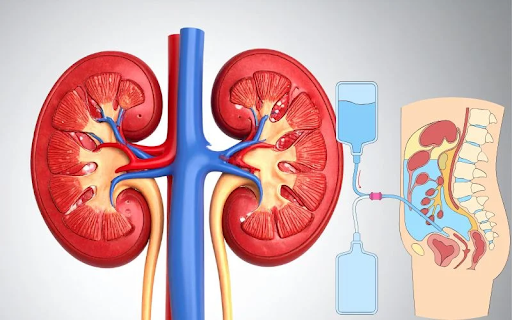
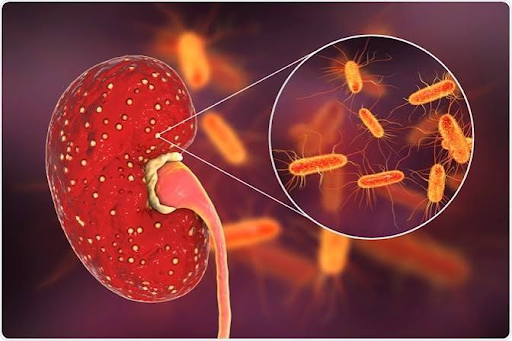
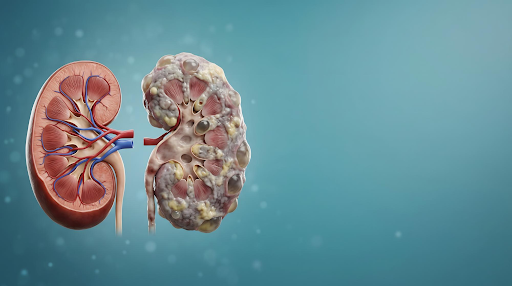
The Structural Impact: Causes acute tubular injury, micro-vascular congestion within the nephrons, and localized tissue inflammation, disrupting the kidneys' delicate filtration membranes.

The Functional Shift: Impairs fluid balance, electrolyte regulation, and acid-base stability, leading to fluid retention (edema), reduced urine output (oliguria), or complete absence of urination (anuria).

The Ayurvedic Perspective: Categorized under Vrikka Roga involving acute dysfunction of Mutravaha Srotas (urinary channels). It is driven by sudden aggravation of Vata Dosha (particularly Apana Vayu) and Pitta Dosha, leading to acute obstruction of channels by metabolic waste (Ama) and impairment of Rakta Dhatu (blood tissue) and Meda Dhatu (fat tissue supporting renal structures).

Acute Kidney Disease

Patient Case Studies

Test Multi-Patient video testimonial
Multi Outcome Test
Watch Video
Verified Patient video testimonial
Remarkable Recovery with Ayurveda
Watch Video
Verified Patient video testimonial
Remarkable Recovery with Ayurveda
Watch Video
Verified Patient video testimonial
Remarkable Recovery with Ayurveda
Watch Video
Verified Patient video testimonial
Remarkable Recovery with Ayurveda
Watch Video
Verified Patient video testimonial
Remarkable Recovery with Ayurveda
Watch Video
Verified Patient video testimonial
Remarkable Recovery with Ayurveda
Watch Video
Test Multi-Patient video testimonial
Multi Outcome Test
Watch Video

Our Awards & Accolades

Delhi Chief Minister Rekha Gupta
Click to View Award

Delhi Chief Minister Rekha Gupta

Award from Shilpa Shetty at IFA
Click to View Award

Award from Shilpa Shetty at IFA

Hon'ble Chief Minister Sh. Nayab Singh Saini
Click to View Award

Hon'ble Chief Minister Sh. Nayab Singh Saini

Felicitated by AYUSH Minister
Click to View Award

Felicitated by AYUSH Minister

Felicitating Indian Ambassador Nagesh Singh
Click to View Award

Felicitating Indian Ambassador Nagesh Singh

AYUSH Best Young Ayurveda Doctor Award
Click to View Award

AYUSH Best Young Ayurveda Doctor Award

Conference on Sustainable Healthcare
Click to View Award

Conference on Sustainable Healthcare

TEDx Panoroad Speaker Award
Click to View Award

TEDx Panoroad Speaker Award

Felicitating Prof. Rakesh Sharma
Click to View Award

Felicitating Prof. Rakesh Sharma

Event hosted by Hamdard
Click to View Award

Event hosted by Hamdard

Cosmo Talks Bangkok
Click to View Award

Cosmo Talks Bangkok

Award from Prof. Rakesh Sharma
Click to View Award

Award from Prof. Rakesh Sharma

How We Reverse Diseases

In Ayurveda, research is built around fundamental pillars to effectively heal and reverse Kidney.

Therapies

➔

Patients may undergo the traditional Ayurvedic treatments if it appears to be beneficial considering their current health condition.

➔

Therapies are chosen based on the patient's medical history, reports, and symptoms.

➔

We explain the purpose of each kind of therapy and what the patient may expect during the procedure.

➔

Different types of therapies can be applied depending on the issues that people face.

Therapies

Patient Medical Reports

Cellular Immunity & Blood Platelet Recovery Report
Click to View Full Report

Cellular Immunity & Blood Platelet Recovery Report

Liver Enzymes (SGOT/SGPT) Normalization Lab Report
Click to View Full Report

Liver Enzymes (SGOT/SGPT) Normalization Lab Report

Creatinine Reduced from 8.4 to 1.8 mg/dL - KFT Report
Click to View Full Report

Creatinine Reduced from 8.4 to 1.8 mg/dL - KFT Report

Nephrotic Syndrome Proteinuria Negative Report
Click to View Full Report

Nephrotic Syndrome Proteinuria Negative Report

Liver Enzymes (SGOT/SGPT) Normalization Lab Report
Click to View Full Report

Liver Enzymes (SGOT/SGPT) Normalization Lab Report

Creatinine Reduced from 8.4 to 1.8 mg/dL - KFT Report
Click to View Full Report

Creatinine Reduced from 8.4 to 1.8 mg/dL - KFT Report

Therapy Plan

Our Treatment Focus for Acute Kidney Disease

At Karma Ayurveda, we do not simply prescribe herbs to mask symptoms. We analyze the root pathology triggers of acute kidney disease, customize botanical formulations, and restore long-term cellular balance:

1

Creatinine Management

Using Mutral (diuretic) herbs like Gokshur and Varun to lower urea & creatinine.

2

Nephron Rejuvenation

Rasayana herbs like Punarnava to revive damaged kidney filtration units.

3

GFR Correction

Ayurvedic formulations aimed at progressively improving the Glomerular Filtration Rate.

4

Strict Fluid Regimen

Precision fluid guidelines combined with custom sodium-potassium charts.

Why Hundreds of Thousands Choose Karma Ayurveda

With a healing legacy since 1937, our experienced Ayurvedic clinicians use pure, tested botanical formulations and specialized Panchakarma therapies to restore physiological health naturally.

100% Tested Organic Extracts
84+ Years Healing Legacy
Completely Safe, Zero Harm
Expert Ayurvedic Clinicians
Related Therapies

Other Ayurvedic Kidney Treatments We Offer

Comprehensive specialized Ayurvedic pathways for all related stages and complications of kidney

Blood Urea

Blood Urea

Blood report shows high urea; does that automatically mean your kidneys are failing? Not necessarily. Blood urea can rise for several different reasons, so it's worth understanding the number in context. This page explains what blood urea means, why it rises, how it relates to kidney function, and Ayurvedic treatment for high blood urea.

Read More
Chronic Kidney Disease

Chronic Kidney Disease

Creatinine climbing while your eGFR keeps dropping? Chronic Kidney Disease tends to progress quietly, which makes understanding what's happening inside your kidneys all the more important. This page covers CKD stages, symptoms, diet, lifestyle changes, and Ayurvedic treatment for chronic kidney disease.

Read More
Creatinine

Creatinine

Your creatinine is rising, but what does that actually mean for your kidneys? A single number on a blood report can raise more questions than it answers. This page breaks down creatinine levels, eGFR, kidney function, possible causes, and Ayurvedic treatment for high creatinine, plus useful diet and lifestyle guidance.

Read More
Cysts Kidney Disease

Cysts Kidney Disease

Found a cyst on your kidney and started worrying right away? Not all kidney cysts are the same; their size, number, type, and underlying cause all make a difference. This page covers kidney cysts, symptoms, possible complications, and Ayurvedic treatment for kidney cysts, along with supportive diet and lifestyle guidance.

Read More
Foamy Urine

Foamy Urine

Foam in your urine once might mean nothing; but what if it keeps happening? Persistent foamy urine can sometimes be linked to protein leaking through the kidneys' filters. This page covers the possible causes of foamy urine, its connection to proteinuria, and Ayurvedic treatment for foamy urine, along with important kidney-care guidance.

Read More
Glomerulonephritis Kidney

Glomerulonephritis Kidney

Blood or protein turning up in your urine? The problem could be hiding in your kidney's tiny filters. Glomerulonephritis causes inflammation in those filtering units and can affect kidney function. This page covers its causes, symptoms, diagnosis, diet, and Ayurvedic treatment for glomerulonephritis.

Read More
IGA-Nephropathy

IGA-Nephropathy

Blood or recurring protein in your urine is never something to ignore. These signs can sometimes point to IgA Nephropathy, a condition affecting the kidney's tiny filtering units. This page covers its causes, symptoms, diagnosis, progression, diet, and Ayurvedic treatment for IgA Nephropathy.

Read More
Kidney Detox

Kidney Detox

Thinking your kidneys need a detox? Truth is, your kidneys already work around the clock filtering waste; but your daily habits still shape your overall kidney health. This page separates kidney detox facts from myths and shares practical ways to support your kidneys, including an Ayurvedic approach to kidney detox.

Read More
Kidney Dialysis

Kidney Dialysis

Been told dialysis might be necessary? That news comes with a lot of questions; why it's needed, when it's recommended, and what it means for everyday life. This page walks through kidney dialysis, kidney function, diet considerations, and Ayurvedic treatment for kidney dialysis support.

Read More
Kidney Failure

Kidney Failure

What happens when the kidneys can no longer filter waste the way they should? Kidney failure brings up serious questions about symptoms, treatment, dialysis, and everyday life. This page covers the stages of kidney failure, creatinine, eGFR, diet, dialysis, and Ayurvedic treatment for kidney failure.

Read More
Kidney Infection Pyelonephritis

Kidney Infection Pyelonephritis

Fever, chills, burning urination, pain in your back or side; don't write it off as just another UTI. A kidney infection affects the kidneys directly and may call for prompt medical attention. This page covers kidney infection and pyelonephritis, its symptoms, causes, complications, prevention, and Ayurvedic treatment for kidney infection.

Read More
Kidney Shrinkage

Kidney Shrinkage

Small or shrunken kidneys showing up on an ultrasound can be alarming; but what does it actually mean? Understanding why the kidneys have reduced in size can help make sense of your overall kidney health. This page covers the possible causes of kidney shrinkage, kidney function, diet, lifestyle guidance, and Ayurvedic treatment for kidney shrinkage.

Read More
Kidney Stone Disease

Kidney Stone Disease

That sudden, unbearable pain in your side or back could well be a kidney stone announcing itself. But pain is far from the only thing these stones can cause. This page covers kidney stone disease, why stones form, symptoms, diet, prevention, and Ayurvedic treatment for kidney stones.

Read More
Kidney Swelling

Kidney Swelling

Swollen feet, ankles, or puffy eyes might be more than simple water retention. Kidney issues can sometimes affect how your body manages fluid and protein, leading to noticeable kidney swelling. This page covers the causes of kidney swelling, related symptoms, diet, lifestyle measures, and Ayurvedic treatment for kidney swelling.

Read More
Nephrotic Syndrome

Nephrotic Syndrome

Swollen feet, puffy eyes, foamy urine; sound familiar? Your kidneys might be losing more protein than they should. Nephrotic Syndrome can affect a lot more than just your urine test results. This page explains its causes, symptoms, protein loss, diet, and Ayurvedic treatment for nephrotic syndrome.

Read More
Polycystic Kidney Disease

Polycystic Kidney Disease

Finding out you have multiple cysts in your kidneys raises plenty of questions; what caused them, will they affect kidney function, what should you be watching for? This page covers polycystic kidney disease, its symptoms, how it progresses, possible complications, diet, and Ayurvedic treatment for polycystic kidney disease.

Read More
Proteinuria

Proteinuria

Urine test comes back saying "protein detected"; should that worry you? Protein in the urine can sometimes be temporary, but when proteinuria sticks around, it can point to an underlying kidney issue. This page covers its causes, symptoms, urine protein levels, diet, and Ayurvedic treatment for proteinuria.

Read More

Ayurvedic Approach to Acute Kidney Disease: Supporting Renal Recovery and Metabolic Vitality

Before we explore why acute renal shifts occur, let's talk about how we approach the individual navigating these sudden health changes.

At Karma Ayurveda, we do not believe that every individual managing sudden kidney function decline needs a generic, copy-paste care plan. Two people presenting with elevated serum creatinine levels can have completely different underlying triggers, fluid levels, digestive strength, and metabolic responses.

One person may experience acute kidney impairment following a severe infection, dehydration, or heavy medication usage. Another may face a sudden spike in renal markers on top of pre-existing long-term kidney weakness, driven by severe hypertension or metabolic stress. Someone else may be seeking supportive care to stabilize urine output and protect nephron health during medical recovery.

That is why our approach to Ayurvedic support for Acute Kidney Disease focuses on understanding the individual as a whole rather than viewing a blood test report in isolation.

We evaluate your current filtration markers, daily urine output, digestive fire (Agni), swelling, and complete medical history before suggesting a supportive care plan. The goal is to make Ayurvedic care safe, practical, and precise; because any intervention that overburdens compromised kidneys or conflicts with essential emergency care isn't truly helpful.

Many individuals and families exploring Ayurvedic kidney care in India seek personalized protocols that clear channel obstructions, support natural tissue repair, manage fluid buildup, and rebuild metabolic vitality safely.

What Factors Contribute to Acute Kidney Disease?

Acute kidney decline stems from a sudden disruption in blood flow to the kidneys, direct cellular damage to renal tissues, or physical blockage in the urinary tract.

The Common Contributors

Prerenal Causes (Reduced Blood Flow): Severe dehydration, acute blood loss, sudden drops in blood pressure, or septic shock impairing renal perfusion.

Intrinsic Renal Causes (Direct Kidney Damage): Exposure to nephrotoxic medications, contrast dyes, severe systemic infections, or acute glomerulonephritis directly damaging nephrons.

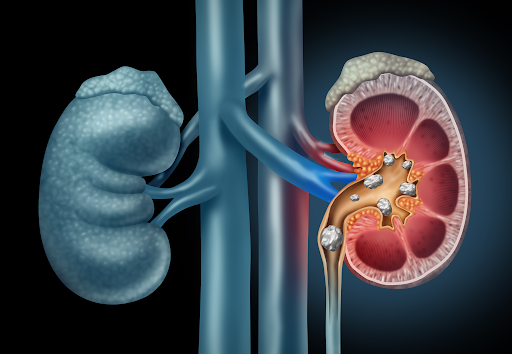
Postrenal Causes (Urinary Obstruction): Sudden blockage in the urinary tract due to kidney stones, enlarged prostate, or urethral strictures preventing urine drainage.

Severe Vata-Pitta Aggravation & Channel Blockage (Srotorodha): In Ayurveda, sudden dietary triggers, extreme dehydration, or toxic exposure cause severe Vata and Pitta imbalance, generating acute metabolic toxins (Ama) that block Mutravaha Srotas.

Identifying the specific underlying trigger helps tailor a much clearer path toward safe, supportive daily management.

Symptoms and Physical Signs in Acute Kidney Disease

Physical cues associated with sudden renal impairment reflect fluid retention and toxic buildup in the blood:

Sudden Decrease in Urine Output: Passing noticeably smaller amounts of urine (oliguria) or infrequent urination.

Fluid Retention and Swelling (Edema): Noticeable swelling in the feet, ankles, legs, hands, or facial puffiness (especially around the eyes).

Unexplained Nausea and Vomiting: Loss of appetite, metallic taste in the mouth, or persistent nausea due to accumulated nitrogenous waste (uremia).

Severe Fatigue and Lethargy: Feeling unusually weak, exhausted, or mentally foggy as metabolic waste builds up in the circulation.

Shortness of Breath (Dyspnea): Difficulty breathing due to fluid accumulation in the lungs (pulmonary edema) or systemic metabolic acidosis.

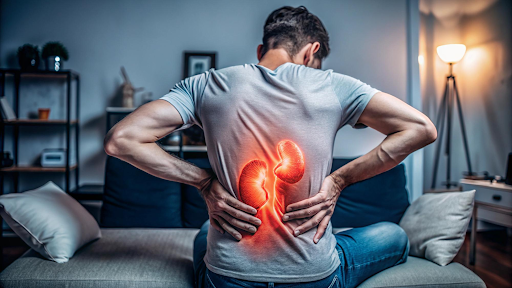
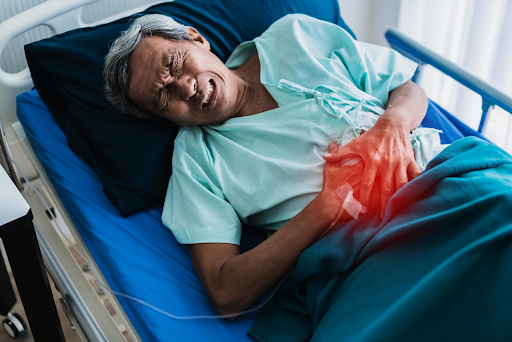
Dull Back or Flank Pain: A persistent, dull ache in the lower back or sides near the location of the kidneys.

Sudden complete stoppage of urine, severe shortness of breath, chest pain, confusion, persistent vomiting, or extreme weakness requires immediate emergency medical evaluation and hospitalization.

How We Assess Patients at Karma Ayurveda

When someone consults us seeking Ayurvedic care for Acute Kidney Disease, our initial step is never just reading a single lab marker.

We focus on understanding why the kidneys are under acute stress and how your overall digestion, fluid balance, and tissue health are coping.

Understanding Daily Symptoms: We discuss recent changes in urine volume, swelling patterns, appetite loss, nausea, and daily energy levels.

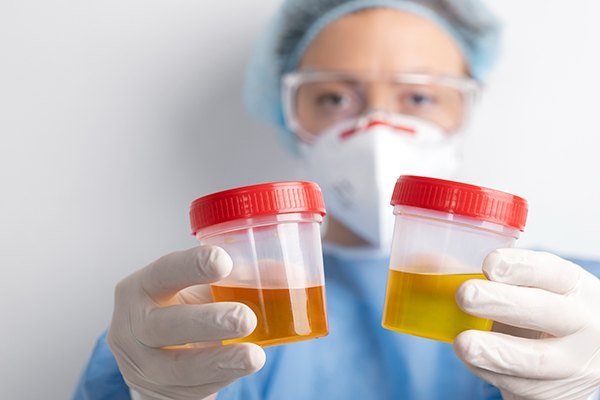
Reviewing Your Medical Reports: We carefully analyze Kidney Function Tests (KFT) including Serum Creatinine, Blood Urea Nitrogen (BUN), eGFR, Serum Electrolytes, Urine Routine/Microscopy, and Renal Ultrasound scans.

Evaluating Lifestyle & Recent Triggers: We check recent illness history, fluid intake habits, dietary choices, exposure to heavy medications, and stress levels.

The Ayurvedic Assessment: We evaluate Vata and Pitta dosha imbalances, the degree of channel blockage (Srotorodha), metabolic waste accumulation (Ama), and digestive fire strength (Agni).

Creating an Individualized Plan: Once the assessment is complete, we craft a cautious, personalized protocol combining gentle renal-supportive herbs, strict fluid-balanced dietary advice, and restorative lifestyle guidance.

The goal is to build a safe, highly monitored routine that reduces metabolic load on the kidneys, supports channel clearing, and aids natural renal recovery.

Ayurvedic Therapies Commonly Used for Acute Kidney Care

Depending on the stage of recovery, fluid status, and overall health, Ayurvedic care utilizes cautious strategies aimed at clearing channels and supporting renal vitality:

Ama Pachana & Srotorodha Hara (Clearing Obstructions): Mild, non-taxing herbal formulations designed to digest metabolic waste (Ama) and clear blocked urinary channels (Mutravaha Srotas) without overworking the kidneys.

Targeted Herbal Support: Time-honored herbs including Punarnava (known for supporting fluid balance and natural diuresis), Gokshura (for soothing urinary pathways and supporting filtration), Varun (for clearing channel obstructions and supporting urinary flow), Kaasni/Chicory (for liver-kidney metabolic harmony), and Pashanbhed (when stone obstruction is present).

Mridu Anulomana (Gentle Downward Movement): Mild, controlled digestive support to ensure smooth elimination of toxins through the bowel, easing the excretory burden on the kidneys.

Pitta-Pacifying & Cooling Formulations: Herbal decoctions aimed at reducing internal heat, cellular inflammation, and tissue irritation within renal structures.

Strict Renal-Conscious Diet: Customized nutrition protocols featuring low-sodium, protein-regulated, easily digestible cooked meals that minimize nitrogenous waste production.

All therapies are selected with rigorous clinical monitoring of serum creatinine, potassium, and daily fluid intake to ensure safety.

What Can You Do at Home to Support Kidney Recovery?

Supporting renal health during or after an acute episode requires disciplined daily routines:

Follow Specific Fluid Guidelines: Strictly adhere to fluid allowance recommendations provided by your nephrologist or physician to avoid fluid overload or dehydration.

Embrace a Low-Sodium, Easily Digestible Diet: Reduce salt intake strictly to prevent fluid retention and elevated blood pressure. Choose fresh, warm, lightly spiced, cooked meals like moong dal khichdi or bottle gourd (Lauki).

Limit High-Potassium and High-Phosphorus Foods: Be cautious with banana, citrus fruits, dry fruits, potato, dairy, and dark leafy greens if blood reports show elevated potassium or phosphorus.

Avoid Self-Medication and Painkillers: Never take non-steroidal anti-inflammatory drugs (NSAIDs) or unverified supplements, as they can cause direct nephrotoxicity and worsen acute kidney injury.

Monitor Urine Volume and Body Weight: Keep a daily log of daily urine output and record body weight every morning to catch fluid retention early.

Ensure Adequate Rest: Rest is vital during acute recovery; avoid strenuous physical exertion, heavy weightlifting, or exhausting travel.

Maintain Blood Pressure Control: Monitor blood pressure regularly at home, as spikes directly strain vulnerable kidney blood vessels.

Never discontinue or modify prescribed Western nephrology medications, blood pressure drugs, or dialysis schedules without direct guidance from your primary medical team.

Can Ayurveda Support Acute Kidney Disease Management?

Ayurveda offers a supportive, holistic framework for managing kidney health by addressing metabolic root causes, clearing internal channel blockages (Srotorodha), and supporting digestive strength (Agni). By balancing Vata-Pitta dynamics and protecting tissue health (Rakta and Meda Dhatu), it aims to aid the body's natural restorative processes.

The realistic objective of Ayurvedic support for Acute Kidney Disease is to help stabilize filtration markers, reduce systemic metabolic waste (Ama), manage fluid balance, protect remaining nephron function, and enhance overall vitality during recovery.

This is why searching online for a quick "cure" or consuming raw herbal powders without expert medical supervision is unsafe; especially when kidney function is compromised. Acute renal care requires careful monitoring aligned with modern laboratory diagnostics.

An experienced practitioner can review your medical reports and craft a cautious, synchronized protocol alongside your ongoing nephrology care.

When Should You See a Specialist?

Acute kidney conditions require strict clinical supervision to ensure patient safety and prevent irreversible tissue damage.

Seek immediate medical evaluation if:

  1. Daily urine volume drops drastically or stops completely over a 12-to-24-hour period.
  2. You develop sudden, worsening shortness of breath or persistent chest discomfort.
  3. Blood reports show rapidly rising Serum Creatinine, Blood Urea, or dangerously high Potassium levels (hyperkalemia).
  4. Severe swelling rapidly spreads to the face, abdomen, or upper body.
  5. You experience confusion, extreme drowsiness, continuous vomiting, or muscle twitching.

If you are looking for an Ayurvedic kidney specialist near me, choose a qualified practitioner who understands renal pathology, reviews lab reports meticulously, respects Western medical protocols, and prioritizes safety above all else.

Restoring Balance and Metabolic Vitality

Our kidneys work quietly every minute of the day to cleanse our blood, balance our body fluids, and maintain the internal environment our cells need to thrive.

When a sudden health shift affects renal function, facing changing lab reports, strict fluid restrictions, and medical uncertainty can feel daunting for both you and your family.

The reassuring truth is that supporting kidney recovery is not just about tracking serum creatinine numbers; it is about easing the metabolic burden on your body, clearing internal channels, protecting cellular strength, and building health step by step.

At Karma Ayurveda, our focus is on understanding the individual behind the medical report and providing safe, thoughtful, and integrative care tailored to your body's specific needs.

Find Us Near You

Our Clinics (हमारे क्लिनिक)

Visit your nearest Karma Ayurveda center and connect with our experts for personalized consultation.

Delhi
Jaipur
Patna
Bangalore
Mumbai
Lucknow
Noida
Lucknow - Vikas Nagar
Gurugram
Pratap Nagar
Delhi - Janakpuri

Discover Karma Ayurveda treatment centers and consultations offering specialized care for Kidney across India.

Explore All Locations →
FAQ

Frequently Asked Questions

Acute Kidney Disease (AKD/AKI) is often potentially reversible if the underlying cause (such as dehydration, obstruction, or medication toxicity) is identified and treated promptly. Ayurveda supports this recovery phase by clearing channel blockages, reducing metabolic waste, and aiding cellular healing alongside standard care.
Punarnava (Boerhavia diffusa) translates to "that which renews the body." It acts as a classical Mootrala (natural diuretic) and Srotoshodhaka (channel cleanser), helping reduce swelling (edema), promote healthy urine flow, and protect kidney tissue from oxidative stress.
Ayurvedic herbs must be selected with extreme caution when kidney function is severely reduced or during dialysis. Many standard herbs contain high natural potassium or active compounds that compromised kidneys cannot clear quickly. Integrative care should always be supervised by an experienced practitioner working alongside your nephrologist.
AKD involves a sudden, rapid decline in renal function over days or weeks that may be reversible with timely treatment. CKD involves gradual, irreversible kidney damage developing over months or years, requiring long-term management to slow progression.
When kidneys are impaired, they struggle to filter out nitrogenous breakdown products of protein metabolism, leading to a buildup of blood urea nitrogen (BUN). Regulating protein intake reduces the metabolic workload on vulnerable nephrons.
Gokshura (Tribulus terrestris) is a time-honored herb that soothes irritated urinary tract linings, supports smooth urine discharge, helps prevent stone formation, and balances Apana Vayu.
Chronic stress activates the sympathetic nervous system and triggers stress hormones like cortisol and adrenaline, which constrict renal blood vessels, elevate blood pressure, and reduce blood flow to the kidneys.
By focusing on easily digestible, low-waste foods and incorporating specific channel-clearing herbs, Ayurveda helps minimize internal toxin generation (Ama). As digestive fire improves and kidney stress decreases, blood waste markers can stabilize.
No. Raw, highly concentrated herbal juices or unverified remedies should be avoided during acute kidney impairment, as concentrated potassium or strong bio-compounds can overwhelm fragile renal filtration.
Supportive Ayurvedic guidance can begin as soon as the patient is medically stable and out of immediate emergency danger, working collaboratively with conventional medical monitoring to support recovery.