



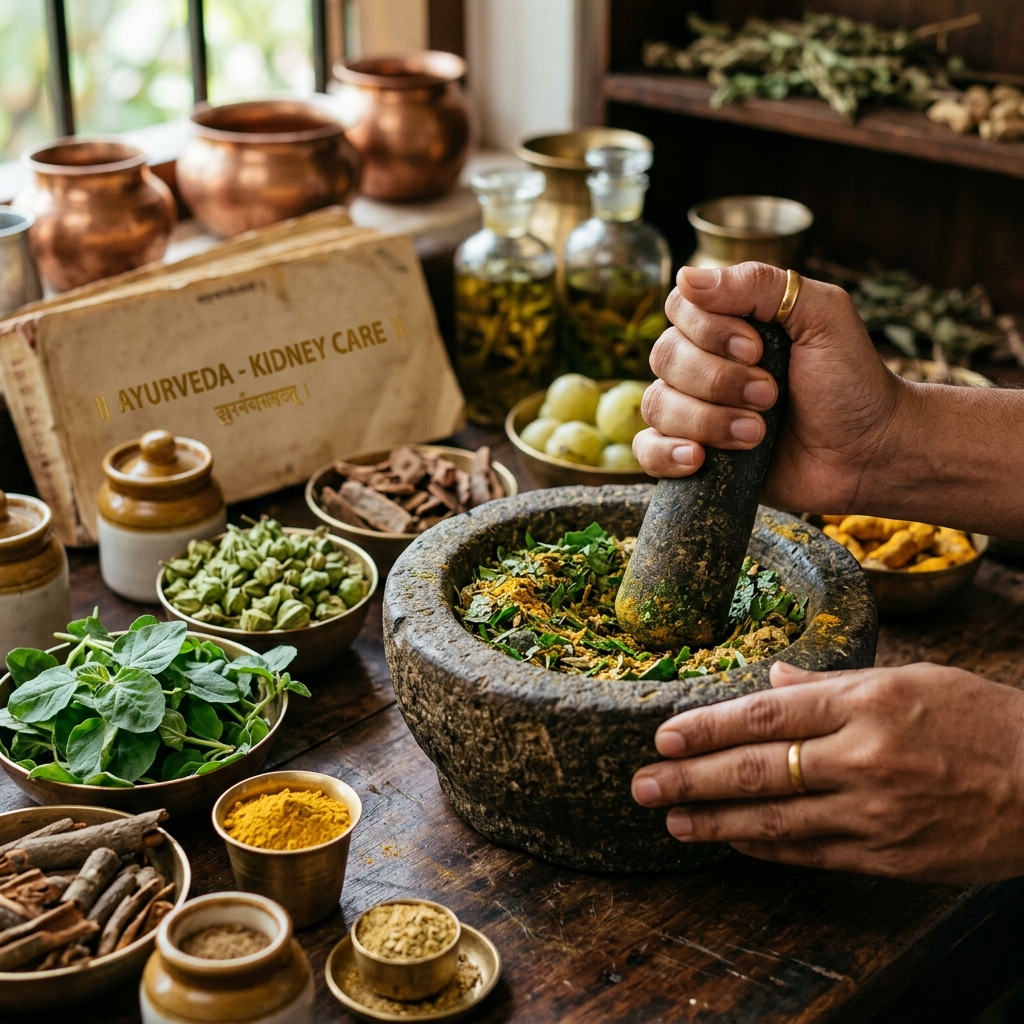












































Ayurvedic Arthritis Treatment: Supporting Joint Comfort and Everyday Mobility
Before we explore what causes arthritis, let's talk about something many people with joint pain already know very well: joints have a remarkable talent for complaining at exactly the wrong time.
One person may experience occasional knee stiffness after a long day. Another may wake up with painful, swollen fingers. Someone else may struggle with chronic back, hip, shoulder, or knee discomfort that gradually starts affecting everyday movement.
Arthritis is also not one single disease. Osteoarthritis, rheumatoid arthritis, gout, and other inflammatory or autoimmune joint conditions have different underlying mechanisms and may require different forms of medical care.
At Karma Ayurveda, we do not believe that everyone dealing with arthritis needs a generic, copy-paste plan. Two people may both say, "My knees hurt," while having completely different causes, symptoms, physical strength, lifestyle patterns, and medical histories.
That is why our approach to Ayurvedic treatment for arthritis focuses on understanding the individual rather than treating joint pain as an isolated complaint.
We discuss the location and nature of your pain, stiffness, swelling, mobility, weight, physical activity, digestion, lifestyle habits, medical history, and existing reports before suggesting a care plan.
The aim is to make Ayurvedic care practical enough to fit into everyday life because the best routine is usually the one you can actually follow.
Many individuals exploring Ayurvedic arthritis treatment in India are looking for personalized support that focuses on joint comfort, mobility, digestion, physical activity, and sustainable daily habits.
What Exactly Causes Arthritis?
Arthritis can develop for many different reasons, and the cause depends heavily on the specific type.
Age-related wear and tear, autoimmune activity, previous injuries, genetics, excess body weight, metabolic changes, and infections can all be involved in different forms of arthritis.
So, what are some of the common contributors?
The Common Contributors
Age-Related Joint Changes: The risk of osteoarthritis generally increases with age as joints undergo cumulative mechanical stress and structural changes.
Previous Joint Injuries: Earlier injuries, fractures, ligament damage, or repeated stress can increase the risk of developing arthritis in an affected joint.
Excess Body Weight: Additional body weight increases mechanical load on weight-bearing joints such as the knees and hips and may also contribute to inflammatory processes.
Autoimmune Activity: Conditions such as rheumatoid arthritis occur when the immune system mistakenly attacks healthy tissues, including the lining of joints.
Genetic Susceptibility: Family history can influence the likelihood of developing certain forms of arthritis.
Metabolic Factors: Conditions such as gout are associated with increased uric acid levels and the formation of urate crystals inside joints.
Sedentary Lifestyle: Lack of regular movement can contribute to muscle weakness, reduced joint mobility, and difficulty maintaining a healthy body weight.
Vata Imbalance and Ama: From an Ayurvedic perspective, aggravated Vata may contribute to dryness, stiffness, and degeneration, while Ama is traditionally associated with heaviness, inflammation, and joint discomfort.
The cause matters because not every type of arthritis responds to the same approach. Identifying the pattern behind your symptoms helps create a more appropriate plan.
Arthritis Symptoms You Shouldn't Ignore
Arthritis symptoms can range from mild stiffness to significant pain and loss of mobility.
Watch out for:
Persistent Joint Pain: Pain may occur during movement, after activity, or even while resting depending on the type and severity of arthritis.
Morning Stiffness: Stiffness after waking up is common in many forms of arthritis. The duration and pattern can provide useful clues about the underlying condition.
Joint Swelling: Inflamed joints may become visibly swollen, warm, or tender.
Reduced Range of Motion: You may find it increasingly difficult to fully bend, straighten, rotate, or move an affected joint.
Joint Tenderness: Pressing or putting pressure around an affected joint may cause discomfort.
Cracking or Grinding Sensations: Some people with osteoarthritis experience grating, grinding, or crackling sensations during movement.
Muscle Weakness: Pain and reduced movement can gradually contribute to weakness in the muscles surrounding an affected joint.
Fatigue: Inflammatory forms of arthritis, particularly autoimmune conditions, can cause significant tiredness.
Multiple Symmetrical Joint Symptoms: Pain, stiffness, or swelling affecting matching joints on both sides of the body can occur in conditions such as rheumatoid arthritis.
Sudden severe joint pain accompanied by fever, a very hot and swollen joint, inability to bear weight, or sudden severe swelling requires prompt medical evaluation because infection, gout, or another urgent condition may need to be ruled out.
How We Assess Patients at Karma Ayurveda
When someone consults us seeking arthritis treatment in Ayurveda, our first question is not simply, "Which joint hurts?"
We want to understand how the pain behaves, what may be contributing to it, and how the condition is affecting your everyday movement.
Understanding Your Symptoms: We discuss when the pain started, which joints are affected, what makes it better or worse, morning stiffness, swelling, mobility limitations, and how the symptoms affect daily activities.
Looking at Your Medical Reports: If you have X-rays, MRI scans, blood tests, rheumatoid factor, anti-CCP, uric acid levels, or other relevant investigations, we review them as part of the overall picture.
Understanding Your Lifestyle: We evaluate your body weight, physical activity, sitting habits, exercise routine, sleep, food patterns, digestion, and occupational or repetitive joint stress.
The Ayurvedic Assessment: We assess Dosha patterns, digestive strength (Agni), bowel function, and traditional factors such as Ama and Vata that may be relevant to joint discomfort.
Creating an Individualized Plan: Once the complete picture is understood, we may develop a personalized routine involving dietary guidance, selected Ayurvedic support, therapeutic applications, movement, and lifestyle changes.
The goal is to support comfortable movement and everyday function while recognizing when a specific form of arthritis needs specialist medical care.
Ayurvedic Therapies Commonly Used for Joint Support
Depending on the type of arthritis, inflammation, physical strength, age, mobility, and individual assessment, Ayurvedic care may use classical approaches intended to support joint comfort and balance aggravated Doshas.
These may include:
Abhyanga (Warm Oil Massage): Gentle oil massage may help support relaxation, circulation, flexibility, and comfort in selected individuals.
Swedana (Herbal Steam Therapy): Controlled therapeutic warmth may be used in appropriate cases to support muscle relaxation and joint mobility.
Janu Basti: A localized Ayurvedic therapy in which warm medicated oil is retained over the knee area. It may be considered as part of supportive care for selected knee-related complaints.
Kati Basti: Similar localized oil therapy may be used around the lower back when back and musculoskeletal symptoms are present.
Basti Therapy: Classical medicated enema therapies may be considered in selected cases where Vata imbalance is prominent.
Selected Herbal Support: Traditional herbs and formulations may be selected according to the individual's symptoms, digestion, age, medications, and overall health.
Movement and Lifestyle Guidance: Gentle strengthening, stretching, walking, yoga, and appropriate physical therapy can help maintain joint function and muscle strength.
Therapies are selected according to individual requirements. An acutely hot, swollen joint, suspected infection, recent fracture, or severe inflammatory flare should be medically evaluated before therapeutic massage or heat-based procedures are considered.
What Can You Do at Home to Support Your Joints?
Taking care of your joints does not mean wrapping yourself in bubble wrap and avoiding movement altogether. In most cases, the right kind of movement is part of the solution.
Keep Moving Regularly: Walking, swimming, cycling, gentle yoga, or other low-impact activities can help maintain mobility and muscle strength.
Strengthen Supporting Muscles: Appropriate strength exercises can reduce stress on joints by improving the muscles that support them.
Maintain a Healthy Weight: If you are overweight, gradual weight reduction can reduce pressure on weight-bearing joints such as the knees and hips.
Use Gentle Heat When Appropriate: Warm compresses may help relieve stiffness for some people. Avoid heat over joints that are acutely hot or swollen.
Protect Your Joints: Avoid repeatedly placing excessive stress on painful joints and use appropriate support or ergonomic adjustments when necessary.
Eat a Balanced Diet: Focus on vegetables, fruits, whole grains, pulses, appropriate protein sources, and healthy fats while limiting excessive ultra-processed foods.
Prioritize Sleep: Poor sleep can increase fatigue and make pain harder to manage, so maintaining a regular sleep schedule is important.
Do Not Stay in One Position for Too Long: If you sit for extended periods, take regular movement breaks and gently change position.
And one critical reminder: do not stop prescribed arthritis medicines, including disease-modifying medicines for rheumatoid arthritis, without consulting your doctor. Some inflammatory forms of arthritis can permanently damage joints when treatment is delayed.
Can Ayurveda Support Arthritis Management?
Ayurveda provides a holistic approach that considers digestion, lifestyle, diet, movement, and traditional Dosha patterns when supporting people with joint conditions.
The realistic objective of Ayurvedic arthritis care is to support joint comfort, mobility, flexibility, physical strength, and everyday quality of life as part of an individualized approach.
However, arthritis is a broad group of conditions, and some forms can cause permanent joint damage or affect other organs if left untreated.
This is why searching for a quick Ayurvedic cure for arthritis or relying only on home remedies while ignoring persistent swelling or severe pain can delay appropriate care.
An experienced practitioner can review your symptoms and reports and help determine whether Ayurvedic support is appropriate alongside conventional treatment.
When Should You See a Specialist?
Persistent joint symptoms deserve proper evaluation, particularly when pain is accompanied by swelling or significant loss of mobility.
Seek medical evaluation if:
- Joint pain or stiffness persists for several weeks.
- You experience significant swelling, warmth, or redness around a joint.
- Several joints become painful or swollen at the same time.
- Morning stiffness lasts for a prolonged period or is becoming progressively worse.
- You have unexplained fever, fatigue, or weight loss alongside joint symptoms.
- A joint suddenly becomes extremely painful, hot, and swollen.
- Pain or stiffness is interfering with walking, working, sleeping, or routine activities.
If you are looking for an Ayurvedic arthritis specialist near me, choose a qualified practitioner who understands different types of arthritis, reviews relevant medical reports, and knows when conventional rheumatological or orthopedic care is necessary.
Supporting Movement, Comfort, and Independence
Your joints may not get much attention when they are working properly.
You walk, climb stairs, open a jar, sit down, stand up, pick something off the floor, and carry on with your day without giving any of it much thought. Then joint pain arrives, and suddenly every one of those little movements gets a starring role.
Arthritis can affect much more than the joints themselves. Persistent pain and stiffness can change how you sleep, exercise, work, travel, and enjoy everyday activities.
But supporting joint health is not about stopping movement altogether. It is about finding the right balance of appropriate activity, muscle strength, healthy weight, nutrition, rest, and professional care.
At Karma Ayurveda, our focus is on understanding the individual behind the joint pain and developing a practical plan around their symptoms, reports, lifestyle, digestion, physical strength, and overall health.
If you are exploring Ayurvedic arthritis treatment, the goal is not to promise an overnight cure. It is to support comfortable movement, maintain mobility, encourage healthier daily habits, and help you approach joint health with greater clarity and consistency.