

















































Ayurvedic Cerebral Palsy Treatment: Supporting Movement, Muscle Function and Everyday Independence
Cerebral Palsy is not something that looks exactly the same in every person.
One child may walk independently but struggle with fine motor skills. Another may need assistance with mobility. Someone else may experience significant muscle stiffness, involuntary movements, speech difficulties, or problems with balance.
That is why a one-size-fits-all approach rarely makes sense.
At Karma Ayurveda, when someone approaches us for Ayurvedic Cerebral Palsy treatment, we first try to understand the person behind the condition.
We look at movement patterns, muscle tone, coordination, physical strength, developmental history, current therapies, daily routine, digestion, sleep, nutrition, and available medical reports.
We also consider the person's age and functional abilities because supporting a growing child and supporting an adult with long-standing CP may require very different practical priorities.
The aim is not to make unrealistic promises about reversing brain damage. Instead, our approach focuses on supporting physical comfort, flexibility, mobility, strength, coordination, and everyday quality of life alongside appropriate conventional rehabilitation.
What Exactly Causes Cerebral Palsy?
Cerebral Palsy results from abnormal development of the brain or damage to the developing brain, particularly areas involved in controlling movement, posture, and coordination.
This can happen before birth, during delivery, or during the early period after birth.
In many cases, there is no single obvious cause.
The Common Contributors
Brain Development Before Birth: Problems affecting normal brain development during pregnancy can contribute to Cerebral Palsy.
Premature Birth: Babies born prematurely have a higher risk because their brains are still undergoing important stages of development.
Reduced Oxygen or Blood Flow: Certain complications affecting the developing brain's oxygen or blood supply can cause brain injury.
Infections During Pregnancy: Certain maternal infections may increase the risk of abnormal fetal brain development or injury.
Brain Bleeding or Stroke: Bleeding or stroke affecting the developing brain can contribute to Cerebral Palsy.
Newborn Complications: Severe complications around birth may sometimes result in brain injury.
Infections or Brain Injury After Birth: Infections involving the brain, serious head injuries, or other neurological events during early childhood can sometimes lead to CP.
Unknown Causes: In some individuals, the precise cause cannot be identified even after careful medical evaluation.
From an Ayurvedic perspective, movement and neuromuscular difficulties are traditionally viewed through the lens of Vata imbalance and disturbances affecting the nervous system and musculoskeletal function. This is a traditional framework and does not replace the neurological understanding of CP.
Cerebral Palsy Symptoms You Shouldn't Ignore
The symptoms of Cerebral Palsy can vary considerably from one person to another.
Common signs may include:
Muscle Stiffness or Spasticity: Muscles may feel unusually tight, making certain movements difficult.
Weak or Floppy Muscles: Some individuals may have reduced muscle tone, particularly in certain parts of the body.
Involuntary Movements: Uncontrolled movements may occur in some forms of CP.
Poor Balance and Coordination: Difficulty maintaining balance or coordinating movements can affect walking and other activities.
Delayed Motor Development: Children may take longer to achieve milestones such as sitting, crawling, standing, or walking.
Abnormal Walking Pattern: Walking may involve toe-walking, crossing of the legs, uneven steps, or other movement differences.
Difficulty With Fine Motor Skills: Tasks such as writing, holding a spoon, buttoning clothes, or picking up small objects may be challenging.
Speech and Communication Difficulties: Some people with CP may have difficulty controlling the muscles required for speech.
Swallowing or Feeding Difficulties: Certain individuals may experience problems with chewing, swallowing, or feeding.
Seizures or Other Neurological Problems: Some people with CP may also have epilepsy or other neurological complications.
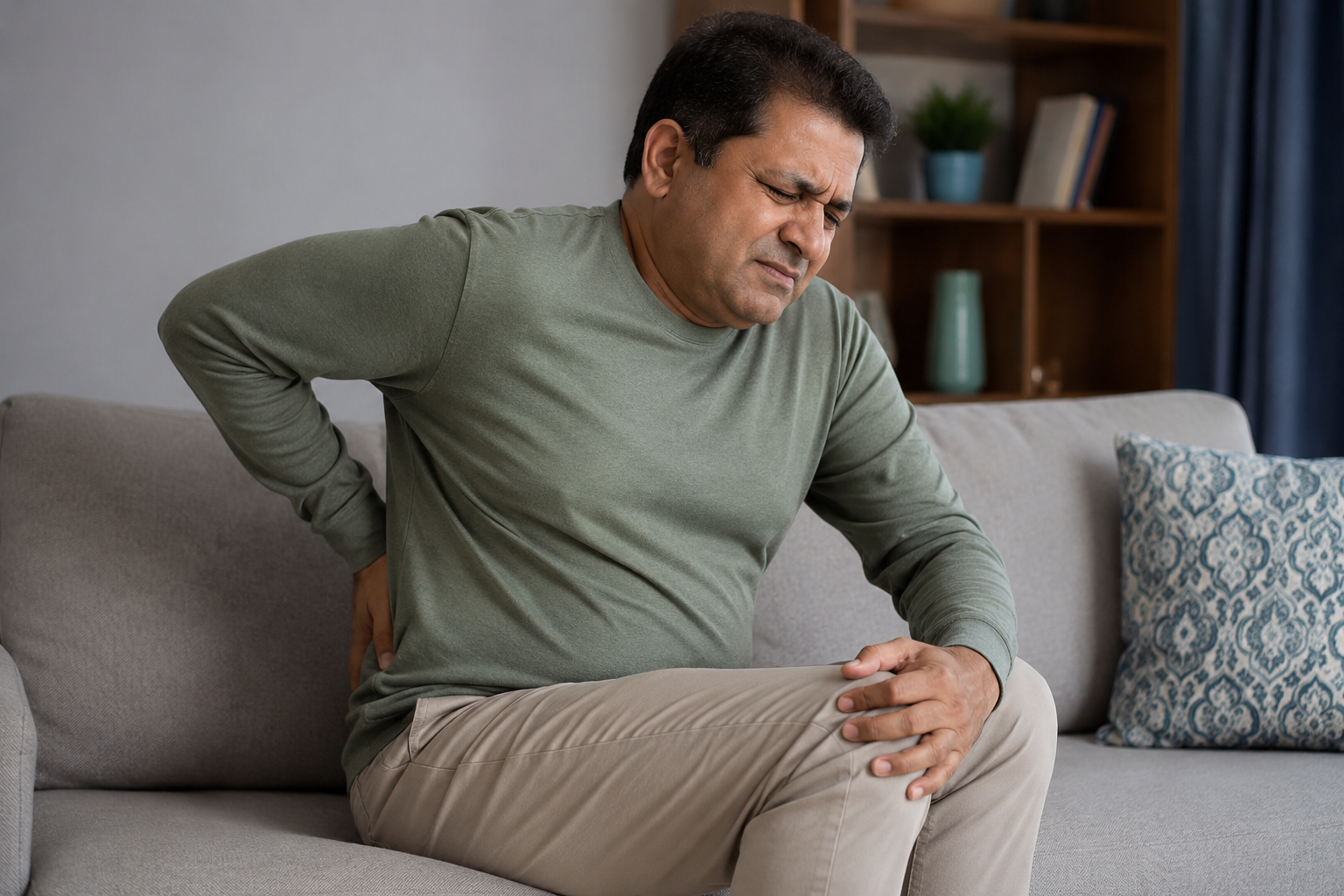
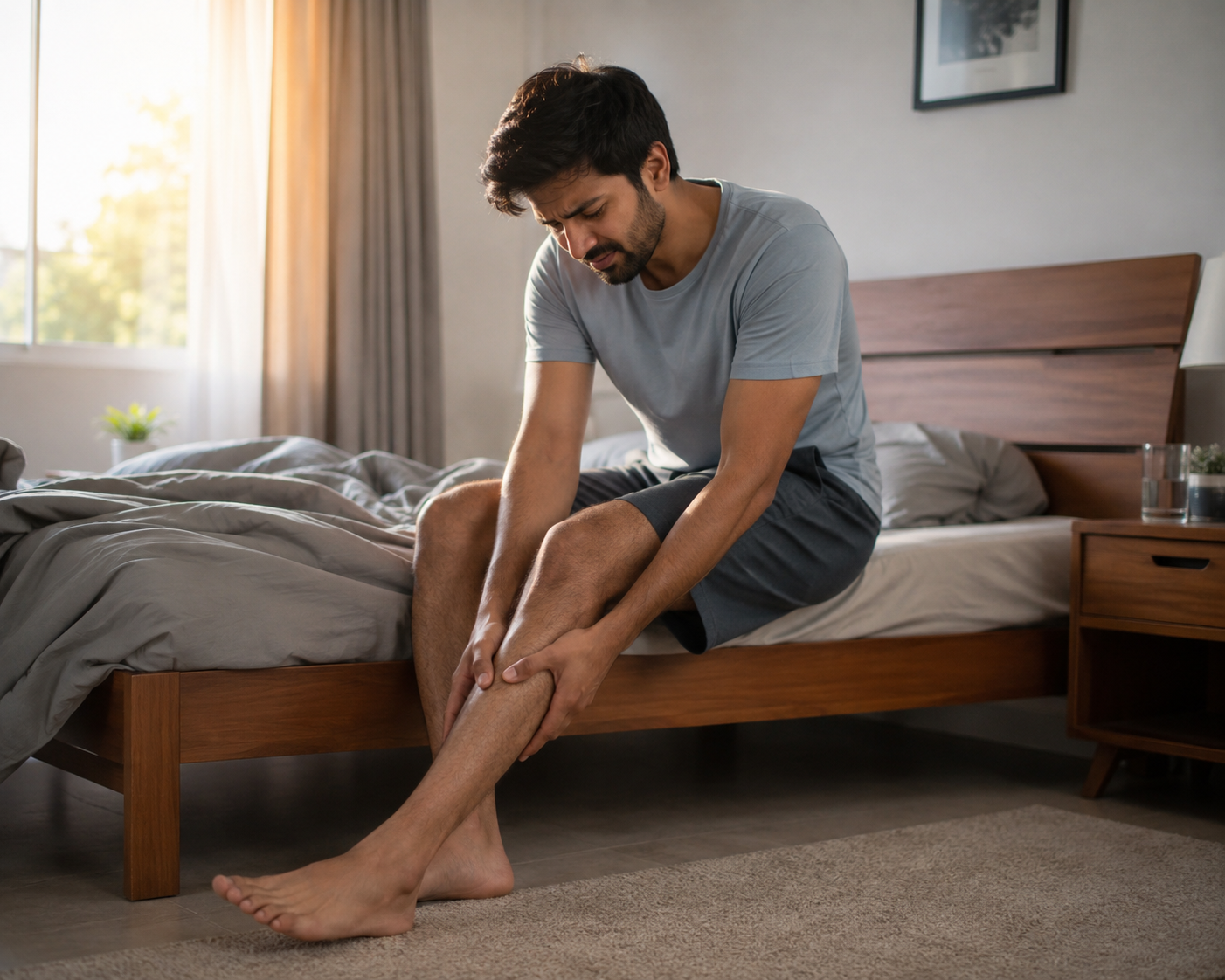
Pain and Joint Problems: Muscle tightness, abnormal posture, and altered movement patterns can contribute to pain or musculoskeletal problems over time.
Any new seizure, sudden weakness, sudden change in consciousness, breathing difficulty, choking, or rapid deterioration should receive prompt medical attention rather than being attributed to Cerebral Palsy alone.
How We Assess Patients at Karma Ayurveda
When someone consults us for Ayurvedic treatment for Cerebral Palsy, we take a detailed look at the individual's current condition and functional abilities.
Understanding the Neurological History: We discuss when the symptoms were first noticed, developmental milestones, birth history when available, previous neurological diagnoses, and current challenges.
Reviewing Medical Reports: Neurology reports, brain imaging, developmental assessments, blood investigations, and other relevant records can provide important context.
Assessing Movement and Muscle Function: We look at muscle stiffness, flexibility, coordination, balance, posture, strength, and the individual's current level of mobility.
Understanding Daily Routine: Nutrition, sleep, physical activity, school or work routine, therapy schedule, and daily assistance requirements are considered.
Ayurvedic Assessment: We assess traditional factors such as Dosha balance, Agni, digestion, bowel habits, physical strength, and patterns associated with Vata.
Creating an Individualized Plan: Based on the assessment, the plan may include selected Ayurvedic therapies, dietary guidance, gentle movement, supportive routines, and coordination with existing rehabilitation.
For children especially, the treating pediatrician, neurologist, physiotherapist, occupational therapist, speech therapist, and other specialists may all play important roles. Ayurvedic care should complement, not replace, these services.
Ayurvedic Therapies Commonly Used for Cerebral Palsy Support
The choice of therapy depends on age, muscle tone, mobility, strength, overall health, and the individual's specific needs.
Some traditional Ayurvedic approaches that may be considered include:
Abhyanga (Ayurvedic Oil Massage): Gentle oil massage may be used to support relaxation, flexibility, circulation, and physical comfort.
Swedana: Carefully controlled therapeutic warmth may be considered in selected cases to support muscle relaxation and mobility. It is not appropriate for everyone.
Shirodhara: This traditional therapy may be used as a relaxation-oriented supportive practice in selected individuals. It should not be presented as a treatment that repairs brain injury.
Basti Therapy: Classical Basti therapies may be considered in some Ayurvedic approaches where Vata imbalance is prominent, depending on age and overall health.
Gentle Stretching and Movement: Appropriate stretching and movement can help maintain flexibility and functional mobility.
Ayurvedic Herbal Support: Traditional herbs or formulations may be considered based on the individual's age, digestion, medications, nutritional status, and overall condition.
Dietary Support: Nutrition is considered an important part of maintaining energy, healthy growth, muscle function, and general wellbeing.
The objective is supportive care. Ayurvedic therapies cannot replace established rehabilitation interventions, assistive devices, orthopedic management, seizure treatment, or other medical care that an individual with CP may need.
What Can You Do at Home to Support Movement and Comfort?
Living with Cerebral Palsy often means that small, consistent routines matter more than dramatic changes.
Follow the Rehabilitation Plan: Continue physiotherapy, occupational therapy, speech therapy, and other recommended rehabilitation consistently.
Encourage Safe Movement: Allow movement within the person's physical abilities rather than keeping them inactive out of fear of discomfort.
Maintain a Nutritious Diet: Adequate calories, protein, vitamins, minerals, and hydration are especially important for growing children and people with increased physical demands.
Maintain a Comfortable Position: Appropriate positioning during sitting, sleeping, and daily activities can help reduce unnecessary strain.
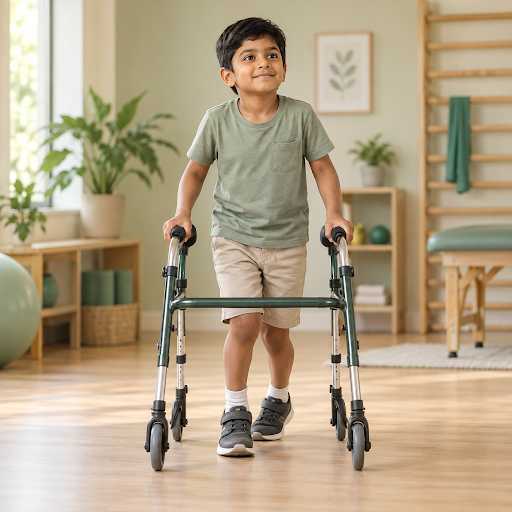
Use Assistive Devices When Recommended: Braces, walkers, wheelchairs, communication aids, or other devices can improve safety and independence when appropriately prescribed.
Watch for Pain: A person who has difficulty communicating may express pain through changes in sleep, mood, movement, appetite, or behaviour.
Create a Safe Home Environment: Remove unnecessary obstacles and make frequently used areas easier to access.
Prioritize Sleep: A consistent sleep routine can support energy, mood, learning, and daily functioning.
Monitor Nutrition and Swallowing: If chewing or swallowing is difficult, consult an appropriate medical or feeding specialist rather than changing food texture randomly.
And most importantly, do not stop prescribed medicines or rehabilitation therapies in the hope that an alternative treatment alone will manage Cerebral Palsy.
Can Ayurveda Support Cerebral Palsy Management?
Ayurveda may offer supportive approaches focused on physical comfort, flexibility, relaxation, nutrition, and overall wellbeing.
However, Cerebral Palsy is caused by a permanent disturbance or injury to the developing brain. There is currently no established Ayurvedic treatment that can reverse the original brain injury or permanently eliminate Cerebral Palsy.
This distinction is important.
If someone promises an Ayurvedic cure for Cerebral Palsy or guarantees that a particular herb or therapy will restore normal brain function, it is worth approaching that claim very carefully.
At Karma Ayurveda, the focus is on realistic, individualized support. Ayurvedic therapies may be considered alongside physiotherapy, occupational therapy, speech therapy, neurological care, orthopedic management, nutritional support, and other appropriate services.
The goal is to help the individual make the most of their existing abilities while supporting comfort and quality of life.
When Should You See a Specialist?
Regular professional care is important for people living with Cerebral Palsy because needs can change with age and development.
Consult a qualified medical specialist if:
- A child's motor milestones appear significantly delayed.
- Muscle stiffness or weakness is interfering with daily activities.
- Walking ability or coordination changes unexpectedly.
- New pain develops or existing pain becomes significantly worse.
- There are repeated falls or difficulty maintaining balance.
- Feeding, chewing, or swallowing becomes difficult.
- New seizures or unusual episodes occur.
- There are changes in speech, communication, behaviour, or consciousness.
- Joint deformities or significant changes in posture develop.
A neurologist, pediatrician, rehabilitation specialist, orthopedic specialist, physiotherapist, occupational therapist, or speech therapist may be involved depending on the person's individual needs.
If you are searching for an Ayurvedic Cerebral Palsy specialist, consider a practitioner who is willing to work alongside the person's existing medical and rehabilitation team rather than asking you to discontinue necessary care.
Supporting Movement, Comfort, and Independence
Cerebral Palsy can change the way a person moves, communicates, learns, and performs everyday activities—but it does not define the person.
For some families, the journey begins with a delayed milestone. For others, it begins with concerns about muscle stiffness, walking, coordination, feeding, or development. Over time, the focus often shifts from asking, "Why is this happening?" to a much more practical question: "How can we help this person do more comfortably and independently?"
That is where individualized care becomes important.
At Karma Ayurveda, our approach to Ayurvedic Cerebral Palsy treatment focuses on the individual's current abilities, physical comfort, flexibility, nutrition, lifestyle, and overall wellbeing.
We believe supportive care should be realistic. It should work alongside physiotherapy, neurological care, occupational therapy, speech therapy, orthopedic management, and other treatments when they are needed.
The goal is not to make unrealistic promises. It is to support the person in maintaining mobility, comfort, function, confidence, and independence for the long term.
Because sometimes progress is not about taking one giant step.
Sometimes, it is about making the next step a little easier.