






















Welcome to Karma Ayurveda Hospital: Best Ayurvedic treatment for Cancer, Kidney Disease, Liver Disease, Diabetes, Heart Disease, Hypertension, Arthritis, Psoriasis, Eczema, Skin Disorders, Respiratory Disorders, Asthma, Digestive Disorders, Thyroid Disorders, Neurological Disorders, Mental Health Disorders, Infertility, Women's Health, Men's Health, Urinary Disorders, Obesity, Anaemia, Migraine, Eye Disorders, Hair & Scalp Disorders, Autoimmune Disorders, Sexual Health, and Panchakarma.

Karma Ayurveda Logo
Home/Kidney/Cysts Kidney Disease

Ayurvedic Treatment & Care

Ayurvedic Treatment for Kidney Cyst

Found a cyst on your kidney and started worrying right away? Not all kidney cysts are the same; their size, number, type, and underlying cause all make a difference. This page covers kidney cysts, symptoms, possible complications, and Ayurvedic treatment for kidney cysts, along with supportive diet and lifestyle guidance.

25+
Years of Experience
1,50,000+
Happy Patients
100%
Ayurvedic & Natural
🫘
Cysts Kidney Disease

What Are Kidney Cysts?

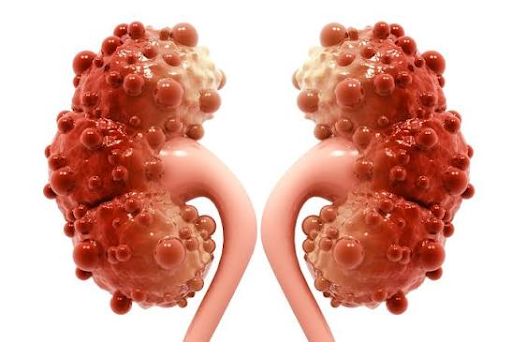
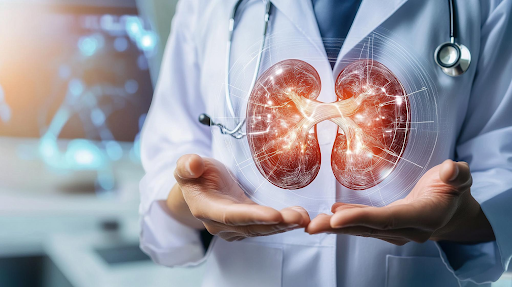
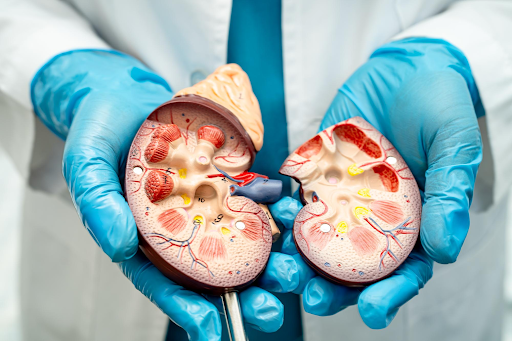
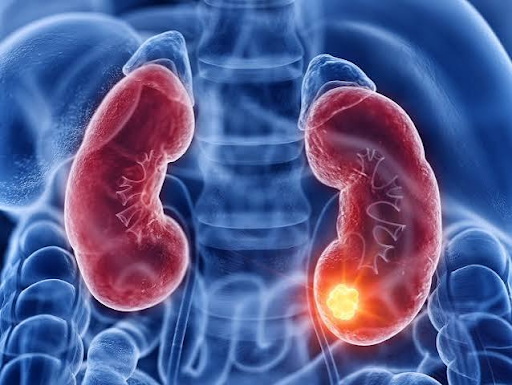
The Core Definition: Kidney cysts are fluid-filled sacs that develop in or around the kidneys.

The Structural Impact: A cyst can change the structure of the kidney, although many simple cysts do not significantly affect healthy kidney tissue.

The Functional Shift: Most simple cysts do not impair kidney function, while multiple or complicated cysts may be associated with kidney problems.

The Ayurvedic Perspective: Ayurveda considers kidney and urinary health through factors such as Dosha balance, digestion, metabolism, and fluid regulation.

Cysts Kidney Disease

Patient Case Studies

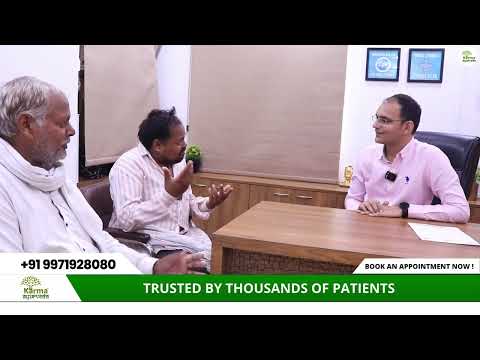
Test Multi-Patient video testimonial
Multi Outcome Test
Watch Video
Verified Patient video testimonial
Remarkable Recovery with Ayurveda
Watch Video
Verified Patient video testimonial
Remarkable Recovery with Ayurveda
Watch Video
Verified Patient video testimonial
Remarkable Recovery with Ayurveda
Watch Video
Verified Patient video testimonial
Remarkable Recovery with Ayurveda
Watch Video
Verified Patient video testimonial
Remarkable Recovery with Ayurveda
Watch Video
Verified Patient video testimonial
Remarkable Recovery with Ayurveda
Watch Video
Test Multi-Patient video testimonial
Multi Outcome Test
Watch Video

Our Awards & Accolades

Delhi Chief Minister Rekha Gupta
Click to View Award

Delhi Chief Minister Rekha Gupta

Award from Shilpa Shetty at IFA
Click to View Award

Award from Shilpa Shetty at IFA

Hon'ble Chief Minister Sh. Nayab Singh Saini
Click to View Award

Hon'ble Chief Minister Sh. Nayab Singh Saini

Felicitated by AYUSH Minister
Click to View Award

Felicitated by AYUSH Minister

Felicitating Indian Ambassador Nagesh Singh
Click to View Award

Felicitating Indian Ambassador Nagesh Singh

AYUSH Best Young Ayurveda Doctor Award
Click to View Award

AYUSH Best Young Ayurveda Doctor Award

Conference on Sustainable Healthcare
Click to View Award

Conference on Sustainable Healthcare

TEDx Panoroad Speaker Award
Click to View Award

TEDx Panoroad Speaker Award

Felicitating Prof. Rakesh Sharma
Click to View Award

Felicitating Prof. Rakesh Sharma

Event hosted by Hamdard
Click to View Award

Event hosted by Hamdard

Cosmo Talks Bangkok
Click to View Award

Cosmo Talks Bangkok

Award from Prof. Rakesh Sharma
Click to View Award

Award from Prof. Rakesh Sharma

How We Reverse Diseases

In Ayurveda, research is built around fundamental pillars to effectively heal and reverse Kidney.

Therapies

➔

Patients may undergo the traditional Ayurvedic treatments if it appears to be beneficial considering their current health condition.

➔

Therapies are chosen based on the patient's medical history, reports, and symptoms.

➔

We explain the purpose of each kind of therapy and what the patient may expect during the procedure.

➔

Different types of therapies can be applied depending on the issues that people face.

Therapies

Patient Medical Reports

Cellular Immunity & Blood Platelet Recovery Report
Click to View Full Report

Cellular Immunity & Blood Platelet Recovery Report

Liver Enzymes (SGOT/SGPT) Normalization Lab Report
Click to View Full Report

Liver Enzymes (SGOT/SGPT) Normalization Lab Report

Creatinine Reduced from 8.4 to 1.8 mg/dL - KFT Report
Click to View Full Report

Creatinine Reduced from 8.4 to 1.8 mg/dL - KFT Report

Nephrotic Syndrome Proteinuria Negative Report
Click to View Full Report

Nephrotic Syndrome Proteinuria Negative Report

Liver Enzymes (SGOT/SGPT) Normalization Lab Report
Click to View Full Report

Liver Enzymes (SGOT/SGPT) Normalization Lab Report

Creatinine Reduced from 8.4 to 1.8 mg/dL - KFT Report
Click to View Full Report

Creatinine Reduced from 8.4 to 1.8 mg/dL - KFT Report

Therapy Plan

Our Treatment Focus for Cysts Kidney Disease

At Karma Ayurveda, we do not simply prescribe herbs to mask symptoms. We analyze the root pathology triggers of cysts kidney disease, customize botanical formulations, and restore long-term cellular balance:

1

Creatinine Management

Using Mutral (diuretic) herbs like Gokshur and Varun to lower urea & creatinine.

2

Nephron Rejuvenation

Rasayana herbs like Punarnava to revive damaged kidney filtration units.

3

GFR Correction

Ayurvedic formulations aimed at progressively improving the Glomerular Filtration Rate.

4

Strict Fluid Regimen

Precision fluid guidelines combined with custom sodium-potassium charts.

Why Hundreds of Thousands Choose Karma Ayurveda

With a healing legacy since 1937, our experienced Ayurvedic clinicians use pure, tested botanical formulations and specialized Panchakarma therapies to restore physiological health naturally.

100% Tested Organic Extracts
84+ Years Healing Legacy
Completely Safe, Zero Harm
Expert Ayurvedic Clinicians
Related Therapies

Other Ayurvedic Kidney Treatments We Offer

Comprehensive specialized Ayurvedic pathways for all related stages and complications of kidney

Acute Kidney Disease

Acute Kidney Disease

Did your kidney function suddenly take a dip? A sudden spike in creatinine, less urine than usual, or unexpected swelling can leave you scrambling for answers. This page walks through acute kidney disease; its warning signs, possible causes, and Ayurvedic treatment for acute kidney disease; along with diet and lifestyle tips for better kidney care.

Read More
Blood Urea

Blood Urea

Blood report shows high urea; does that automatically mean your kidneys are failing? Not necessarily. Blood urea can rise for several different reasons, so it's worth understanding the number in context. This page explains what blood urea means, why it rises, how it relates to kidney function, and Ayurvedic treatment for high blood urea.

Read More
Chronic Kidney Disease

Chronic Kidney Disease

Creatinine climbing while your eGFR keeps dropping? Chronic Kidney Disease tends to progress quietly, which makes understanding what's happening inside your kidneys all the more important. This page covers CKD stages, symptoms, diet, lifestyle changes, and Ayurvedic treatment for chronic kidney disease.

Read More
Creatinine

Creatinine

Your creatinine is rising, but what does that actually mean for your kidneys? A single number on a blood report can raise more questions than it answers. This page breaks down creatinine levels, eGFR, kidney function, possible causes, and Ayurvedic treatment for high creatinine, plus useful diet and lifestyle guidance.

Read More
Foamy Urine

Foamy Urine

Foam in your urine once might mean nothing; but what if it keeps happening? Persistent foamy urine can sometimes be linked to protein leaking through the kidneys' filters. This page covers the possible causes of foamy urine, its connection to proteinuria, and Ayurvedic treatment for foamy urine, along with important kidney-care guidance.

Read More
Glomerulonephritis Kidney

Glomerulonephritis Kidney

Blood or protein turning up in your urine? The problem could be hiding in your kidney's tiny filters. Glomerulonephritis causes inflammation in those filtering units and can affect kidney function. This page covers its causes, symptoms, diagnosis, diet, and Ayurvedic treatment for glomerulonephritis.

Read More
IGA-Nephropathy

IGA-Nephropathy

Blood or recurring protein in your urine is never something to ignore. These signs can sometimes point to IgA Nephropathy, a condition affecting the kidney's tiny filtering units. This page covers its causes, symptoms, diagnosis, progression, diet, and Ayurvedic treatment for IgA Nephropathy.

Read More
Kidney Detox

Kidney Detox

Thinking your kidneys need a detox? Truth is, your kidneys already work around the clock filtering waste; but your daily habits still shape your overall kidney health. This page separates kidney detox facts from myths and shares practical ways to support your kidneys, including an Ayurvedic approach to kidney detox.

Read More
Kidney Dialysis

Kidney Dialysis

Been told dialysis might be necessary? That news comes with a lot of questions; why it's needed, when it's recommended, and what it means for everyday life. This page walks through kidney dialysis, kidney function, diet considerations, and Ayurvedic treatment for kidney dialysis support.

Read More
Kidney Failure

Kidney Failure

What happens when the kidneys can no longer filter waste the way they should? Kidney failure brings up serious questions about symptoms, treatment, dialysis, and everyday life. This page covers the stages of kidney failure, creatinine, eGFR, diet, dialysis, and Ayurvedic treatment for kidney failure.

Read More
Kidney Infection Pyelonephritis

Kidney Infection Pyelonephritis

Fever, chills, burning urination, pain in your back or side; don't write it off as just another UTI. A kidney infection affects the kidneys directly and may call for prompt medical attention. This page covers kidney infection and pyelonephritis, its symptoms, causes, complications, prevention, and Ayurvedic treatment for kidney infection.

Read More
Kidney Shrinkage

Kidney Shrinkage

Small or shrunken kidneys showing up on an ultrasound can be alarming; but what does it actually mean? Understanding why the kidneys have reduced in size can help make sense of your overall kidney health. This page covers the possible causes of kidney shrinkage, kidney function, diet, lifestyle guidance, and Ayurvedic treatment for kidney shrinkage.

Read More
Kidney Stone Disease

Kidney Stone Disease

That sudden, unbearable pain in your side or back could well be a kidney stone announcing itself. But pain is far from the only thing these stones can cause. This page covers kidney stone disease, why stones form, symptoms, diet, prevention, and Ayurvedic treatment for kidney stones.

Read More
Kidney Swelling

Kidney Swelling

Swollen feet, ankles, or puffy eyes might be more than simple water retention. Kidney issues can sometimes affect how your body manages fluid and protein, leading to noticeable kidney swelling. This page covers the causes of kidney swelling, related symptoms, diet, lifestyle measures, and Ayurvedic treatment for kidney swelling.

Read More
Nephrotic Syndrome

Nephrotic Syndrome

Swollen feet, puffy eyes, foamy urine; sound familiar? Your kidneys might be losing more protein than they should. Nephrotic Syndrome can affect a lot more than just your urine test results. This page explains its causes, symptoms, protein loss, diet, and Ayurvedic treatment for nephrotic syndrome.

Read More
Polycystic Kidney Disease

Polycystic Kidney Disease

Finding out you have multiple cysts in your kidneys raises plenty of questions; what caused them, will they affect kidney function, what should you be watching for? This page covers polycystic kidney disease, its symptoms, how it progresses, possible complications, diet, and Ayurvedic treatment for polycystic kidney disease.

Read More
Proteinuria

Proteinuria

Urine test comes back saying "protein detected"; should that worry you? Protein in the urine can sometimes be temporary, but when proteinuria sticks around, it can point to an underlying kidney issue. This page covers its causes, symptoms, urine protein levels, diet, and Ayurvedic treatment for proteinuria.

Read More

Ayurvedic Kidney Cyst Treatment: Supporting Kidney Health and Urinary Wellbeing


The word "cyst" can sound alarming.

The moment someone sees "kidney cyst" on an ultrasound report, Google usually becomes the next doctor in the room; and suddenly you're reading about everything from harmless simple cysts to inherited kidney disorders.

But not every kidney cyst means the same thing.

A simple kidney cyst is often a benign, fluid-filled sac that is discovered incidentally during an ultrasound or other imaging test. Many people have them without experiencing any symptoms or kidney problems.

Other cystic conditions are different.

For example, Polycystic Kidney Disease (PKD) is an inherited condition in which numerous cysts develop and enlarge over time, potentially affecting kidney function and other organs.

Some cysts may also be described as complex because they have features such as thick walls, internal septations, calcification, or solid components. These findings require appropriate medical evaluation and imaging follow-up.

At Karma Ayurveda, when someone approaches us looking for Ayurvedic kidney cyst treatment, we first try to understand exactly what kind of cyst has been identified.

We review ultrasound, CT, MRI, or other imaging reports, along with creatinine, eGFR, urine findings, blood pressure, blood sugar, symptoms, medical history, medications, and family history.

We also consider whether the cyst is simple or complex, whether it is solitary or multiple, whether both kidneys are involved, and whether there are signs of obstruction, infection, bleeding, or reduced kidney function.

Our Ayurvedic assessment may additionally consider digestion, bowel habits, Dosha patterns, urinary function, lifestyle, sleep, and overall strength.

This helps us avoid treating every "kidney cyst" as if it were the same condition.

Most importantly, Ayurvedic support should complement appropriate medical evaluation, especially when a cyst is complex, growing, symptomatic, or associated with abnormal kidney function.

What Exactly Causes Kidney Cysts?

The exact cause depends on the type of cyst.

Simple kidney cysts are common, particularly with increasing age, and their exact cause is not always clear.

They are different from cysts associated with inherited disorders such as Polycystic Kidney Disease.

Kidney cysts may also develop in people with long-standing kidney disease, including some individuals receiving dialysis.

In children and younger adults, cystic kidney findings may require more careful evaluation because inherited or congenital conditions may be involved.

That is why the description on an imaging report matters.

A report saying "simple cyst" carries a very different meaning from a report describing "complex cystic lesion."

The Common Contributors

Age-Related Changes: Simple kidney cysts become more common as people get older.

Genetic Conditions: Disorders such as Polycystic Kidney Disease can cause numerous kidney cysts.

Chronic Kidney Disease: Acquired cystic kidney disease can occur in people with long-standing kidney dysfunction, particularly in advanced disease.

Family History: A family history of PKD or another inherited kidney condition can increase the importance of genetic evaluation.

Congenital Conditions: Some cystic kidney abnormalities are present from birth.

Long-Term Kidney Damage: Chronic damage to kidney tissue may be associated with the development of acquired cysts.

Unknown Causes: In many people with isolated simple kidney cysts, there is no clear single cause.

From an Ayurvedic perspective, traditional assessment may consider factors involving Doshas, digestion, metabolism, tissue nourishment, and urinary function. These concepts should complement; not replace; imaging and medical assessment of a kidney cyst.

Kidney Cyst Symptoms You Shouldn't Ignore

Many simple kidney cysts cause no symptoms at all.

They may be discovered accidentally while having an ultrasound for another reason.

Symptoms are more likely when a cyst becomes large, bleeds, becomes infected, ruptures, or affects nearby structures.

Possible symptoms include:

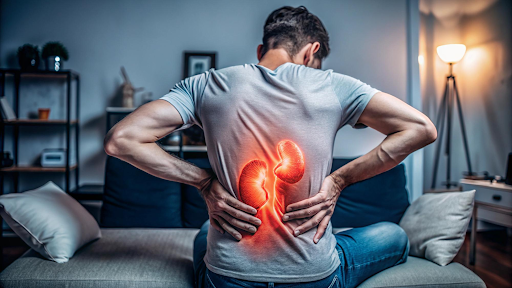
Pain in the Side or Back: A larger cyst may cause discomfort or pressure in the flank, back, or abdomen.

Abdominal Fullness: A large cyst can sometimes create a sensation of fullness or pressure.

Blood in Urine: Bleeding from or around a cyst can sometimes result in blood in the urine.

Changes in Urination: Urinary symptoms may occur depending on the location of the cyst or another underlying urinary problem.

Fever: Fever with pain may suggest infection and requires medical assessment.

High Blood Pressure: Kidney conditions can be associated with elevated blood pressure.

Swelling: Fluid retention may occur when kidney function is significantly affected.

Changes in Kidney Function: Creatinine may rise or eGFR may decline if significant kidney disease is present.

Recurrent Urinary Problems: Some people may experience urinary infections or other related symptoms.

Seek prompt medical attention for severe sudden flank or abdominal pain, fever with urinary symptoms, visible blood in the urine, inability to urinate, severe weakness, or rapidly worsening swelling.

How We Assess Patients at Karma Ayurveda

When someone consults us for Ayurvedic treatment for kidney cysts, the first step is understanding what the imaging actually says.

1. Reviewing the Imaging Report

We review available ultrasound, CT, MRI, or other imaging reports.

2. Understanding the Type of Cyst

The distinction between a simple cyst, complex cystic lesion, multiple cysts, and other findings is important.

3. Looking at Size and Location

The size and location of a cyst can help determine whether it is likely to cause pressure, obstruction, or other symptoms.

4. Checking Both Kidneys

We look at whether the cyst is isolated or whether multiple cysts are present in one or both kidneys.

5. Checking Kidney Function

Creatinine, eGFR, urine protein or albumin, electrolytes, and other relevant tests may be reviewed.

6. Understanding Symptoms

Pain, blood in urine, fever, urinary changes, swelling, fatigue, and other symptoms are discussed.

7. Understanding Family History

A family history of PKD or other kidney conditions can be important, particularly when multiple cysts are present.

8. Reviewing Medicines and Supplements

Prescription medicines, painkillers, supplements, and herbal products are discussed.

9. Ayurvedic Assessment

Traditional assessment may consider Dosha patterns, digestion, metabolism, urinary function, lifestyle, and overall strength.

10. Creating an Individualized Plan

Supportive care is developed according to the person's kidney function, symptoms, imaging findings, medical treatment, and overall health.

Ayurvedic Therapies Commonly Used for Kidney Cyst Support

A very important distinction needs to be made here.

There is no established Ayurvedic therapy proven to reliably dissolve or eliminate kidney cysts, particularly inherited cysts associated with Polycystic Kidney Disease.

Therefore, Ayurvedic care should not be presented as a guaranteed method for making a cyst disappear.

Depending on the individual's condition, selected supportive approaches may include:

Shamana Chikitsa: Individualized Ayurvedic support may be considered according to symptoms, digestion, strength, and overall health.

Dietary Guidance: Food recommendations may be adapted according to kidney function, blood pressure, diabetes, electrolyte levels, and nutritional requirements.

Selected Herbal Support: Traditional herbs may be considered in appropriate individuals, but their safety and suitability must be assessed carefully in anyone with kidney problems.

Abhyanga: Gentle oil massage may be considered for relaxation and physical comfort when appropriate.

Gentle Yoga and Movement: Appropriate physical activity may support mobility, cardiovascular health, and general wellbeing.

Digestive Support: Healthy meal timing, digestion, bowel regularity, and sustainable food habits may be addressed.

Lifestyle Guidance: Sleep, physical activity, hydration, stress management, and other daily routines may be included.

Intensive cleansing therapies should not be undertaken simply because a scan shows a kidney cyst.

If an imaging report describes a complex cyst, further medical evaluation takes priority.

What Can You Do at Home to Support Kidney Health?

Finding a kidney cyst does not automatically mean you need a special "cyst diet."

For many people with simple kidney cysts, the cyst itself may require only observation.

What matters is maintaining overall kidney and cardiovascular health.

Monitor Blood Pressure: Keep blood pressure within the range recommended by your healthcare professional.

Control Blood Sugar: If you have diabetes, appropriate glucose control can help protect kidney health.

Reduce Excess Salt: Too much sodium can increase blood pressure and fluid retention.

Eat a Balanced Diet: Choose nutritious foods according to your individual health and kidney function.

Maintain Healthy Physical Activity: Regular movement supports cardiovascular and metabolic health.

Maintain a Healthy Weight: If needed, gradual weight management can support overall health.

Stay Hydrated Appropriately: Adequate hydration is important, but forcing excessive amounts of water does not remove kidney cysts.

Avoid Unnecessary Painkillers: Frequent use of certain NSAIDs can harm the kidneys.

Avoid Random Herbal Products: A "kidney cleansing" product is not automatically safe just because it is natural.

Follow Recommended Imaging: If your doctor recommends repeat ultrasound, CT, MRI, or other monitoring, don't skip it.

And if you have a complex cyst or an inherited cystic kidney condition, don't attempt to manage it solely through home remedies.

Can Ayurveda Support Kidney Cyst Management?

Ayurveda may provide complementary support through individualized diet and lifestyle guidance, digestive care, selected traditional therapies, relaxation practices, and overall wellbeing.

However, there is no established Ayurvedic cure that reliably removes kidney cysts or reverses the genetic cause of Polycystic Kidney Disease.

This distinction matters because "kidney cyst" is a broad term.

A small simple cyst may simply need observation.

A complex cyst may require additional imaging or specialist evaluation.

Multiple cysts in both kidneys may raise the possibility of an inherited condition such as PKD.

And a cyst causing pain, infection, bleeding, obstruction, or other complications may require specific medical treatment.

At Karma Ayurveda, we therefore believe that Ayurvedic support should begin with understanding the diagnosis rather than assuming every cyst needs a detox or herbal remedy.

Our approach is focused on the person's complete health picture, appropriate lifestyle support, and responsible monitoring.

When Should You See a Specialist?

Many simple kidney cysts are harmless, but certain findings should not be ignored.

Consider consulting a nephrologist, urologist, or other qualified medical professional if:

  1. Your scan describes a complex kidney cyst.
  2. The cyst is increasing in size on follow-up imaging.
  3. You have persistent or severe pain in your side, back, or abdomen.
  4. You notice blood in your urine.
  5. You develop fever with urinary or flank symptoms.
  6. You have multiple cysts in one or both kidneys.
  7. You have a family history of Polycystic Kidney Disease.
  8. Your creatinine is increasing or eGFR is declining.
  9. You develop protein in your urine.
  10. Your blood pressure is persistently high.

If you are searching for an Ayurvedic kidney cyst specialist, choose a qualified practitioner who reviews the imaging report and kidney function tests and understands when urology, nephrology, or further imaging is necessary.

Supporting Kidney Health When a Cyst Is Found

Seeing the words "kidney cyst" on a scan can be unsettling.

But the first thing to remember is that not all cysts are alike.

A simple cyst discovered incidentally can be very different from multiple cysts associated with Polycystic Kidney Disease or a complex cystic lesion that needs further investigation.

That is why the first step should not be panic; and it should not be a random kidney detox.

It should be understanding the report.

At Karma Ayurveda, our approach to Ayurvedic kidney cyst treatment begins with understanding the type of cyst, its size and location, the condition of both kidneys, kidney function, symptoms, medical history, and other relevant findings.

We then consider diet, lifestyle, digestion, urinary health, and traditional Ayurvedic assessment when developing supportive care.

The goal is not to promise that every cyst can disappear.

It is to provide responsible support while ensuring that important medical evaluation and monitoring are not overlooked.

If the cyst is simple and stable, your doctor may simply recommend observation.

If it is complex, symptomatic, growing, or associated with abnormal kidney function, further medical evaluation may be necessary.

So instead of asking only, "How do I remove my kidney cyst?"

Start with a more useful question:

"What type of cyst do I have, and what does it mean for my kidney health?"

Because when it comes to kidney cysts, understanding the finding is the first step toward making the right care decisions.

Find Us Near You

Our Clinics (हमारे क्लिनिक)

Visit your nearest Karma Ayurveda center and connect with our experts for personalized consultation.

Delhi
Jaipur
Patna
Bangalore
Mumbai
Lucknow
Noida
Lucknow - Vikas Nagar
Gurugram
Pratap Nagar
Delhi - Janakpuri

Discover Karma Ayurveda treatment centers and consultations offering specialized care for Kidney across India.

Explore All Locations →
FAQ

Frequently Asked Questions

There is no established Ayurvedic cure that can reliably eliminate kidney cysts. Ayurvedic care may be considered complementary support for lifestyle, nutrition, digestion, and overall wellbeing.
There is no reliable clinical evidence that Ayurvedic treatment consistently dissolves established kidney cysts. The appropriate approach depends on the type, size, location, and characteristics of the cyst.
Many simple kidney cysts are benign and do not cause problems. However, complex cysts, symptomatic cysts, multiple cysts, or cysts associated with kidney dysfunction require appropriate evaluation.
Simple kidney cysts are generally considered benign. However, a cystic lesion with complex imaging features is different and may require additional assessment to determine its nature.
Most simple kidney cysts do not cause symptoms. A large cyst, bleeding, infection, rupture, or another kidney condition may cause pain in the side, back, or abdomen.
A simple cyst usually does not significantly affect kidney function. However, extensive cystic disease or another underlying kidney condition may affect kidney function and cause creatinine to rise.
Not specifically to remove the cyst. Adequate hydration may support normal kidney function, but excessive water intake does not make kidney cysts disappear and may be inappropriate for people with certain medical conditions.
There is no universal cyst-specific diet. A balanced diet with appropriate sodium and other nutrients is generally helpful, while people with reduced kidney function may need individualized adjustments to protein, potassium, phosphorus, or fluid intake.
Some cysts may remain stable for years, while others may change over time. Whether a cyst needs monitoring or treatment depends on its type and imaging characteristics.
There is no fixed timeline, and Ayurvedic treatment should not be expected to reliably remove a kidney cyst. Supportive care focuses on sustainable lifestyle habits, symptom support, and overall kidney wellbeing while appropriate medical monitoring continues.