











































Welcome to Karma Ayurveda Hospital: Best Ayurvedic treatment for Cancer, Kidney Disease, Liver Disease, Diabetes, Heart Disease, Hypertension, Arthritis, Psoriasis, Eczema, Skin Disorders, Respiratory Disorders, Asthma, Digestive Disorders, Thyroid Disorders, Neurological Disorders, Mental Health Disorders, Infertility, Women's Health, Men's Health, Urinary Disorders, Obesity, Anaemia, Migraine, Eye Disorders, Hair & Scalp Disorders, Autoimmune Disorders, Sexual Health, and Panchakarma.

Karma Ayurveda Logo
Home/Diseases/Diabetes

Ayurvedic Treatment For Diabetes

High blood sugar isn't something to address only when a report comes back abnormal; it needs steady, ongoing attention. Diabetes can affect the eyes, kidneys, nerves, heart, and more when it isn't well managed. This page explains its causes, symptoms, types, how to manage blood sugar, diet, lifestyle changes, and Ayurvedic treatment for diabetes.

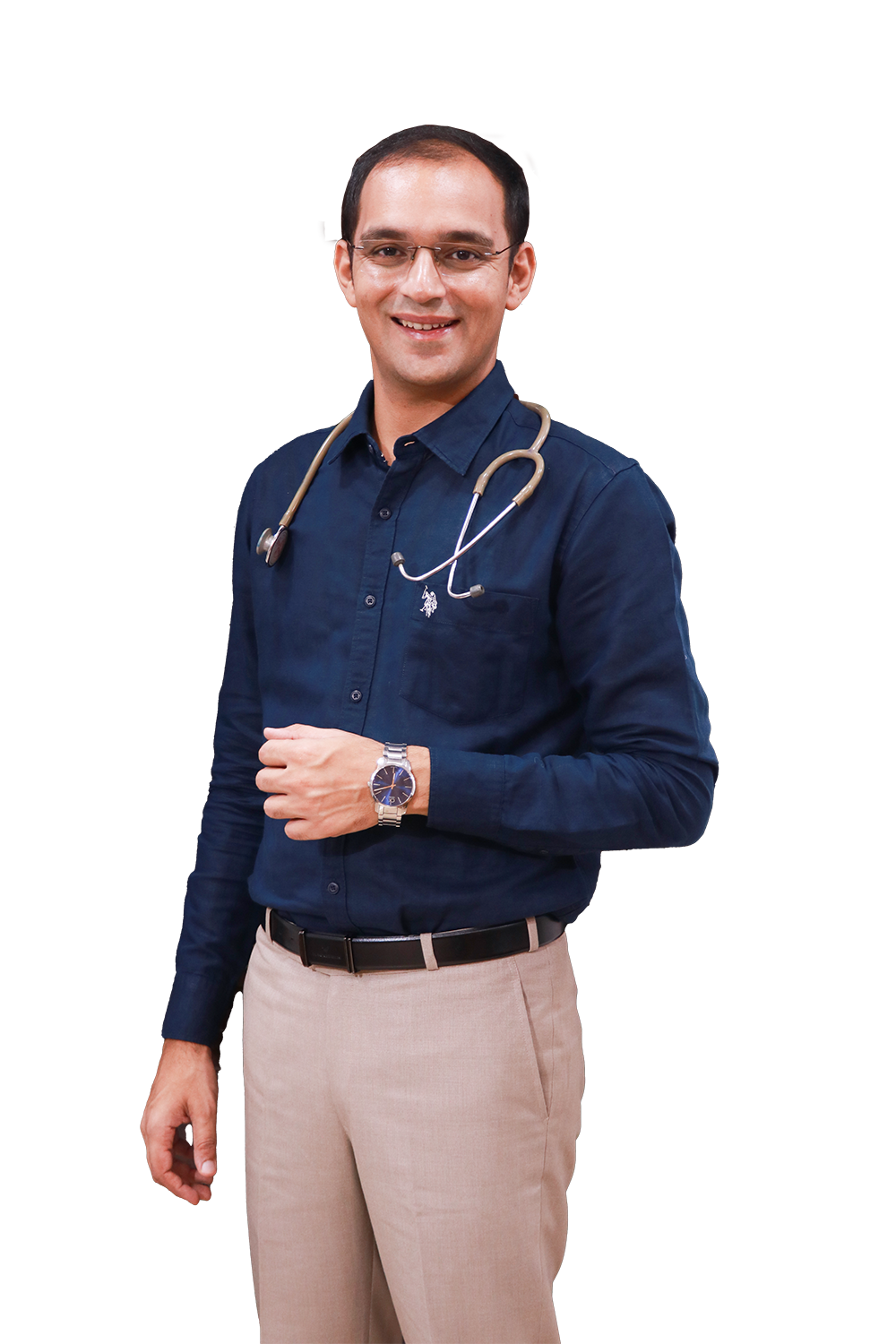
Dr. Puneet Dhawan
Dr. Puneet Dhawan (BAMS)
Senior Ayurvedic Consultant • 25+ Yrs Experience
Doctor Profile→
25+
Years of Experience
1,50,000+
Happy Patients
100%
Ayurvedic & Natural

Book Doctor Consultation

100% ConfidentialExpert GuidanceNo Spam

What Is Diabetes?

The Core Definition: A chronic metabolic condition characterized by persistently elevated levels of glucose (sugar) in the bloodstream due to defects in insulin production, insulin action, or both.

The Structural Impact: Over time, high blood sugar damages blood vessels, nerves, kidneys, eyes, and cardiovascular structures throughout the body.

The Functional Shift: Disrupts the body's natural ability to convert food into cellular energy, leading to chronic fatigue, frequent urination (polyuria), excessive thirst (polydipsia), and increased hunger (polyphagia).

The Ayurvedic Perspective: Classically categorized under Madhumeha (a major form of Prameha). It is primarily driven by an imbalance in Kapha Dosha and Pitta Dosha, leading to the accumulation of metabolic toxins (Ama) and weakening of the body's deep tissue elements (Dhatus), particularly Medo Dhatu (fat tissue) and Kleda (fluid balance).

Diabetes Clinical Care

How We Reverse Diseases

Therapies

Key information to help you understand this stage of Diabetes.

At Karma Ayurveda, Abhyanga, a traditional oil massage, may be considered for relaxation if suitable.

Our team checks the patient's feet, skin, and sensation before discussing massage.

We avoid massage over wounds, infections, or areas with reduced feeling.

This therapy is not proven to control blood sugar and cannot replace diabetes medicines or insulin.

Our team explains why regular blood sugar checks remain important.

Patients with diabetes should tell their healthcare professional about any new therapy, especially if they have nerve damage, foot problems, or poor circulation.

Therapies
Sodhan

Therapies

Therapies

Root Causes & Underlying Factors of Diabetes

Ayurvedic healing does not merely suppress surface discomfort. We analyze the root triggers that initiate and maintain Diabetes.

High-Glycemic & Refined Diet
Cause #1

High-Glycemic & Refined Diet

Visceral Fat & Insulin Resistance
Cause #2

Visceral Fat & Insulin Resistance

Sedentary Routine
Cause #3

Sedentary Routine

Sleep Disruption & Cortisol Spikes
Cause #4

Sleep Disruption & Cortisol Spikes

Chronic Mental & Metabolic Stress
Cause #5

Chronic Mental & Metabolic Stress

Genetic & Hereditary Factors
Cause #6

Genetic & Hereditary Factors

Target the Root Cause of Diabetes Naturally

Our doctors design a personalized roadmap based on your medical reports, eliminating doshic blockages and restoring vitality.

Signs to Watch For | Symptoms of Diabetes

Recognizing the early warning signals of Diabetes allows timely Ayurvedic intervention before chronic tissue complications set in.

Unusual Thirst (Polydipsia)
Sign #1

Unusual Thirst (Polydipsia)

Frequent Urination (Polyuria)
Sign #2

Frequent Urination (Polyuria)

Persistent Tiredness & Low Energy
Sign #3

Persistent Tiredness & Low Energy

Burning & Tingling in Soles (Pada Daha)
Sign #4

Burning & Tingling in Soles (Pada Daha)

Weight Shifts & Sweet Cravings
Sign #5

Weight Shifts & Sweet Cravings

Slow-Healing Cuts & Infections
Sign #6

Slow-Healing Cuts & Infections

Blurry Vision After Meals
Sign #7

Blurry Vision After Meals

Experiencing any of these symptoms for Diabetes?

Patient Case Studies

Vijay Yadav video testimonial
Blood Sugar Reversal
4:50
Sunita Gupta video testimonial
Insulin-Free Life
5:05

Empanelled With Recognized Medical Panels

ECHS
ON PANELECHS
CGHS
ON PANELCGHS
CAPF
ON PANELCAPF
NCERT
ON PANELNCERT
DDA
ON PANELDDA
CBSE
ON PANELCBSE

Our Awards & Accolades

Delhi Chief Minister Rekha Gupta
Click to View Award

Delhi Chief Minister Rekha Gupta

Award from Shilpa Shetty at IFA
Click to View Award

Award from Shilpa Shetty at IFA

Hon'ble Chief Minister Sh. Nayab Singh Saini
Click to View Award

Hon'ble Chief Minister Sh. Nayab Singh Saini

Felicitated by AYUSH Minister
Click to View Award

Felicitated by AYUSH Minister

Felicitating Indian Ambassador Nagesh Singh
Click to View Award

Felicitating Indian Ambassador Nagesh Singh

AYUSH Best Young Ayurveda Doctor Award
Click to View Award

AYUSH Best Young Ayurveda Doctor Award

Conference on Sustainable Healthcare
Click to View Award

Conference on Sustainable Healthcare

TEDx Panoroad Speaker Award
Click to View Award

TEDx Panoroad Speaker Award

Felicitating Prof. Rakesh Sharma
Click to View Award

Felicitating Prof. Rakesh Sharma

Event hosted by Hamdard
Click to View Award

Event hosted by Hamdard

Cosmo Talks Bangkok
Click to View Award

Cosmo Talks Bangkok

Award from Prof. Rakesh Sharma
Click to View Award

Award from Prof. Rakesh Sharma

All Major Health Insurance Providers Covered

Insurance Partner
Insurance Partner
Insurance Partner
Insurance Partner
Insurance Partner
Insurance Partner
Insurance Partner
Insurance Partner
Insurance Partner
Insurance Partner
Insurance Partner
Insurance Partner
Insurance Partner
Insurance Partner
Insurance Partner
Insurance Partner
Insurance Partner
Insurance Partner
Insurance Partner
Insurance Partner
Insurance Partner
Insurance Partner
Insurance Partner
Insurance Partner
Insurance Partner
Insurance Partner
Insurance Partner
Insurance Partner
Insurance Partner
Insurance Partner
Insurance Partner
Insurance Partner
Insurance Partner
Insurance Partner
Insurance Partner
Insurance Partner
Insurance Partner
Insurance Partner
Insurance Partner
Insurance Partner
Insurance Partner
Insurance Partner
Insurance Partner
Insurance Partner
Insurance Partner
Insurance Partner
Insurance Partner
Insurance Partner
Insurance Partner
Insurance Partner
Insurance Partner
Insurance Partner
Insurance Partner
Insurance Partner
Insurance Partner
Insurance Partner
Insurance Partner
Insurance Partner
Insurance Partner
Insurance Partner
Insurance Partner
Insurance Partner
Insurance Partner
Insurance Partner
Insurance Partner
Insurance Partner
Insurance Partner
Insurance Partner

Patient Medical Reports

Cellular Immunity & Blood Platelet Recovery Report
Click to View Full Report

Cellular Immunity & Blood Platelet Recovery Report

Liver Enzymes (SGOT/SGPT) Normalization Lab Report
Click to View Full Report

Liver Enzymes (SGOT/SGPT) Normalization Lab Report

Creatinine Reduced from 8.4 to 1.8 mg/dL - KFT Report
Click to View Full Report

Creatinine Reduced from 8.4 to 1.8 mg/dL - KFT Report

Nephrotic Syndrome Proteinuria Negative Report
Click to View Full Report

Nephrotic Syndrome Proteinuria Negative Report

Liver Enzymes (SGOT/SGPT) Normalization Lab Report
Click to View Full Report

Liver Enzymes (SGOT/SGPT) Normalization Lab Report

Creatinine Reduced from 8.4 to 1.8 mg/dL - KFT Report
Click to View Full Report

Creatinine Reduced from 8.4 to 1.8 mg/dL - KFT Report

Therapy Plan

Our Treatment Focus

At Karma Ayurveda, we do not simply prescribe herbs to mask symptoms. We study your body constitution (Prakriti), analyze root pathology triggers, and restore physiological balance at the cellular level:

1

Pancreatic Health

Bitter herbs like Gudmar, Karela, and Methi to trigger beta-cell secretions.

2

Digestive Correction

Strengthening the metabolic fire to digest excess sugar and prevent toxin (Ama) accumulation.

3

Neuropathy Defense

Nerve-strengthening Rasayana blends to avoid diabetic complications.

4

Ayurvedic Diet Chart

Strict customized carbohydrate limits combined with detoxifying raw fiber plans.

Meet Our Expert

Dr. Puneet Dhawan

Pioneering Ayurvedic Kidney Treatment

BAMS, 5th-generation Ayurvedic physician

A 5th-generation Ayurvedic physician and one of the best Ayurvedic doctors in India, Dr. Puneet Dhawan has been at the forefront of transforming Ayurvedic treatment for kidney disease. Not just that, Karma Ayurveda Hospital has transformed into a multi-specialty hospital under his leadership, offering natural treatment for kidneys, liver, skin and other ailments.

1.5 Lakh+

Patients Treated

100%

Natural Approach

Dr. Puneet Dhawan

Ayurvedic Approach to Diabetes (Madhumeha): Supporting Blood Sugar Balance and Metabolic Vitality

Before we explore why metabolic imbalances occur, let's talk about how we approach the person experiencing those health shifts.

At Karma Ayurveda, we do not believe that every individual managing blood sugar levels needs a generic, copy-paste diet chart or herbal prescription. Two people can walk into a consultation with elevated HbA1c reports, yet have completely different metabolic triggers, dietary habits, stress levels, and digestive capacities.

One person may be dealing with Type 2 Diabetes closely linked to overweight, a sedentary lifestyle, high stress, and sluggish digestion. Another may have a long history of fluctuating blood sugar levels despite maintaining a lean diet, driven primarily by genetic factors, severe stress, or pancreatic fatigue. Someone else may be seeking supportive care to prevent diabetic nerve or kidney complications while managing their daily insulin or oral medication routines.

That is why our approach to Ayurvedic treatment for Madhumeha (Diabetes) focuses on understanding the individual as a whole rather than viewing a blood lab report in isolation.

We evaluate your specific symptoms, daily diet, stress levels, medical history, and digestive strength (Agni) before suggesting a care plan. The goal is to make Ayurvedic care practical and effective; because a routine that creates undue physical exhaustion or conflicts with essential medical management isn't truly helpful.

Many individuals and families exploring Ayurvedic diabetes management in India seek personalized care that improves metabolic health, purifies deep tissues, enhances natural insulin response, and supports long-term vitality.

What Exactly Causes Diabetes?

Your body relies on the hormone insulin, produced by the pancreas, to allow glucose from digested food to enter cells for energy.

So, what factors contribute to a breakdown in these vital glucose-regulation pathways?

The Common Contributors

Insulin Resistance: Body cells become less responsive to insulin, forcing the pancreas to produce more until it can no longer keep up with demand.

Pancreatic Beta-Cell Dysfunction: A gradual drop in the pancreas's ability to produce sufficient insulin needed for normal metabolic balance.

Unhealthy Diet and High Sugar Intake: Consuming excessive refined carbohydrates, processed foods, sugary beverages, and heavy saturated fats overloads digestive capacity.

Sedentary Lifestyle: Lack of physical activity reduces muscle glucose uptake, causing sugar to remain in the bloodstream.

Chronic Stress and Cortisol Elevation: Long-term mental stress triggers continuous release of stress hormones like cortisol, which directly elevate blood sugar levels.

Digestive Weakness (Agni Mandya) & Toxins (Ama): Incomplete digestion generates toxic waste that clogs micro-circulatory channels (Srotas), impairing tissue metabolic fire (Dhatvagni).

Identifying your specific metabolic triggers helps tailor a much clearer path toward sustainable glucose management.

Diabetes Symptoms You Shouldn't Ignore

Metabolic changes in diabetes often develop gradually, but specific physical cues deserve close observation:

Frequent Urination (Polyuria): Waking up multiple times at night or needing to pass urine frequently throughout the day.

Excessive Thirst (Polydipsia): Feeling constantly thirsty or having a dry mouth despite drinking adequate fluids.

Unexplained Fatigue and Low Energy: Feeling exhausted or lethargic even after resting, as cells lack available energy.

Increased Hunger (Polyphagia): Experiencing persistent hunger cues shortly after consuming meals.

Slow-Healing Cuts or Bruises: Minor wounds, scratches, or sores taking longer than usual to heal.

Tingling or Numbness (Diabetic Neuropathy): A pins-and-needles sensation, burning, or numbness in the hands, feet, or toes.

Blurry Vision: Occasional changes in eyesight or difficulty focusing due to fluid shifts in the eye lenses.

Extremely high blood sugar accompanied by confusion, rapid breathing, fruity-smelling breath, persistent vomiting, or severe weakness requires immediate emergency medical evaluation.

How We Assess Patients at Karma Ayurveda

When someone consults us seeking diabetes management in Ayurveda, our initial step is never just asking, "What is your fasting glucose level?"

We focus on understanding why your body is struggling to process glucose and how your overall digestion, metabolism, and organ health are performing.

Understanding Your Symptoms: We discuss when high blood sugar was first detected, how fatigue or numbness affects your routine, and your daily appetite.

Looking at Your Medical Reports: If you have recent blood work (HbA1c, Fasting Blood Sugar, Postprandial Glucose, Kidney & Liver Function Tests), we review them carefully to align supportive care safely.

Understanding Your Lifestyle: We evaluate daily eating habits, physical activity levels, stress sources, sleep routines, and current conventional medications.

The Ayurvedic Assessment: We assess Kapha and Pitta dosha levels, digestive fire strength (Agni), metabolic waste accumulation (Ama), and tissue-level fire (Dhatvagni).

Creating an Individualized Plan: Once the whole picture is clear, we design a personalized routine combining blood-sugar-balancing herbs, dietary modifications, and lifestyle guidance.

The goal is to build a practical, sustainable routine that improves insulin sensitivity, protects vital organs, and restores metabolic energy.

Ayurvedic Therapies Commonly Used for Diabetes Care

Depending on individual constitution, health reports, and condition stage, Ayurvedic care utilizes classical strategies aimed at clearing metabolic waste and balancing glucose metabolism:

Agni Deepana & Ama Pachana (Metabolic Reset): Specialized herbal strategies designed to ignite digestive fire, clear clogged channels (Srotas), and flush toxic metabolic waste (Ama).

Targeted Herbal Support: Time-honored herbs including Gurmar/Meshashringi (Gymnema sylvestre; known to reduce sugar cravings and support beta-cell health), Vijaysar (for glucose uptake and insulin support), Bitter Gourd/Karela (for natural insulin-mimicking effects), Turmeric & Amla (Nisha-Amalaki) (a classical combination for metabolic and nerve protection), and Fenugreek/Methi (for improving glucose tolerance).

Virechana (Controlled Purification): A guided Panchakarma detox therapy designed to clear excess Pitta and Kapha toxins, improving liver and pancreatic efficiency when clinically appropriate.

Takradhara & Shirodhara: Continuous pouring of medicated buttermilk or herbal oils over the forehead to manage stress, improve sleep, and reduce cortisol-induced blood sugar spikes.

Metabolic Activity & Yoga: Customized exercise routines including brisk walking and specific yoga postures (Mandukasana, Paschimottanasana, Ardha Matsyendrasana) to stimulate abdominal organs and increase muscle glucose utilization.

Kapha-Pacifying Diet: Emphasizing low-glycemic, fiber-rich, warm, and bitter foods that regulate digestion without spiking blood sugar levels.

Therapies are selected with careful clinical monitoring to prevent sudden drops in blood sugar (hypoglycemia) when combined with existing medications.

What Can You Do at Home to Support Your Blood Sugar?

Managing blood sugar effectively requires consistent, healthy daily habits:

Embrace Low-Glycemic Whole Foods: Focus on whole grains like barley (Yava), millets, moong dal, cooked seasonal vegetables, and leafy greens while reducing refined sugar, white rice, and processed flour (maida).

Incorporate Bitter and Astringent Flavors: Include foods like bitter gourd (Karela), fenugreek seeds (Methi), Indian gooseberry (Amla), and turmeric in your daily meal preparation.

Sip Warm Water with Cumin or Methi: Drinking warm water infused with cumin or soaked fenugreek seeds throughout the day helps stimulate digestive fire (Agni) and aids glucose metabolism.

Walk for 15-20 Minutes After Meals: A gentle walk shortly after lunch and dinner helps muscles absorb glucose directly from the bloodstream, preventing post-meal spikes.

Avoid Heavy, Late-Night Dinners: Finish dinner at least 2–3 hours before bedtime to allow complete digestion and prevent morning glucose surges.

Manage Mental Stress Daily: Practice gentle breathing exercises (Pranayama like Anulom Vilom and Bhramari) or meditation to reduce stress-induced blood sugar spikes.

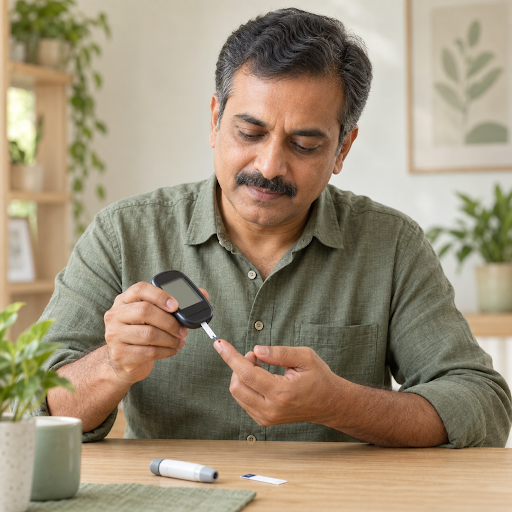
Monitor Blood Glucose Regularly: Keep a daily or weekly log of your fasting and post-meal glucose levels to understand how specific foods and routines affect your body.

And one critical reminder: Never stop or adjust your prescribed diabetes medications or insulin doses abruptly without direct guidance from your primary physician or endocrinologist. Ayurvedic care functions best as a safe, integrative partner.

Can Ayurveda Support Diabetes Management?

Ayurveda offers a natural, time-tested approach to managing diabetes (Madhumeha) by targeting metabolic root causes rather than treating elevated glucose numbers alone. By restoring digestive fire (Agni), clearing metabolic waste (Ama), and balancing Kapha-Pitta dynamics, it helps improve the body's natural glucose regulation.

The realistic objective of Ayurvedic diabetes care is to support healthy HbA1c levels, reduce insulin resistance, boost daily energy, prevent nerve and kidney complications, and enhance overall quality of life.

This is why searching online for a quick Ayurvedic remedy for diabetes or taking random herbal powders without expert guidance is unsafe. Metabolic conditions require carefully monitored protocols tailored to your blood reports and medication schedule.

An experienced practitioner can evaluate your reports and build a safe, structured protocol tailored to your specific needs.

When Should You See a Specialist?

Diabetes requires ongoing clinical monitoring to prevent long-term damage to eyes, kidneys, nerves, and heart health.

Seek medical evaluation if:

  1. Your HbA1c levels remain consistently elevated despite diet and medication adjustments.
  2. You experience frequent episodes of low blood sugar (hypoglycemia), causing dizziness, sweating, or shakiness.
  3. You notice persistent numbness, burning, or pain in your feet or hands (neuropathy).
  4. Wounds, cuts, or blisters on your feet are slow to heal or show signs of infection.
  5. You notice changes in your vision, swelling in your ankles, or protein in your urine.
  6. You experience sudden, unexplained weight loss or extreme thirst and weakness.

If you are looking for an Ayurvedic diabetes specialist near me, choose a qualified practitioner who understands metabolic pathology, reviews lab reports thoroughly, respects conventional care, and offers clear, practical guidance.

Rebuilding Metabolic Balance and Vitality

Our body relies on balanced metabolism to convert food into vitality, power our organs, and keep us active every single day.

When elevated blood sugar levels disrupt that balance, facing daily dietary restrictions and medical reports can feel overwhelming. It impacts your energy, peace of mind, and daily confidence.

The reassuring news is that managing diabetes is not just about tracking blood sugar numbers; it is about reigniting your metabolic fire, protecting your vital organs, clearing internal toxins, and rebuilding long-term strength naturally.

At Karma Ayurveda, our focus is on understanding the individual behind the health reports and building a practical, supportive path tailored to your body's specific needs.

If you are exploring Ayurvedic diabetes treatment, the goal is not to chase fast fixes. It is to reboot your metabolism, protect your health, and live active, fulfilling lives with clarity and confidence.

Find Us Near You

Our Clinics (हमारे क्लिनिक)

Visit your nearest Karma Ayurveda center and connect with our experts for personalized consultation.

Delhi
Jaipur
Patna
Bangalore
Mumbai
Lucknow
Noida
Lucknow - Vikas Nagar
Gurugram
Pratap Nagar
Delhi - Janakpuri

Discover Karma Ayurveda treatment centers and consultations offering specialized care for Diabetes across India.

Explore All Locations →
FAQ

Frequently Asked Questions

In cases of early-stage Type 2 Diabetes or prediabetes, blood sugar levels can often be brought back into normal ranges through diet, weight loss, herbal support, and lifestyle shifts. For long-standing Type 2 Diabetes, Ayurveda focuses on achieving stable blood sugar control, reducing medication reliance safely, and preventing long-term complications.
Nisha-Amalaki is a classical Ayurvedic combination of Turmeric (Nisha) and Amla (Amalaki). It acts as a potent antioxidant, improves insulin sensitivity, lowers systemic inflammation, and protects small blood vessels and nerves from diabetic damage.
Gurmar literally translates to "destroyer of sugar." It temporarily numbs sweet taste receptors on the tongue, reduces sugar cravings, improves pancreatic beta-cell function, and helps slow glucose absorption in the intestines.
Yes, but they must be introduced under professional guidance. Because Ayurvedic herbs can enhance insulin sensitivity, your blood sugar levels need close monitoring to prevent hypoglycemia. Your primary doctor can adjust conventional medication dosages as your metabolic health improves.
Bitter foods (like Karela, Neem, and Methi) help pacify aggravated Kapha and Pitta doshas, clear metabolic waste (Ama), stimulate liver enzymes, and improve tissue-level insulin sensitivity.
Yes. Herbs like Ashwagandha, Guduchi, and Nisha-Amalaki, along with gentle therapies like Abhyanga (warm oil application), help improve nerve circulation, reduce burning sensations, and support nerve repair.
Low-glycemic fruits like jamun (black plum), amla, guava, and green apples are generally safe in moderation. High-glycemic fruits like mangoes, grapes, and bananas should be strictly limited.
Stress triggers the release of hormones like cortisol and adrenaline, which signal the liver to release stored glucose into the blood. Managing stress through Pranayama and adequate sleep is crucial for diabetes care.
HbA1c measures your average blood glucose levels over the past 2 to 3 months. It provides a much clearer picture of overall metabolic control than a single fasting or post-meal blood sugar test.
Starting supportive Ayurvedic care early; especially during the prediabetes or early Type 2 stage; offers the best opportunity to improve insulin sensitivity, protect pancreatic function, and prevent long-term metabolic complications.