


















































Ayurvedic Eczema Treatment: Supporting Skin Comfort and Natural Skin Balance
Before we explore what triggers eczema, let's talk about the person experiencing the itching, dryness, and repeated flare-ups.
At Karma Ayurveda, we do not believe that everyone dealing with eczema needs the same copy-paste routine. One person may experience occasional dry patches on the hands. Another may struggle with intense itching, redness, and cracked skin. Someone else may have recurring flare-ups around the face, neck, elbows, knees, or other areas.
Eczema can also change over time. What starts as a small itchy patch can become a frustrating cycle of scratching, irritation, dryness, and more scratching. And yes, the skin can sometimes seem to have a mind of its own.
That is why our approach to Ayurvedic treatment for eczema focuses on understanding the individual's symptoms, triggers, lifestyle, digestion, and overall health rather than looking at the skin in isolation.
We discuss the history of your flare-ups, possible triggers, food habits, bowel patterns, sleep, stress, existing medical conditions, and treatments you may already be using.
We also consider whether the skin symptoms could be related to another condition because not every itchy rash is eczema.
Many people exploring Ayurvedic eczema treatment in India are looking for a personalized approach that supports skin comfort, healthy digestion, and long-term skin care while avoiding unnecessary experimentation with multiple products.
What Exactly Causes Eczema?
Eczema does not have one single cause.
A combination of genetics, immune-system activity, a weakened skin barrier, environmental triggers, allergies in some individuals, and lifestyle factors can contribute to eczema or make flare-ups more frequent.
So, what can contribute to this condition?
The Common Contributors
Weakened Skin Barrier: When the skin barrier does not retain moisture effectively, the skin becomes dry and more vulnerable to irritants and allergens.
Immune-System Overactivity: Eczema involves an abnormal inflammatory response in the skin that can contribute to itching, redness, and irritation.
Genetic Susceptibility: Certain genetic variations affecting the skin barrier can increase susceptibility to eczema.
Environmental Triggers: Dust, pollen, extreme temperatures, dry air, pollution, soaps, detergents, fragrances, and other irritants may trigger symptoms in susceptible individuals.
Allergic Sensitivity: Some people with eczema also have allergies or sensitivities that can contribute to flare-ups, although food allergies are not the cause of eczema in every person.
Stress and Poor Sleep: Emotional stress and inadequate sleep can aggravate itching and may make eczema symptoms more difficult to manage.
Frequent Scratching: Scratching damages the already-sensitive skin barrier and can create a cycle of more irritation and itching.
Pitta and Kapha Imbalance: From an Ayurvedic perspective, disturbed Pitta may be associated with heat, redness, and inflammation, while Kapha may contribute to heaviness, moisture, and persistent skin congestion.
The cause matters because eczema behaves differently in different people. Identifying your specific triggers and symptom pattern helps create a more appropriate approach to skin support.
Eczema Symptoms You Shouldn't Ignore
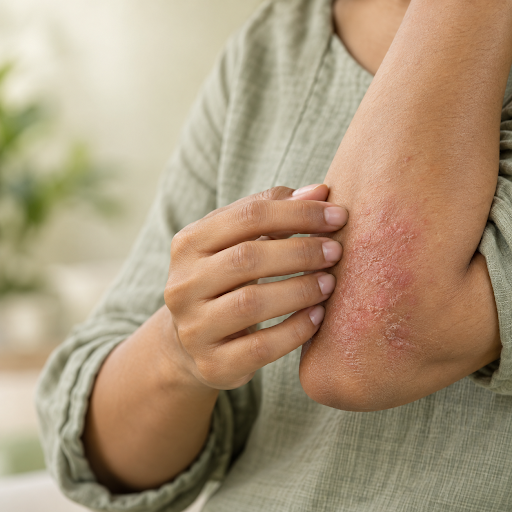
Eczema symptoms can range from mild dryness to painful, inflamed, cracked, or oozing skin.
Watch out for:
Persistent Itching: Intense itching is one of the most common features of eczema and may become worse at night.
Dry and Scaly Skin: Affected areas may become rough, flaky, excessively dry, or visibly scaly.
Red or Inflamed Patches: Skin may appear red, swollen, irritated, or darker than the surrounding skin depending on your natural skin tone.
Cracked Skin: Severe dryness can cause painful cracks, particularly around the hands, fingers, feet, and joints.
Thickened Skin: Repeated scratching can make affected skin thicker and more leathery over time.
Small Bumps or Blisters: Some forms of eczema may produce tiny fluid-filled blisters, particularly on the hands and feet.
Oozing or Crusting: Acute flare-ups may produce fluid or crusting on the skin.
Sleep Disturbance: Persistent nighttime itching can interfere with sleep, energy, and everyday concentration.
Severe swelling, rapidly spreading redness, significant pain, fever, pus, yellow crusting, or skin that becomes suddenly hot and tender may indicate an infection or another condition requiring prompt medical evaluation.
How We Assess Patients at Karma Ayurveda
When someone consults us seeking eczema treatment in Ayurveda, our first question is not simply, "Where is the rash?"
We want to understand what may be triggering the flare-ups and how the skin condition is affecting your everyday life.
Understanding Your Symptoms: We discuss when the itching started, where the patches appear, how frequently flare-ups occur, whether they change with seasons, and what makes them better or worse.
Looking at Your Medical Reports: If you have previous dermatology reports, allergy evaluations, blood tests, or prescriptions, we review them as part of your overall health picture.
Understanding Your Lifestyle: We evaluate your food habits, water intake, sleep quality, stress levels, bathing routine, skincare products, and exposure to possible irritants.
The Ayurvedic Assessment: We assess Dosha imbalance, digestive strength (Agni), bowel patterns, and factors traditionally associated with skin health and accumulation of metabolic waste (Ama).
Creating an Individualized Plan: Once the complete picture is clear, we develop a personalized routine that may include dietary guidance, selected Ayurvedic herbs, external applications, lifestyle changes, and appropriate therapies.
The goal is to create a gentle and practical routine that supports skin comfort without making everyday life more complicated.
Ayurvedic Therapies Commonly Used for Skin Support
Depending on the type of skin symptoms, their severity, physical strength, and individual assessment, Ayurvedic care may use classical strategies aimed at supporting healthy skin and balancing aggravated Doshas.
These may include:
Shamana Chikitsa: Personalized Ayurvedic herbal support intended to balance aggravated Doshas and support healthy digestion and skin function.
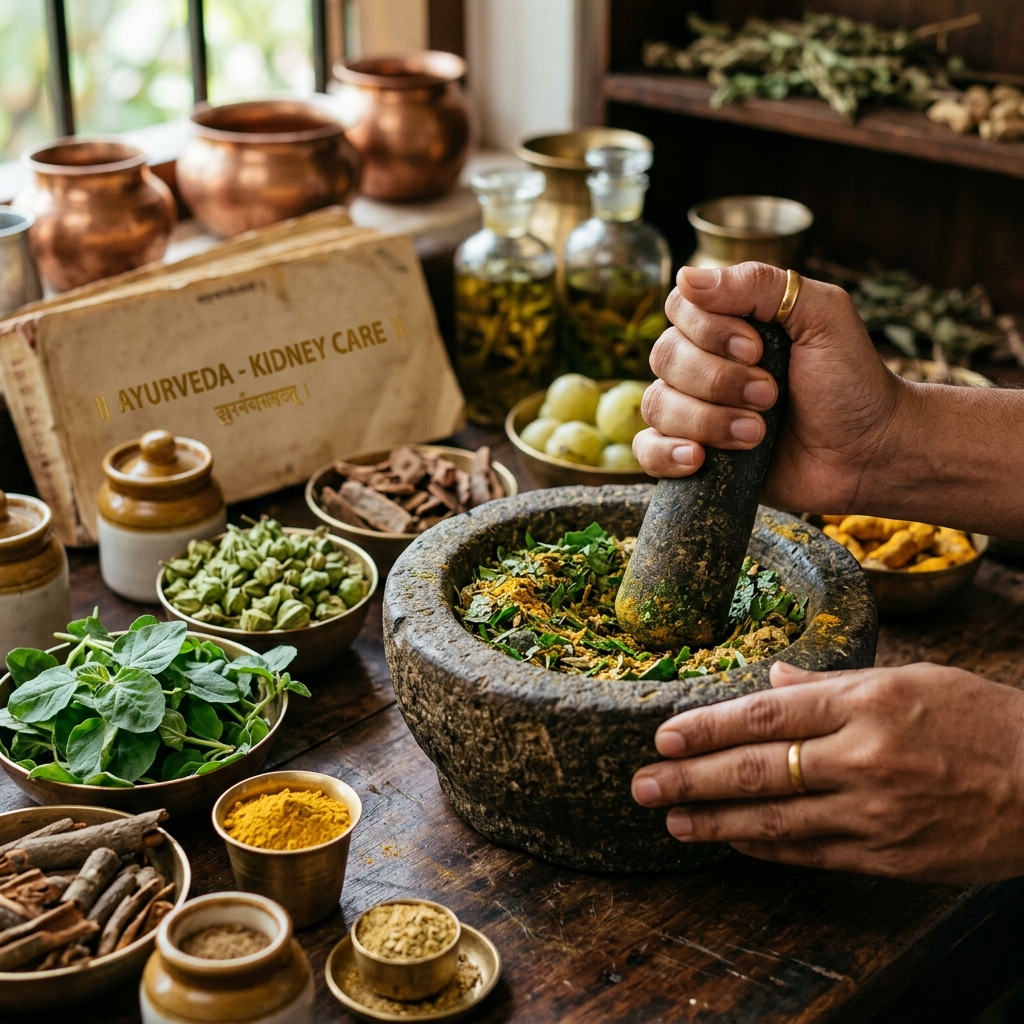
Selected Herbal Support: Herbs such as Neem, Manjistha, Turmeric, Guduchi, and Amla may be considered depending on individual requirements and practitioner assessment.
Abhyanga (Oil Massage): Gentle oil application or massage may be recommended in selected cases to support skin nourishment and relaxation, although oils are not suitable for every eczema flare-up.
Takradhara or Other Cooling Therapies: Selected traditional therapies may be considered when heat, irritation, or Pitta aggravation is prominent.
Virechana: In classical Ayurvedic practice, therapeutic purgation may be considered for selected individuals when Pitta imbalance is prominent. It should only be performed under qualified supervision.
Dietary Guidance: Individualized food guidance may focus on balanced meals, digestive comfort, adequate hydration, and identifying personally relevant food triggers rather than unnecessarily eliminating large groups of foods.
Therapies are selected carefully according to the individual's condition. An active, cracked, infected, or severely inflamed skin area may require specific dermatological care before any external Ayurvedic therapy is considered.
What Can You Do at Home to Support Healthier Skin?
Eczema management often comes down to small things done consistently. Your skin may not appreciate a complicated 17-step routine nearly as much as you think.
Moisturize Regularly: Apply a fragrance-free moisturizer frequently, especially after bathing, to help reduce dryness and support the skin barrier.
Keep Baths Short and Comfortable: Use lukewarm rather than very hot water and avoid long, hot showers that can worsen dryness.
Choose Gentle Skin Products: Use mild, fragrance-free cleansers and avoid products that consistently cause burning, stinging, or irritation.
Avoid Known Triggers: If you know that certain detergents, fabrics, cosmetics, weather conditions, or other exposures trigger your eczema, reduce contact with them where practical.
Keep Nails Short: Short nails can reduce skin damage when itching becomes difficult to resist.
Wear Comfortable Fabrics: Soft, breathable clothing can reduce friction and irritation.
Manage Stress: Gentle breathing exercises, yoga, meditation, walking, or other relaxing activities may help reduce stress-related worsening of symptoms.
Protect Your Skin: Use gloves when handling cleaning products or other known irritants and avoid unnecessary scratching.
And one important reminder: do not stop prescribed eczema medicines, including topical corticosteroids or other treatments, without discussing it with your doctor. If your skin condition is severe or infected, appropriate medical treatment should not be delayed.
Can Ayurveda Support Eczema Management?
Ayurveda offers a holistic approach that looks beyond the visible skin symptoms and considers digestion, lifestyle, diet, environmental exposure, and overall balance.
The realistic objective of Ayurvedic eczema care is to support healthier skin, reduce factors that may contribute to irritation, improve skin comfort, and help individuals develop sustainable daily habits.
However, eczema is a chronic inflammatory skin condition for many people, and there is no established Ayurvedic cure that permanently eliminates eczema for everyone.
This is why searching for a quick Ayurvedic cure for eczema or applying strong herbal mixtures directly to irritated skin without guidance can be counterproductive.
A qualified practitioner can assess your symptoms, medical history, current treatments, and lifestyle before developing an appropriate supportive plan.
When Should You See a Specialist?
Persistent or severe skin symptoms deserve proper medical evaluation, particularly when the diagnosis is uncertain or symptoms are worsening.
Seek medical evaluation if:
- Your rash is spreading rapidly or becoming significantly more painful.
- You develop pus, yellow crusting, warmth, swelling, or fever.
- The itching is severely affecting your sleep or daily activities.
- Your skin develops deep cracks, bleeding, or significant wounds.
- Symptoms do not improve despite consistent basic skin-care measures.
- You are unsure whether the rash is eczema or another skin condition.
If you are looking for an Ayurvedic eczema specialist near me, choose a qualified practitioner who understands chronic skin conditions, reviews your existing treatment, and provides guidance without asking you to abandon necessary medical care.
Supporting Skin Comfort, Balance, and Everyday Confidence
Skin problems are rarely just about the skin.
When itching keeps you awake, dryness makes simple movements uncomfortable, or visible patches make you conscious around other people, eczema can affect much more than your appearance. It can influence sleep, confidence, clothing choices, and everyday comfort.
But managing eczema does not have to mean trying every cream, oil, or home remedy that someone recommends over a cup of tea.
Understanding your triggers, protecting the skin barrier, following appropriate treatment, eating a balanced diet, and maintaining a consistent daily routine can all form part of responsible eczema care.
At Karma Ayurveda, our focus is on understanding the individual behind the skin symptoms and developing a practical plan around their health, lifestyle, digestion, symptoms, and existing medical care.
If you are exploring Ayurvedic eczema treatment, the goal is not to promise an overnight cure. It is to support healthier skin, improve everyday comfort, understand potential triggers, and build sustainable habits that help you manage your skin with greater confidence.