






















Aapke दिए गए content में सभी formatting rules को follow करके format कर दिया गया है:
- सभी main headings/subheadings को H2 (
##) tag दिया गया है। - FAQs के questions को H2 (
##) और answers को H3 (###) tag दिया गया है। - Original text के सारे bold words/phrases को bold ही रखा गया है और एक भी word change नहीं किया गया है।
Ayurvedic Foamy Urine Treatment: Supporting Kidney Health and Urinary Balance
Here's something worth remembering: foamy urine is a symptom or observation, not a diagnosis.
That means simply seeing foam doesn't tell us what is causing it.
One person may notice foam because they are dehydrated. Another may have proteinuria. Someone with diabetes or high blood pressure may need kidney screening. In other cases, the urine appearance may have nothing to do with kidney disease at all.
So when someone approaches us looking for Ayurvedic foamy urine treatment, we first want to understand what's actually happening.
Our assessment may include:
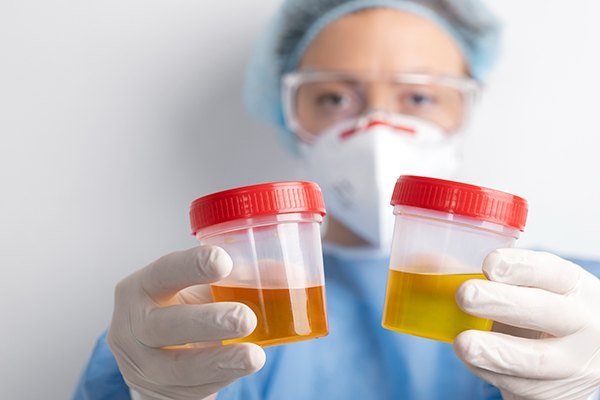
- Urine routine and microscopy
- Urine protein testing
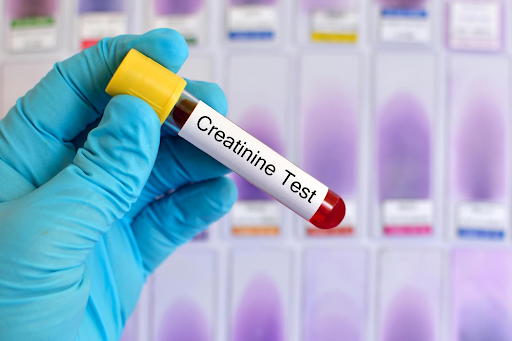
- Urine albumin-to-creatinine ratio (ACR)
- Urine protein-to-creatinine ratio (PCR), where appropriate
- Serum creatinine
- eGFR
- Blood urea
- Blood pressure readings
- Blood sugar or HbA1c
- Kidney ultrasound reports
- Previous kidney investigations
- Current medicines
- Existing medical conditions
- Swelling around the eyes, hands or feet
- Changes in urine frequency or volume
- Hydration habits
- Appetite and weight
- Digestion and bowel habits
- Sleep and physical activity
The aim is not to diagnose kidney disease from a toilet bowl.
The aim is to find out whether the foam is simply a harmless observation or a reason to investigate further.
What Exactly Causes Foamy Urine?
There are several possible reasons for foamy urine.
Some are temporary and harmless. Others may require medical evaluation.
The Common Contributors
Fast Urine Stream: A strong or rapid stream hitting the water can create bubbles that disappear quickly.
Dehydration: When urine becomes more concentrated, it may look darker and foamier.
Protein in Urine: Persistent proteinuria can cause urine to appear unusually frothy because proteins can alter the surface tension of urine.
Strenuous Exercise: Temporary protein leakage can sometimes occur after intense physical activity.
Fever or Illness: Temporary changes in urine protein can occur during periods of physical stress.
Diabetes: Long standing diabetes can damage the kidney's filtering structures and lead to albumin in the urine.
High Blood Pressure: Chronic uncontrolled blood pressure can damage the kidneys and contribute to protein leakage.
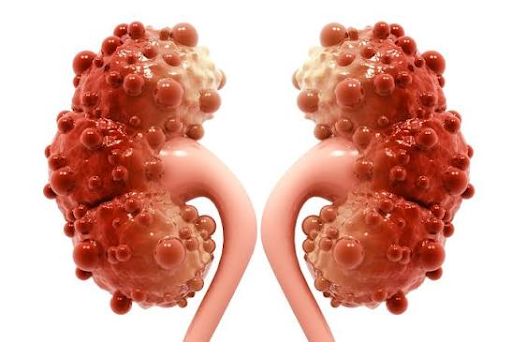
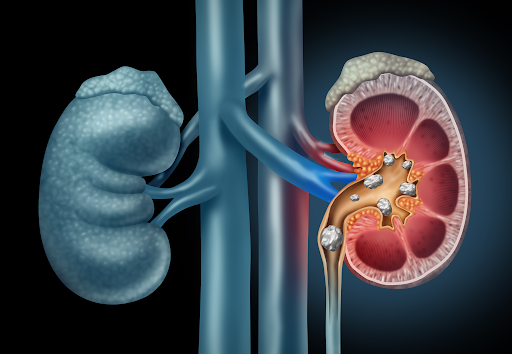
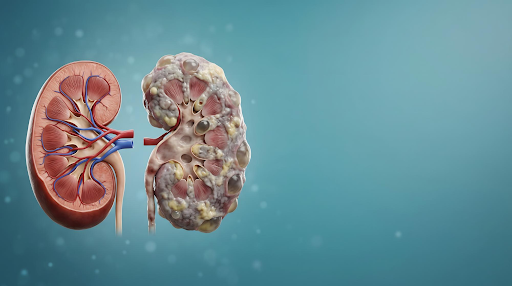
Kidney Diseases: Conditions affecting the glomeruli; the kidney's tiny filtering units; can cause significant proteinuria.
Urinary Tract Conditions: Certain infections or urinary problems can change the appearance of urine, although foam by itself does not diagnose an infection.
Toilet Cleaning Products: Residue from soaps or cleaning agents can sometimes create unexpected foam.
From an Ayurvedic perspective, urinary function, Agni, digestion, metabolism, Dosha balance and overall nourishment may be considered when developing supportive care. This traditional framework does not replace urine testing or kidney evaluation.
Foamy Urine Symptoms You Shouldn't Ignore
Foamy urine by itself may not cause any other symptoms.
The important thing is whether it appears alongside signs that could point toward kidney or urinary problems.
Pay attention if you notice:
- Foam that persists repeatedly
- Very frothy urine that does not disappear quickly
- Swelling around the eyes
- Swelling in the feet or ankles
- Puffiness in the hands
- Unexplained weight gain
- Blood in the urine
- Reduced urine output
- Changes in how frequently you urinate
- Persistent tiredness
- High blood pressure
- Nausea or poor appetite
- Increasing creatinine
- Decreasing eGFR
- Known proteinuria
Foamy urine does not automatically mean kidney failure.
In fact, the appearance of urine alone cannot tell you how well your kidneys are functioning.
A simple urine test can provide much more useful information than repeatedly checking the toilet.
How We Assess Patients at Karma Ayurveda
When someone comes to us seeking Ayurvedic treatment for foamy urine, we first try to understand whether there is an underlying urinary or kidney issue.
Understanding Your Urine
We review available urine reports and look for protein, albumin, blood, infection-related findings and other abnormalities.
Checking Kidney Function
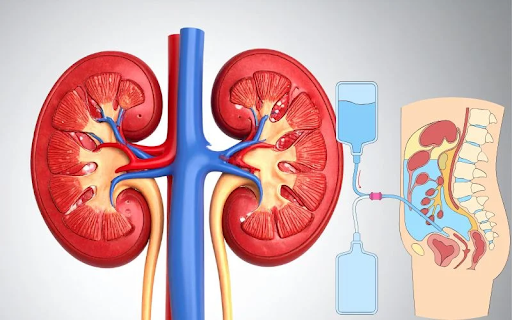
Creatinine and eGFR help provide information about kidney filtration.
Looking at Blood Pressure
High blood pressure can affect kidney health and may also be an important part of the overall picture.
Checking Blood Sugar
If diabetes is present, blood sugar and urine albumin can be particularly relevant to kidney health.
Understanding Other Symptoms
We ask about swelling, changes in urine volume, urinary discomfort, fatigue, appetite and other symptoms.
Reviewing Your Diet and Hydration
We discuss fluid intake, salt consumption, dietary habits and other daily routines.
Ayurvedic Assessment
Traditional assessment may consider Agni, Dosha patterns, digestion, appetite, bowel habits and overall strength.
Creating an Individualized Plan
Based on the available information, supportive care may involve dietary guidance, lifestyle measures and carefully selected Ayurvedic approaches.
The important point is that foamy urine itself isn't what we want to treat blindly. We want to understand what may be causing it.
Ayurvedic Therapies Commonly Used for Foamy Urine and Kidney Support
Let's clear up an important misconception.
There is no established Ayurvedic treatment proven to reliably eliminate persistent foamy urine when it is caused by an underlying kidney disease.
Ayurvedic care may instead be considered complementary support for diet, digestion, lifestyle and overall wellbeing.
Shamana Chikitsa
Individualized Ayurvedic medicines may be considered according to the person's symptoms, kidney function, digestion, strength and underlying condition.
Professional supervision is particularly important when kidney function is abnormal.
Some herbs and supplements can affect kidney function, blood pressure or electrolytes, or interact with prescribed medicines.
Dietary Guidance
Food choices can matter when foamy urine is associated with proteinuria or kidney disease.
However, there is no universal “foamy urine diet.”
Protein intake, sodium, calories, potassium, phosphorus and fluids may all need to be considered depending on kidney function and the person's overall health.
Avoiding food unnecessarily can sometimes create more problems than it solves.
Hydration Guidance
Dehydration can make urine concentrated and may contribute to a bubbly appearance.
But drinking excessive amounts of water is not a treatment for proteinuria.
People with kidney, heart or liver conditions may have specific fluid requirements, so hydration should be individualized.
Gentle Abhyanga
Gentle massage may be considered for relaxation and physical comfort in suitable individuals.
It does not directly remove protein from urine or repair damaged kidney filters.
People with significant swelling or other complications may require additional precautions.
Gentle Yoga and Breathing
Breathing exercises, gentle stretching and appropriate movement may support relaxation and general physical wellbeing.
Activity should be adjusted according to the person's kidney function, blood pressure, energy levels and overall health.
What Can You Do at Home to Support Kidney Health?
If you're searching for Ayurvedic foamy urine treatment at home, don't immediately start drinking homemade kidney-cleansing mixtures.
Start by paying attention to the basics.
- Stay appropriately hydrated: Drink fluids according to your needs and your doctor's advice.
- Watch the pattern: Notice whether the foam is occasional or appearing repeatedly.
- Don't panic over one episode: A single bubbly urination does not diagnose kidney disease.
- Keep blood pressure controlled: Follow your prescribed treatment and monitor readings as advised.
- Manage blood sugar: If you have diabetes, good glucose control is important for protecting kidney health.
- Be sensible with salt: Excess sodium can contribute to high blood pressure and fluid retention.
- Avoid unnecessary painkillers: Frequent use of certain pain medicines can harm the kidneys.
- Don't self-prescribe herbs: “Natural” does not automatically mean kidney-safe.
- Maintain balanced nutrition: Don't drastically restrict protein or other nutrients without professional advice.
- Get urine testing if the problem persists: A urine ACR or other appropriate protein test can help determine whether protein is actually present.
And don't spend every morning inspecting the toilet like you're conducting a laboratory experiment.
If the foam keeps returning, get the urine checked instead.
Can Ayurveda Support Foamy Urine Management?
Ayurveda may be considered as a complementary approach when someone is dealing with persistent foamy urine, particularly in areas such as diet, digestion, lifestyle, relaxation and general wellbeing.
But persistent foamy urine should not automatically be labelled as an “imbalance” and treated without investigation.
If protein is present in the urine, the next question is why.
The cause may involve diabetes, high blood pressure, glomerular disease, chronic kidney disease or another condition.
Modern medical evaluation may include urine ACR or PCR, kidney-function tests, blood pressure monitoring, blood sugar testing and additional investigations when appropriate.
At Karma Ayurveda, our approach to Ayurvedic foamy urine treatment is therefore centered on understanding the underlying picture and providing complementary support where appropriate.
The goal isn't to promise that every bubble will disappear.
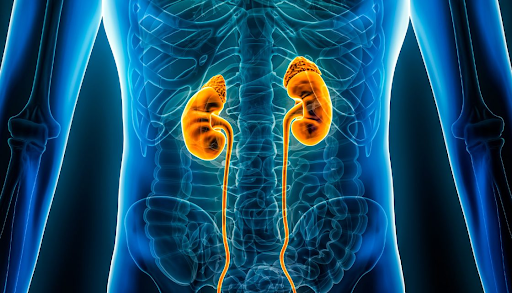
It is to understand whether those bubbles are simply bubbles; or whether they're giving you a reason to take a closer look at your kidney health.
When Should You See a Kidney Specialist?
Occasional bubbles in urine usually aren't a reason to panic.
But medical evaluation becomes more important when foamy urine is persistent or occurs with other symptoms.
Consider speaking with a healthcare professional if you have:
- Persistent or repeatedly frothy urine
- Protein detected in urine
- Swelling around the eyes or ankles
- Blood in the urine
- High blood pressure
- Diabetes
- Rising creatinine
- Falling eGFR
- Reduced urine output
- Known kidney disease
- Significant or unexplained fatigue
- Unexplained weight changes
Seek urgent medical attention for severe shortness of breath, very little or no urine, rapidly worsening swelling, severe weakness, confusion, chest pain or other sudden serious symptoms.
If you're searching for an Ayurvedic foamy urine specialist, choose a qualified practitioner who reviews your urine and kidney reports and understands when nephrology evaluation is required.
Understanding Foamy Urine Without the Fear
Foamy urine can be one of those small things that makes the mind jump straight to the biggest conclusion.
“Is this kidney failure?”
Not necessarily.
Sometimes it's simply the way urine hits the water. Sometimes dehydration is involved. And sometimes persistent foam can be a clue that protein is leaking through the kidneys' filters.
The difference cannot be reliably determined just by looking.
At Karma Ayurveda, our approach to Ayurvedic foamy urine treatment begins with understanding the individual's urine reports, kidney function, symptoms, diet, hydration, blood pressure, blood sugar and overall health.