
















































Ayurvedic Gallbladder Treatment: Supporting Bile Flow and Digestive Balance
Before we explore why gallbladder problems develop, let's talk about something many people overlook: gallbladder symptoms can look surprisingly similar to ordinary digestive complaints.
One person may experience occasional heaviness or indigestion after a rich meal. Another may develop repeated attacks of sharp pain in the upper-right abdomen. Someone else may have gallstones discovered during an ultrasound without experiencing any symptoms at all.
And then there are people who keep blaming every episode of bloating on "gas" until their gallbladder finally demands a little attention.
At Karma Ayurveda, we do not believe that everyone dealing with a gallbladder problem needs a generic, copy-paste plan. The underlying issue, symptoms, digestive capacity, diet, medical history, and reports can be very different from one person to another.
That is why our approach to Ayurvedic treatment for gallbladder problems focuses on understanding the individual rather than treating abdominal discomfort as an isolated symptom.
We review your symptoms, ultrasound or imaging reports, liver-related investigations, food habits, digestion, bowel patterns, lifestyle, and existing medical treatment before suggesting a supportive care plan.
The aim is to keep Ayurvedic care practical and personalized while recognizing when a gallbladder condition needs conventional medical or surgical evaluation.
Many individuals exploring Ayurvedic gallbladder treatment in India are looking for supportive care that focuses on digestion, healthy dietary habits, bile-related function, and overall well-being.
What Exactly Causes Gallbladder Problems?
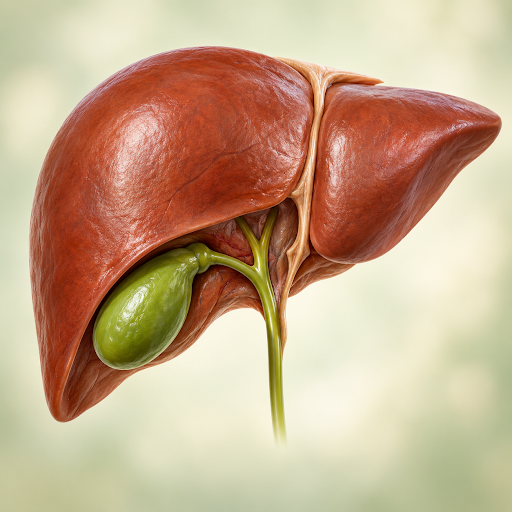
The gallbladder stores bile until it is needed for digestion. When bile contains an imbalance of substances or the gallbladder does not empty properly, gallstones and other gallbladder problems can develop.
But gallstones are not the only reason someone may experience gallbladder symptoms.
So, what are some of the common contributors?
The Common Contributors
Gallstone Formation: Excess cholesterol, bilirubin, or other substances in bile can form solid particles known as gallstones.
Reduced Gallbladder Emptying: If the gallbladder does not empty effectively, bile can become concentrated and contribute to stone formation.
Excess Body Weight: Overweight and obesity can increase the risk of developing cholesterol gallstones.
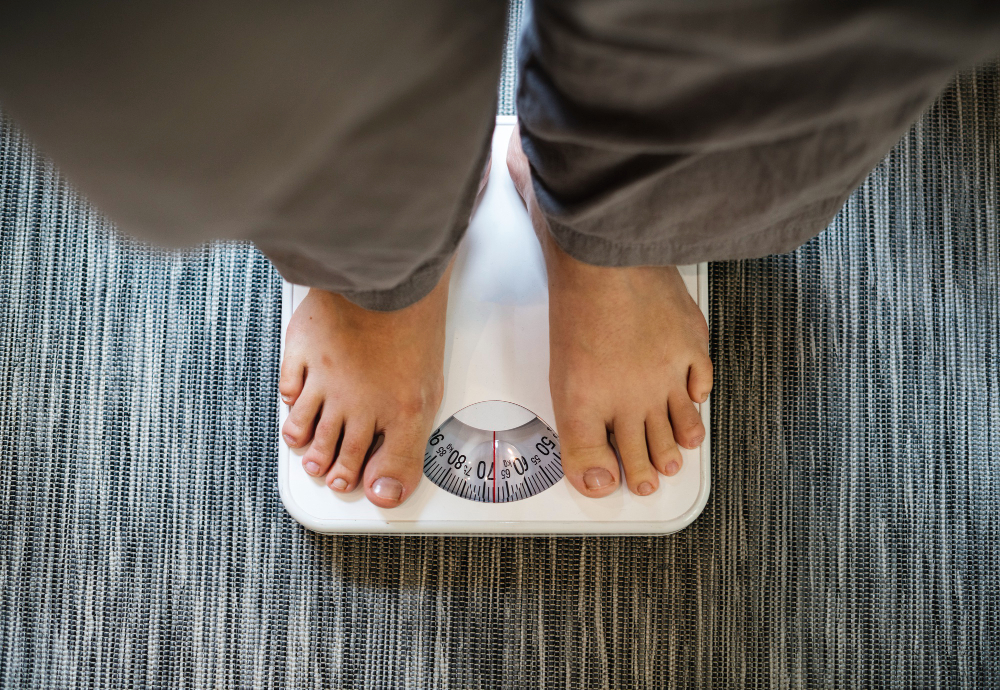
Rapid Weight Loss: Losing weight very quickly or following extremely restrictive diets can increase gallstone risk.
Dietary Patterns: Diets high in saturated fats and refined carbohydrates and low in fiber may contribute to gallstone risk in susceptible individuals.
Hormonal Factors: Estrogen can increase cholesterol concentration in bile, which is one reason gallstones are more common in women and may occur during pregnancy or with certain hormonal therapies.
Family History and Genetics: A family history of gallstones can increase susceptibility.
Pitta Imbalance: From an Ayurvedic perspective, disturbed Pitta is associated with bile-related functions, heat, and digestive imbalance, while impaired Agni may contribute to poor digestion and metabolic disturbance.
The cause matters because a gallbladder problem can range from asymptomatic gallstones to acute inflammation or bile duct obstruction. Knowing what is actually happening helps determine the appropriate next step.
Gallbladder Symptoms You Shouldn't Ignore
Gallbladder problems do not always announce themselves with dramatic symptoms. Some people have no symptoms at all until an imaging test discovers gallstones.
When symptoms do occur, watch out for:
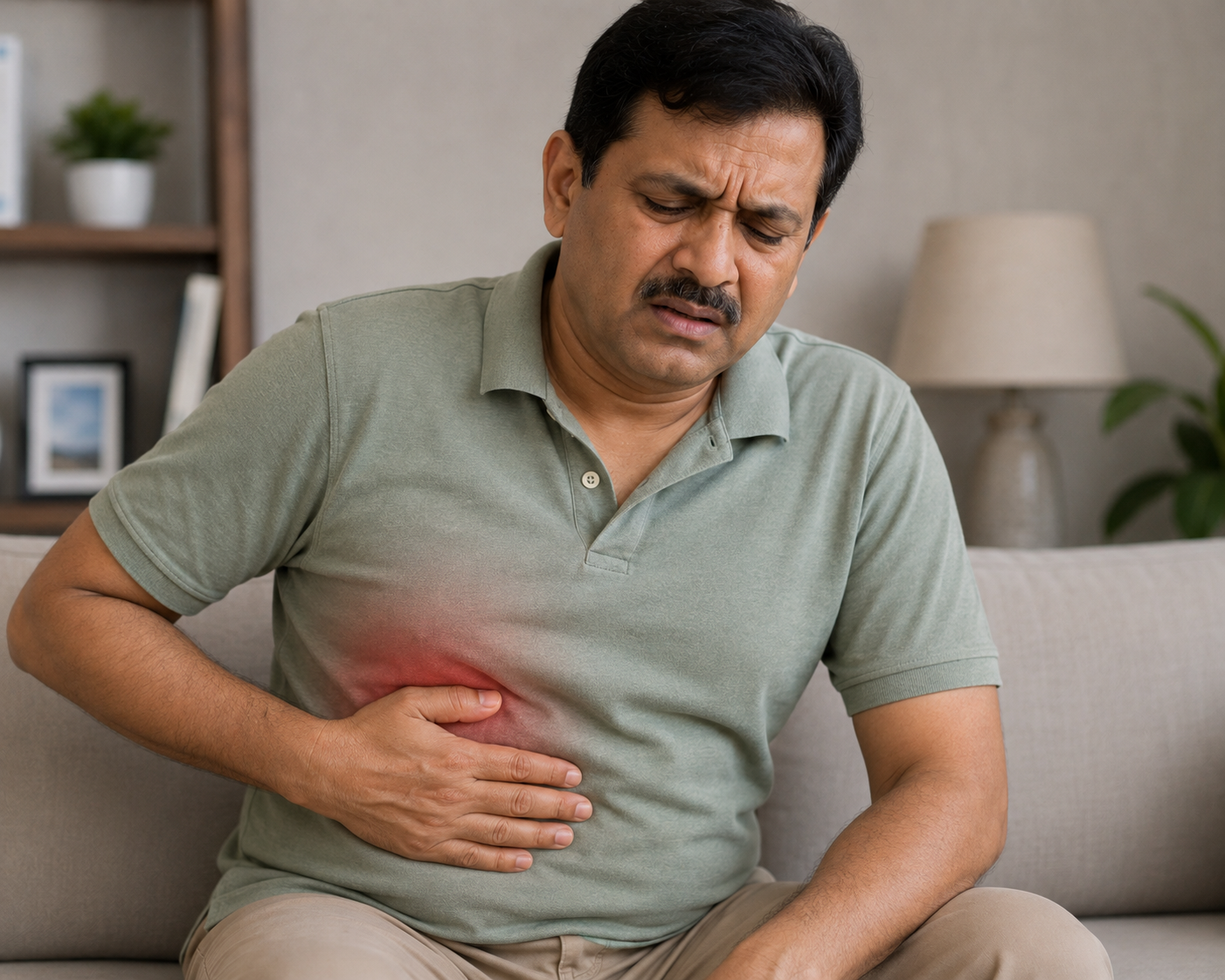
Upper-Right Abdominal Pain: Pain beneath the right rib cage may occur after meals and can sometimes spread toward the back or right shoulder.
Pain After Fatty Meals: Rich or greasy meals may trigger discomfort in some people because eating stimulates the gallbladder to release bile.
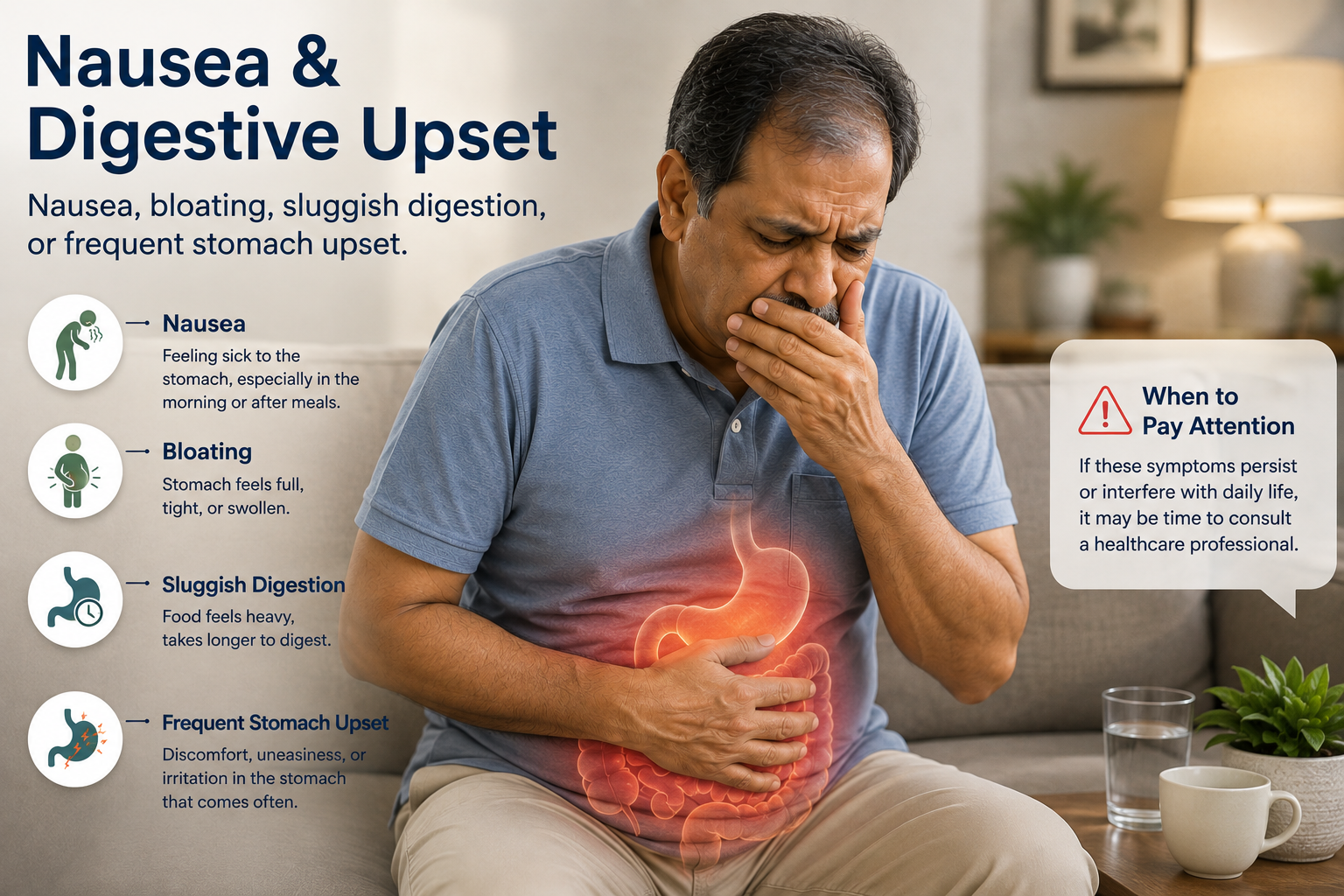
Nausea and Vomiting: Gallbladder attacks can cause significant nausea and, sometimes, vomiting.
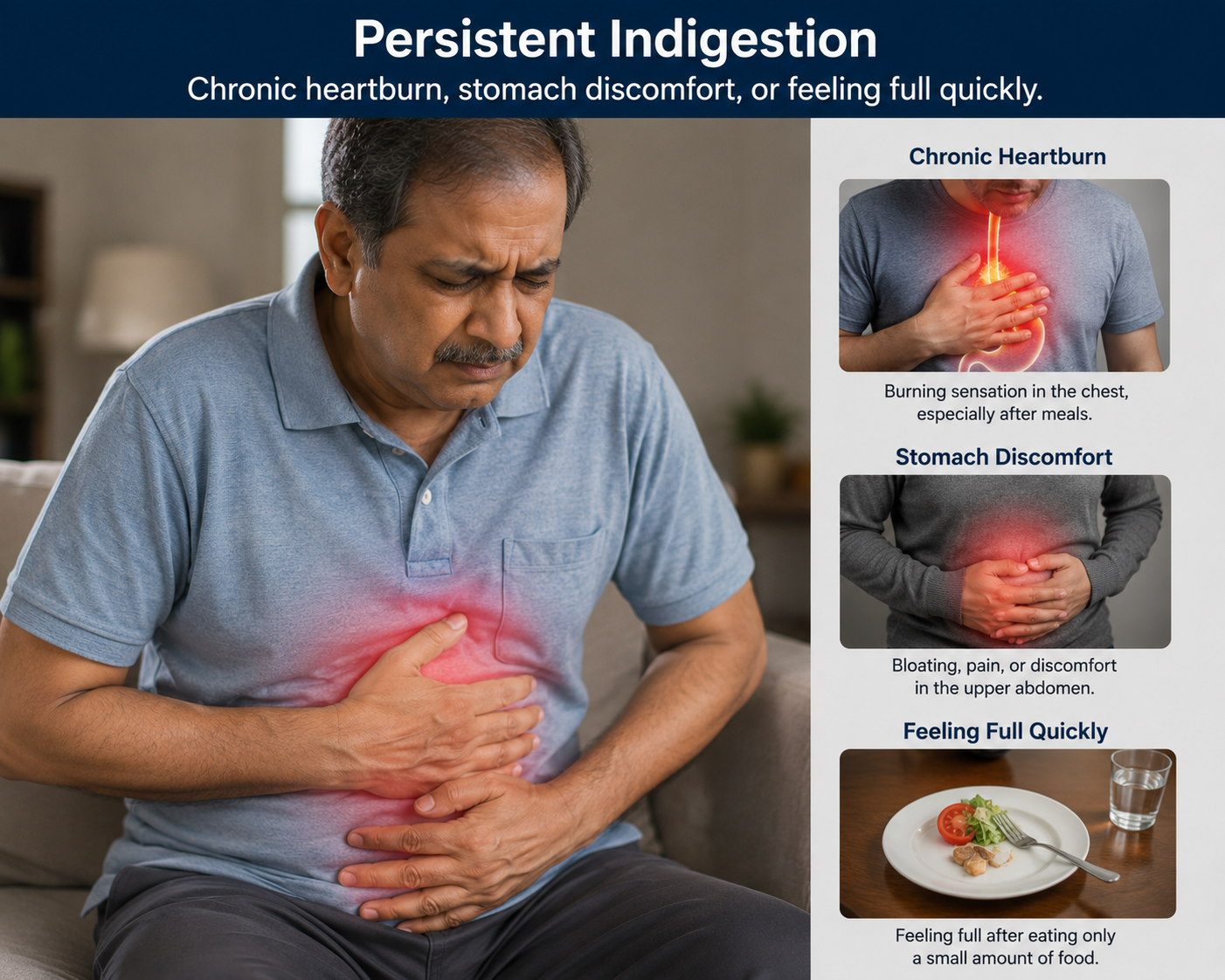
Indigestion and Bloating: Recurrent digestive discomfort, fullness, or bloating may accompany gallbladder problems, although these symptoms can have many other causes.
Abdominal Tenderness: The upper abdomen may become tender during inflammation or an acute gallbladder attack.
Fever or Chills: Fever alongside abdominal pain can indicate inflammation or infection and should not be ignored.
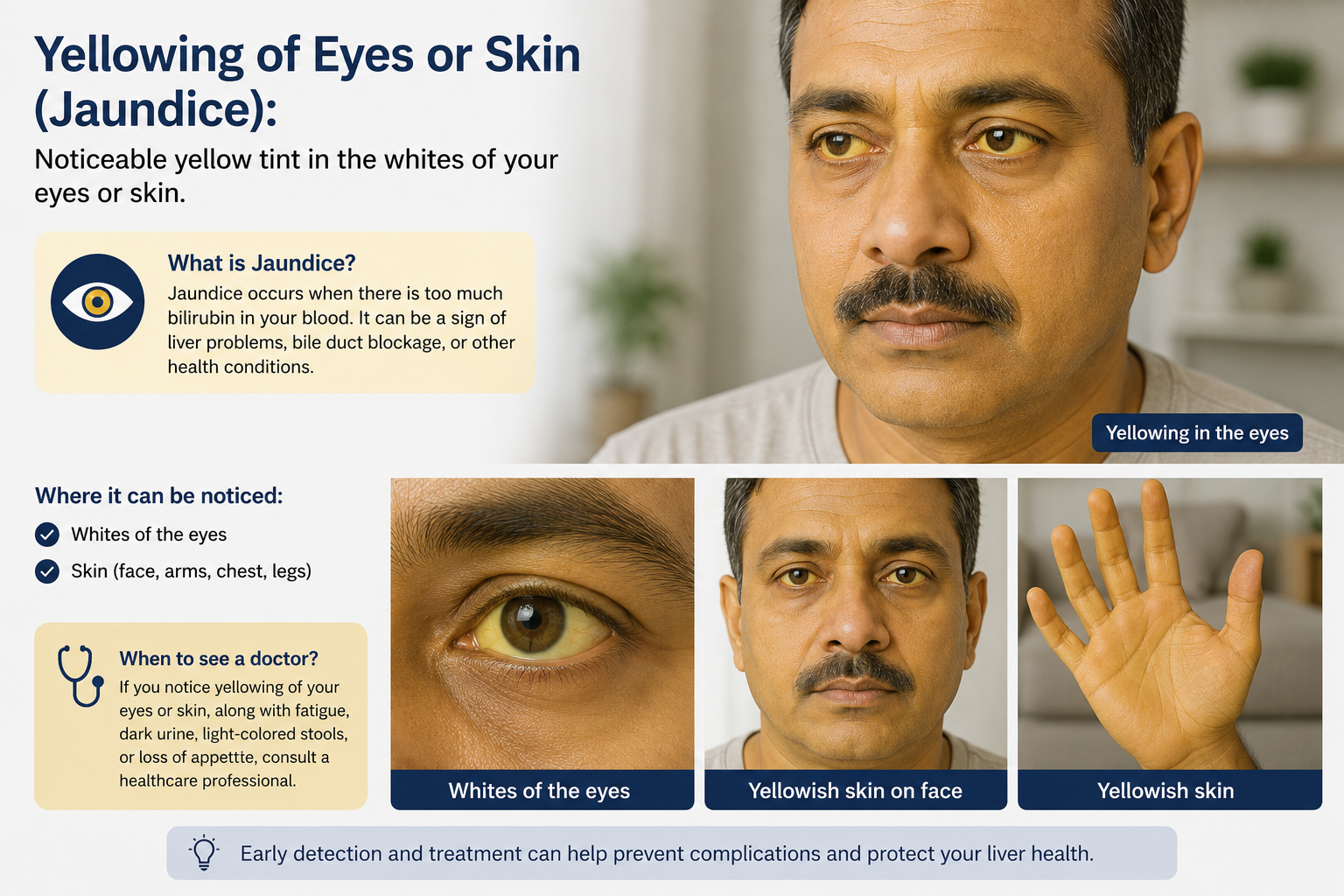
Yellowing of the Eyes or Skin: Jaundice can occur when a gallstone or another problem blocks bile flow.
Dark Urine or Pale Stools: Changes in urine and stool color may occur when bile cannot flow normally into the intestine.
Severe or persistent abdominal pain, fever with chills, repeated vomiting, yellowing of the eyes or skin, confusion, or significant abdominal tenderness requires prompt medical evaluation.
How We Assess Patients at Karma Ayurveda
When someone consults us seeking gallbladder treatment in Ayurveda, our first question is not simply, "How much pain are you experiencing?"
We want to understand the complete digestive picture and, most importantly, what your medical investigations reveal.
Understanding Your Symptoms: We discuss where the pain occurs, how long it lasts, whether it follows meals, whether it spreads to the back or shoulder, and whether nausea, vomiting, bloating, fever, or jaundice is present.
Looking at Your Medical Reports: Ultrasound findings are particularly important when gallstones are suspected. We may also review liver-function tests, bilirubin, blood counts, and other relevant investigations.
Understanding Your Lifestyle: We evaluate eating patterns, meal timing, physical activity, weight changes, hydration, sleep, and other factors that may affect digestive and metabolic health.
The Ayurvedic Assessment: We assess Pitta and other Dosha patterns, digestive strength (Agni), bowel regularity, appetite, and factors traditionally associated with bile and digestive function.
Creating an Individualized Plan: Once the complete picture is understood, we may suggest personalized dietary guidance, lifestyle measures, selected Ayurvedic support, and appropriate therapies where suitable.
The goal is to support digestive health without overlooking a gallbladder problem that requires medical intervention.
Ayurvedic Therapies Commonly Used for Gallbladder and Digestive Support
Depending on the individual's symptoms, gallbladder condition, physical strength, and clinical assessment, Ayurvedic care may use traditional approaches intended to support digestion and balance aggravated Doshas.
These may include:
Shamana Chikitsa: Personalized Ayurvedic herbal support aimed at balancing Doshas and supporting healthy digestion and metabolism.
Selected Herbal Support: Traditional herbs such as Bhumyamalaki, Kutki, Punarnava, Guduchi, and Amla may be considered in selected cases depending on individual requirements.
Dietary Support: A balanced, moderate-fat diet with adequate fiber and appropriate portion sizes may be recommended depending on the person's condition and nutritional needs.
Virechana: Classical therapeutic purgation may be considered in selected Ayurvedic settings when Pitta imbalance is prominent. It is not appropriate for every gallbladder condition and should only be performed under qualified supervision.
Digestive Support: Ayurvedic guidance may focus on maintaining healthy Agni, regular meals, appropriate hydration, and comfortable bowel function.
Lifestyle Guidance: Appropriate physical activity, healthy weight management, and sustainable eating habits may form an important part of long-term gallbladder support.
Therapies are selected carefully. A blocked bile duct, acute gallbladder inflammation, infection, or other serious complication may require urgent conventional treatment rather than an Ayurvedic procedure.
What Can You Do at Home to Support Gallbladder Health?
Your gallbladder generally prefers consistency over extremes. Crash diets and miracle "gallbladder cleanses" are not a substitute for proper care.
Choose Balanced Meals: Include vegetables, whole grains, pulses, fruits, and appropriate protein sources while keeping meals nutritionally balanced.
Avoid Excessively Fatty Meals: Very greasy or heavily fried meals may trigger symptoms in people with symptomatic gallstones.
Increase Fiber Gradually: Fiber-rich foods can support overall digestive and metabolic health.
Maintain a Healthy Weight: If weight loss is appropriate for you, aim for gradual, sustainable weight reduction rather than extreme dieting.
Stay Physically Active: Regular walking, strength training, yoga, or other suitable exercise can support healthy weight and metabolic health.
Avoid Rapid Weight-Loss Diets: Very-low-calorie diets and rapid weight loss can increase the risk of gallstone formation.
Stay Hydrated: Adequate fluid intake supports normal digestive function unless you have been advised to restrict fluids for another medical reason.
Notice Your Food Triggers: If specific meals repeatedly trigger pain or nausea, make a note of them and discuss the pattern with your healthcare provider.
And one important reminder: do not attempt aggressive "gallbladder flushes" or take concentrated herbal products in an attempt to dissolve gallstones without professional guidance. Gallstones can move into the bile ducts and cause serious complications.
Can Ayurveda Support Gallbladder Management?
Ayurveda provides a holistic approach that focuses on digestion, diet, lifestyle, and traditional support for metabolic and bile-related functions.
The realistic objective of Ayurvedic gallbladder care is to support digestive health, healthy lifestyle habits, and overall well-being while taking the individual's gallbladder condition and medical reports into account.
However, not every gallbladder problem can or should be managed conservatively.
Gallstones may remain completely symptom-free in some people, while symptomatic stones, acute inflammation, infection, or bile duct obstruction may require medical or surgical treatment.
This is why searching for a quick Ayurvedic cure for gallstones or using home remedies with the promise of "melting" stones can be misleading and potentially unsafe.
An experienced practitioner can review your reports and health history and determine whether Ayurvedic support is appropriate alongside necessary medical care.
When Should You See a Specialist?
Gallbladder symptoms deserve proper evaluation, especially when pain is recurrent or accompanied by other warning signs.
Seek medical evaluation if:
- You experience repeated pain in the upper-right or upper-middle abdomen.
- The pain becomes severe, persistent, or lasts for several hours.
- You develop fever or chills along with abdominal pain.
- You experience repeated vomiting or cannot keep food and fluids down.
- Your eyes or skin become yellow.
- Your urine becomes unusually dark or your stools become pale.
- You have known gallstones and your symptoms suddenly become worse.
If you are looking for an Ayurvedic gallbladder specialist near me, choose a qualified practitioner who understands gallbladder conditions, reviews imaging and laboratory reports, and clearly identifies situations that require conventional medical or surgical care.
Supporting Digestion, Bile Flow, and Everyday Comfort
The gallbladder may be a small organ, but when it starts causing trouble, it has a surprisingly effective way of getting your attention.
A little post-meal discomfort may seem easy to ignore. Repeated upper-abdominal pain, nausea, or changes in stool and urine color, however, deserve proper investigation.
Gallbladder health is closely connected with digestion, bile flow, metabolism, eating patterns, and overall lifestyle. Supporting these areas can be useful, but responsible care also means recognizing when a gallstone or gallbladder complication needs medical treatment.
At Karma Ayurveda, our focus is on understanding the individual behind the digestive symptoms and developing a practical plan around their symptoms, reports, lifestyle, digestion, and overall health.
If you are exploring Ayurvedic gallbladder treatment, the goal is not to promise a magical way to eliminate gallstones overnight. It is to support digestive health responsibly, encourage sustainable lifestyle habits, and ensure that serious gallbladder conditions receive the appropriate medical attention.