
































Ayurvedic Glomerulonephritis Treatment: Supporting Kidney Function and Healthy Filtration
At Karma Ayurveda, we understand that glomerulonephritis is not simply about an abnormal urine report. It can have different causes and may affect each person differently.
Our approach begins with understanding the bigger picture; your symptoms, kidney reports, urine findings, blood pressure, blood sugar, medical history, current medicines, diet, and lifestyle.
We also consider the Ayurvedic perspective of digestion, metabolism, fluid balance, and individual constitution while developing supportive care.
The aim is not to promise a quick fix. It is to create a practical plan focused on supporting kidney function and helping you stay consistent with the medical monitoring your condition requires.
What Exactly Causes Glomerulonephritis?
Glomerulonephritis can develop when inflammation affects the glomeruli. This inflammation may occur because of an immune response, an infection, another underlying disease, or certain inherited conditions.
Some cases appear suddenly, while others develop slowly and become chronic.
Common causes may include:
- Autoimmune diseases such as lupus
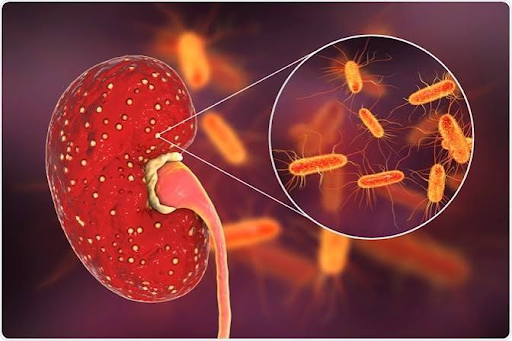
- Infections that trigger an immune response
- IgA nephropathy and other immune-related kidney disorders
- Diabetes-related kidney damage
- Certain blood-vessel or inflammatory conditions
- Inherited kidney disorders
- Certain medicines or other health conditions
- Conditions that affect the body's immune system
In some people, the exact cause may not be immediately obvious. Finding the underlying cause is important because treatment depends heavily on what is driving the kidney inflammation.
The Common Contributors
Several factors may contribute to kidney stress or make existing kidney problems harder to manage:
- High blood pressure
- Poorly controlled blood sugar
- Recurrent infections
- Autoimmune conditions
- High-salt diets
- Smoking
- Obesity or metabolic problems
- Unnecessary use of certain painkillers
- Dehydration or inappropriate fluid intake
- Delayed evaluation of abnormal urine or kidney reports
This is why managing glomerulonephritis involves more than simply focusing on the kidneys. Blood pressure, blood sugar, diet, medicines, and the underlying disease all matter.
Glomerulonephritis Symptoms You Shouldn't Ignore
Glomerulonephritis does not always announce itself loudly. Sometimes, the first clue is simply an abnormal urine or blood test.
Possible symptoms include:
- Blood in the urine
- Foamy or unusually frothy urine
- Swelling around the eyes, feet, ankles, or legs
- Reduced urine output
- Dark or tea-colored urine
- High blood pressure
- Fatigue or weakness
- Loss of appetite
- Nausea or vomiting
- Shortness of breath when fluid builds up
- Headaches associated with high blood pressure
If you develop very little or no urine, severe breathlessness, rapidly increasing swelling, chest pain, confusion, or a significant sudden deterioration in your condition, seek urgent medical attention.
How We Assess Patients at Karma Ayurveda
A proper assessment helps determine what may be happening behind the kidney reports.
At Karma Ayurveda, we may review:
- Urine routine and microscopy
- Urine protein or albumin measurements
- Urine albumin-to-creatinine ratio when available
- Serum creatinine and eGFR
- Blood urea and electrolyte levels
- Blood pressure readings
- Blood sugar reports
- Kidney ultrasound or other imaging
- Relevant autoimmune or infection-related investigations
- Current medicines and supplements
- Dietary and lifestyle habits
- Symptoms and their progression
From the Ayurvedic side, we also consider digestion, elimination, lifestyle, individual constitution, and other factors that may help us design supportive care.
The resulting plan is individualized rather than simply giving every patient the same herbs or diet chart.
Ayurvedic Therapies Commonly Used for Glomerulonephritis Support
Ayurvedic care for glomerulonephritis should be individualized, particularly because active kidney inflammation can sometimes require prompt conventional treatment.
Depending on the person's condition and medical guidance, supportive Ayurvedic care may include:
Shamana Chikitsa
Individualized herbal and dietary support may be considered to support digestion, metabolism, urinary health, and overall balance.
Herbal Support
Herbs traditionally used in Ayurvedic kidney and urinary care may include Punarnava, Gokshura, Guduchi, or Varuna. Their suitability depends on kidney function, medicines, electrolyte levels, and the underlying cause.
Abhyanga
A carefully selected oil massage may be used for relaxation, physical comfort, and general wellbeing when appropriate.
Gentle Movement
Light yoga, stretching, breathing practices, and appropriate physical activity can support mobility and overall health.
Dietary Guidance
Food choices are personalized according to kidney function, blood pressure, swelling, electrolyte levels, protein loss, and other medical factors.
Importantly, there is no established Ayurvedic cure for glomerulonephritis that can reliably eliminate kidney inflammation or reverse permanent kidney damage in every patient. Ayurvedic care should therefore be considered supportive and should not replace nephrology care, prescribed medicines, or urgent treatment when needed.
What Can You Do at Home to Support Kidney Health?
Small daily habits can make a meaningful difference when managing a long-term kidney condition.
Keep Salt Under Control
Excess sodium can contribute to fluid retention and high blood pressure. Limit packaged snacks, instant foods, pickles, salty sauces, and heavily processed foods.
Follow Your Individual Kidney Diet
Protein, potassium, phosphorus, and fluid requirements can differ greatly between patients. Don't copy someone else's kidney diet from the internet simply because their creatinine looks similar.
Monitor Blood Pressure
High blood pressure can place additional stress on already affected kidneys. Keep track of your readings and follow your prescribed treatment.
Manage Blood Sugar
If you have diabetes, keeping blood sugar under control is an important part of protecting kidney health.
Be Careful With Painkillers
Regular or unnecessary use of certain NSAID painkillers can affect kidney function. Discuss frequent painkiller use with your doctor.
Stay Physically Active
Choose activity appropriate for your energy levels and kidney condition. Gentle walking and stretching can be useful for many people.
Avoid Random Kidney Detox Products
Herbal teas, powders, supplements, and aggressive cleansing programs are not automatically safe just because they are labelled natural.
And never stop prescribed medicines or change their doses without discussing it with your treating doctor.
Can Ayurveda Support Glomerulonephritis Management?
Yes, Ayurvedic care may be used as a supportive approach for glomerulonephritis, particularly alongside appropriate medical evaluation and monitoring.
The focus is generally on supporting overall wellbeing, digestion, diet, lifestyle, urinary health, and factors that can influence kidney health.
However, glomerulonephritis can have serious causes, including autoimmune disease and infections, and some forms may progress to chronic kidney disease. There is no established Ayurvedic treatment that universally reverses glomerular damage.
That makes regular monitoring especially important. Changes in creatinine, eGFR, urine protein, blood pressure, swelling, or urine output should not be ignored while pursuing any complementary therapy.
When Should You See a Specialist?
Consider seeing a kidney specialist if you have:
- Persistent protein or blood in your urine
- Foamy urine that continues over time
- Repeatedly elevated creatinine
- Declining eGFR
- New or difficult-to-control high blood pressure
- Swelling of the face, legs, or feet
- Reduced urine output
- Recurrent abnormal urine reports
- Unexplained kidney inflammation
- A known autoimmune or systemic inflammatory condition
If kidney function is changing rapidly, symptoms are severe, or there is significant fluid overload, medical evaluation should not be delayed.
Supporting Kidney Function, One Step at a Time
Glomerulonephritis deserves attention because even a small change in urine can sometimes point toward a bigger kidney problem.
At Karma Ayurveda, our approach focuses on understanding the individual rather than treating a report in isolation. We combine Ayurvedic assessment, personalized diet and lifestyle guidance, supportive therapies, and regular monitoring while respecting the importance of appropriate medical care.
The goal is simple: support kidney health, protect remaining function, and help you make informed choices about your long-term wellbeing.