





























Ayurvedic Approach to IgA Nephropathy: Supporting Renal Filtration and Immune Balance
Before we explore why glomerular inflammation occurs, let's talk about how we approach the individual navigating these health changes.
At Karma Ayurveda, we do not believe that every individual managing IgA Nephropathy needs a generic, copy-paste care plan. Two people presenting with this diagnosis can have completely different underlying triggers, fluid levels, digestive strength, and metabolic responses.
One person may experience visible dark or tea-colored urine (gross hematuria) following a upper respiratory infection or sore throat. Another may deal with persistent microscopic protein leakage, fluctuating blood pressure, or gradual rises in serum creatinine. Someone else may be seeking supportive care to calm chronic renal inflammation and protect nephron health during long-term medical recovery.
That is why our approach to Ayurvedic support for IgA Nephropathy focuses on understanding the individual as a whole rather than viewing a renal biopsy or blood report in isolation.
We evaluate your current filtration markers, daily urine output, digestive fire (Agni), swelling, and complete medical history before suggesting a supportive care plan. The goal is to make Ayurvedic care safe, practical, and precise; because any intervention that overburdens compromised kidneys or conflicts with essential medical monitoring isn't truly helpful.
Many individuals and families exploring Ayurvedic kidney care in India seek personalized protocols that reduce tissue inflammation, balance immune responses, protect filtering membranes, and rebuild metabolic vitality safely.
What Factors Contribute to IgA Nephropathy?
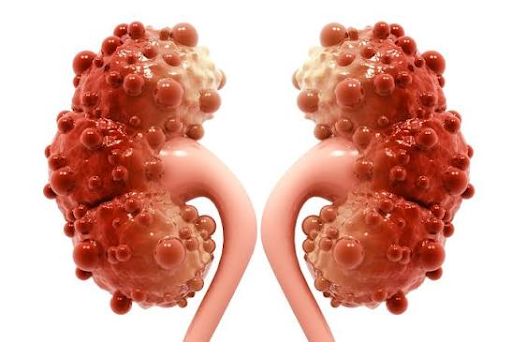
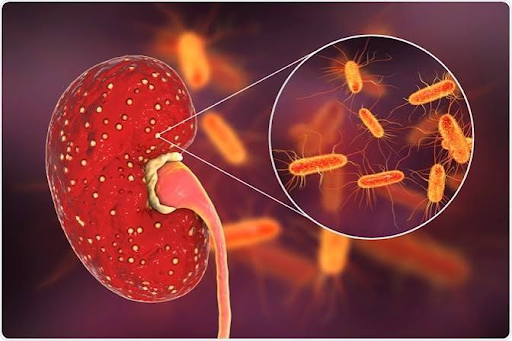
IgA Nephropathy stems from an abnormal immune system response that causes altered IgA antibodies to lodge directly within the kidneys' filtering units.
The Common Contributors
Mucosal Immune Dysregulation: Overproduction of galactose-deficient IgA1 antibodies following respiratory or gastrointestinal infections.
Genetic Susceptibility: Inherited genetic factors that affect antibody structure and immune system regulation.
Secondary Systemic Triggers: Chronic inflammatory conditions, such as celiac disease, liver cirrhosis, or inflammatory bowel disease (IBD).
Pitta-Rakta Vitiation & Immune Dysfunction (Vyadhiksamatva Shift): In Ayurveda, poor digestive metabolism (Agni Mandya) generates toxic metabolic waste (Ama), which combines with vitiated Pitta and Rakta (blood), causing localized inflammatory damage in Mutravaha Srotas.
Identifying the specific underlying trigger helps tailor a much clearer path toward safe, supportive daily management.
Symptoms and Physical Signs in IgA Nephropathy
Physical cues associated with IgA Nephropathy reflect immune inflammation and structural filtering impairment:
Visible Blood in Urine (Gross Hematuria): Tea-colored, cola-colored, or reddish urine, often appearing during or right after a upper respiratory infection.
Microscopic Hematuria: Invisible traces of blood in the urine detected during routine laboratory urine analysis.
Foamy or Bubbly Urine: Urine with persistent foam caused by excess protein leakage (proteinuria).
Fluid Retention and Swelling (Edema): Mild to moderate swelling in the lower legs, ankles, feet, or puffiness around the eyes.
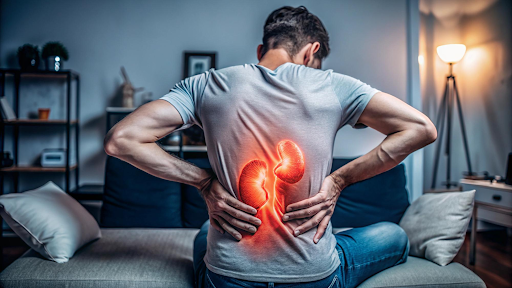
Flank or Back Pain: A dull, aching pain in the back or sides beneath the ribs during active inflammatory flare-ups.
Elevated Blood Pressure (Hypertension): High blood pressure caused by impaired fluid balance and renal micro-vascular stress.
Sudden complete stoppage of urine, severe shortness of breath, sudden rapid spike in blood pressure, intense chest tightness, or extreme confusion requires immediate emergency medical evaluation.
How We Assess Patients at Karma Ayurveda
When someone consults us seeking Ayurvedic care for IgA Nephropathy, our initial step is never just reading a single lab marker.
We focus on understanding why the immune system is creating inflammation in the kidneys and how your overall digestion, fluid balance, and tissue health are coping.
Understanding Daily Symptoms: We discuss recent changes in urine color, foaminess, flank comfort, swelling patterns, and energy levels.
Reviewing Your Medical Reports: We carefully analyze Kidney Function Tests (KFT), Urine Routine/Microscopy (for RBCs and protein levels), Spot UPCR, Serum IgA levels, Blood Pressure logs, and Renal Biopsy reports.
Evaluating Lifestyle & Recent Triggers: We check recent viral infection history, fluid intake habits, dietary choices, allergen exposure, and current prescription drug usage.
The Ayurvedic Assessment: We evaluate Pitta and Rakta vitiation, metabolic waste accumulation (Ama), Vata involvement, and digestive fire strength (Agni).
Creating an Individualized Plan: Once the assessment is complete, we craft a cautious, personalized protocol combining immune-modulating herbs, tissue-soothing cooling preparations, renal-conscious dietary guidance, and stress-reduction routines.
The goal is to build a safe, highly monitored routine that reduces metabolic strain on the kidneys, calms immune-mediated inflammation, and aids natural renal protection.
Ayurvedic Therapies Commonly Used for IgA Nephropathy Care
Depending on the stage of kidney function, active inflammation, and overall health, Ayurvedic care utilizes cautious strategies aimed at balancing immunity and protecting tissues:
Rakta Shodhaka & Pitta Pacifying (Blood Cleansing & Cooling): Classical formulations designed to calm circulating inflammatory heat, purify blood tissue (Rakta Dhatu), and soothe renal filtration membranes.
Targeted Herbal Support: Time-honored herbs including Guduchi (known for modulating immune response and reducing oxidative stress), Punarnava (for fluid clearance and soothing tissue swelling), Gokshura (for soothing urinary pathways and supporting filtration), Manjistha (for purifying Rakta Dhatu and lowering systemic inflammation), and Sariva (a potent cooling herb for balancing Pitta).
Ama Pachana (Digesting Toxins): Mild digestive herbs to eliminate internal metabolic toxins (Ama) so that sticky waste products do not accumulate in the filtering channels.
Ojas Protection & Stambhana: Gentle therapies aimed at stopping abnormal nutrient/blood loss in urine and preserving core immune vitality (Ojas).
Pitta-Conscious Dietary Protocols: Customized nutrition plans featuring non-inflammatory, low-sodium, easily digestible cooked meals that minimize systemic heat and renal stress.
All therapies are selected with rigorous clinical monitoring of urine RBCs, protein levels, serum creatinine, and blood pressure to ensure safety.
What Can You Do at Home to Support Kidney Health?
Managing IgA Nephropathy and protecting renal tissue requires disciplined daily routines:
Embrace a Pitta-Cooling, Anti-Inflammatory Diet: Eat fresh, warm, lightly spiced meals like bottle gourd (Lauki), cooked moong dal, cucumber, and pumpkin. Avoid extremely hot, spicy, sour, salty, or fermented foods.
Strictly Regulate Sodium Intake: Limit salt intake to help control blood pressure, manage fluid retention, and lower stress on renal micro-vessels.
Avoid Raw Juices and Unverified Supplements: Do not consume raw herbal blends or unverified energy powders, as concentrated bio-compounds can irritate vulnerable glomeruli.
Protect Against Respiratory Infections: Practice diligent hand hygiene and avoid sudden temperature extremes, as mucosal infections trigger IgA production and kidney flare-ups.
Maintain Healthy Blood Pressure: Monitor blood pressure regularly at home, as keeping blood pressure under control directly protects kidney blood vessels from secondary damage.
Stay Well-Hydrated naturally: Drink clean, warm or room-temperature water steadily throughout the day rather than forcing excessive fluid intake.
Reduce Stress and Overexertion: Avoid excessive physical fatigue, intense workouts, and high psychological stress, which can aggravate Pitta and trigger inflammatory spurts.
Never discontinue or alter prescribed Western nephrology medications, ACE inhibitors/ARBs, or immunosuppressive therapy without direct guidance from your primary medical team.
Can Ayurveda Support IgA Nephropathy Management?
Ayurveda offers a supportive, holistic framework for managing kidney health by addressing metabolic root causes, reducing internal tissue inflammation (Pitta-Rakta heat), and supporting digestive strength (Agni). By balancing immune stability (Vyadhiksamatva) and protecting filtration channels (Srotas), it aims to aid the body's natural restorative processes.
The realistic objective of Ayurvedic support for IgA Nephropathy is to help calm active glomerular inflammation, reduce urine blood/protein leakage, manage blood pressure, protect remaining nephron function, and enhance overall vitality.
This is why searching online for a quick "cure" or consuming raw herbal powders without expert medical supervision is unsafe; especially when immune mechanisms affect the kidneys. IgA Nephropathy care requires careful monitoring aligned with modern laboratory diagnostics.
An experienced practitioner can review your medical reports and craft a cautious, synchronized protocol alongside your ongoing nephrology care.
When Should You See a Specialist?
IgA Nephropathy requires strict clinical supervision to monitor active inflammation and prevent progressive structural kidney damage.
Seek immediate medical evaluation if:
- You notice a sudden, dramatic darkening of urine color (gross hematuria) accompanied by fever or back pain.
- Blood pressure spikes significantly and remains difficult to control.
- Serum creatinine or blood urea levels show a rapid, unexpected rise on blood tests.
- Severe swelling rapidly develops in your legs, face, or abdomen.
- You experience severe headache, vision changes, continuous vomiting, or shortness of breath.
If you are looking for an Ayurvedic kidney specialist near me, choose a qualified practitioner who understands renal pathology, reviews lab reports meticulously, respects Western medical protocols, and prioritizes safety above all else.
Restoring Balance and Metabolic Vitality
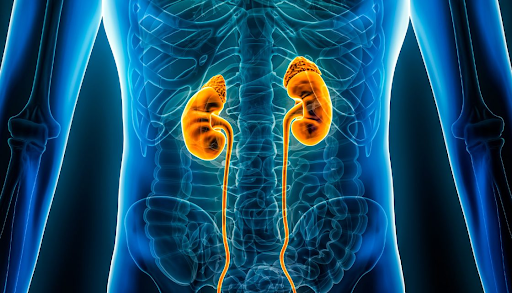
Our kidneys work quietly every minute of the day to cleanse our blood, maintain fluid balance, and preserve the vital elements our cells need to thrive.
When an autoimmune condition like IgA Nephropathy causes inflammation in these delicate filters, dealing with changing lab reports, diet changes, and medical uncertainty can feel overwhelming for both you and your family.
The reassuring truth is that supporting kidney health is not just about tracking lab numbers; it is about easing internal inflammation, strengthening filtration channels, protecting cellular vitality, and building health step by step.
At Karma Ayurveda, our focus is on understanding the individual behind the medical report and providing safe, thoughtful, and integrative care tailored to your body's specific needs.
If you are exploring Ayurvedic support for IgA Nephropathy, the goal is clear: calm inflammation, protect your vital organs, and walk the path toward long-term health with safety, confidence, and care.