


























Welcome to Karma Ayurveda Hospital: Best Ayurvedic treatment for Cancer, Kidney Disease, Liver Disease, Diabetes, Heart Disease, Hypertension, Arthritis, Psoriasis, Eczema, Skin Disorders, Respiratory Disorders, Asthma, Digestive Disorders, Thyroid Disorders, Neurological Disorders, Mental Health Disorders, Infertility, Women's Health, Men's Health, Urinary Disorders, Obesity, Anaemia, Migraine, Eye Disorders, Hair & Scalp Disorders, Autoimmune Disorders, Sexual Health, and Panchakarma.

Karma Ayurveda Logo
Home/Kidney/Kidney Detox

Ayurvedic Treatment & Care

Ayurvedic Treatment For Kidney Detox

Thinking your kidneys need a detox? Truth is, your kidneys already work around the clock filtering waste; but your daily habits still shape your overall kidney health. This page separates kidney detox facts from myths and shares practical ways to support your kidneys, including an Ayurvedic approach to kidney detox.

25+
Years of Experience
1,50,000+
Happy Patients
100%
Ayurvedic & Natural
🫘
Kidney Detox

What Is Kidney Detox?

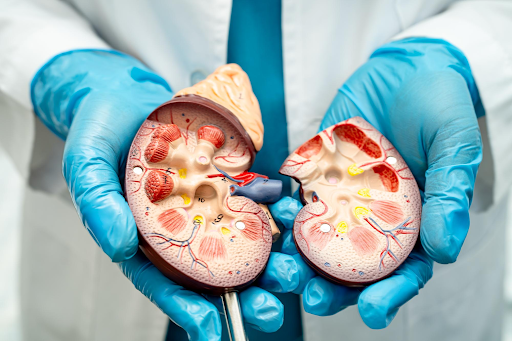
The Core Definition: Kidney detox refers to lifestyle and wellness practices intended to support the kidneys' natural filtering and waste-removal functions.

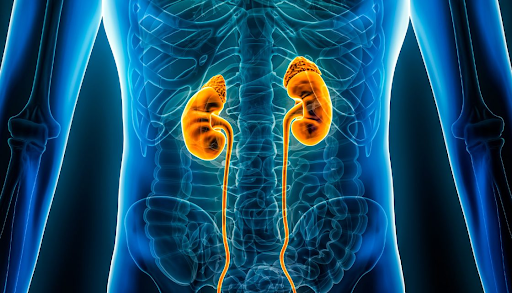
The Structural Impact: Healthy kidneys naturally filter blood and remove waste while maintaining fluid and electrolyte balance.

The Functional Shift: Poor hydration, unhealthy habits, or certain medical conditions can place additional stress on kidney function.

The Ayurvedic Perspective: Ayurveda approaches urinary and metabolic wellbeing through factors such as Dosha balance, digestion, metabolism, diet, and fluid regulation.

Kidney Detox

Patient Case Studies

Test Multi-Patient video testimonial
Multi Outcome Test
Watch Video
Verified Patient video testimonial
Remarkable Recovery with Ayurveda
Watch Video
Verified Patient video testimonial
Remarkable Recovery with Ayurveda
Watch Video
Verified Patient video testimonial
Remarkable Recovery with Ayurveda
Watch Video
Verified Patient video testimonial
Remarkable Recovery with Ayurveda
Watch Video
Verified Patient video testimonial
Remarkable Recovery with Ayurveda
Watch Video
Verified Patient video testimonial
Remarkable Recovery with Ayurveda
Watch Video
Test Multi-Patient video testimonial
Multi Outcome Test
Watch Video

Our Awards & Accolades

Delhi Chief Minister Rekha Gupta
Click to View Award

Delhi Chief Minister Rekha Gupta

Award from Shilpa Shetty at IFA
Click to View Award

Award from Shilpa Shetty at IFA

Hon'ble Chief Minister Sh. Nayab Singh Saini
Click to View Award

Hon'ble Chief Minister Sh. Nayab Singh Saini

Felicitated by AYUSH Minister
Click to View Award

Felicitated by AYUSH Minister

Felicitating Indian Ambassador Nagesh Singh
Click to View Award

Felicitating Indian Ambassador Nagesh Singh

AYUSH Best Young Ayurveda Doctor Award
Click to View Award

AYUSH Best Young Ayurveda Doctor Award

Conference on Sustainable Healthcare
Click to View Award

Conference on Sustainable Healthcare

TEDx Panoroad Speaker Award
Click to View Award

TEDx Panoroad Speaker Award

Felicitating Prof. Rakesh Sharma
Click to View Award

Felicitating Prof. Rakesh Sharma

Event hosted by Hamdard
Click to View Award

Event hosted by Hamdard

Cosmo Talks Bangkok
Click to View Award

Cosmo Talks Bangkok

Award from Prof. Rakesh Sharma
Click to View Award

Award from Prof. Rakesh Sharma

How We Reverse Diseases

In Ayurveda, research is built around fundamental pillars to effectively heal and reverse Kidney.

Therapies

➔

Patients may undergo the traditional Ayurvedic treatments if it appears to be beneficial considering their current health condition.

➔

Therapies are chosen based on the patient's medical history, reports, and symptoms.

➔

We explain the purpose of each kind of therapy and what the patient may expect during the procedure.

➔

Different types of therapies can be applied depending on the issues that people face.

Therapies

Patient Medical Reports

Cellular Immunity & Blood Platelet Recovery Report
Click to View Full Report

Cellular Immunity & Blood Platelet Recovery Report

Liver Enzymes (SGOT/SGPT) Normalization Lab Report
Click to View Full Report

Liver Enzymes (SGOT/SGPT) Normalization Lab Report

Creatinine Reduced from 8.4 to 1.8 mg/dL - KFT Report
Click to View Full Report

Creatinine Reduced from 8.4 to 1.8 mg/dL - KFT Report

Nephrotic Syndrome Proteinuria Negative Report
Click to View Full Report

Nephrotic Syndrome Proteinuria Negative Report

Liver Enzymes (SGOT/SGPT) Normalization Lab Report
Click to View Full Report

Liver Enzymes (SGOT/SGPT) Normalization Lab Report

Creatinine Reduced from 8.4 to 1.8 mg/dL - KFT Report
Click to View Full Report

Creatinine Reduced from 8.4 to 1.8 mg/dL - KFT Report

Therapy Plan

Our Treatment Focus for Kidney Detox

At Karma Ayurveda, we do not simply prescribe herbs to mask symptoms. We analyze the root pathology triggers of kidney detox, customize botanical formulations, and restore long-term cellular balance:

1

Creatinine Management

Using Mutral (diuretic) herbs like Gokshur and Varun to lower urea & creatinine.

2

Nephron Rejuvenation

Rasayana herbs like Punarnava to revive damaged kidney filtration units.

3

GFR Correction

Ayurvedic formulations aimed at progressively improving the Glomerular Filtration Rate.

4

Strict Fluid Regimen

Precision fluid guidelines combined with custom sodium-potassium charts.

Why Hundreds of Thousands Choose Karma Ayurveda

With a healing legacy since 1937, our experienced Ayurvedic clinicians use pure, tested botanical formulations and specialized Panchakarma therapies to restore physiological health naturally.

100% Tested Organic Extracts
84+ Years Healing Legacy
Completely Safe, Zero Harm
Expert Ayurvedic Clinicians
Related Therapies

Other Ayurvedic Kidney Treatments We Offer

Comprehensive specialized Ayurvedic pathways for all related stages and complications of kidney

Acute Kidney Disease

Acute Kidney Disease

Did your kidney function suddenly take a dip? A sudden spike in creatinine, less urine than usual, or unexpected swelling can leave you scrambling for answers. This page walks through acute kidney disease; its warning signs, possible causes, and Ayurvedic treatment for acute kidney disease; along with diet and lifestyle tips for better kidney care.

Read More
Blood Urea

Blood Urea

Blood report shows high urea; does that automatically mean your kidneys are failing? Not necessarily. Blood urea can rise for several different reasons, so it's worth understanding the number in context. This page explains what blood urea means, why it rises, how it relates to kidney function, and Ayurvedic treatment for high blood urea.

Read More
Chronic Kidney Disease

Chronic Kidney Disease

Creatinine climbing while your eGFR keeps dropping? Chronic Kidney Disease tends to progress quietly, which makes understanding what's happening inside your kidneys all the more important. This page covers CKD stages, symptoms, diet, lifestyle changes, and Ayurvedic treatment for chronic kidney disease.

Read More
Creatinine

Creatinine

Your creatinine is rising, but what does that actually mean for your kidneys? A single number on a blood report can raise more questions than it answers. This page breaks down creatinine levels, eGFR, kidney function, possible causes, and Ayurvedic treatment for high creatinine, plus useful diet and lifestyle guidance.

Read More
Cysts Kidney Disease

Cysts Kidney Disease

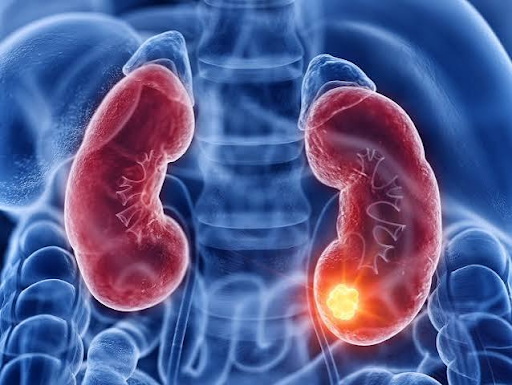
Found a cyst on your kidney and started worrying right away? Not all kidney cysts are the same; their size, number, type, and underlying cause all make a difference. This page covers kidney cysts, symptoms, possible complications, and Ayurvedic treatment for kidney cysts, along with supportive diet and lifestyle guidance.

Read More
Foamy Urine

Foamy Urine

Foam in your urine once might mean nothing; but what if it keeps happening? Persistent foamy urine can sometimes be linked to protein leaking through the kidneys' filters. This page covers the possible causes of foamy urine, its connection to proteinuria, and Ayurvedic treatment for foamy urine, along with important kidney-care guidance.

Read More
Glomerulonephritis Kidney

Glomerulonephritis Kidney

Blood or protein turning up in your urine? The problem could be hiding in your kidney's tiny filters. Glomerulonephritis causes inflammation in those filtering units and can affect kidney function. This page covers its causes, symptoms, diagnosis, diet, and Ayurvedic treatment for glomerulonephritis.

Read More
IGA-Nephropathy

IGA-Nephropathy

Blood or recurring protein in your urine is never something to ignore. These signs can sometimes point to IgA Nephropathy, a condition affecting the kidney's tiny filtering units. This page covers its causes, symptoms, diagnosis, progression, diet, and Ayurvedic treatment for IgA Nephropathy.

Read More
Kidney Dialysis

Kidney Dialysis

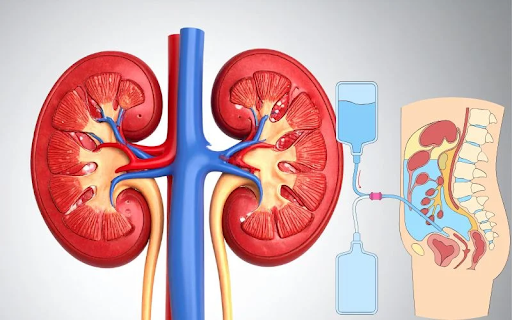
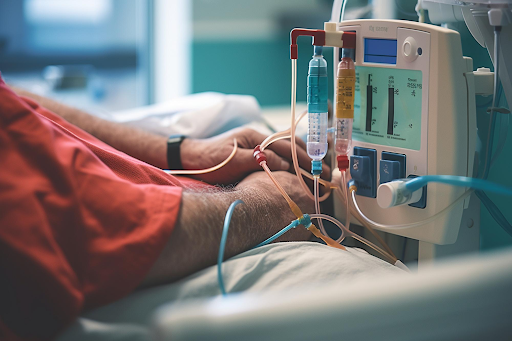
Been told dialysis might be necessary? That news comes with a lot of questions; why it's needed, when it's recommended, and what it means for everyday life. This page walks through kidney dialysis, kidney function, diet considerations, and Ayurvedic treatment for kidney dialysis support.

Read More
Kidney Failure

Kidney Failure

What happens when the kidneys can no longer filter waste the way they should? Kidney failure brings up serious questions about symptoms, treatment, dialysis, and everyday life. This page covers the stages of kidney failure, creatinine, eGFR, diet, dialysis, and Ayurvedic treatment for kidney failure.

Read More
Kidney Infection Pyelonephritis

Kidney Infection Pyelonephritis

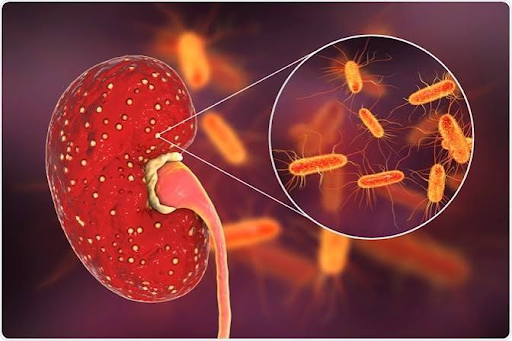
Fever, chills, burning urination, pain in your back or side; don't write it off as just another UTI. A kidney infection affects the kidneys directly and may call for prompt medical attention. This page covers kidney infection and pyelonephritis, its symptoms, causes, complications, prevention, and Ayurvedic treatment for kidney infection.

Read More
Kidney Shrinkage

Kidney Shrinkage

Small or shrunken kidneys showing up on an ultrasound can be alarming; but what does it actually mean? Understanding why the kidneys have reduced in size can help make sense of your overall kidney health. This page covers the possible causes of kidney shrinkage, kidney function, diet, lifestyle guidance, and Ayurvedic treatment for kidney shrinkage.

Read More
Kidney Stone Disease

Kidney Stone Disease

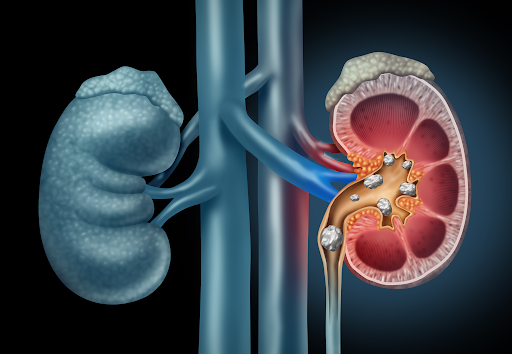
That sudden, unbearable pain in your side or back could well be a kidney stone announcing itself. But pain is far from the only thing these stones can cause. This page covers kidney stone disease, why stones form, symptoms, diet, prevention, and Ayurvedic treatment for kidney stones.

Read More
Kidney Swelling

Kidney Swelling

Swollen feet, ankles, or puffy eyes might be more than simple water retention. Kidney issues can sometimes affect how your body manages fluid and protein, leading to noticeable kidney swelling. This page covers the causes of kidney swelling, related symptoms, diet, lifestyle measures, and Ayurvedic treatment for kidney swelling.

Read More
Nephrotic Syndrome

Nephrotic Syndrome

Swollen feet, puffy eyes, foamy urine; sound familiar? Your kidneys might be losing more protein than they should. Nephrotic Syndrome can affect a lot more than just your urine test results. This page explains its causes, symptoms, protein loss, diet, and Ayurvedic treatment for nephrotic syndrome.

Read More
Polycystic Kidney Disease

Polycystic Kidney Disease

Finding out you have multiple cysts in your kidneys raises plenty of questions; what caused them, will they affect kidney function, what should you be watching for? This page covers polycystic kidney disease, its symptoms, how it progresses, possible complications, diet, and Ayurvedic treatment for polycystic kidney disease.

Read More
Proteinuria

Proteinuria

Urine test comes back saying "protein detected"; should that worry you? Protein in the urine can sometimes be temporary, but when proteinuria sticks around, it can point to an underlying kidney issue. This page covers its causes, symptoms, urine protein levels, diet, and Ayurvedic treatment for proteinuria.

Read More

Ayurvedic Kidney Detox: Supporting Natural Kidney Function and Urinary Health

The word "detox" has become almost impossible to escape.

There are detox drinks, detox teas, detox powders, detox diets; and probably a detox smoothie somewhere claiming to fix your entire life before breakfast.

But when it comes to your kidneys, things are a little more serious.

Your kidneys already have a sophisticated waste-removal system. They continuously filter your blood, remove metabolic waste through urine, regulate fluid and electrolytes, and help maintain several important functions in the body.

So you don't need to "flush toxins" out of your kidneys with an extreme juice cleanse.

In fact, some aggressive detox products, herbal mixtures, prolonged fasting plans, or excessive water intake may be inappropriate or even harmful, particularly for people who already have kidney disease.

At Karma Ayurveda, when someone approaches us looking for an Ayurvedic kidney detox, we focus less on the idea of a quick "flush" and more on supporting the habits and factors that contribute to healthy kidney function.

We first try to understand the individual's health.

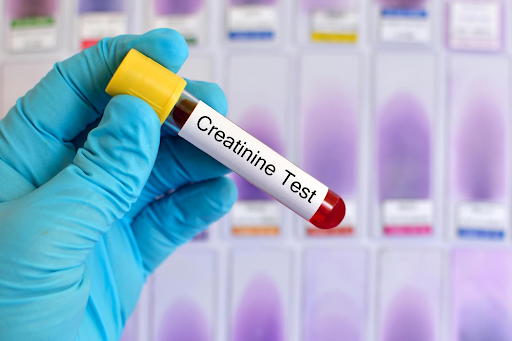
We may review kidney function tests such as creatinine and eGFR, urine reports, blood pressure, blood sugar, medical history, medications, diet, hydration, digestion, bowel habits, sleep, physical activity, and other relevant factors.

If someone already has CKD, proteinuria, kidney stones, recurrent infections, reduced kidney function, or another kidney condition, the approach needs to be very different from a general wellness plan.

Our Ayurvedic assessment may consider Dosha patterns, digestion, metabolism, urinary function, and overall strength.

The objective is simple: support healthy routines without turning kidney care into an extreme detox experiment.

What Exactly Does a Kidney Detox Mean?

The kidneys naturally perform detoxification-related functions every day.

They filter the blood and help remove metabolic waste and excess substances through urine.

This process does not need a special juice, tea, or powder to "activate" it.

For most healthy people, supporting kidney health means supporting the body as a whole:

  1. Maintaining appropriate hydration
  2. Eating a balanced diet
  3. Keeping blood pressure healthy
  4. Managing blood sugar
  5. Staying physically active
  6. Avoiding unnecessary medications and supplements
  7. Maintaining a healthy weight
  8. Getting adequate sleep
  9. Addressing kidney problems early

In Ayurveda, supportive care may also focus on digestion, metabolism, appropriate food choices, daily routines, and urinary wellbeing.

A sensible kidney detox treatment should therefore be about supporting natural physiological processes; not forcing the kidneys to work harder.

The Common Contributors to Poor Kidney Health

There is no single "kidney toxin" responsible for kidney problems.

Several lifestyle and medical factors can affect kidney health:

Dehydration: Significant or repeated dehydration can put stress on the kidneys.

Excess Sodium: A high-salt diet can contribute to elevated blood pressure and fluid retention.

Uncontrolled Blood Sugar: Long-term high blood glucose can damage kidney blood vessels and filtering structures.

High Blood Pressure: Persistent hypertension can gradually damage the kidneys.

Excessive Alcohol Intake: Heavy alcohol consumption can contribute to dehydration and broader health problems that may affect kidney health.

Smoking: Smoking can damage blood vessels and increase cardiovascular and kidney-related risks.

Unnecessary Painkillers: Frequent use of certain NSAIDs can harm kidney function, particularly in susceptible individuals.

Random Supplements: Some herbal and nutritional supplements may contain ingredients that are unsuitable for the kidneys.

Extreme Diets: Very restrictive diets, prolonged fasting, or unbalanced high-protein plans may not be appropriate for everyone.

Sedentary Lifestyle: Lack of physical activity can contribute to obesity, diabetes, high blood pressure, and metabolic problems.

Poor Sleep: Inadequate sleep can negatively affect overall metabolic and cardiovascular health.

Ignoring Kidney Symptoms: Persistent swelling, urinary changes, blood in urine, or abnormal kidney tests should be evaluated rather than "detoxed away."

Kidney Health Symptoms You Shouldn't Ignore

A wellness-focused kidney detox should never be used to explain away symptoms that may require medical attention.

Speak with a healthcare professional if you experience:

Persistent Changes in Urination: Major changes in urine amount, frequency, or appearance deserve attention.

Foamy Urine: Persistent foamy urine may indicate protein in the urine.

Blood in Urine: Visible blood should be medically evaluated.

Swelling: Swelling around the feet, ankles, legs, hands, or face can sometimes be associated with kidney problems.

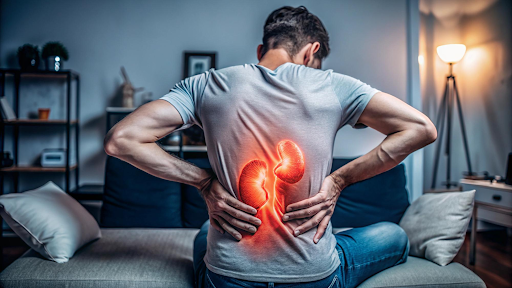
Persistent Back or Side Pain: Pain may have many causes, including kidney stones, infection, or musculoskeletal problems.

Fatigue: Persistent unexplained tiredness may require evaluation.

Nausea or Loss of Appetite: These can occur with various conditions, including significant kidney dysfunction.

Changes in Blood Pressure: Uncontrolled or unexpectedly high blood pressure warrants attention.

Reduced Urine Output: A significant reduction in urine can be a warning sign.

Shortness of Breath: Breathlessness associated with fluid retention requires prompt assessment.

Seek urgent medical attention for severe shortness of breath, chest pain, confusion, seizures, severe weakness, very little or no urine, rapidly worsening swelling, or repeated vomiting.

How We Assess Patients at Karma Ayurveda

When someone consults us for an Ayurvedic kidney detox, we don't automatically recommend a detox drink and send them home.

First, we ask a much more important question:

Does this person actually need a detox-style wellness plan, or is there an underlying kidney problem that needs medical evaluation?

1. Reviewing Kidney Function Available creatinine, eGFR, urine reports, electrolytes, and other relevant investigations may be reviewed.

2. Understanding Urinary Health Changes in urination, foamy urine, blood in urine, frequency, discomfort, and other urinary symptoms are discussed.

3. Checking Blood Pressure Blood pressure is important because uncontrolled hypertension can affect kidney health.

4. Checking Blood Sugar Diabetes and poor glucose control can increase the risk of kidney damage.

5. Reviewing Diet and Hydration We discuss salt intake, processed foods, protein intake, fluid habits, caffeine, meal patterns, and other dietary factors.

6. Reviewing Medicines and Supplements Painkillers, prescription medicines, herbal products, vitamins, minerals, and other supplements may be discussed.

7. Understanding Digestion and Elimination From an Ayurvedic perspective, digestion, bowel habits, appetite, and elimination are important parts of overall metabolic wellbeing.

8. Ayurvedic Assessment Traditional assessment may consider Dosha patterns, digestion, metabolism, urinary function, lifestyle, and overall strength.

9. Creating an Individualized Plan The final plan depends on whether the person is generally healthy or has an existing kidney condition.

Ayurvedic Therapies Commonly Used for Kidney Detox Support

An Ayurvedic approach to kidney detox should not mean aggressively "cleansing" the kidneys.

Depending on the individual's health, selected supportive approaches may include:

Shamana Chikitsa: Individualized Ayurvedic support may be considered according to the person's symptoms, digestion, strength, and overall health.

Dietary Guidance: Balanced food choices may be used to support healthy digestion, metabolism, and urinary wellbeing.

Selected Herbal Support: Certain traditional herbs may be considered in appropriate individuals, but herbs are not automatically kidney-safe and should be selected professionally.

Abhyanga: Gentle oil massage may support relaxation and physical comfort.

Gentle Yoga and Movement: Walking, stretching, and appropriate yoga may support physical activity and general wellbeing.

Digestive Support: Ayurveda may focus on healthy meal timing, digestion, bowel regularity, and balanced food choices.

Lifestyle Guidance: Sleep, hydration, physical activity, stress management, and other daily routines may be addressed.

More intensive Ayurvedic procedures may be appropriate for selected individuals, but Panchakarma or strong cleansing therapies should not be treated as a universal kidney detox.

People with CKD, reduced kidney function, pregnancy, significant heart disease, electrolyte abnormalities, or other medical conditions may require additional precautions.

What Can You Do at Home for a Natural Kidney Detox?

Here's the less glamorous truth about a kidney detox:

You don't need an expensive bottle.

Your kidneys are already doing the work.

What you can do is support them with sensible daily habits.

Drink an Appropriate Amount of Water Stay adequately hydrated, but don't force enormous quantities of water in an attempt to "flush" your kidneys. People with kidney, heart, or liver conditions may have individualized fluid requirements.

Eat More Whole Foods Build meals around appropriate portions of vegetables, fruits, whole grains, pulses, and other nutritious foods according to your individual health needs.

Reduce Excess Salt Too much sodium can contribute to high blood pressure and fluid retention.

Limit Highly Processed Foods Packaged foods can contain substantial amounts of sodium, sugar, and unhealthy fats.

Avoid Random Detox Products A product marketed as "natural" isn't automatically safe for your kidneys.

Be Careful With Painkillers Frequent NSAID use can be harmful to kidney function in some people.

Stay Physically Active Regular movement supports cardiovascular and metabolic health.

Sleep Properly Good sleep supports overall health and healthy metabolic function.

Don't Smoke Smoking can damage blood vessels and increase health risks.

Manage Blood Pressure and Blood Sugar If you have hypertension or diabetes, following your treatment plan is one of the most meaningful things you can do for long-term kidney health.

Can Ayurveda Support a Kidney Detox?

Ayurveda can support a healthy lifestyle through individualized diet, digestion-focused care, appropriate movement, relaxation practices, and selected traditional therapies.

However, it is important to separate supporting kidney health from the idea of "removing toxins from the kidneys."

Healthy kidneys already filter and eliminate waste continuously.

There is no established Ayurvedic treatment that is required to "flush toxins" from otherwise healthy kidneys.

Similarly, there is no need for an extreme detox simply because you feel tired, bloated, or have eaten a few unhealthy meals.

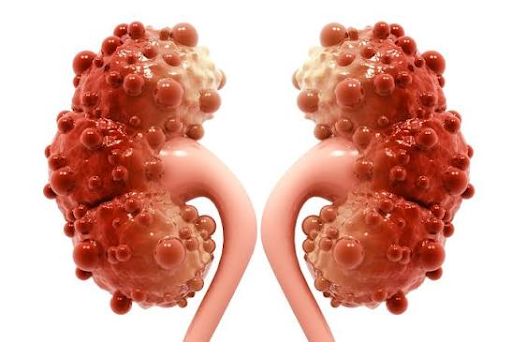
If someone has an actual kidney condition, such as CKD, proteinuria, kidney stones, Polycystic Kidney Disease, or recurrent kidney infections, the priority is identifying and managing the underlying problem.

At Karma Ayurveda, we therefore prefer an individualized approach over one-size-fits-all detox plans.

The focus is on supporting appropriate nutrition, digestion, lifestyle, hydration, and overall wellbeing while respecting the person's actual kidney function and medical needs.

When Should You See a Specialist?

A kidney detox should never replace medical evaluation when kidney problems are suspected.

Consider consulting a nephrologist or qualified medical professional if:

  1. Your creatinine is elevated.
  2. Your eGFR is lower than expected or declining.
  3. Protein or albumin is repeatedly found in your urine.
  4. You have blood in your urine.
  5. You experience persistent swelling.
  6. Your blood pressure is consistently high.
  7. You have recurrent urinary or kidney infections.
  8. You experience repeated kidney stones.
  9. Your urine output changes significantly.
  10. You have been diagnosed with CKD or another kidney condition.

If you are searching for an Ayurvedic kidney detox specialist, choose a qualified practitioner who first checks whether there is an underlying kidney problem instead of recommending a generic detox program.

Supporting Your Kidneys Without the Detox Hype

Your kidneys don't wait for Monday morning to start working.

They don't need a special three-day cleanse after a weekend of eating out.

And they certainly don't need an expensive bottle labelled "EXTREME KIDNEY FLUSH" to remember their job.

They already filter your blood every day.

What they do need is support.

At Karma Ayurveda, our approach to Ayurvedic kidney detox focuses on the bigger picture; appropriate hydration, balanced nutrition, digestion, physical activity, sleep, blood pressure, blood sugar, responsible medicine use, and regular monitoring when needed.

If your kidneys are healthy, the goal is to support the habits that help keep them healthy.

If your reports already show creatinine changes, protein in urine, reduced eGFR, stones, cysts, or another kidney problem, the approach needs to be more individualized and medically informed.

We don't believe kidney health should be reduced to a trendy detox drink.

It should be about understanding your body, identifying problems early, and building habits that you can actually maintain.

Your kidneys are already doing the detoxing. Your job is to give them the right support.

Find Us Near You

Our Clinics (हमारे क्लिनिक)

Visit your nearest Karma Ayurveda center and connect with our experts for personalized consultation.

Delhi
Jaipur
Patna
Bangalore
Mumbai
Lucknow
Noida
Lucknow - Vikas Nagar
Gurugram
Pratap Nagar
Delhi - Janakpuri

Discover Karma Ayurveda treatment centers and consultations offering specialized care for Kidney across India.

Explore All Locations →
FAQ

Frequently Asked Questions

Healthy kidneys naturally filter the blood and remove waste through urine. They do not generally require a special detox product. Supporting kidney health through appropriate hydration, nutrition, physical activity, and management of medical conditions is more meaningful.
There is no single Ayurvedic detox that is appropriate for everyone. A suitable approach depends on the person's health, kidney function, medications, digestion, lifestyle, and other individual factors.
Not necessarily. Adequate hydration supports normal kidney function, but drinking excessive amounts of water does not "flush out toxins" more effectively and can be dangerous in certain circumstances.
There is no established evidence that a detox drink can repair permanent kidney damage. If kidney function is abnormal, the underlying cause should be evaluated.
Not automatically. Some herbal products may interact with medicines or contain substances that are unsuitable for people with kidney problems. Always seek professional advice before using them.
Creatinine levels can change because of many factors, including kidney function, hydration, muscle mass, medications, and acute illness. A detox should not be promoted as a guaranteed way to reduce creatinine.
There is no universal amount for everyone. Hydration needs depend on body size, activity, climate, diet, kidney function, heart health, and other factors. People with certain medical conditions may need fluid restrictions.
A balanced diet based on individual nutritional needs can support overall health. If you already have CKD, however, some foods normally considered healthy may need to be adjusted because potassium, phosphorus, protein, sodium, or fluid requirements can change.
There is no general requirement to fast in order to detox the kidneys. Prolonged fasting or restrictive diets can be inappropriate for some people, particularly those with diabetes, kidney disease, or other medical conditions.
There is no scientifically established detox timeline. A healthy kidney-supportive routine is better viewed as an ongoing lifestyle approach rather than a short-term cleanse lasting a fixed number of days.