



































Ayurvedic Kidney Infection Treatment: Supporting Urinary and Kidney Health
At Karma Ayurveda, we understand that kidney infection is different from chronic kidney disease or other long-term kidney conditions. A kidney infection can develop suddenly and may require prompt medical treatment.
Our approach begins with understanding the symptoms, urine reports, kidney function, medical history, current medicines, hydration, diet, and lifestyle.
We also consider the Ayurvedic perspective of digestion, elimination, fluid balance, and individual constitution when developing supportive care.
The goal is not to delay necessary medical treatment. Instead, Ayurvedic guidance may be used alongside appropriate medical care to support recovery and overall urinary health.
What Exactly Causes Kidney Infection?
Most kidney infections occur when bacteria enter the urinary tract and travel upward from the bladder to the kidneys.
A common sequence is:
Bacteria → bladder infection → upward spread → kidney infection
The bacteria E. coli is a frequent cause, although other bacteria can also be responsible.
Kidney infection may also occur when urine does not flow normally, allowing bacteria to remain in the urinary system for longer.
Possible causes and associated conditions include:
- Untreated or recurrent urinary tract infections
- Urinary blockage
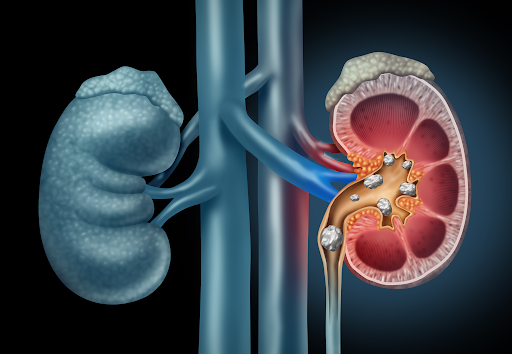
- Kidney or urinary stones
- Enlarged prostate
- Structural abnormalities of the urinary tract
- Vesicoureteral reflux
- Use of urinary catheters
- Conditions that make it harder to empty the bladder completely
In some cases, bacteria can reach the kidneys through the bloodstream from another infection.
The Common Contributors
Several factors may increase the risk of developing a kidney infection:
- Recurrent urinary tract infections
- Urinary stones
- Difficulty emptying the bladder
- Structural urinary tract problems
- Pregnancy
- Diabetes
- Enlarged prostate
- Catheter use
- A weakened immune system
- Previous kidney or urinary infections
Ignoring repeated urinary symptoms is also a problem. What starts as burning during urination may occasionally progress to something much more uncomfortable.
Kidney Infection Symptoms You Shouldn't Ignore
Pyelonephritis often causes more noticeable symptoms than a simple bladder infection.
Common symptoms may include:
- Fever
- Chills or shivering
- Pain in the back or side, often below the ribs
- Burning or pain while urinating
- Frequent urge to urinate
- Cloudy or foul-smelling urine
- Blood in the urine
- Nausea or vomiting
- Fatigue or weakness
- Lower abdominal discomfort
Some people may experience fever and back pain quite suddenly.
Seek urgent medical attention if you have a high fever with severe flank or back pain, repeated vomiting, confusion, extreme weakness, very low urine output, or rapidly worsening symptoms. A kidney infection can spread into the bloodstream and become a medical emergency.
How We Assess Patients at Karma Ayurveda
A kidney infection should first be properly evaluated so that the infection and its underlying cause can be addressed.
At Karma Ayurveda, relevant reports and health information may include:
- Urine routine and microscopy
- Urine culture when recommended
- Complete blood count
- Serum creatinine and eGFR
- Blood urea and electrolyte levels
- Blood pressure
- Blood sugar
- Kidney or urinary tract ultrasound
- Relevant imaging for suspected stones or obstruction
- Previous UTI and kidney infection history
- Current medicines and supplements
- Hydration and dietary habits
We also look at symptoms, digestion, elimination, lifestyle, and other individual factors from an Ayurvedic perspective.
Based on the overall picture, supportive dietary, lifestyle, and Ayurvedic guidance can be individualized.
Ayurvedic Therapies Commonly Used for Kidney Infection Support
Active pyelonephritis should not be treated as a condition that can simply be managed with herbs at home. Bacterial kidney infections may require antibiotics and other medical treatment prescribed by a qualified clinician.
Once appropriate medical care is underway, supportive Ayurvedic care may focus on overall urinary and physical wellbeing.
Shamana Chikitsa
Individualized Ayurvedic support may be considered according to symptoms, digestion, urinary health, and overall condition.
Herbal Support
Ayurvedic herbs traditionally used for urinary wellbeing may include Gokshura, Punarnava, Varuna, or other formulations. However, their suitability depends on kidney function, infection status, medicines, pregnancy status, and other health factors.
Dietary Guidance
Food choices may be adjusted to support recovery, hydration, digestion, and overall kidney health while considering the individual's medical condition.
Gentle Movement
Once fever and acute symptoms have settled, gentle movement and appropriate breathing practices may support general recovery.
Abhyanga and Other Supportive Therapies
Oil massage or other Ayurvedic therapies may sometimes be considered for relaxation and recovery after the acute phase, but they are not substitutes for treating the infection itself.
There is no established Ayurvedic cure for kidney infection that can reliably eliminate a bacterial infection without appropriate medical treatment. The priority during an active infection is to diagnose and treat the infection promptly.
What Can You Do at Home to Support Recovery?
When recovering from a kidney infection, simple habits can help ; but they should complement, not replace, medical treatment.
Take Prescribed Medicines as Directed
If antibiotics have been prescribed, take them exactly as instructed. Do not stop early simply because the fever or pain has improved.
Drink Fluids According to Medical Advice
Adequate hydration can support normal urinary function, but people with kidney disease, heart problems, fluid restrictions, or significant swelling may need individualized fluid guidance.
Don't Hold Your Urine
Responding to the urge to urinate can support normal urinary habits.
Keep Blood Sugar Under Control
High blood sugar can increase the risk of urinary infections and may make infections harder to manage.
Maintain Good Hygiene
Good personal hygiene can help reduce the risk of recurrent urinary infections.
Avoid Self-Medicating
Don't start random antibiotics, painkillers, or herbal products without professional advice. The wrong antibiotic may not treat the bacteria causing the infection, while some medicines can place additional stress on the kidneys.
Rest During the Acute Phase
Fever and infection can leave you exhausted. Give your body time to recover instead of trying to power through the illness.
Can Ayurveda Support Kidney Infection Management?
Ayurveda may have a supportive role in kidney infection management, particularly after proper diagnosis and alongside appropriate medical treatment.
Support may focus on urinary health, digestion, diet, hydration, recovery, and lifestyle.
However, pyelonephritis is an active infection. There is no established Ayurvedic therapy that can universally replace antibiotics or other medical treatment when they are indicated.
This distinction matters. Supportive care and infection treatment are not the same thing.
If symptoms such as fever, chills, flank pain, vomiting, or worsening urinary problems continue, medical evaluation should not be delayed.
When Should You See a Specialist?
Seek medical attention promptly if you experience:
- Fever with urinary symptoms
- Severe back or side pain
- Chills or shivering
- Blood in the urine
- Persistent vomiting
- Recurrent urinary infections
- Reduced urine output
- Severe weakness or dehydration
- Kidney stones with infection symptoms
- Pregnancy with suspected urinary or kidney infection
- Symptoms that do not improve after treatment
Urgent care is particularly important if there is confusion, severe weakness, difficulty breathing, fainting, or rapidly worsening illness, as these can indicate a serious systemic infection.
Supporting Urinary Health With the Right Care
A kidney infection is not something to simply wait out and hope disappears. Prompt diagnosis and appropriate treatment are important because an infection that reaches the kidneys can become serious.
At Karma Ayurveda, our supportive approach focuses on understanding the person's overall health, diet, digestion, urinary symptoms, lifestyle, and kidney reports. Ayurvedic guidance can then be personalized around appropriate medical care rather than used as a replacement for it.
The goal is straightforward: support recovery, protect kidney health, and build healthier urinary habits for the long term.