
































Ayurvedic Kidney Shrinkage Treatment: Supporting Kidney Function and Long-Term Kidney Health
The word "shrinkage" can sound frightening when it appears on an ultrasound report.
And naturally, the first thought is often: "If my kidney has become smaller, can it become normal again?"
The answer depends heavily on why the kidney has become small in the first place.
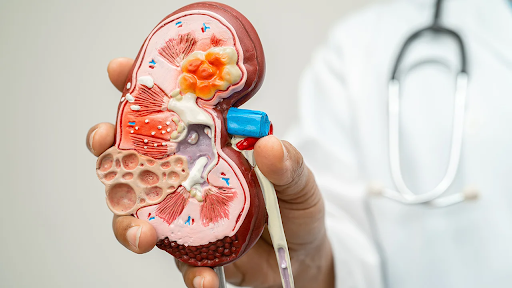
A small kidney is not a disease by itself. It is a finding that can occur for several reasons.
Long-standing kidney disease, reduced blood supply, recurrent infections, urinary obstruction, congenital differences, reflux-related kidney damage, and other conditions may be associated with reduced kidney size.
Sometimes one kidney may be smaller while the other kidney is relatively normal. In other cases, both kidneys may be small, particularly when there has been long-standing chronic kidney damage.
At Karma Ayurveda, when someone approaches us looking for Ayurvedic kidney shrinkage treatment, we first try to understand the complete picture rather than focusing only on the size mentioned in the scan.
We review ultrasound or other imaging reports, serum creatinine, eGFR, urine protein or albumin, blood pressure, blood sugar, electrolyte levels, symptoms, medical history, previous infections, urinary problems, medications, diet, hydration, and lifestyle.
We also try to understand whether the kidney is functioning normally despite its size, whether the other kidney is compensating, and whether there are signs of ongoing kidney damage.
Our Ayurvedic assessment may additionally consider digestion, bowel habits, Dosha patterns, urinary function, lifestyle, sleep, and overall strength.
This allows us to develop an individualized supportive approach.
Most importantly, kidney shrinkage needs appropriate medical evaluation. Ayurvedic care should complement necessary nephrology or urology care rather than replace it.
What Exactly Causes Kidney Shrinkage?
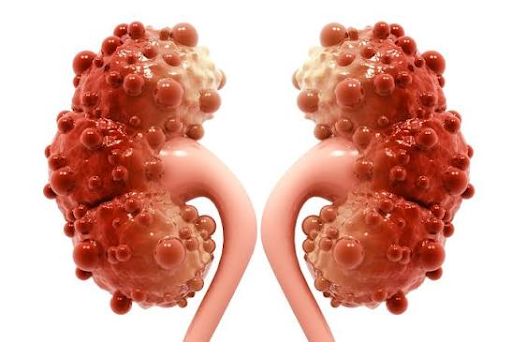
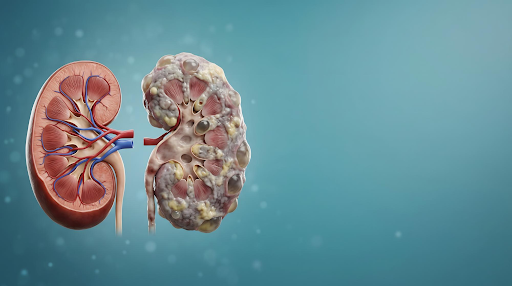
A kidney may become smaller when functioning kidney tissue is gradually lost or damaged.
One of the common reasons is long-standing chronic kidney disease.
When kidney tissue is repeatedly damaged over a long period, scarring can develop and the kidney may gradually lose both size and function.
Other causes can include:
- Long-standing high blood pressure
- Chronic kidney inflammation
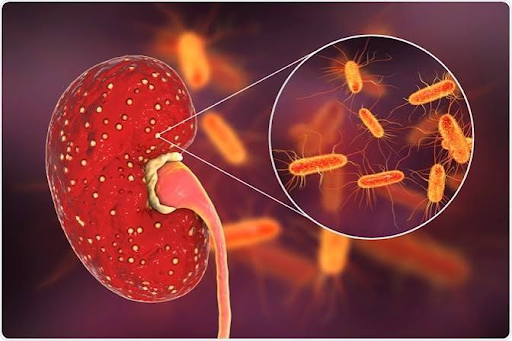
- Recurrent kidney infections
- Reduced blood supply to the kidney
- Urinary obstruction
- Vesicoureteral reflux or reflux-related kidney damage
- Certain inherited or congenital conditions
- Previous severe kidney injury
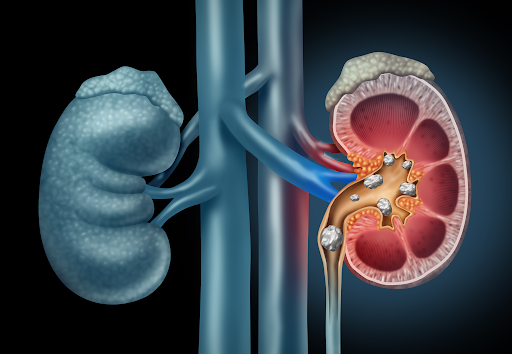
- Kidney stones or other long-standing urinary problems
However, kidney size needs to be interpreted carefully.
A smaller kidney does not automatically mean that it has stopped functioning.
Similarly, a kidney of normal or increased size does not necessarily mean that kidney function is normal.
Imaging findings need to be interpreted alongside kidney function tests, urine tests, symptoms, medical history, and the condition of the other kidney.
The Common Contributors
Long-Term Chronic Kidney Disease: Progressive kidney damage can cause loss and scarring of functioning kidney tissue.
High Blood Pressure: Persistent uncontrolled hypertension can damage the small blood vessels supplying the kidneys.
Recurrent Kidney Infections: Repeated infections, particularly when associated with scarring, can affect kidney structure.
Reduced Blood Supply: Narrowing or blockage of the arteries supplying a kidney can reduce blood flow and potentially contribute to kidney damage.
Urinary Obstruction: Long-standing blockage of urine flow can place pressure on the kidney and damage its tissue.
Reflux-Related Damage: Urine flowing backward toward the kidneys can contribute to recurrent infections and kidney scarring, particularly when the problem begins earlier in life.
Chronic Glomerular Disease: Conditions affecting the kidney's filtering units can cause progressive loss of functioning tissue.
Inherited or Congenital Conditions: Some people naturally have smaller kidneys or develop structural abnormalities because of conditions present from birth.
Previous Kidney Injury: Severe or repeated kidney injuries may contribute to permanent structural changes.
From an Ayurvedic perspective, traditional assessment may consider disturbances involving Doshas, digestion, metabolism, tissue nourishment, and urinary function. These concepts should complement; not replace; medical evaluation of the structural cause of kidney shrinkage.
Kidney Shrinkage Symptoms You Shouldn't Ignore
Kidney shrinkage itself may not cause obvious symptoms.
In fact, some people discover that a kidney is small only when they undergo an ultrasound or other imaging for an unrelated reason.
Symptoms may appear when reduced kidney size is associated with significant kidney dysfunction or an underlying condition.
These may include:
Changes in Urination: Increased or decreased urination, frequent nighttime urination, or other urinary changes may occur.
Foamy Urine: Persistent foamy urine may indicate protein in the urine.
Blood in Urine: Blood may appear when certain kidney or urinary conditions are present.
Swelling: Fluid retention may cause swelling around the feet, ankles, legs, hands, or face.
Persistent Fatigue: Reduced kidney function can contribute to anemia and metabolic changes that cause tiredness.
Loss of Appetite: Significant kidney dysfunction can affect appetite.
Nausea or Vomiting: These symptoms can occur as kidney function becomes severely impaired.
Itching: Persistent itching may occur in advanced kidney disease.
Muscle Cramps: Changes in fluid and mineral balance can contribute to cramps.
High Blood Pressure: Kidney disease and high blood pressure can influence each other.
Shortness of Breath: Significant fluid retention or anemia may contribute to breathlessness.
Seek urgent medical attention if you develop severe shortness of breath, chest pain, confusion, seizures, very little or no urine, severe weakness, rapidly increasing swelling, or repeated vomiting.
How We Assess Patients at Karma Ayurveda
When someone consults us for Ayurvedic treatment for kidney shrinkage, we don't treat the ultrasound image alone.
1. Reviewing Imaging Reports
Ultrasound, CT, MRI, Doppler studies, or other available imaging may provide information about kidney size, structure, blood flow, obstruction, stones, cysts, and other findings.
2. Checking Kidney Function
We review available creatinine, eGFR, urine protein or albumin, electrolytes, hemoglobin, and other relevant reports.
3. Comparing Both Kidneys
The size and condition of both kidneys can provide useful context. One small kidney with a normal-functioning other kidney is different from both kidneys being significantly small.
4. Understanding the Possible Cause
We discuss previous infections, high blood pressure, diabetes, urinary obstruction, stones, reflux, kidney injury, inherited conditions, and other possible contributors.
5. Looking at Symptoms
Swelling, urinary changes, fatigue, pain, appetite changes, itching, blood in urine, and other symptoms are considered.
6. Reviewing Medicines
Prescription medicines, painkillers, supplements, and herbal products are reviewed because some substances can affect kidney function.
7. Understanding Lifestyle
Food habits, hydration, physical activity, sleep, digestion, bowel habits, and other daily routines are discussed.
8. Ayurvedic Assessment
Traditional assessment may consider Dosha patterns, digestion, metabolism, urinary function, and overall strength.
9. Creating an Individualized Plan
The supportive plan depends on kidney function, the underlying cause, symptoms, imaging findings, medical treatment, and overall health.
Ayurvedic Therapies Commonly Used for Kidney Shrinkage Support
An important point should be made very clearly:
There is no established Ayurvedic therapy proven to reliably regrow a chronically shrunken kidney or restore kidney tissue that has been permanently lost.
The role of supportive Ayurvedic care is therefore different.
Depending on the person's condition, selected approaches may include:
Shamana Chikitsa: Individualized Ayurvedic support may be considered according to symptoms, digestion, strength, and overall health.
Dietary Guidance: Food recommendations may be adapted according to kidney function, blood pressure, diabetes, electrolyte levels, nutritional requirements, and other medical considerations.
Selected Herbal Support: Certain traditional herbs may be considered in individualized care, but their suitability must be carefully assessed in people with impaired kidney function.
Abhyanga: Gentle oil massage may be considered for relaxation and physical comfort when appropriate.
Gentle Yoga and Movement: Appropriate movement may support mobility, strength, circulation, and general wellbeing.
Digestive Support: Ayurveda may address meal timing, digestion, bowel regularity, and sustainable dietary habits.
Lifestyle Guidance: Sleep, physical activity, stress management, hydration, and other daily routines may form part of supportive care.
Not every herbal preparation or Ayurvedic therapy is appropriate for someone with kidney disease.
In particular, avoid taking multiple "kidney cleansing" products simply because an ultrasound shows a small kidney.
What Can You Do at Home to Support Kidney Health?
If you've been told that your kidney is small, don't immediately start searching the internet for a miracle kidney-repair powder.
First, understand why it is small.
Then focus on protecting the kidney function you still have.
Monitor Blood Pressure: Keep your blood pressure under appropriate control with professional guidance.
Control Blood Sugar: If you have diabetes, appropriate blood glucose management is important for kidney health.
Reduce Excess Salt: Too much sodium can increase blood pressure and contribute to fluid retention.
Follow an Individualized Kidney Diet: Protein, potassium, phosphorus, sodium, and fluid requirements depend on kidney function and other health factors.
Stay Physically Active: Choose safe activity appropriate to your health and fitness level.
Maintain a Healthy Weight: If needed, gradual weight management can support cardiovascular and metabolic health.
Avoid Unnecessary NSAIDs: Frequent use of certain painkillers can harm the kidneys, particularly in people who already have kidney disease.
Stay Hydrated Appropriately: Do not force excessive amounts of water. Fluid needs depend on kidney function and individual medical circumstances.
Avoid Random Supplements: Some herbal and nutritional products may contain ingredients that are unsuitable for people with impaired kidney function.
Keep Regular Follow-Ups: Kidney function, urine tests, blood pressure, and imaging should be repeated according to professional advice.
And most importantly, never stop prescribed kidney, blood pressure, diabetes, or other medicines without consulting your doctor.
Can Ayurveda Support Kidney Shrinkage Management?
Ayurveda may provide complementary support through individualized nutrition, lifestyle guidance, digestive care, selected traditional therapies, and general wellbeing.
However, there is no established Ayurvedic cure that can reliably reverse permanent kidney shrinkage or regrow damaged kidney tissue.
This is particularly important when kidney shrinkage is the result of long-standing chronic kidney disease.
Once functioning kidney tissue has been permanently lost and replaced by scarring, treatment cannot simply make that tissue grow back.
But that does not mean there is nothing worth doing.
If remaining kidney function is preserved, appropriate management of blood pressure, diabetes, infections, urinary problems, nutrition, and other risk factors can be important.
At Karma Ayurveda, our focus is therefore on understanding the individual's complete health picture and providing supportive care without making unrealistic promises.
Ayurvedic care should work alongside appropriate nephrology or urology evaluation, especially when kidney function is declining.
When Should You See a Specialist?
A small kidney found on an ultrasound should be discussed with a qualified medical professional, particularly when the finding is new or accompanied by abnormal kidney tests.
Consider seeing a nephrologist or urologist if:
- Your ultrasound shows one or both kidneys are smaller than expected.
- Your creatinine is increasing or eGFR is declining.
- You have persistent protein or albumin in your urine.
- Your blood pressure is difficult to control.
- You experience recurrent urinary or kidney infections.
- You have blood in your urine.
- You develop persistent pain in your side or back.
- You have urinary obstruction or difficulty passing urine.
- You develop swelling, persistent fatigue, nausea, or appetite loss.
- You have a history of kidney disease or previous kidney injury.
If you are searching for an Ayurvedic kidney shrinkage specialist, choose a qualified practitioner who reviews your imaging and kidney function reports and understands when specialist medical evaluation is necessary.
Supporting the Kidney Function You Have
Being told that your kidney is "small" can sound much worse than it sometimes is.
But kidney size is only one part of the story.
The more important questions are:
- Why has the kidney become small?
- How much function remains?
- What is happening with the other kidney?
- Are creatinine, eGFR, urine protein, and blood pressure stable?
At Karma Ayurveda, our approach to Ayurvedic kidney shrinkage treatment begins with understanding these questions rather than making promises based on kidney size alone.
We consider imaging, kidney function tests, urine findings, symptoms, medical history, medications, diet, lifestyle, digestion, and traditional Ayurvedic assessment before developing an individualized supportive plan.
The goal is not to promise that a chronically shrunken kidney can suddenly return to its original size.
It is to support the person's overall health, encourage kidney-friendly habits, address modifiable risk factors, and maintain appropriate monitoring.
Because when kidney tissue has already been affected, protecting the function that remains becomes especially important.
Regular reports.
Healthy blood pressure.
Appropriate nutrition.
Safe physical activity.
Responsible use of medicines and supplements. And timely professional care when something changes.