























Welcome to Karma Ayurveda Hospital: Best Ayurvedic treatment for Cancer, Kidney Disease, Liver Disease, Diabetes, Heart Disease, Hypertension, Arthritis, Psoriasis, Eczema, Skin Disorders, Respiratory Disorders, Asthma, Digestive Disorders, Thyroid Disorders, Neurological Disorders, Mental Health Disorders, Infertility, Women's Health, Men's Health, Urinary Disorders, Obesity, Anaemia, Migraine, Eye Disorders, Hair & Scalp Disorders, Autoimmune Disorders, Sexual Health, and Panchakarma.

Karma Ayurveda Logo
Home/Kidney/Kidney Stone Disease

Ayurvedic Treatment & Care

Kidney Stone Disease Treatment

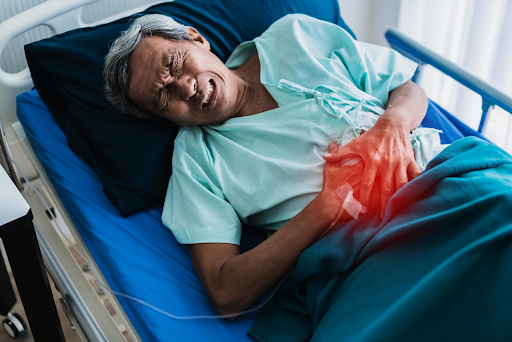
That sudden, unbearable pain in your side or back could well be a kidney stone announcing itself. But pain is far from the only thing these stones can cause. This page covers kidney stone disease, why stones form, symptoms, diet, prevention, and Ayurvedic treatment for kidney stones.

25+
Years of Experience
1,50,000+
Happy Patients
100%
Ayurvedic & Natural
🫘
Kidney Stone Disease

What Is Kidney Stone Disease?

The Core Definition

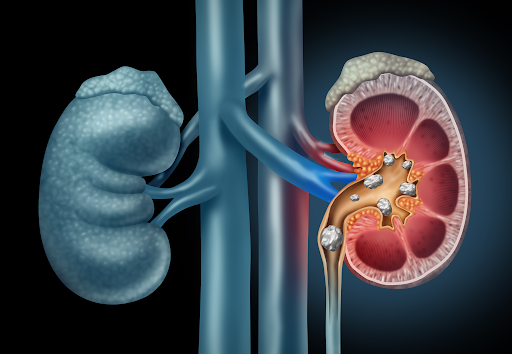
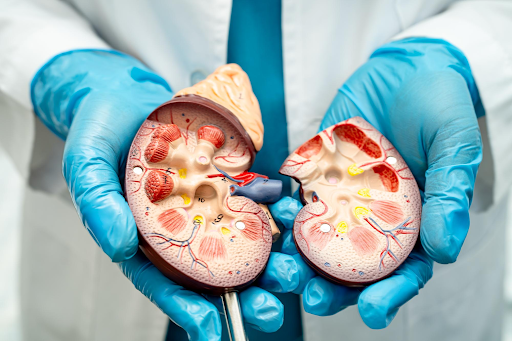
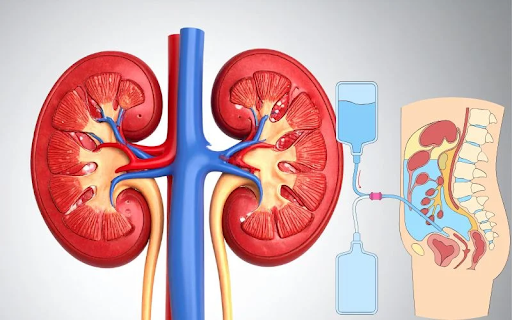
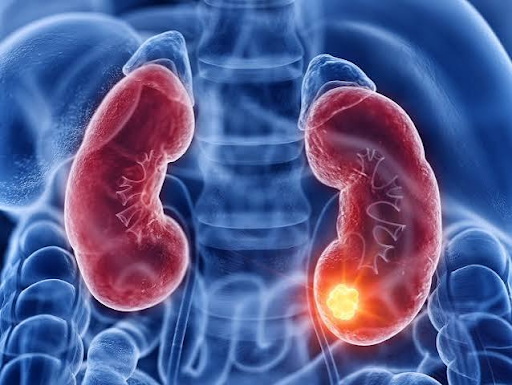
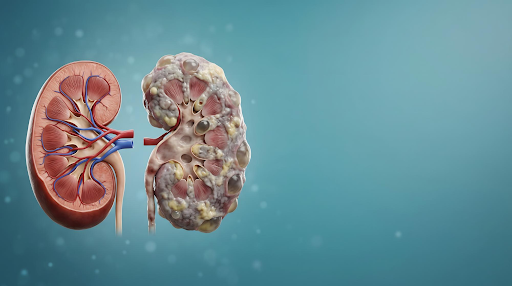
Kidney stones are hard deposits that form from minerals and salts in the urine.

The Structural Impact

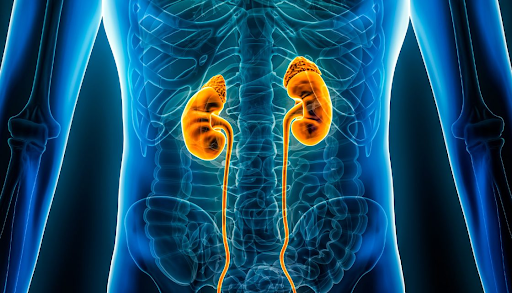
A stone can develop inside the kidney and may move into the urinary tract.

The Functional Shift

A larger or strategically located stone can obstruct urine flow and cause pain or complications.

The Ayurvedic Perspective

Ayurveda considers urinary health through factors such as Dosha balance, digestion, metabolism, hydration, and elimination.

Kidney Stone Disease

Patient Case Studies

Test Multi-Patient video testimonial
Multi Outcome Test
Watch Video
Verified Patient video testimonial
Remarkable Recovery with Ayurveda
Watch Video
Verified Patient video testimonial
Remarkable Recovery with Ayurveda
Watch Video
Verified Patient video testimonial
Remarkable Recovery with Ayurveda
Watch Video
Verified Patient video testimonial
Remarkable Recovery with Ayurveda
Watch Video
Verified Patient video testimonial
Remarkable Recovery with Ayurveda
Watch Video
Verified Patient video testimonial
Remarkable Recovery with Ayurveda
Watch Video
Test Multi-Patient video testimonial
Multi Outcome Test
Watch Video

Our Awards & Accolades

Delhi Chief Minister Rekha Gupta
Click to View Award

Delhi Chief Minister Rekha Gupta

Award from Shilpa Shetty at IFA
Click to View Award

Award from Shilpa Shetty at IFA

Hon'ble Chief Minister Sh. Nayab Singh Saini
Click to View Award

Hon'ble Chief Minister Sh. Nayab Singh Saini

Felicitated by AYUSH Minister
Click to View Award

Felicitated by AYUSH Minister

Felicitating Indian Ambassador Nagesh Singh
Click to View Award

Felicitating Indian Ambassador Nagesh Singh

AYUSH Best Young Ayurveda Doctor Award
Click to View Award

AYUSH Best Young Ayurveda Doctor Award

Conference on Sustainable Healthcare
Click to View Award

Conference on Sustainable Healthcare

TEDx Panoroad Speaker Award
Click to View Award

TEDx Panoroad Speaker Award

Felicitating Prof. Rakesh Sharma
Click to View Award

Felicitating Prof. Rakesh Sharma

Event hosted by Hamdard
Click to View Award

Event hosted by Hamdard

Cosmo Talks Bangkok
Click to View Award

Cosmo Talks Bangkok

Award from Prof. Rakesh Sharma
Click to View Award

Award from Prof. Rakesh Sharma

How We Reverse Diseases

In Ayurveda, research is built around fundamental pillars to effectively heal and reverse Kidney.

Therapies

➔

Patients may undergo the traditional Ayurvedic treatments if it appears to be beneficial considering their current health condition.

➔

Therapies are chosen based on the patient's medical history, reports, and symptoms.

➔

We explain the purpose of each kind of therapy and what the patient may expect during the procedure.

➔

Different types of therapies can be applied depending on the issues that people face.

Therapies

Patient Medical Reports

Cellular Immunity & Blood Platelet Recovery Report
Click to View Full Report

Cellular Immunity & Blood Platelet Recovery Report

Liver Enzymes (SGOT/SGPT) Normalization Lab Report
Click to View Full Report

Liver Enzymes (SGOT/SGPT) Normalization Lab Report

Creatinine Reduced from 8.4 to 1.8 mg/dL - KFT Report
Click to View Full Report

Creatinine Reduced from 8.4 to 1.8 mg/dL - KFT Report

Nephrotic Syndrome Proteinuria Negative Report
Click to View Full Report

Nephrotic Syndrome Proteinuria Negative Report

Liver Enzymes (SGOT/SGPT) Normalization Lab Report
Click to View Full Report

Liver Enzymes (SGOT/SGPT) Normalization Lab Report

Creatinine Reduced from 8.4 to 1.8 mg/dL - KFT Report
Click to View Full Report

Creatinine Reduced from 8.4 to 1.8 mg/dL - KFT Report

Therapy Plan

Our Treatment Focus for Kidney Stone Disease

At Karma Ayurveda, we do not simply prescribe herbs to mask symptoms. We analyze the root pathology triggers of kidney stone disease, customize botanical formulations, and restore long-term cellular balance:

1

Creatinine Management

Using Mutral (diuretic) herbs like Gokshur and Varun to lower urea & creatinine.

2

Nephron Rejuvenation

Rasayana herbs like Punarnava to revive damaged kidney filtration units.

3

GFR Correction

Ayurvedic formulations aimed at progressively improving the Glomerular Filtration Rate.

4

Strict Fluid Regimen

Precision fluid guidelines combined with custom sodium-potassium charts.

Why Hundreds of Thousands Choose Karma Ayurveda

With a healing legacy since 1937, our experienced Ayurvedic clinicians use pure, tested botanical formulations and specialized Panchakarma therapies to restore physiological health naturally.

100% Tested Organic Extracts
84+ Years Healing Legacy
Completely Safe, Zero Harm
Expert Ayurvedic Clinicians
Related Therapies

Other Ayurvedic Kidney Treatments We Offer

Comprehensive specialized Ayurvedic pathways for all related stages and complications of kidney

Acute Kidney Disease

Acute Kidney Disease

Did your kidney function suddenly take a dip? A sudden spike in creatinine, less urine than usual, or unexpected swelling can leave you scrambling for answers. This page walks through acute kidney disease; its warning signs, possible causes, and Ayurvedic treatment for acute kidney disease; along with diet and lifestyle tips for better kidney care.

Read More
Blood Urea

Blood Urea

Blood report shows high urea; does that automatically mean your kidneys are failing? Not necessarily. Blood urea can rise for several different reasons, so it's worth understanding the number in context. This page explains what blood urea means, why it rises, how it relates to kidney function, and Ayurvedic treatment for high blood urea.

Read More
Chronic Kidney Disease

Chronic Kidney Disease

Creatinine climbing while your eGFR keeps dropping? Chronic Kidney Disease tends to progress quietly, which makes understanding what's happening inside your kidneys all the more important. This page covers CKD stages, symptoms, diet, lifestyle changes, and Ayurvedic treatment for chronic kidney disease.

Read More
Creatinine

Creatinine

Your creatinine is rising, but what does that actually mean for your kidneys? A single number on a blood report can raise more questions than it answers. This page breaks down creatinine levels, eGFR, kidney function, possible causes, and Ayurvedic treatment for high creatinine, plus useful diet and lifestyle guidance.

Read More
Cysts Kidney Disease

Cysts Kidney Disease

Found a cyst on your kidney and started worrying right away? Not all kidney cysts are the same; their size, number, type, and underlying cause all make a difference. This page covers kidney cysts, symptoms, possible complications, and Ayurvedic treatment for kidney cysts, along with supportive diet and lifestyle guidance.

Read More
Foamy Urine

Foamy Urine

Foam in your urine once might mean nothing; but what if it keeps happening? Persistent foamy urine can sometimes be linked to protein leaking through the kidneys' filters. This page covers the possible causes of foamy urine, its connection to proteinuria, and Ayurvedic treatment for foamy urine, along with important kidney-care guidance.

Read More
Glomerulonephritis Kidney

Glomerulonephritis Kidney

Blood or protein turning up in your urine? The problem could be hiding in your kidney's tiny filters. Glomerulonephritis causes inflammation in those filtering units and can affect kidney function. This page covers its causes, symptoms, diagnosis, diet, and Ayurvedic treatment for glomerulonephritis.

Read More
IGA-Nephropathy

IGA-Nephropathy

Blood or recurring protein in your urine is never something to ignore. These signs can sometimes point to IgA Nephropathy, a condition affecting the kidney's tiny filtering units. This page covers its causes, symptoms, diagnosis, progression, diet, and Ayurvedic treatment for IgA Nephropathy.

Read More
Kidney Detox

Kidney Detox

Thinking your kidneys need a detox? Truth is, your kidneys already work around the clock filtering waste; but your daily habits still shape your overall kidney health. This page separates kidney detox facts from myths and shares practical ways to support your kidneys, including an Ayurvedic approach to kidney detox.

Read More
Kidney Dialysis

Kidney Dialysis

Been told dialysis might be necessary? That news comes with a lot of questions; why it's needed, when it's recommended, and what it means for everyday life. This page walks through kidney dialysis, kidney function, diet considerations, and Ayurvedic treatment for kidney dialysis support.

Read More
Kidney Failure

Kidney Failure

What happens when the kidneys can no longer filter waste the way they should? Kidney failure brings up serious questions about symptoms, treatment, dialysis, and everyday life. This page covers the stages of kidney failure, creatinine, eGFR, diet, dialysis, and Ayurvedic treatment for kidney failure.

Read More
Kidney Infection Pyelonephritis

Kidney Infection Pyelonephritis

Fever, chills, burning urination, pain in your back or side; don't write it off as just another UTI. A kidney infection affects the kidneys directly and may call for prompt medical attention. This page covers kidney infection and pyelonephritis, its symptoms, causes, complications, prevention, and Ayurvedic treatment for kidney infection.

Read More
Kidney Shrinkage

Kidney Shrinkage

Small or shrunken kidneys showing up on an ultrasound can be alarming; but what does it actually mean? Understanding why the kidneys have reduced in size can help make sense of your overall kidney health. This page covers the possible causes of kidney shrinkage, kidney function, diet, lifestyle guidance, and Ayurvedic treatment for kidney shrinkage.

Read More
Kidney Swelling

Kidney Swelling

Swollen feet, ankles, or puffy eyes might be more than simple water retention. Kidney issues can sometimes affect how your body manages fluid and protein, leading to noticeable kidney swelling. This page covers the causes of kidney swelling, related symptoms, diet, lifestyle measures, and Ayurvedic treatment for kidney swelling.

Read More
Nephrotic Syndrome

Nephrotic Syndrome

Swollen feet, puffy eyes, foamy urine; sound familiar? Your kidneys might be losing more protein than they should. Nephrotic Syndrome can affect a lot more than just your urine test results. This page explains its causes, symptoms, protein loss, diet, and Ayurvedic treatment for nephrotic syndrome.

Read More
Polycystic Kidney Disease

Polycystic Kidney Disease

Finding out you have multiple cysts in your kidneys raises plenty of questions; what caused them, will they affect kidney function, what should you be watching for? This page covers polycystic kidney disease, its symptoms, how it progresses, possible complications, diet, and Ayurvedic treatment for polycystic kidney disease.

Read More
Proteinuria

Proteinuria

Urine test comes back saying "protein detected"; should that worry you? Protein in the urine can sometimes be temporary, but when proteinuria sticks around, it can point to an underlying kidney issue. This page covers its causes, symptoms, urine protein levels, diet, and Ayurvedic treatment for proteinuria.

Read More

Ayurvedic Kidney Stone Treatment: Supporting Urinary Health and Stone Management

At Karma Ayurveda, we don't look at every kidney stone as if it were exactly the same. A 3 mm stone sitting quietly in the kidney and a larger stone blocking urine flow are two very different situations.

Our approach considers the stone's size and location, symptoms, urine reports, kidney function, hydration, dietary habits, previous stone history, and other health conditions.

We also look at digestion, elimination, lifestyle, and individual Ayurvedic factors while developing supportive care.

The goal is to help support urinary health, manage contributing factors, and reduce the chances of repeated stone formation while ensuring that situations requiring medical or urological intervention are not overlooked.

What Exactly Causes Kidney Stones?

Kidney stones form when certain substances in urine become concentrated enough to form crystals. These crystals can gradually grow into stones.

Different types of kidney stones can form, including:

  1. Calcium oxalate stones
  2. Calcium phosphate stones
  3. Uric acid stones
  4. Struvite stones
  5. Cystine stones

The most common are calcium-based stones.

A combination of low fluid intake, dietary factors, genetics, certain medical conditions, and changes in urine chemistry can increase the likelihood of stone formation.

The Common Contributors

Several factors can increase the risk of developing kidney stones:

  1. Not drinking enough fluids
  2. High sodium intake
  3. High intake of certain animal proteins
  4. Obesity or metabolic problems
  5. Family history of kidney stones
  6. Previous history of stones
  7. High urinary calcium or oxalate
  8. High uric acid levels
  9. Certain digestive or metabolic conditions
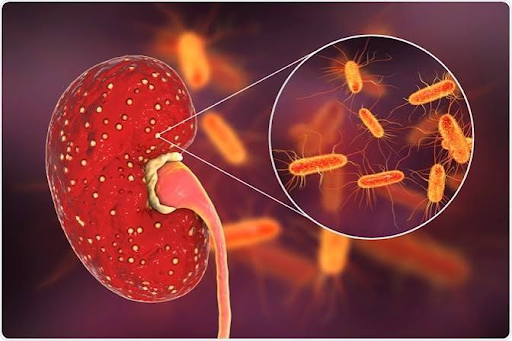
  10. Recurrent urinary infections
  11. Some medicines
  12. Certain inherited conditions
  13. Excessive use of some supplements

Simply saying "drink more water" doesn't tell the whole story. The type of stone matters too, which is why recurrent stone formers may benefit from proper evaluation.

Kidney Stone Symptoms You Shouldn't Ignore

Some kidney stones cause no symptoms and are discovered incidentally during an ultrasound or other imaging test.

When a stone moves or blocks urine flow, symptoms can become quite intense.

Common symptoms include:

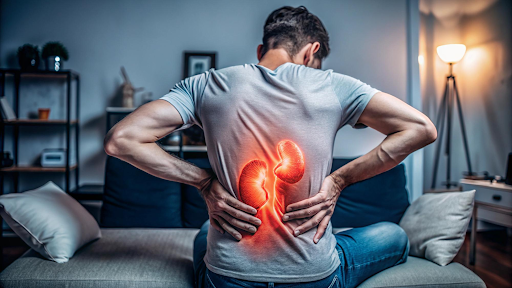
  1. Sharp pain in the back or side
  2. Pain that may move toward the lower abdomen or groin
  3. Pain that comes and goes in waves
  4. Burning while urinating
  5. Frequent urge to urinate
  6. Blood in the urine
  7. Cloudy or foul-smelling urine
  8. Nausea or vomiting
  9. Restlessness because of severe pain

Fever and chills are especially important warning signs. A blocked urinary tract combined with infection can become serious.

Seek urgent medical attention if you have severe pain with fever or chills, repeated vomiting, very little or no urine, confusion, fainting, or rapidly worsening symptoms.

How We Assess Patients at Karma Ayurveda

Before discussing Ayurvedic kidney stone treatment, it is important to understand what kind of stone problem you actually have.

At Karma Ayurveda, relevant information may include:

  1. Ultrasound or other imaging reports
  2. Stone size and location
  3. Number of stones
  4. Kidney and urinary tract findings
  5. Serum creatinine and eGFR
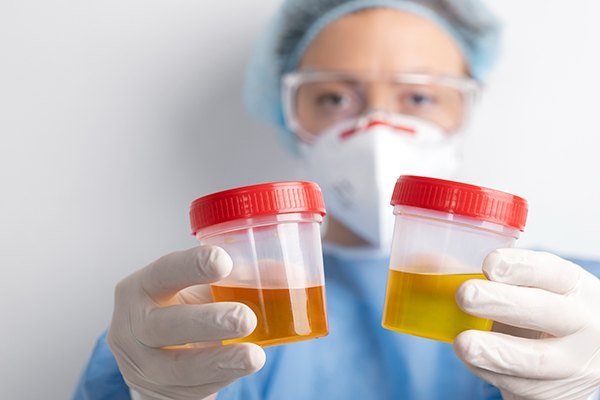
  6. Urine routine and microscopy
  7. Urine pH
  8. Blood uric acid and calcium when relevant
  9. Previous stone history
  10. Fluid intake
  11. Dietary habits
  12. Family history
  13. Current medicines and supplements
  14. Symptoms and their frequency

For people with recurrent stones, clinicians may recommend more detailed metabolic or 24-hour urine testing to understand why stones are repeatedly forming.

From an Ayurvedic perspective, digestion, elimination, lifestyle, hydration habits, and individual constitution are also considered.

This helps us develop a more personalized plan rather than giving every person with a kidney stone the same advice.

Ayurvedic Therapies Commonly Used for Kidney Stone Support

Ayurvedic care for kidney stones is generally focused on supporting urinary health, hydration, digestion, and factors associated with recurrence.

Shamana Chikitsa

Individualized Ayurvedic formulations may be considered based on the person's symptoms, stone history, kidney function, and overall health.

Herbal Support

Traditionally used Ayurvedic herbs such as Gokshura, Punarnava, Varuna, and Pashanabheda may be considered in selected cases.

However, herbs are not automatically safe simply because they are natural. Their suitability depends on kidney function, medications, stone characteristics, pregnancy status, and other medical factors.

Dietary Guidance

Food choices can be personalized according to the suspected stone type and metabolic risk factors. The advice for calcium oxalate stones may not be identical to the advice for uric acid stones.

Abhyanga

Appropriate oil massage may be used for relaxation and general physical comfort when suitable, although it does not physically dissolve a stone.

Gentle Yoga and Movement

Appropriate physical activity may support overall metabolic and urinary health.

There is no established Ayurvedic cure for kidney stones that can reliably dissolve every type or size of stone. Large stones, obstructing stones, infected stones, or stones causing significant kidney problems may require urological treatment.

What Can You Do at Home to Support Kidney Stone Prevention?

Stay Appropriately Hydrated

For many people who form stones, drinking enough fluid is one of the most important preventive measures. The exact amount should be individualized, especially if you have kidney, heart, or other conditions requiring fluid restriction.

A simple goal is to avoid routinely having very concentrated urine.

Reduce Excess Salt

High sodium intake can increase urinary calcium excretion in some people. Limit packaged snacks, processed foods, instant meals, pickles, and heavily salted foods.

Don't Follow Extreme Diets

Very high-protein diets and restrictive eating patterns can influence stone risk in some people. Choose a balanced eating pattern instead.

Don't Eliminate Calcium Without Advice

People sometimes assume that all calcium is bad when they have calcium stones. That's not necessarily true. Dietary calcium can be important, and unnecessary restriction may sometimes be counterproductive.

Be Careful With Supplements

High-dose supplements, including certain mineral or vitamin supplements, should not be taken casually if you have a history of kidney stones.

Maintain a Healthy Weight

A healthy weight and regular physical activity can support metabolic health and may reduce some stone-forming risks.

Find Out Why Stones Keep Returning

If stones repeatedly come back, simply passing another stone and moving on isn't enough. Ask your healthcare provider whether stone analysis or metabolic evaluation is appropriate.

Can Ayurveda Support Kidney Stone Management?

Ayurveda may be used as a supportive approach for kidney stone management, particularly for dietary and lifestyle guidance and overall urinary wellbeing.

The most important point is that treatment depends on the stone's size, location, composition, symptoms, and whether there is obstruction or infection.

Some small stones may pass naturally, while others may require medication or a procedure. A stone that is causing obstruction or infection should not be managed solely with home remedies or herbal preparations.

At Karma Ayurveda, the focus is therefore on individualized support while keeping appropriate medical monitoring in place.

When Should You See a Specialist?

You should consider medical or urological evaluation if you have:

  1. Severe or persistent kidney stone pain
  2. Blood in the urine
  3. Repeated kidney stones
  4. A stone that is increasing in size
  5. A stone causing urinary obstruction
  6. Reduced urine output
  7. Recurrent urinary infections
  8. Fever or chills with suspected stones
  9. Rising creatinine or declining kidney function
  10. A single functioning kidney
  11. Pregnancy with suspected kidney stones
  12. Repeated vomiting or inability to keep fluids down

Fever plus a blocked urinary tract is particularly important and requires urgent medical attention.

Supporting Kidney Health Beyond the Stone

A kidney stone may eventually pass, but understanding why it formed can be just as important as dealing with the immediate discomfort.

At Karma Ayurveda, our approach focuses on the complete picture; stone characteristics, kidney function, urinary health, diet, hydration, digestion, lifestyle, and individual needs. Supportive Ayurvedic care can then be planned around appropriate medical evaluation.

The goal is not simply to focus on today's stone. It is to support urinary health, address contributing factors, and help reduce the chances of repeated stone problems over time.

Find Us Near You

Our Clinics (हमारे क्लिनिक)

Visit your nearest Karma Ayurveda center and connect with our experts for personalized consultation.

Delhi
Jaipur
Patna
Bangalore
Mumbai
Lucknow
Noida
Lucknow - Vikas Nagar
Gurugram
Pratap Nagar
Delhi - Janakpuri

Discover Karma Ayurveda treatment centers and consultations offering specialized care for Kidney across India.

Explore All Locations →
FAQ

Frequently Asked Questions

Kidney stones are hard deposits formed when minerals and salts in urine become concentrated and crystallize.
Low fluid intake, dietary factors, genetics, metabolic conditions, certain medicines, urinary infections, and changes in urine chemistry can contribute to stone formation.
There is no established Ayurvedic treatment that reliably dissolves every kidney stone. Ayurvedic care may provide supportive dietary, lifestyle, and urinary-health guidance, while some stones require medical or urological treatment.
Some small stones can pass through the urinary tract without a procedure, but whether a stone will pass depends on its size, location, anatomy, and other factors.
Adequate hydration can support urine flow and may help some small stones pass, but water cannot be relied upon to remove every stone.
Excess salt, highly processed foods, extreme diets, and unnecessary high-dose supplements may increase risk in some people. Specific dietary changes should depend on the type of stone and individual risk factors.
A stone that causes prolonged obstruction, recurrent infection, or other complications can potentially damage the kidneys. Prompt evaluation is important when symptoms are severe or persistent.
Yes. People who have formed one stone may develop another, particularly when the underlying dietary, metabolic, genetic, or urinary risk factors remain.
Not necessarily for everyone. Some herbs may interact with medicines or be unsuitable with reduced kidney function. Herbal treatment should be individualized by a qualified professional.
Severe pain accompanied by fever, chills, very low urine output, repeated vomiting, confusion, fainting, or significant weakness requires urgent medical evaluation.