





























The Karma Ayurveda Edge
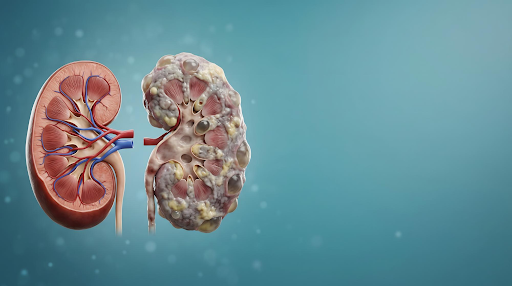
Kidney swelling can have very different causes.
A kidney may become swollen because a kidney stone is blocking urine flow. It can also happen because of narrowing in the urinary tract, an enlarged prostate, certain structural problems or other causes of urinary obstruction.
In some situations, kidney inflammation or infection may be involved.
So when someone approaches us looking for Ayurvedic kidney swelling treatment, the first question isn't simply, “Which medicine should we use?”
It is: “Why is the kidney swollen?”
Our assessment may include:
- Ultrasound or other imaging reports
- CT or MRI reports, where available
- Serum creatinine
- eGFR
- Blood urea
- Urine routine and microscopy
- Urine culture when relevant
- Urine protein or albumin testing
- Blood pressure
- Blood sugar
- Electrolyte levels
- History of kidney stones
- Previous urinary infections
- Urinary symptoms
- Current medicines
- Previous kidney problems
- Fluid intake
- Appetite and weight
- Digestion and bowel habits
- Pain pattern and location
The cause matters because a blocked urinary system may sometimes require a procedure or other urgent medical treatment rather than waiting for symptoms to settle on their own.
What Exactly Causes Kidney Swelling?
There isn't one single cause.
The reason for kidney swelling depends on whether the finding represents urine blockage, inflammation, infection or another structural or medical condition.
The Common Contributors
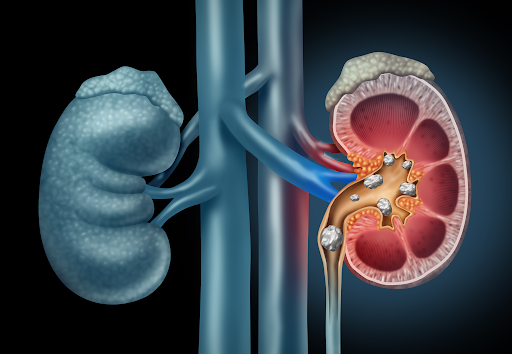
Kidney Stones: A stone can become lodged in the ureter and partially or completely block urine flow from the kidney.
Ureter Narrowing: A narrowed section of the urinary tract can slow or obstruct the movement of urine.
Enlarged Prostate: In some men, an enlarged prostate can interfere with normal urine flow and, in severe cases, contribute to urinary tract obstruction.
Urinary Tract Blockage: Problems anywhere along the urinary drainage pathway can sometimes cause urine to back up toward the kidney.
Urinary Tract Abnormalities: Structural problems present from birth or developed later in life can interfere with normal drainage.
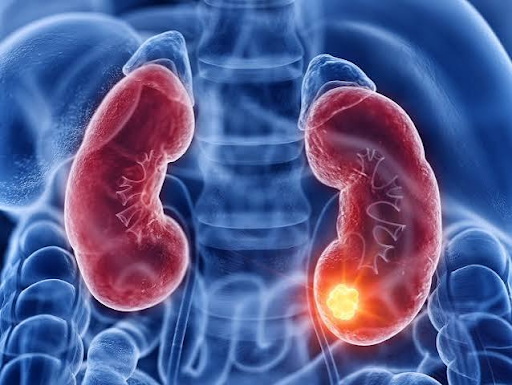
Tumours or Masses: Certain growths can compress or obstruct parts of the urinary tract.
Pregnancy: Changes during pregnancy can sometimes affect urinary drainage and may contribute to hydronephrosis.
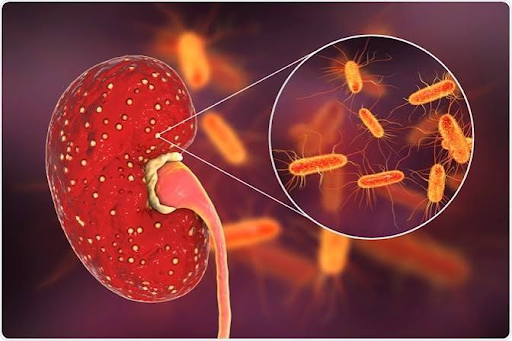
Infections and Inflammation: Some kidney or urinary infections can cause inflammation and changes around the urinary system.
Blood Clots or Other Obstructions: Less commonly, blood clots or other material can interfere with urinary drainage.
From an Ayurvedic perspective, urinary function, Apana Vata, digestion, Agni, metabolism and Dosha balance may be considered while developing supportive care. This traditional framework does not replace imaging or medical assessment of an obstruction.
Kidney Swelling Symptoms You Shouldn't Ignore
Some people with mild kidney swelling may have few symptoms.
Others may notice discomfort or clear urinary changes.
Possible symptoms include:
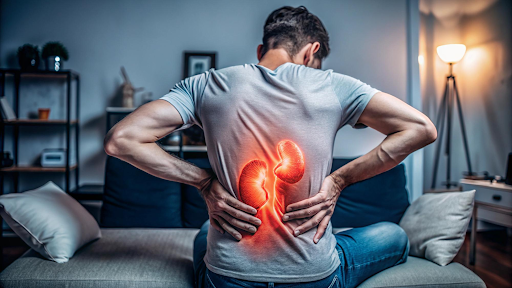
- Pain in the side or lower back
- Pain that radiates toward the abdomen or groin
- Pain that comes and goes
- Difficulty passing urine
- Reduced urine output
- Frequent urination
- Urgency to urinate
- Pain or burning during urination
- Blood in the urine
- Cloudy or foul-smelling urine
- Nausea or vomiting
- Fever or chills
- Swelling in the legs or feet
- Unexplained tiredness
The symptoms often depend on the cause.
For example, a kidney stone may cause severe colicky pain, while a slowly developing obstruction may produce surprisingly few symptoms.
That's why the absence of pain does not always mean that kidney swelling is harmless.
When It Becomes Urgent
Severe side or back pain with fever, chills, vomiting, difficulty passing urine, very little urine, or feeling extremely unwell can require urgent medical attention.
A blocked kidney combined with infection can become a serious medical problem.
How We Assess Patients at Karma Ayurveda
When someone comes to us seeking Ayurvedic treatment for kidney swelling, understanding the imaging finding is an important first step.
Understanding the Scan
We review the ultrasound, CT or other imaging report to understand whether it mentions hydronephrosis, obstruction, stones, cysts, enlargement or another finding.
Checking Kidney Function
Creatinine and eGFR help us understand whether kidney filtration has been affected.
Looking at the Urine
Urine testing can provide clues about infection, blood, protein and other abnormalities.
Understanding the Pain
We discuss where the pain occurs, how severe it is, whether it comes in waves and whether it moves toward the abdomen or groin.
Looking for Urinary Symptoms
Changes in urine frequency, flow, burning, blood or difficulty passing urine can provide important clues.
Understanding the Underlying Cause
A stone, prostate enlargement, infection and structural obstruction do not have the same management.
Ayurvedic Assessment
Traditional assessment may consider digestion, Agni, Dosha patterns, bowel habits, urinary function and overall strength.
Creating an Individualized Plan
Once the available information is understood, complementary Ayurvedic care may focus on diet, lifestyle, hydration guidance and selected traditional approaches where appropriate.
The goal is not simply to “reduce swelling.”
It is to understand what caused it in the first place.
Ayurvedic Therapies Commonly Used for Kidney and Urinary Support
Let's clear up one important point.
There is no established Ayurvedic treatment proven to reliably remove every cause of kidney swelling or reverse urinary obstruction.
If a stone or another blockage is preventing urine from leaving the kidney, the obstruction may need specific medical treatment.
Ayurvedic care may instead be considered complementary support depending on the underlying condition.
Shamana Chikitsa
Individualized Ayurvedic medicines may be considered based on the person's symptoms, kidney function, digestion, strength and underlying condition.
However, this requires professional supervision.
Some herbs and supplements can affect kidney function, blood pressure or electrolytes, or interact with prescribed medicines.
Dietary Guidance
Diet may be adjusted according to the cause of kidney swelling.
For example, someone with kidney stones may need dietary advice based on the type of stone, while someone with reduced kidney function may have different nutritional requirements.
There is no universal “kidney swelling diet.”
Hydration Guidance
Adequate hydration can be important for many urinary conditions.
But forcing large amounts of water is not appropriate for everyone.
People with reduced kidney function, heart problems or significant fluid retention may have specific fluid requirements.
Gentle Abhyanga
Gentle massage may be considered for relaxation and general physical comfort in appropriate individuals.
It does not physically remove a urinary blockage or directly reduce hydronephrosis.
Gentle Yoga and Breathing
Light movement, stretching and breathing exercises may support relaxation and general wellbeing when medically appropriate.
Strenuous activity should be avoided during severe pain, infection or other acute complications.
Selected Ayurvedic Therapies
Other traditional therapies may be considered after evaluating the person's kidney function, imaging, symptoms, strength and medical treatment.
A therapy should never delay urgent treatment for an obstructed or infected kidney.
What Can You Do at Home to Support Kidney Health?
If you're searching for Ayurvedic kidney swelling treatment at home, start by avoiding one common mistake: assuming every swollen kidney simply needs more water.
Your next step depends on the cause.
- Follow up on your imaging: Don't ignore an ultrasound finding simply because you feel okay.
- Stay appropriately hydrated: Follow your doctor's advice rather than forcing excessive fluids.
- Don't ignore severe pain: Particularly if it comes with fever, vomiting or urinary difficulty.
- Monitor urine changes: Notice blood, reduced urine, burning, unusual frequency or difficulty passing urine.
- Take prescribed medicines correctly: Don't stop treatment without discussing it with your doctor.
- Avoid random herbal remedies: Some products can affect kidney function or interact with medicines.
- Control blood pressure and blood sugar: Both are important for long-term kidney health.
- Maintain appropriate physical activity: Gentle activity is usually preferable to pushing through significant pain.
- Keep follow-up kidney tests: Creatinine, eGFR and urine tests may be important depending on the condition.
And if an imaging report says “hydronephrosis,” don't simply search for a detox drink and hope for the best.
First find out what is blocking the urine and how significant the blockage is.
Can Ayurveda Support Kidney Swelling Management?
Ayurveda may have a complementary role in supporting diet, digestion, lifestyle, hydration habits and general wellbeing in people with certain kidney and urinary conditions.
But kidney swelling requires an important distinction.
If the swelling is caused by urinary obstruction, the obstruction itself needs to be assessed and treated appropriately.
A kidney stone blocking urine flow, for example, may require medication, a procedure or other medical intervention depending on its size, location and effect on kidney function.
Similarly, an obstructed kidney with infection can be an urgent medical situation.
At Karma Ayurveda, our approach to Ayurvedic kidney swelling treatment focuses on understanding the underlying condition before considering complementary support.
Ayurveda should not be used as a reason to delay necessary urological or nephrological care.
The aim is to support the person's overall kidney and urinary health while making sure important medical problems are not overlooked.
When Should You See a Kidney or Urology Specialist?
Medical evaluation is especially important if kidney swelling has been seen on an ultrasound or CT scan.
You should seek medical attention if you have:
- Persistent or severe side/back pain
- Fever or chills
- Blood in the urine
- Difficulty passing urine
- Very little urine
- Repeated urinary infections
- Kidney stones
- Rising creatinine
- Falling eGFR
- Persistent nausea or vomiting
- Swelling in the legs or feet
- Known hydronephrosis
- A history of urinary obstruction
Severe pain with fever or chills, inability to pass urine, very little urine, repeated vomiting, confusion or rapidly worsening symptoms requires urgent medical assessment.
If you're searching for an Ayurvedic kidney swelling specialist, choose a qualified practitioner who reviews your imaging and kidney-function reports and understands when urology or nephrology care is required.
Supporting Kidney Health With Responsible, Individualized Care
The words “kidney swelling” can sound much scarier than they sometimes are.
But they should not be ignored either.
A swollen kidney can have a simple explanation, such as a temporary urinary problem, or it can point toward a stone, obstruction, infection or another condition that needs proper treatment.
That's why guessing from symptoms isn't enough.
At Karma Ayurveda, our approach to Ayurvedic kidney swelling treatment begins with understanding the individual's imaging reports, kidney function, urine tests, symptoms, diet, hydration and overall health.