












































Ayurvedic Leucoderma Treatment: Supporting Skin Pigmentation and Natural Radiance
Before we explore why skin pigmentation changes occur, let's talk about how we approach the person experiencing those changes.
At Karma Ayurveda, we do not believe that every individual facing skin depigmentation requires a single, copy-paste approach. Two people can walk into a consultation with white patches on their skin, yet have entirely different root causes, dietary patterns, and emotional triggers behind them.
One person may notice patches developing after a period of intense mental stress or a major illness. Another may trace their skin changes to poor dietary combinations, sluggish digestion, or long-term exposure to harsh chemicals. Someone else may have localized patches that have remained stable for years without spreading.
That is why our approach to Ayurvedic treatment for leucoderma focuses on understanding the individual as a whole rather than treating a skin patch in isolation.
We evaluate your symptoms, medical history, stress levels, daily food habits, digestive strength, and existing health reports before suggesting a care plan. The goal is to make Ayurvedic care practical and effective for everyday life; because a treatment regimen that demands impossible daily rituals isn't going to be sustainable.
Many individuals exploring Ayurvedic leucoderma treatment in India seek personalized care that addresses deep-seated internal imbalances and blood health rather than relying solely on superficial cosmetic cover-ups.
What Exactly Causes Leucoderma?
Your skin is constantly renewing itself, relying on delicate hormonal, metabolic, and cellular balances to maintain its natural tone and defense.
So, what factors can disturb this balance and trigger depigmentation?
The Common Contributors
Genetic Factors & Cellular Mutations: Changes in the DNA of cells can disrupt normal life cycles and division processes.
Autoimmune Responses: The immune system may mistakenly identify pigment-producing cells (melanocytes) as foreign threats and destroy them.
Genetic Susceptibility: A family history of skin depigmentation or autoimmune thyroid conditions can increase likelihood.
Dietary Missteps (Viruddha Ahara): Ayurveda strongly emphasizes that regularly eating incompatible food combinations (such as fish with milk, or citrus fruits with dairy) creates internal toxins (Ama) that disrupt blood health.
Chemical Exposure and Environmental Factors: Contact with harsh industrial chemicals, strong synthetic dyes, rubber toxins, or certain hair dyes can trigger localized depigmentation.
Severe Emotional Stress: Chronic mental pressure, anxiety, or traumatic life events can disrupt hormonal balance and aggravate Pitta and Vata doshas, affecting skin health.
Digestive Weakness (Agni Mandya): Poor digestion leads to incomplete metabolism, causing toxins (Ama) to accumulate in deep tissue layers (Rakta Dhatu).
Skin Injuries or Trauma: Cuts, burns, severe sunburns, or friction (known as the Koebner phenomenon) can sometimes trigger depigmentation patches in those predisposed to the condition.
The cause matters because leucoderma isn't identical for everyone. Treating every white patch as if it stems from the exact same internal imbalance would be like using the exact same key for every lock; it rarely works.
Leucoderma Symptoms You Shouldn't Ignore
Loss of color is the primary visual sign, but skin depigmentation can present with additional subtle hints.
Watch out for:
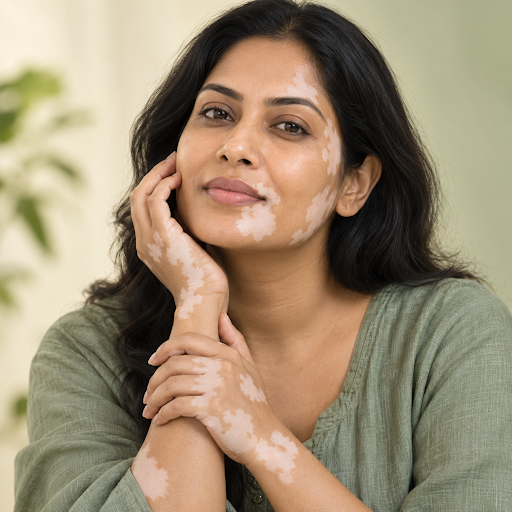
Milky-White or Pale Patches: Smooth patches of skin that lose their normal pigmentation, often starting on hands, feet, face, lips, or around joint areas.
Premature Graying or Whitening: Early graying or whitening of scalp hair, eyelashes, eyebrows, or beard hair over depigmented areas.
Color Loss in Mucous Membranes: Loss of natural color inside the mouth, nose, or inner tissue lining.
Sensitivity to Sunlight: Depigmented skin patches burning easily or turning red upon brief exposure to bright sun.
Mild Itching or Warmth: Occasional mild itching or a warm sensation on skin areas right before a new patch appears.
Symmetrical or Segmental Patterns: Patches appearing on both sides of the body equally (symmetrical) or confined to a single area/segment.
Rapidly spreading white patches across large body areas, severe sun-related blistering, intense skin irritation, or associated symptoms of thyroid dysfunction warrant a direct clinical evaluation with a skin specialist or physician.
How We Assess Patients at Karma Ayurveda
When someone consults us seeking leucoderma treatment in Ayurveda, our initial step is never just asking, "Where are the white patches?"
We focus on understanding why the internal balance was disrupted and what factors are affecting your skin's ability to produce pigment naturally.
Understanding Your Symptoms: We discuss when the patches first appeared, whether they are spreading or stable, if they itch or burn in sunlight, and how they affect your emotional well-being.
Looking at Your Medical Reports: If you have prior dermatology notes, skin biopsies, blood tests, or thyroid panels, we review them thoroughly. We incorporate existing diagnostics rather than ignoring prior medical evaluations.
Understanding Your Lifestyle: We explore your everyday eating habits, whether you consume conflicting food items, your daily stress levels, sleep patterns, and any occupational exposure to chemicals or synthetic materials.
The Ayurvedic Assessment: We evaluate Pitta heat levels, blood tissue purity (Rakta Dhatu), metabolic toxin presence (Ama), and constitutional balance. This helps us pinpoint where internal metabolism needs realignment.
Creating an Individualized Plan: Once the whole picture is clear, we design a customized care strategy combining dietary adjustments, lifestyle corrections, gentle herbal support, and classical Ayurvedic medicine for leucoderma where appropriate.
The goal is to build a practical routine that supports your body's natural pigment preservation while fostering overall digestive and skin resilience.
Ayurvedic Therapies Commonly Used for Skin Health
Depending on your condition, constitutional assessment, and physical stamina, Ayurvedic care utilizes classical strategies aimed at purifying blood tissue and supporting skin health.
These may include:
Rakta Shodhana (Blood Tissue Support): Herbal formulations designed to clean internal channels, eliminate metabolic toxins (Ama), and support clear circulation to deep skin layers.
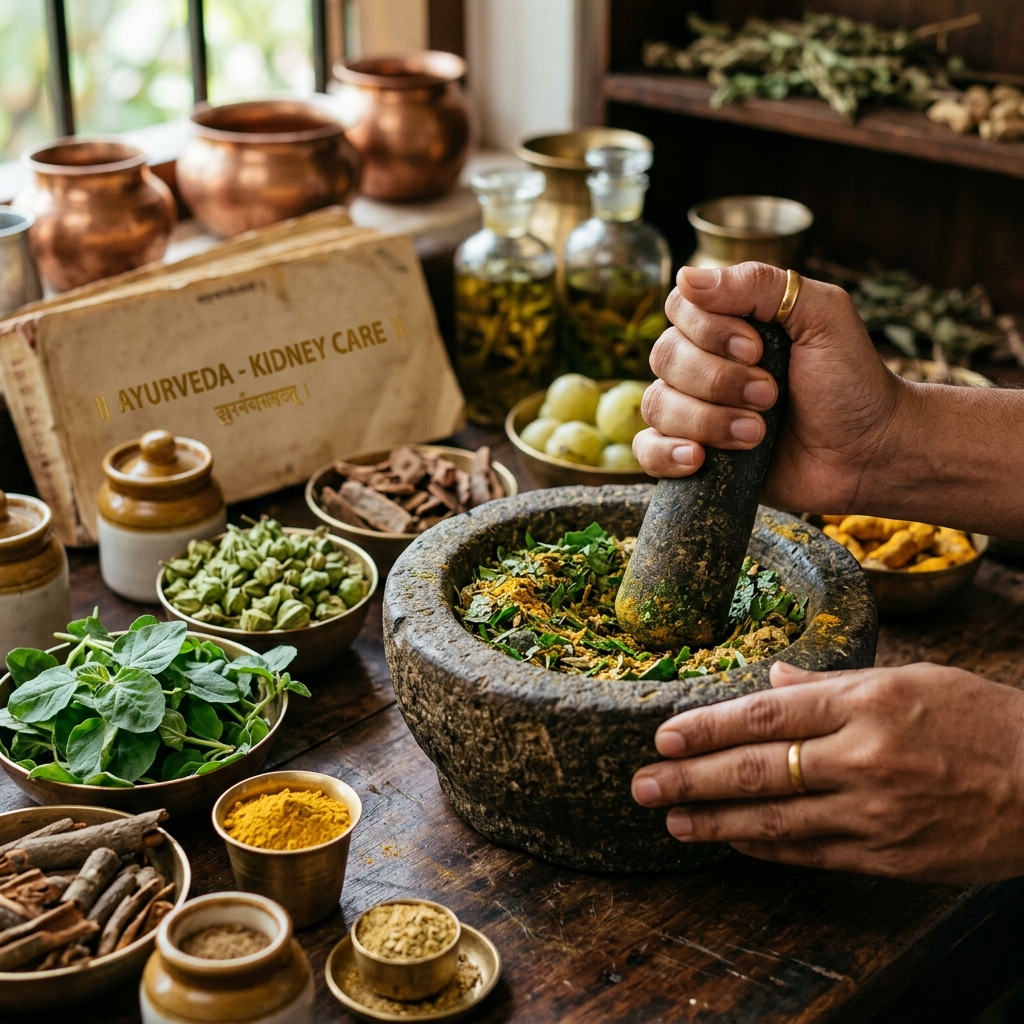
Targeted Herbal Support: Time-honored herbs such as Bakuchi (Psoralea corylifolia; used under strict supervision for skin pigmentation), Neem (for blood purification), Manjistha (for cooling Pitta and blood health), Khadir (a classical skin-supporting herb), and Guduchi (for immune modulation).
Snehana & Swedana (Internal & External Oleation): Controlled application of specialized herbal oils followed by gentle steam therapies to help open micro-channels (Srotas) and eliminate deep toxins, provided the patient is clinically suited for it.
Panchakarma Detoxification: In selected stable individuals, classical detoxification processes such as Virechana (purgation therapy to flush excess Pitta heat) may be considered under strict professional supervision.
Targeted Dietary Adjustments: Eliminating incompatible combinations, hot sour foods, and heavy fried items to reduce excess heat in the digestive system (Agni).
Mind-Body Balancing (Pranayama & Yoga): Calming breathwork routines to settle the nervous system, lower stress-induced skin flare-ups, and balance emotional well-being.
Therapies are selected based on individual suitability. They are never applied in a rigid, blanket manner.
What Can You Do at Home to Support Your Skin?
Supporting skin health isn't about applying every home remedy you read about online. A few clear, realistic daily habits can help maintain internal calm:
Avoid Conflicting Food Combinations (Viruddha Ahara): Do not combine milk with sour fruits, fish, salt, or citrus items. Keep dairy separate from heavy, salty, or sour meals.
Protect Skin from Sunburns: While mild morning sunlight (10–15 minutes) can be helpful, avoid harsh midday ultraviolet rays that can burn depigmented skin patches.
Reduce Excessively Sour and Spicy Foods: Limit heavy consumption of pickles, fermented dishes, vinegar, extra green chilies, and deep-fried foods that increase internal Pitta heat.
Stay Hydrated with Pure Water: Drink adequate water daily to support kidney filtration and clear metabolic waste.
Choose Gentle Skincare Products: Use mild, fragrance-free soaps and avoid harsh chemical peels, synthetic hair dyes, or bleaching products.
Manage Stress Actively: Practice daily relaxation routines such as meditation, gentle yoga, or deep breathing, as emotional stress is a known trigger for skin changes.
Wear Soft, Non-Restrictive Clothing: Avoid extremely tight synthetic garments that rub continuously against the skin, causing friction and localized irritation.
And one important reminder: "natural" herbs for skin pigmentation (like raw Bakuchi seeds) can be extremely potent and cause blistering if used incorrectly. Never apply concentrated raw herbal remedies to white patches without professional guidance.
Can Ayurveda Support Leucoderma Management?
Ayurveda offers a complementary, time-tested approach for individuals managing skin depigmentation conditions. By focusing on root-level issues like blood health, digestive toxins, Pitta balance, and immune stability, it works to support the body's natural skin functions.
The realistic objective of Ayurvedic leucoderma care is to help stabilize white patches, support remaining melanocyte activity, prevent further rapid spreading, and promote overall skin health.
This is why searching online for a quick Ayurvedic remedy for leucoderma and trying random remedies at home is rarely effective. Skin depigmentation is deep-rooted, and misusing potent herbs can cause skin irritation or increased inflammation.
A qualified practitioner can properly evaluate your constitutional needs and build a safe, personalized protocol.
When Should You See a Specialist?
While skin depigmentation is usually painless, certain changes demand prompt medical evaluation.
Seek medical evaluation if:
- White patches begin spreading rapidly across large areas of the body.
- Depigmented skin becomes red, painful, swollen, or blistered after sun exposure.
- You experience skin patches accompanied by joint pain, chronic fatigue, or unexpected weight changes (which may suggest autoimmune thyroid issues).
- Depigmentation occurs near eyes, lips, or sensitive mucosal regions.
- Skin patches develop signs of secondary bacterial infection like oozing or crusting.
- The emotional distress surrounding skin changes begins severely impacting your mental well-being and daily living.
If you are looking for an Ayurvedic leucoderma specialist near me, search for a qualified practitioner who understands skin pathology, evaluates root-level digestive health, and provides honest, safe guidance.
Nurturing Skin Health and Building Inner Confidence
Your skin works hard every day to protect you from environmental stress, regulate temperature, and represent you to the outside world.
It is easy to take skin health for granted until visual changes appear. Then, standing in front of a mirror can suddenly evoke feelings of worry and self-doubt.
The encouraging truth is that skin care is not merely about quick cosmetic fixes. Balancing your digestion, protecting your skin from harsh chemicals, managing emotional stress, avoiding harmful food combinations, and getting root-level health evaluated can all play an essential role in supporting your body.
At Karma Ayurveda, our focus is on understanding the individual behind the skin condition and creating an individualized, practical path forward.
If you are exploring Ayurvedic leucoderma treatment, the goal is not to chase miraculous overnight claims. It is to understand your body's internal signals, support blood health, and restore your natural vitality with care and patience.