













































Ayurvedic Liver Cirrhosis Treatment
Liver cirrhosis does not look the same in every person.
One person may have relatively few symptoms. Another may struggle with fatigue, poor appetite or digestive discomfort. Someone with more advanced disease may develop jaundice, abdominal swelling, leg swelling, confusion or other complications.
That's why when someone approaches us looking for Ayurvedic liver cirrhosis treatment, we don't want to look at the word “cirrhosis” and stop there.
We want to understand the person behind the diagnosis.
Our assessment may include:
- Liver function test reports
- Bilirubin levels
- Albumin and protein levels
- Platelet count
- INR and other relevant blood tests
- Kidney function
- Ultrasound or FibroScan reports
- CT or MRI reports, when available
- Viral hepatitis test results
- Current medicines
- Previous treatments
- Alcohol exposure, where relevant
- Appetite and weight changes
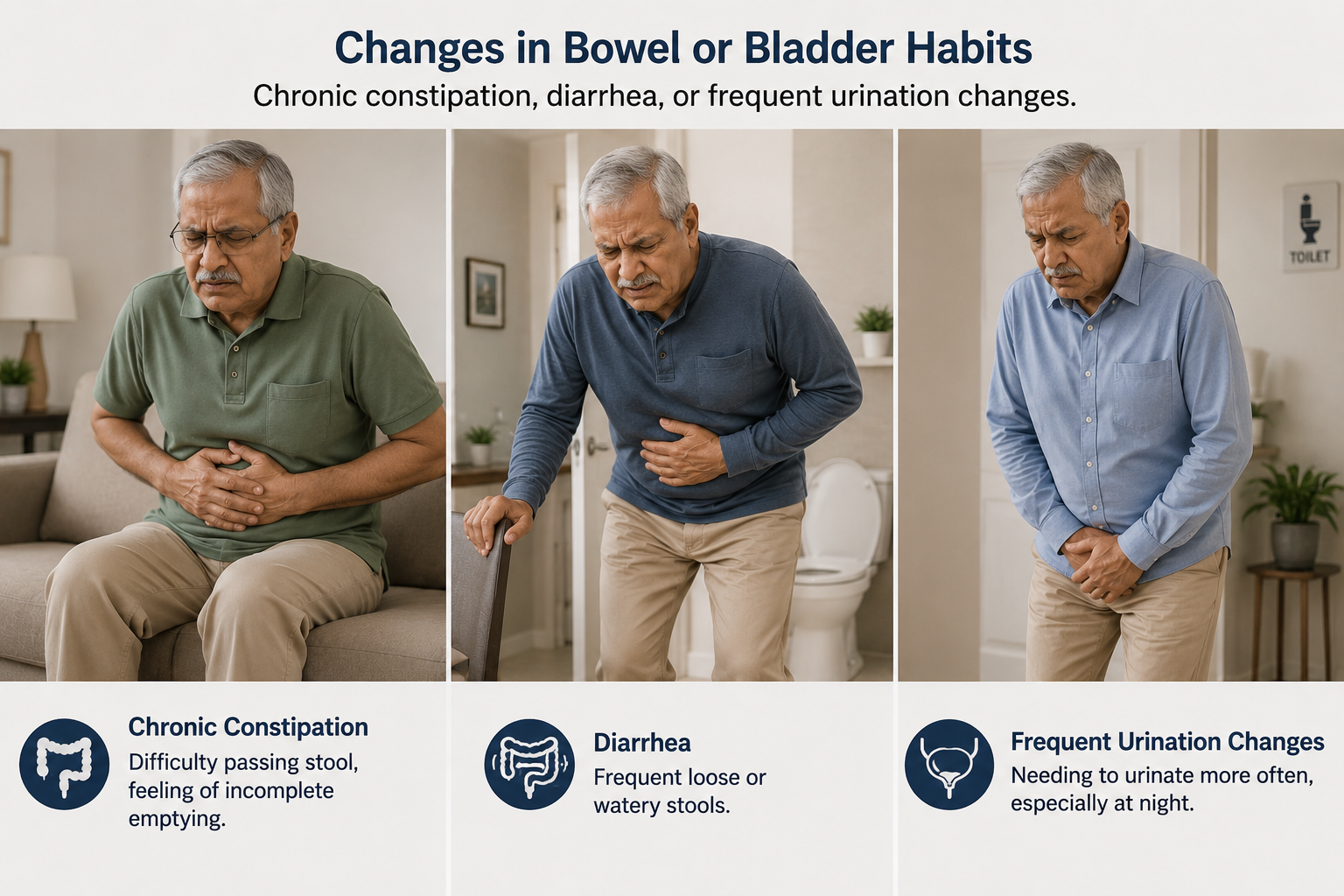
- Digestion and bowel habits
- Sleep and energy levels
- Physical activity
- Existing health conditions
- Presence of swelling, ascites or jaundice
The underlying cause matters too. Cirrhosis related to alcohol-associated liver disease may require a different medical approach from cirrhosis caused by viral hepatitis, autoimmune disease or metabolic liver disease.
So our focus is not simply, “How do we treat cirrhosis?”
It is, “What is happening with this person's liver, nutrition, digestion, strength and overall health?”
What Exactly Causes Liver Cirrhosis?
There isn't one single cause of liver cirrhosis.
Cirrhosis usually develops after the liver experiences repeated or long-term injury. Initially, the liver tries to repair itself. But when the injury continues, scar tissue can gradually replace healthy liver tissue.
Identifying the underlying cause is extremely important because treating or controlling that cause may help prevent further liver damage.
The Common Contributors
Long-Term Alcohol Use: Prolonged excessive alcohol consumption can repeatedly injure liver cells and contribute to fibrosis and cirrhosis.
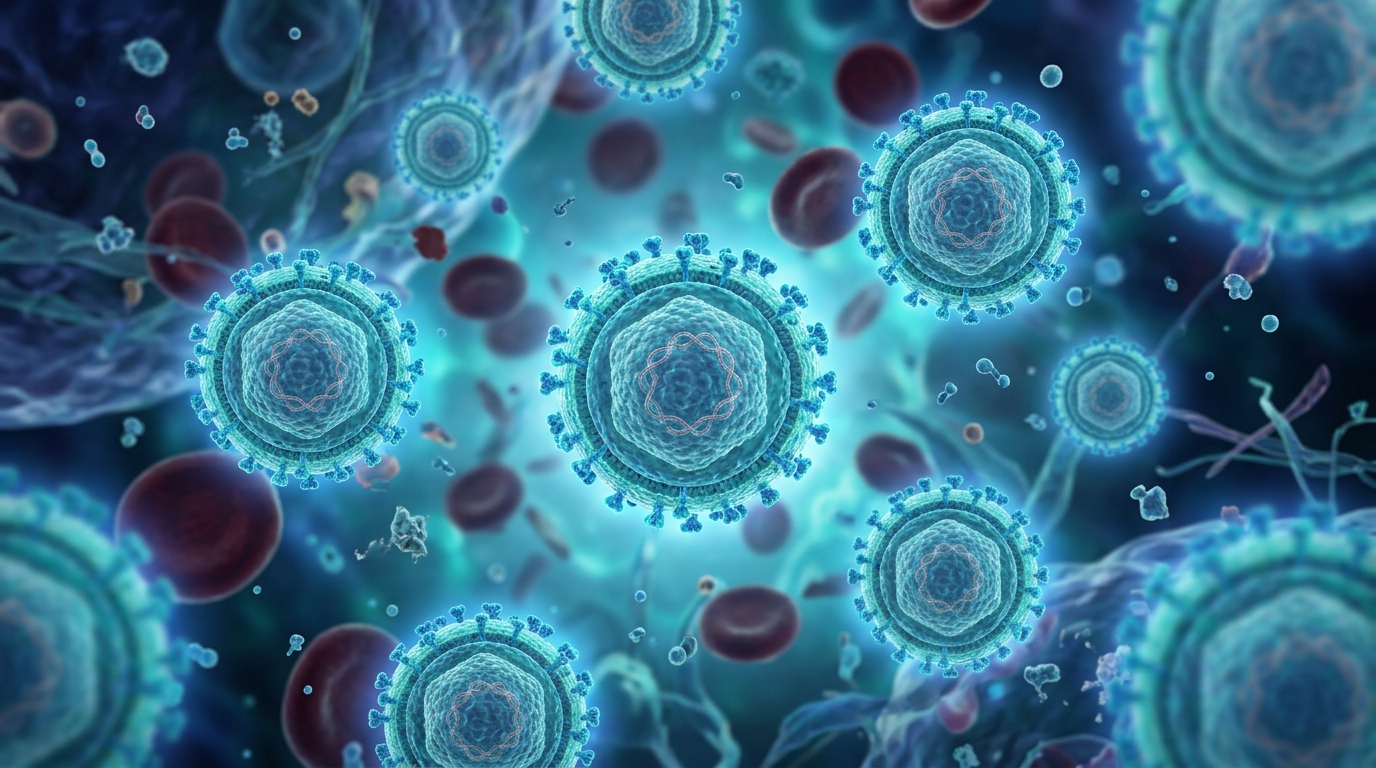
Chronic Hepatitis B or C: Long-term viral hepatitis can cause ongoing inflammation and liver injury.
Metabolic Liver Disease: Metabolic dysfunction-associated steatotic liver disease (MASLD), particularly when inflammation and fibrosis develop, can progress to cirrhosis in some people.
Autoimmune Liver Diseases: Conditions such as autoimmune hepatitis can cause the immune system to attack liver cells.
Bile Duct Disorders: Long-term diseases affecting the bile ducts can gradually damage liver tissue.
Genetic and Metabolic Conditions: Disorders such as hemochromatosis, Wilson disease and alpha-1 antitrypsin deficiency can cause chronic liver injury.
Certain Medicines and Toxins: Some medicines, supplements and toxic substances can damage the liver, particularly when used incorrectly or in susceptible individuals.
Long-Term Inflammation: Whatever the original trigger, persistent liver inflammation and injury can eventually lead to fibrosis and cirrhosis.
From an Ayurvedic perspective, factors involving Pitta, Agni, metabolism and overall digestive balance may also be considered when developing supportive care. This traditional framework does not replace modern diagnosis, staging or treatment.
Liver Cirrhosis Symptoms You Shouldn't Ignore
Cirrhosis can remain quiet for quite some time.
That's one reason regular medical follow-up matters, even when a person feels reasonably well.
As liver damage progresses, symptoms may include:
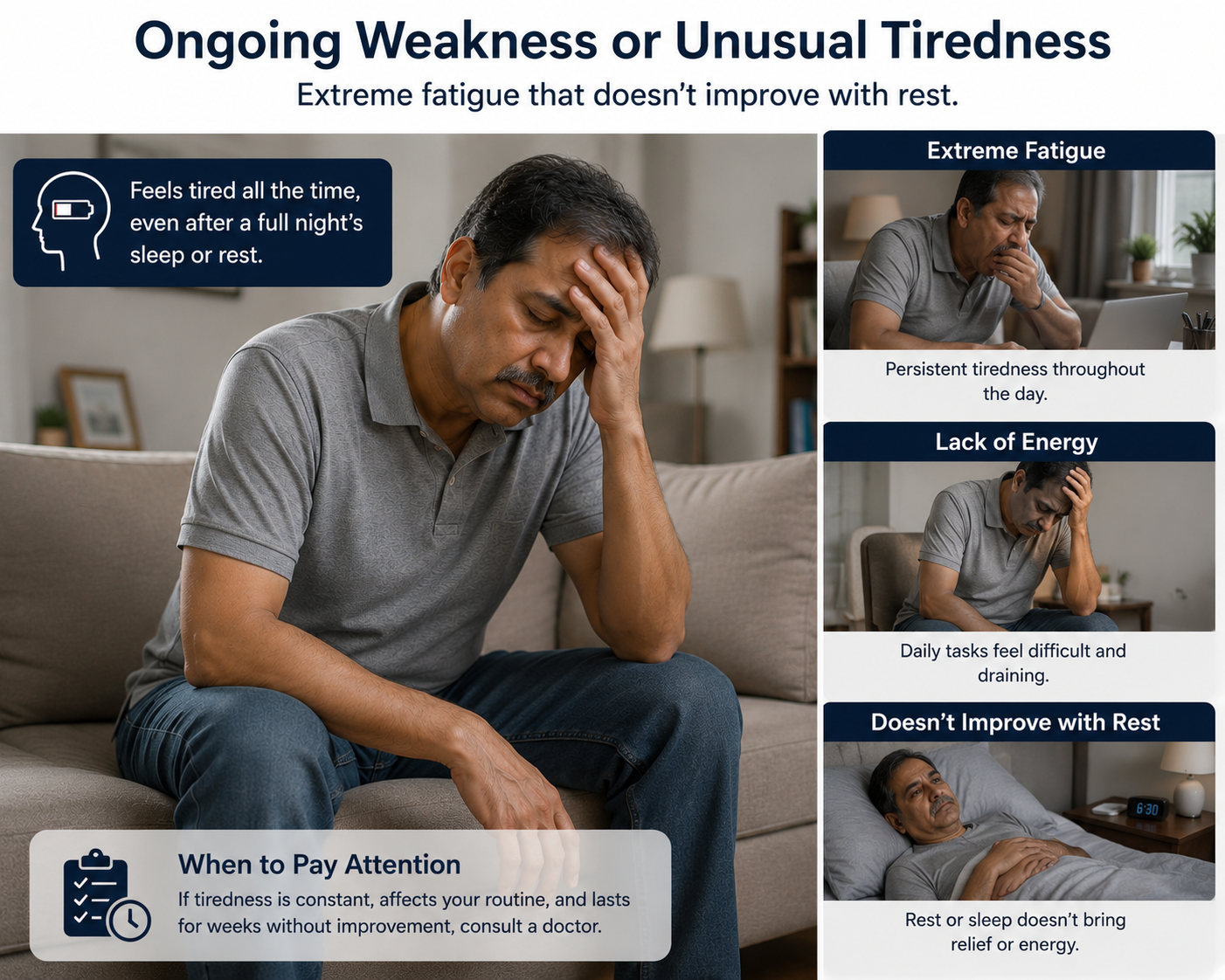
- Persistent fatigue or weakness
- Reduced appetite
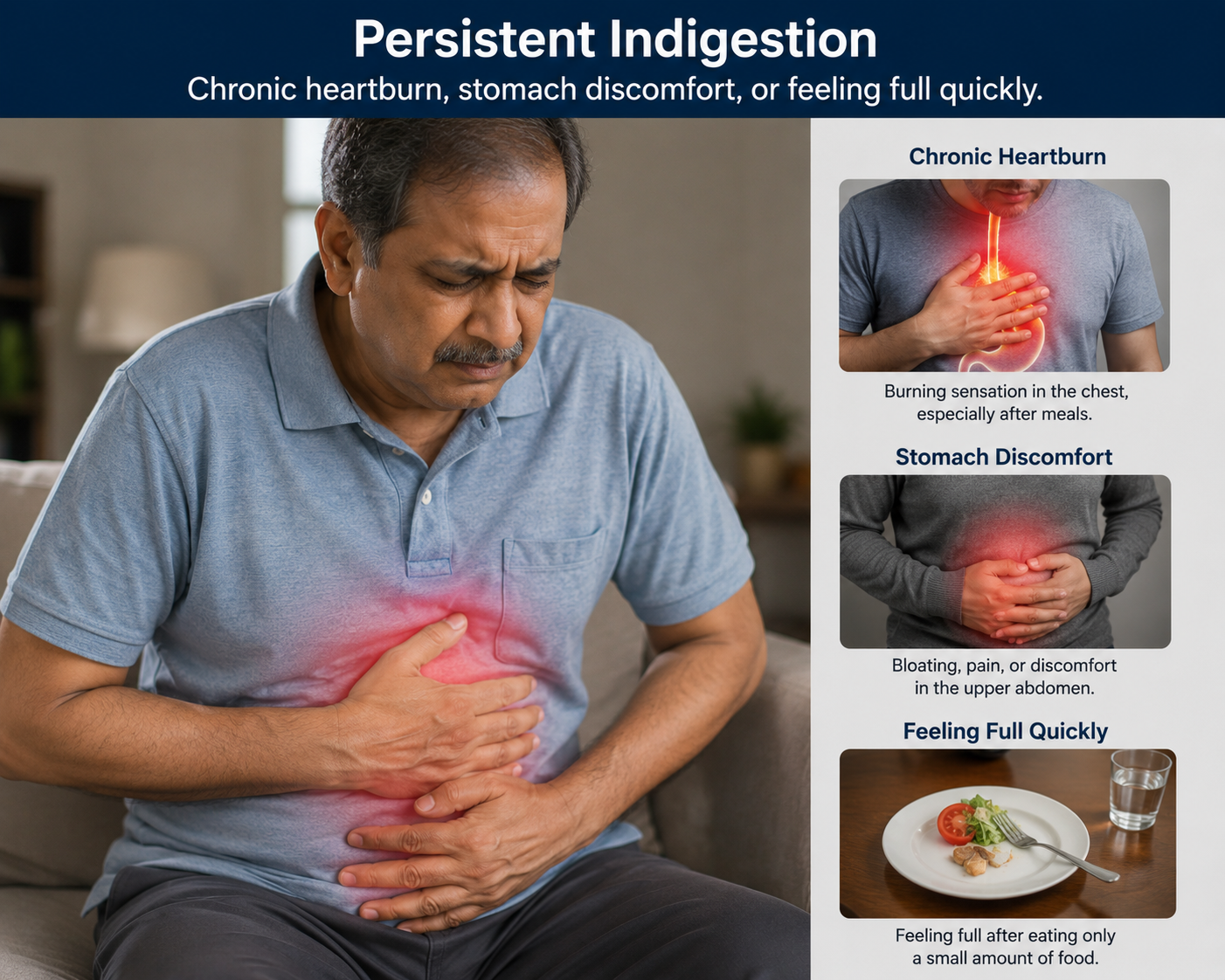
- Feeling full quickly
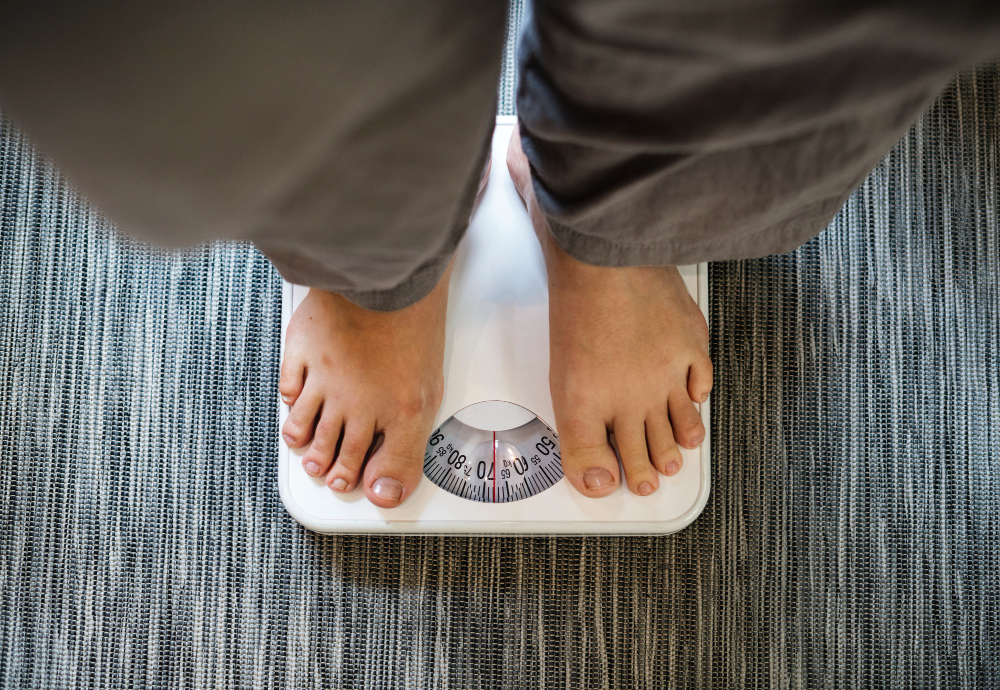
- Unintentional weight loss
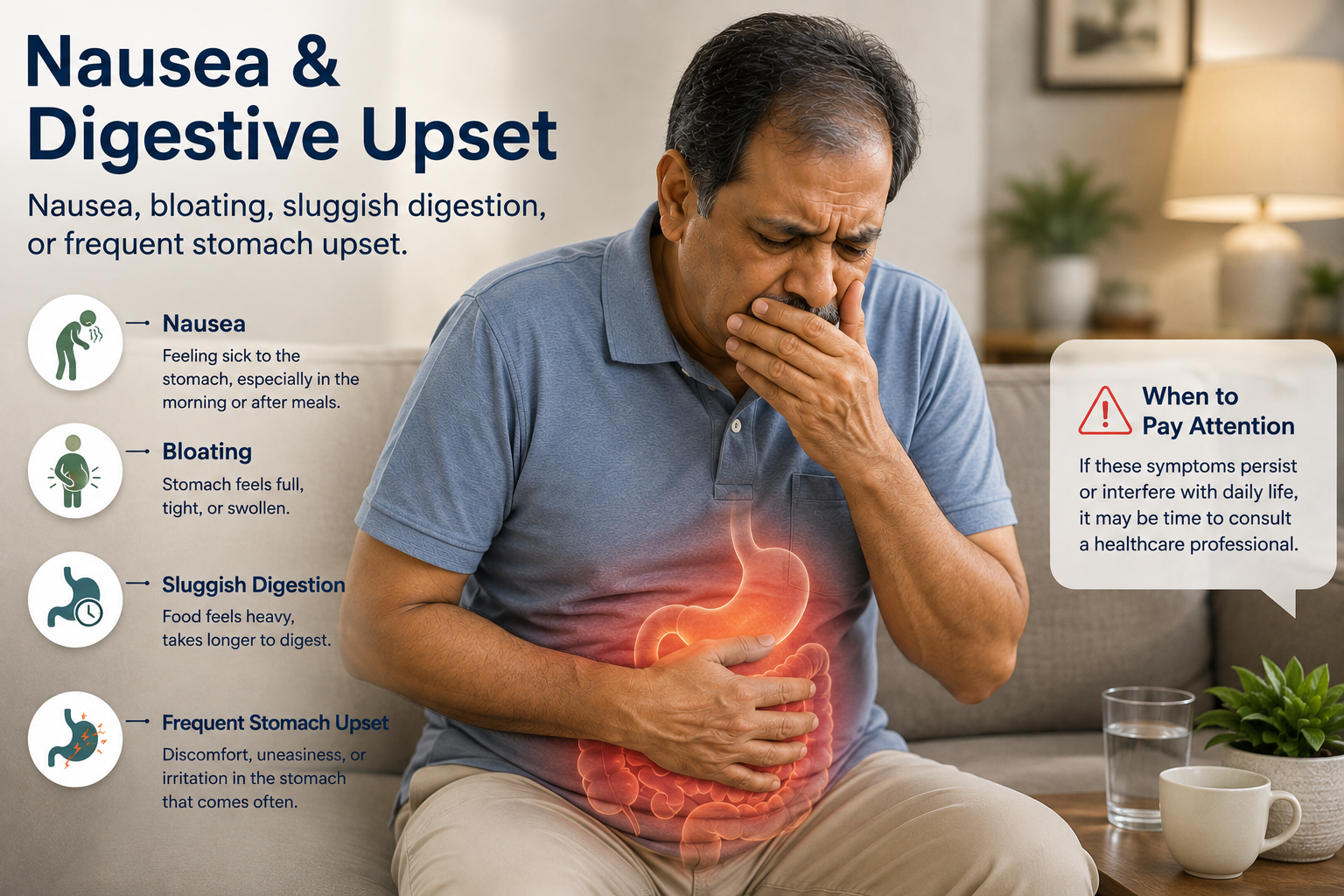
- Nausea or digestive discomfort
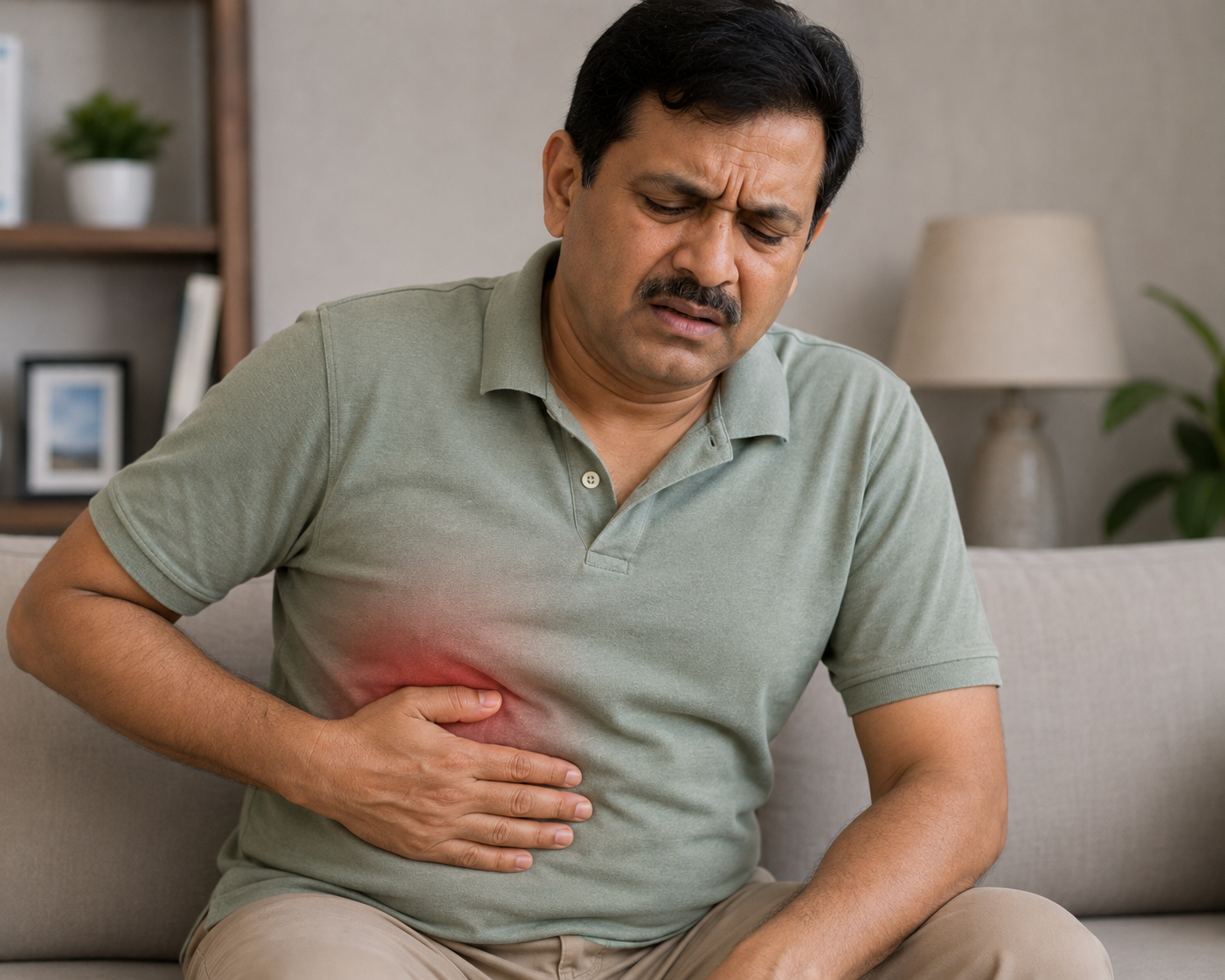
- Abdominal discomfort
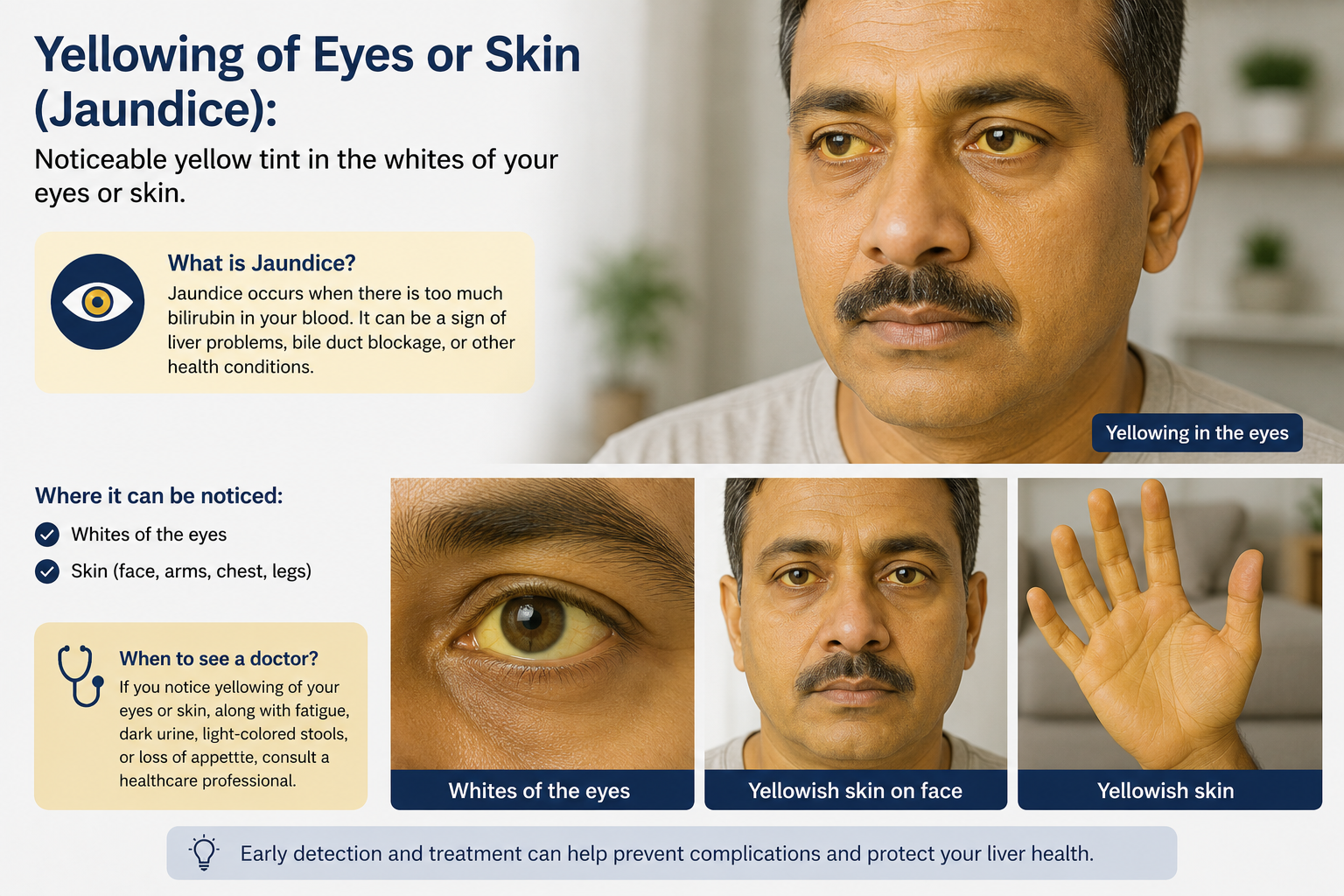
- Yellowing of the eyes or skin
- Dark urine
- Pale stools
- Swelling in the abdomen
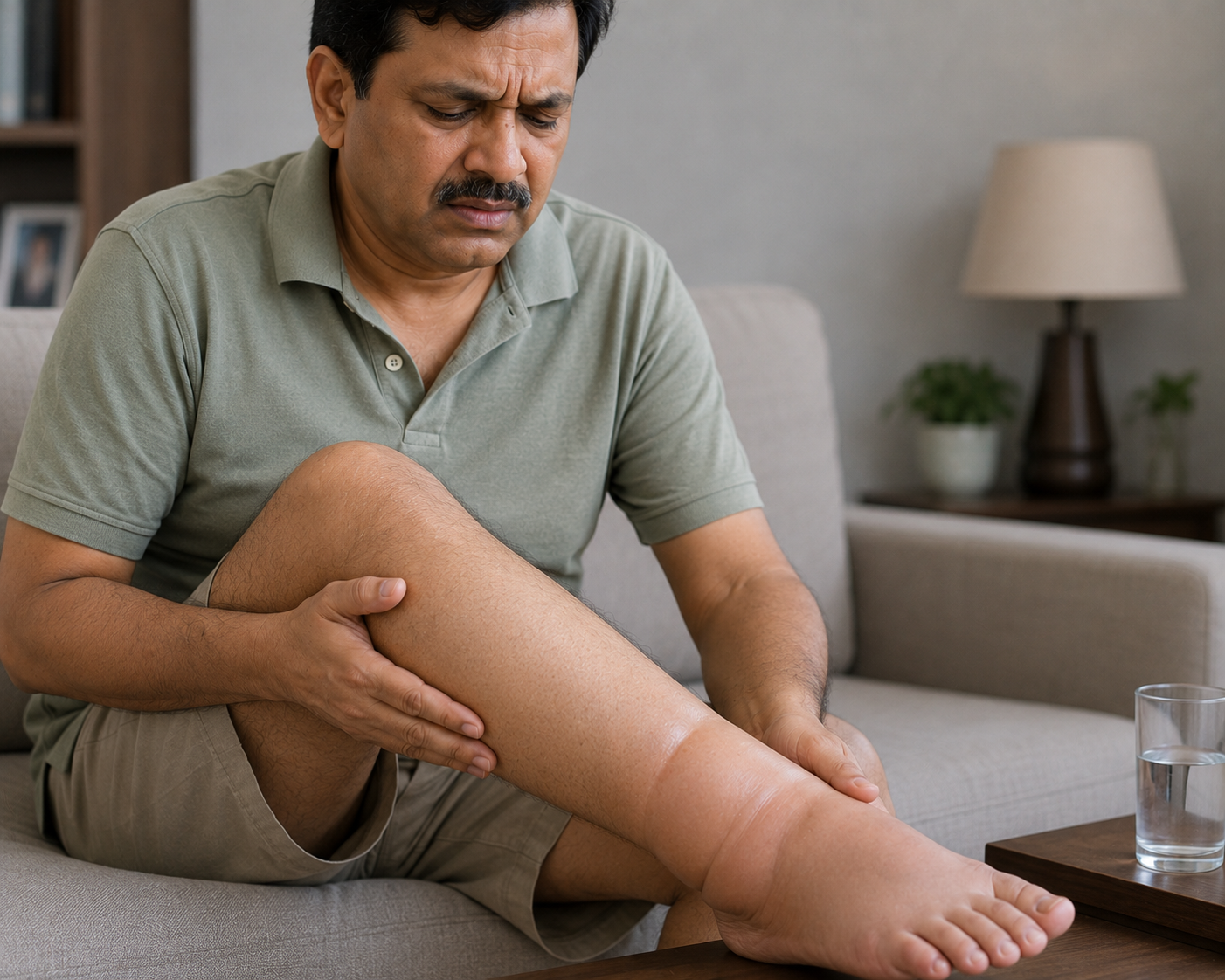
- Swelling in the legs or ankles
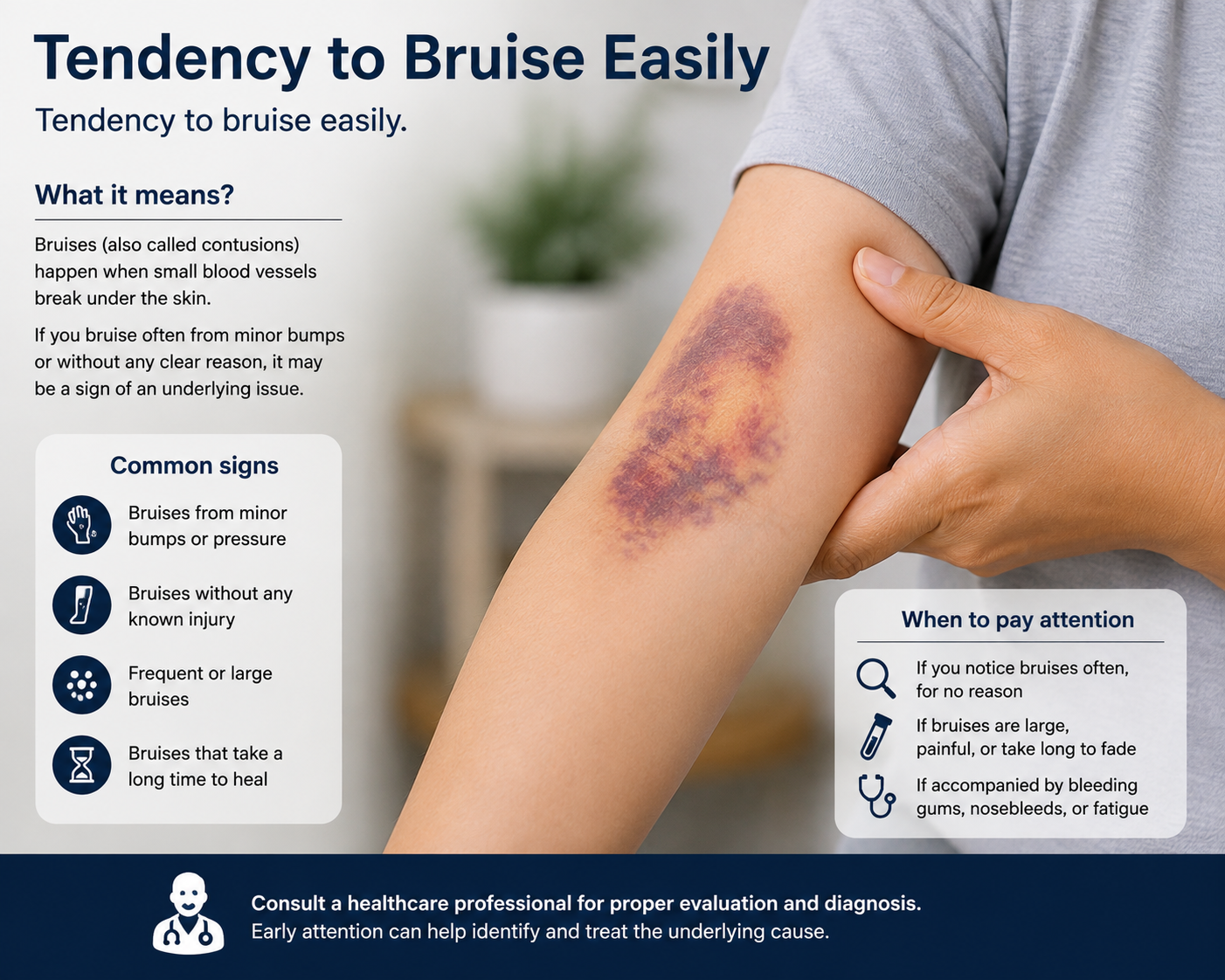
- Easy bruising or bleeding
- Persistent itching
- Muscle loss
- Difficulty concentrating
- Confusion or unusual sleepiness
Some symptoms need urgent medical attention.
Vomiting blood, black or tarry stools, sudden confusion, severe drowsiness, fainting, fever with abdominal swelling or pain, or rapidly worsening jaundice should be treated as medical emergencies.
Cirrhosis can affect several systems at once, so new or worsening symptoms should not simply be blamed on “weak digestion” or getting older.
How We Assess Patients at Karma Ayurveda
When someone comes to us seeking Ayurvedic treatment for liver cirrhosis, understanding the severity of the condition comes before discussing supportive care.
Understanding Your Symptoms
We discuss fatigue, appetite, digestion, bowel habits, abdominal discomfort, swelling, itching, jaundice, sleep and changes in energy or alertness.
Reviewing Your Reports
Depending on the individual, we may review liver enzymes, bilirubin, albumin, INR, platelet count, kidney function, viral hepatitis reports, ultrasound, FibroScan and other available investigations.
Understanding the Underlying Cause
Knowing why cirrhosis developed is important. Alcohol-associated disease, viral hepatitis, metabolic liver disease, autoimmune conditions and other causes require different considerations.
Looking at Your Diet and Lifestyle
We discuss what you eat, meal timing, alcohol exposure, physical activity, sleep, medications, supplements and other everyday factors.
Ayurvedic Assessment
Traditional Ayurvedic assessment may consider Dosha patterns, Agni, appetite, digestion, bowel habits and overall strength.
Building an Individualized Plan
Based on the available information, supportive care may involve dietary guidance, lifestyle measures, selected Ayurvedic therapies and ongoing monitoring.
The idea is simple: the plan should be built around the person, not just the diagnosis written on the report.
Ayurvedic Therapies Commonly Used for Liver and Digestive Support
Let's clear up an important point first.
There is no established Ayurvedic treatment proven to remove established liver cirrhosis or reliably reverse advanced liver scarring.
Ayurvedic care may instead be considered complementary support for digestion, nutrition, lifestyle, relaxation and overall wellbeing.
Shamana Chikitsa
Individualized Ayurvedic medicines may be considered according to the person's symptoms, digestive status, strength and overall condition.
However, this requires professional supervision. Some herbs and supplements can interact with prescription medicines or potentially affect the liver or other organs.
Dietary Guidance
Nutrition becomes particularly important in chronic liver disease.
Rather than following an extremely restrictive diet found online, the focus should be on adequate nourishment, appropriate protein, sufficient calories and foods that are comfortable to digest.
The exact diet needs to be individualized according to the person's liver condition, nutritional status, kidney function, swelling and other medical concerns.
Selected Herbal Support
Traditional Ayurvedic herbs such as Bhumyamalaki, Guduchi, Amla or Punarnava may be considered in some Ayurvedic approaches.
But “natural” does not automatically mean “safe for everyone.”
The suitability of any herb depends on the person's liver function, medicines, dosage, other health conditions and overall situation.
Gentle Abhyanga
Gentle oil massage may be considered for relaxation and general physical comfort in appropriate individuals.
However, it is not a treatment for removing liver fibrosis or cirrhosis.
Extra caution is needed when a person has significant swelling, bleeding problems, severe weakness or other complications.
Gentle Yoga and Movement
Appropriate movement may help maintain mobility and physical strength.
The intensity should match the person's condition. Someone with advanced cirrhosis, severe weakness, dizziness or other complications may need a very different activity plan from someone with stable disease.
Selected Ayurvedic Therapies
Other traditional therapies may be considered only after reviewing the person's liver function, strength, complications, medicines and overall health.
Not every Ayurvedic procedure is suitable for every person with cirrhosis.
What Can You Do at Home to Support Liver Health?
If you're searching for Ayurvedic liver cirrhosis treatment at home, don't feel that you need a cupboard full of powders, juices and “detox” recipes.
Start with the basics.
- Avoid alcohol: Continued alcohol exposure can worsen liver injury.
- Eat adequately: Poor nutrition and muscle loss can become serious concerns in advanced liver disease.
- Choose balanced meals: Include suitable vegetables, fruits, whole grains and protein sources according to your individual nutritional needs.
- Be careful with salt: People with ascites or fluid retention may be advised to reduce sodium. Follow the recommendation provided by your doctor or dietitian.
- Stay appropriately active: Gentle physical activity can help maintain strength when it is medically safe.
- Take prescribed medicines regularly: Do not stop or change medicines without discussing it with your doctor.
- Keep your follow-up appointments: Cirrhosis requires ongoing monitoring for complications.
- Avoid random supplements: Herbal does not automatically mean liver-safe.
- Tell your doctor about supplements: Every herbal product, powder, capsule or supplement should be disclosed to your healthcare team.
And please avoid aggressive fasting, extreme detox programs or homemade “liver cleansing” experiments.
A cirrhotic liver needs thoughtful management, not a surprise chemistry project.
Can Ayurveda Support Liver Cirrhosis Management?
Ayurveda may have a complementary role in areas such as dietary habits, digestion, lifestyle, relaxation, physical wellbeing and quality of life.
But expectations need to remain realistic.
There is no established Ayurvedic cure that can reliably remove established cirrhosis or reverse advanced liver scarring.
The primary medical goals are to identify and control the underlying cause, prevent complications, preserve nutrition and muscle strength, and monitor liver function.
At Karma Ayurveda, our approach to Ayurvedic liver cirrhosis treatment is therefore centered on supportive care rather than replacing necessary medical treatment.
If cirrhosis is related to viral hepatitis, autoimmune disease, metabolic liver disease or another underlying condition, that condition still needs appropriate medical management.
Similarly, complications such as ascites, gastrointestinal bleeding, hepatic encephalopathy or worsening liver failure require timely medical attention.
Ayurvedic care should work alongside appropriate medical care, not against it.
When Should You See a Specialist?
Anyone diagnosed with cirrhosis should have appropriate medical follow-up, often involving a gastroenterologist or hepatologist.
Seek medical attention if you notice:
- Worsening yellowing of the eyes or skin
- Increasing abdominal swelling
- New or worsening leg swelling
- Vomiting blood
- Black or tarry stools
- New confusion or unusual sleepiness
- Fever with abdominal pain or swelling
- Significant unexplained weight loss
- Increasing weakness or muscle loss
- Worsening blood-test results
- New or worsening kidney-function abnormalities
If you are looking for an Ayurvedic liver cirrhosis specialist, consider a qualified practitioner who reviews your medical reports, understands the severity of your condition and is willing to coordinate care with your gastroenterologist or hepatologist.
Supporting Liver Health With Responsible, Individualized Care
A liver diagnosis can make everyday life feel uncertain.
Suddenly, food choices need more attention. Medical reports become part of the routine. Questions about fatigue, swelling, digestion and medicines start appearing where ordinary daily concerns used to be.
But cirrhosis is not simply a digestive problem.
It is the result of long-term liver injury and can affect circulation, nutrition, blood clotting, fluid balance and several other functions throughout the body.
That is why care needs to look at the whole person.
At Karma Ayurveda, our approach to Ayurvedic liver cirrhosis treatment focuses on understanding the individual's symptoms, medical reports, digestion, nutrition, lifestyle, underlying cause and overall strength before suggesting complementary support.
Ayurveda may have a role in supporting digestive health, daily routines, nutrition and physical wellbeing. But responsible care also means being clear about its limitations.
There is no shortcut that should replace appropriate medical treatment or monitoring.
The goal is not to promise a quick fix.
It is to understand what is happening, address the factors that can be addressed, protect the liver function that remains, support the person's strength and make everyday health a little more manageable.