




































Before we explore why motor neuron degeneration occurs, let's talk about how we approach the person experiencing those physical changes.
At Karma Ayurveda, we do not believe that every individual facing a degenerative neuromuscular condition requires a rigid, copy-paste plan. Two people can walk into a consultation with a Motor Neuron Disease (MND) diagnosis, yet have completely different rates of progression, digestive strength, muscle tone, and energy reserves.
One person may be noticing early muscle twitching and slight loss of grip strength in their hands. Another may be dealing with advanced muscle weakness affecting leg stability, speech clarity, and swallowing comfort. Someone else may be seeking supportive care to maintain mobility while managing daily fatigue.
That is why our approach to Ayurvedic treatment for Motor Neuron Disease focuses on understanding the individual as a whole rather than viewing a neurological report in isolation.
We evaluate your specific symptoms, medical history, digestive fire (Agni), lifestyle habits, and existing neurological reports before suggesting a care plan. The goal is to make Ayurvedic care practical and supportive; because a regimen that creates undue physical exhaustion or conflicts with essential medical devices isn't truly helpful.
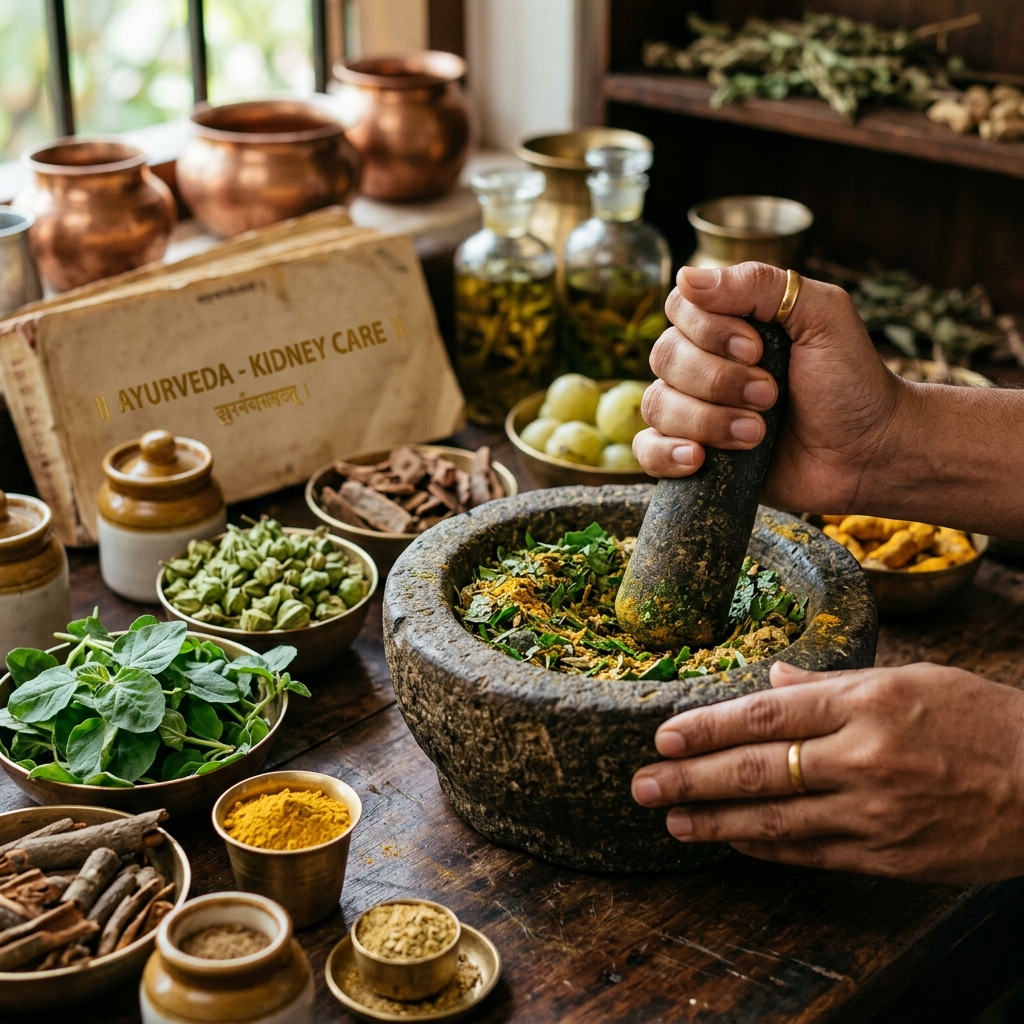
Many individuals and families exploring Ayurvedic Motor Neuron Disease treatment in India seek personalized care that focuses on nourishing nervous tissue, supporting muscle strength, and enhancing overall quality of life.
What Exactly Causes Motor Neuron Disease?
Your brain and spinal cord communicate with your limbs and organs through a vast network of motor neurons that deliver movement commands.
So, what factors contribute to the breakdown of these vital signaling pathways?
The Common Contributors
Neuroinflammation and Oxidative Stress: Excessive free radical activity damages cellular structures within nerve pathways, leading to premature cell death.
Glutamate Toxicity: Abnormal levels of glutamate; a chemical messenger in the brain; can overstimulate and damage motor neurons.
Genetic Factors: Specific genetic gene mutations (such as SOD1 or C9orf72) are linked to hereditary forms of the condition.
Protein Aggregation: Misfolded or abnormal proteins accumulating within nerve cells disrupt normal cellular operations.
Environmental Toxins: Prolonged exposure to heavy metals, agricultural chemicals, or toxic industrial substances may contribute to neurological vulnerability.
Severe Vata Aggravation & Metabolic Toxins (Ama): Chronic metabolic depletion, stress, or poor nutrient assimilation leads to deep structural dryness (Rukshata) in nervous and muscular tissues (Majja and Mamsa Dhatu).
The cause matters because degenerative conditions affect every body differently. Tailoring care to the individual's specific constitutional state helps provide far more targeted, meaningful support.
Motor Neuron Disease Symptoms You Shouldn't Ignore
Neuromuscular shifts often start subtly, but specific physical cues deserve close observation.
Watch out for:
Muscle Weakness: Difficulty gripping small objects, buttoning a shirt, turning keys, or lifting legs while walking.
Frequent Tripping or Stumbling: Weakness in ankle or foot muscles ("foot drop") causing unsteady walking.
Muscle Twitching and Cramping: Persistent twitching (fasciculations) in arms, legs, shoulders, or tongue, accompanied by painful cramps.
Slurred or Slow Speech: Difficulty articulating words clearly or speaking with normal vocal volume.
Swallowing Difficulties (Dysphagia): Choking easily on liquids, trouble swallowing solid food, or excessive saliva build-up.
Muscle Wasting (Atrophy): Visible thinning or loss of muscle mass in the hands, forearms, calves, or shoulders.
Shortness of Breath: Feeling breathless during light activities or while lying flat, indicating respiratory muscle involvement.
Sudden severe breathing difficulty, inability to clear airway secretions, acute inability to swallow food or liquids, or sudden loss of physical stability requires immediate emergency medical evaluation.
How We Assess Patients at Karma Ayurveda
When someone consults us seeking Motor Neuron Disease treatment in Ayurveda, our initial step is never just asking, "What does your scan say?"
We focus on understanding how nerve and muscle weakness is affecting your daily life and what steps will best support tissue nourishment and physical stability.
Understanding Your Symptoms: We discuss when muscle weakness began, which limb or function was affected first, how speech or swallowing is performing, and how daily activities are managed.
Looking at Your Medical Reports: If you have prior Electromyography (EMG), Nerve Conduction Velocity (NCV) tests, MRI scans, or neurology notes, we review them thoroughly to align our supportive guidance safely.
Understanding Your Lifestyle: We evaluate daily physical strain, dietary intake, digestion quality, swallowing comfort, and sleeping patterns to ensure the care plan is manageable.
The Ayurvedic Assessment: We assess Vata dosha levels, the degree of Majja (nervous) and Mamsa (muscle) tissue depletion, digestive capacity (Agni), and metabolic waste accumulation (Ama).
Creating an Individualized Plan: Once the overall picture is clear, we design a customized care routine combining nerve-nourishing herbs, easy-to-swallow nutritional support, gentle oil applications, and lifestyle guidance.
The goal is to build a practical, comforting routine that aids tissue retention, supports physical mobility, and promotes daily peace of mind.
Ayurvedic Therapies Commonly Used for Neuromuscular Support
Depending on an individual's physical strength, condition stage, and clinical assessment, Ayurvedic care utilizes classical strategies aimed at pacifying aggravated Vata and nourishing depleted tissues.
These may include:
Brimhana & Rasayana Chikitsa: Deeply nourishing therapies aimed at preventing further tissue depletion (Kshaya), supporting nerve health, and rebuilding vitality (Ojas).
Targeted Herbal Support: Time-honored herbs such as Ashwagandha (for muscle strength and tissue rebuilding), Bala (for neuromuscular vigor), Brahmi (for nervous system support), Guduchi (for cell-protective support), and Kapikacchu (for neurotransmitter health).
Abhyanga (Nourishing Oil Therapy): Gentle application of warm, medicated oils like Mahanarayana Taila or Kshirabala Taila to soothe aggravated Vata, improve local circulation, and ease muscle stiffness.
Shashtika Shali Pinda Sweda: A specialized traditional therapy using warm rice boluses cooked in milk and herbal decoctions, gently massaged over muscles to provide deep nourishment to wasting tissues (Mamsa Dhatu).
Matra Basti (Nourishing Enema Therapy): Gentle, low-volume rectal administration of medicated oils to directly calm Vata at its primary seat in the colon, supporting systemic lubrication and nerve health.
Easy-to-Digest, Nutrient-Dense Diet: Tailoring foods to match swallowing abilities, emphasizing warm, liquid, or blended soups infused with pure cow ghee and nourishing herbs.
Therapies are selected with extreme care. Aggressive detoxifications or tiring routines are avoided to protect fragile muscle tissue and physical energy.
What Can You Do at Home to Support Your Strength?
Managing a progressive neuromuscular condition requires thoughtful adjustments to maintain safety and preserve daily energy:
Prioritize Nutrient-Dense Foods: Include easily digestible, warm, and naturally sweet/grounding foods like moong soups, crushed nuts, well-cooked grains, and pure cow ghee to support tissue nourishment.
Modify Food Textures for Swallowing: If swallowing feels difficult, blend foods into smooth purées, warm broths, or liquid meals to prevent choking and ensure proper nutrient intake.
Avoid Over-Exertion: Engage in light, gentle range-of-motion exercises or light stretching under physical therapy guidance, but stop before experiencing physical fatigue.
Keep Rooms Warmer: Cold environments significantly aggravate Vata and increase muscle stiffness; keep living spaces comfortably warm and well-ventilated.
Use Supportive Mobility Aids: Don't hesitate to use walking canes, braces, or wheelchair supports early on to preserve muscle energy and prevent falls.
Practice Gentle Breathing Exercises: Simple, comfortable breathing routines (like soft Pranayama) help maintain respiratory muscle mobility without causing strain.
Protect Speech Energy: Use communication boards, speech-to-text tools, or digital aids early to communicate without fatiguing throat and facial muscles.
And one critical reminder: Never discontinue or alter prescribed conventional medical therapies, ventilator supports, or feeding tubes without direct guidance from your medical team. Ayurvedic care functions best as a safe, supportive partner.
Can Ayurveda Support Motor Neuron Disease Management?
Ayurveda provides a holistic, compassionate framework for individuals navigating complex neuromuscular conditions like Motor Neuron Disease (or ALS). By focusing on root issues like deep-seated Vata imbalance, nervous tissue dryness (Majja Dhatu), and muscle wasting (Mamsa Dhatu), it aims to support remaining cellular vitality.
The realistic objective of Ayurvedic Motor Neuron Disease care is to slow down rapid tissue depletion, manage secondary muscle stiffness or cramps, support digestion and swallowing comfort, and enhance overall quality of life.
This is why searching online for a quick Ayurvedic cure for MND or using unverified herbal mixtures without supervision is unsafe. Degenerative nerve conditions require carefully monitored protocols tailored to individual digestive strength and physical limits.
An experienced practitioner can evaluate your specific health state and build a safe, personalized protocol alongside your primary medical care.
When Should You See a Specialist?
Progressive neuromuscular conditions require close clinical supervision to monitor breathing, nutrition, and physical safety.
Seek medical evaluation if:
- Swallowing food or liquids becomes frequently difficult or causes choking.
- You experience unexpected shortness of breath during rest or while lying down flat.
- Muscle weakness progresses rapidly, leading to frequent loss of balance or falls.
- Clear communication becomes difficult due to rapid speech impairment.
- Unexplained, rapid weight loss occurs due to poor swallowing or poor digestion.
- You notice signs of chest infection, fever, or persistent cough after eating or drinking.
If you are looking for an Ayurvedic Motor Neuron Disease specialist near me, search for a qualified practitioner who understands complex neurological conditions, respects conventional medical management, and offers honest, safe, and supportive guidance.
Preserving Vitality, Strength, and Dignity
Our motor neurons and muscles work together constantly to help us move, speak, hold our loved ones, and live independently.
When a progressive neurological condition begins to affect physical strength, facing those daily changes can feel overwhelming for both the individual and their family. It challenges routines, physical independence, and emotional resilience.
The reassuring truth is that supporting neuromuscular health is not just about medical reports; it is about keeping tissues nourished, protecting digestion, managing physical comfort, and maintaining personal dignity every single day.
At Karma Ayurveda, our focus is on understanding the individual behind the diagnosis and building a gentle, practical plan tailored to your body's specific needs.
If you are exploring Ayurvedic Motor Neuron Disease treatment, the goal is not to chase unrealistic claims. It is to protect your body's strength, support daily movement, and walk this path with clarity, care, and comfort.