



















































Ayurvedic Parkinson's Treatment: Supporting Neurological Balance and Motor Harmony
Before we explore why dopamine-producing cells degenerate, let's talk about how we approach the person experiencing those physical changes.
At Karma Ayurveda, we do not believe that every individual facing a Parkinson's diagnosis needs a generic, copy-paste plan. Two people can walk into a consultation with a Parkinson's report, yet have completely different stages of movement stiffness, tremor intensity, digestive capacity, and emotional stress levels.
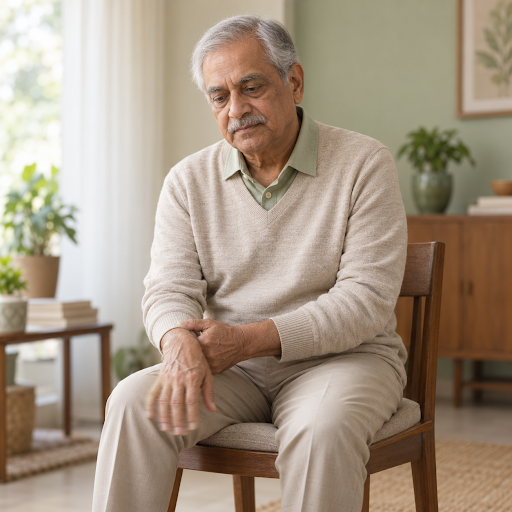
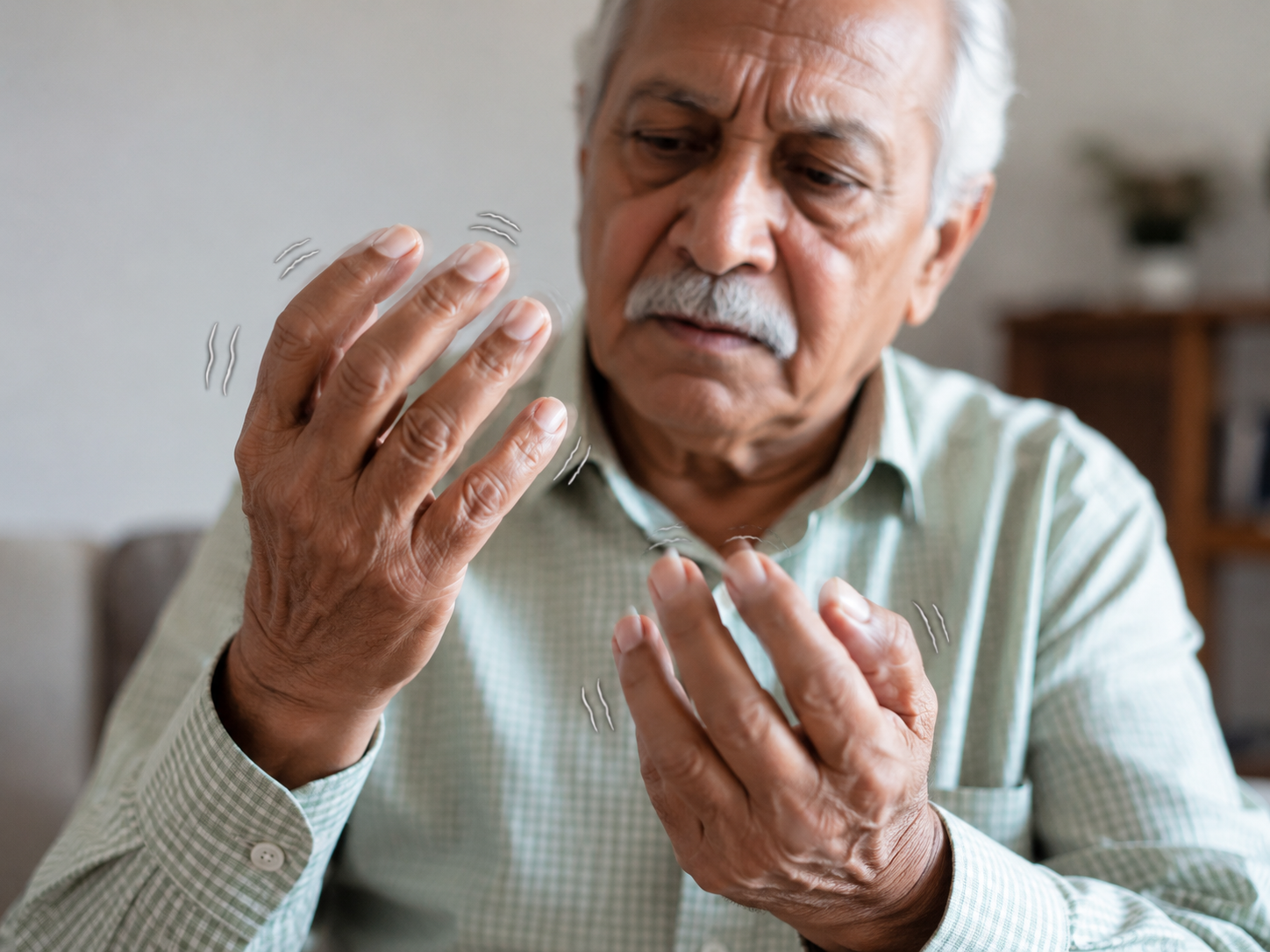
One person may be noticing early signs like subtle hand tremors, handwriting changes, or mild arm stiffness while walking. Another may be dealing with moderate-to-advanced movement slowness, balance issues, sleep disturbances, or chronic constipation. Someone else may be looking for supportive care to maintain physical independence alongside their ongoing conventional medications.
That is why our approach to Ayurvedic treatment for Parkinson's focuses on understanding the individual as a whole rather than viewing a neurological diagnosis in isolation.
We evaluate your specific symptoms, medical history, digestive strength (Agni), lifestyle habits, and existing neurological reports before suggesting a care plan. The goal is to make Ayurvedic care simple and practical for everyday life; because a routine that creates physical stress or conflicts with timing for essential medicines isn't truly helpful.
Many individuals and families exploring Ayurvedic Parkinson's treatment in India seek personalized care that nourishes brain tissues, calms nervous restlessness, and supports long-term mobility naturally.
What Exactly Causes Parkinson's?
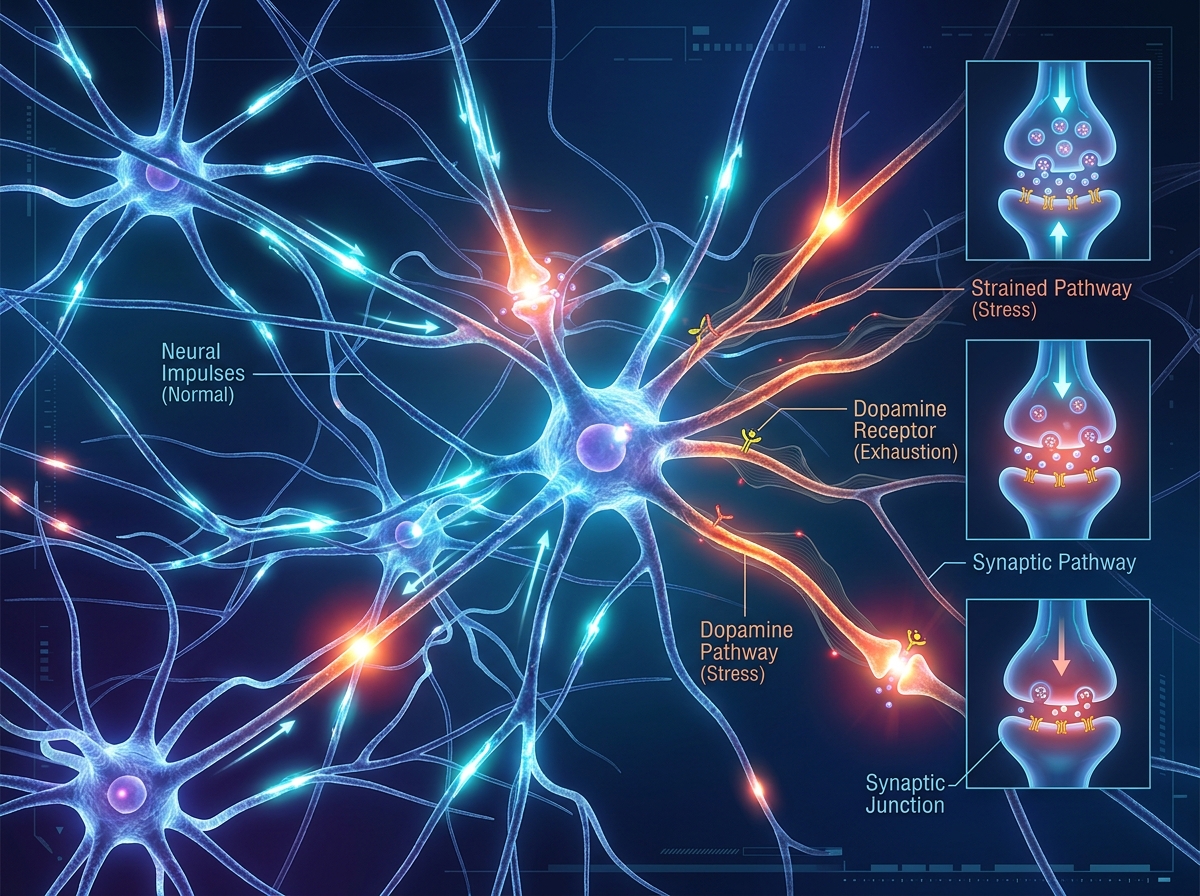
Your brain relies on precise chemical messengers like dopamine to coordinate smooth, balanced muscle movements across your body.
So, what factors contribute to the breakdown of these vital movement-control pathways?
The Common Contributors
Degeneration of Dopaminergic Neurons: Progressive loss of specialized cells in the substantia nigra region of the brain leads to a sharp drop in dopamine production.
Accumulation of Lewy Bodies: Abnormal clumps of the alpha-synuclein protein accumulate inside brain cells, disrupting normal cellular communication.
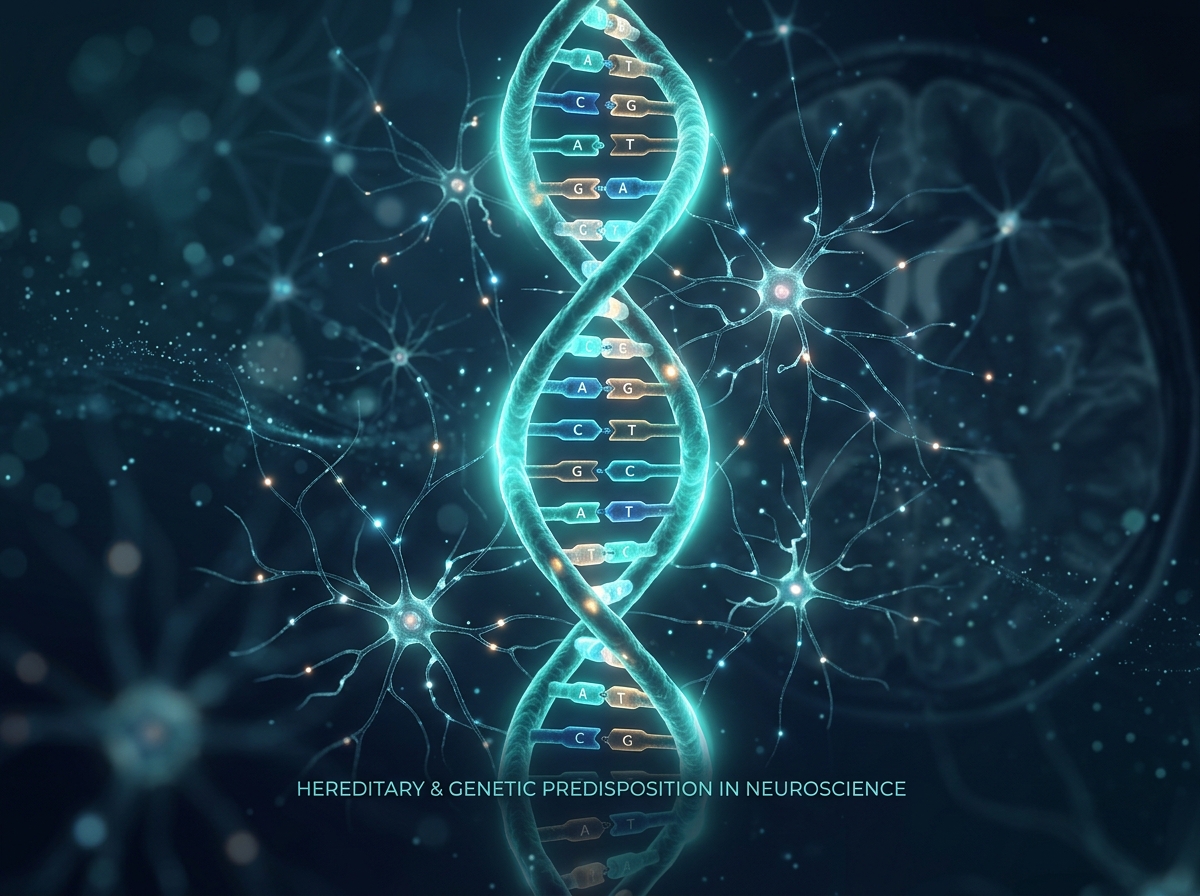
Genetic Susceptibility: Specific genetic markers and family health patterns can increase vulnerability to progressive nerve degeneration.
Environmental Toxin Exposure: Long-term exposure to certain agricultural pesticides, industrial chemicals, or heavy metals can trigger oxidative stress in nerve tissue.
Neuroinflammation and Free Radical Damage: Chronic, unmanaged inflammation in brain tissues damages delicate neural structures over time.
Severe Vata Aggravation & Tissue Dryness (Rukshata): Chronic stress, poor nutrient intake, and aging lead to severe Vata imbalance, causing degeneration in nervous tissues (Majja Dhatu).
The cause matters because movement disorders affect every person differently. Identifying your specific symptoms and constitutional state helps tailor a much clearer path toward support.
Parkinson's Symptoms You Shouldn't Ignore
Parkinson's symptoms often begin gradually, but specific physical cues deserve close observation.
Watch out for:
Tremors at Rest: Involuntary shaking or "pill-rolling" motions in the hands, fingers, chin, or legs when the limbs are at rest.
Slowed Movement (Bradykinesia): Everyday tasks like buttoning a shirt, getting out of a chair, or walking take significantly more time and effort.
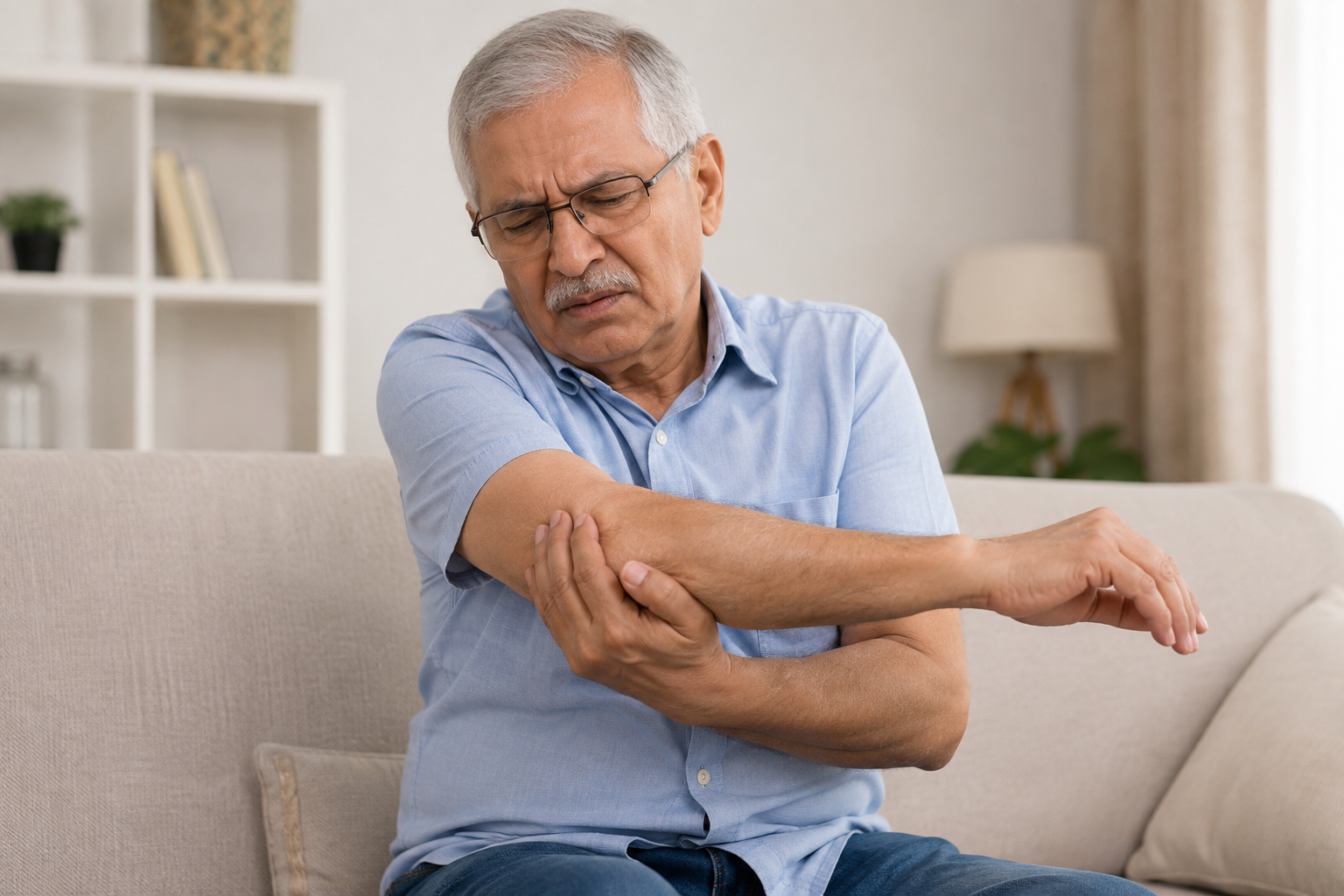
Muscle Stiffness (Rigidity): Muscle tightness or stiffness in the arms, legs, or neck, often accompanied by a reduced arm swing while walking.
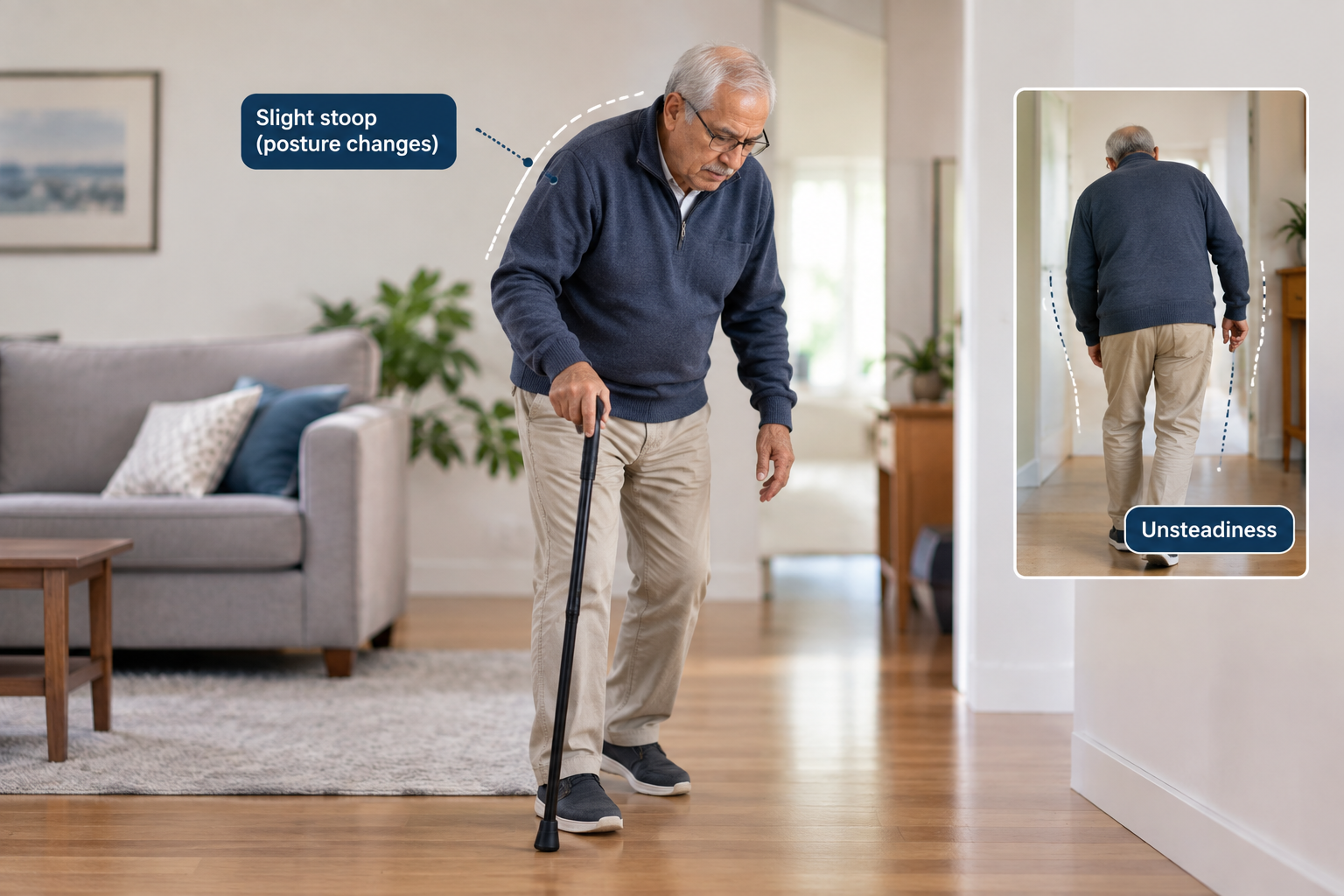
Postural Instability and Loss of Balance: Unsteadiness, stooped posture, or difficulty maintaining balance when turning or walking.
Changes in Speech and Handwriting: Voice becoming softer, monotone, or slurred, alongside noticeably smaller handwriting (micrographia).
Loss of Automatic Movements: Reduced blinking, smiling, or natural body movements during casual conversation.
Persistent Constipation: Sluggish bowel movements occurring long before noticeable motor symptoms appear.
Sudden severe falls, acute inability to swallow liquids or food, sudden confusion, or severe physical freezing that prevents walking requires immediate medical evaluation.
How We Assess Patients at Karma Ayurveda
When someone consults us seeking Parkinson's treatment in Ayurveda, our initial step is never just asking, "How bad are the tremors?"
We focus on understanding how movement shifts are affecting your daily life and what steps will best support nervous system stability and physical strength.
Understanding Your Symptoms: We discuss when movement shifts began, which side of the body was affected first, how sleep patterns are performing, and how daily tasks feel.
Looking at Your Medical Reports: If you have existing neurology notes, brain scans, or ongoing prescriptions (like Levodopa), we review them carefully. We align our supportive care smoothly alongside conventional care.
Understanding Your Lifestyle: We evaluate your daily eating habits, physical activity levels, digestion quality, bowel consistency, and sleep routines.
The Ayurvedic Assessment: We assess Vata dosha levels, the degree of Majja (nervous) tissue degeneration, digestive capacity (Agni), and metabolic waste accumulation (Ama).
Creating an Individualized Plan: Once the whole picture is clear, we design a customized care routine combining nerve-nourishing herbs, oil applications, easy-to-digest nutrition, and lifestyle guidance.
The goal is to build a practical, comforting routine that aids nervous system stability, supports mobility, and promotes daily peace of mind.
Ayurvedic Therapies Commonly Used for Neurological Support
Depending on your physical strength, condition stage, and clinical assessment, Ayurvedic care uses classical strategies aimed at pacifying aggravated Vata and nourishing brain tissue.
These may include:
Medhya Rasayana & Brimhana Support: Rejuvenative herbal strategies designed to nourish nervous tissues (Majja Dhatu), support brain signaling, and rebuild vital energy (Ojas).
Targeted Herbal Support: Time-honored herbs like Kapikacchu (Mucuna pruriens; a natural source of L-Dopa used under supervision), Ashwagandha (for muscle strength and nerve support), Brahmi (for brain cell protection), Shankhpushpi (for calming nervous tension), and Jatamansi (for sleep and mood balance).
Shirodhara Therapy: Gentle, continuous pouring of warm medicated herbal oil over the forehead to soothe the nervous system, reduce tremors, and manage anxiety.
Abhyanga (Warm Oil Massage): Gentle full-body oil massage using Vata-pacifying oils (like Mahanarayana or Kshirabala Taila) to ease muscle stiffness, improve circulation, and calm tremors.
Basti Therapy (Nourishing Enemas): Classical rectal administration of medicated oils and herbal decoctions, traditionally considered the most effective Ayurvedic therapy for balancing Vata at its root in the colon.
Nourishing Vata-Pacifying Diet: Incorporating healthy fats, warm soups, and grounding meals to ease bowel movements and nourish nervous tissues.
Therapies are selected with extreme care and tailored to individual strength, ensuring a safe and comforting experience.
What Can You Do at Home to Support Your Movement?
Managing a progressive movement condition requires thoughtful daily habits to preserve energy and maintain physical safety:
Eat Warm, Easy-to-Digest Meals: Choose freshly cooked, warm, and soft foods spiced mildly with cumin, ginger, and turmeric to support sluggish digestion (Agni).
Include Healthy Fats Daily: Add modest amounts of pure cow ghee, crushed walnuts, and sesame seeds to daily food, as healthy fats nourish nervous tissue (Majja Dhatu).
Address Constipation Early: Drink warm water throughout the day, include fiber-rich cooked vegetables, and consult your practitioner about gentle bowel support like Triphala.
Practice Gentle, Daily Movement: Engage in light walking, gentle stretching, or specialized physical therapy exercises daily to maintain joint flexibility and muscle strength.
Ensure a Fall-Safe Living Space: Keep floors clutter-free, secure loose rugs, install bathroom grab bars, and ensure proper home lighting to maintain stability.
Pace Your Daily Activities: Give yourself extra time for routine tasks like dressing or eating so you don't feel rushed, which can temporarily increase tremors.
Practice Deep Breathing (Pranayama): Simple, gentle breathing routines help calm nervous system hyperarousal and lower stress-induced muscle stiffness.
And one critical reminder: Never stop, reduce, or alter your prescribed conventional Parkinson's medications (such as Levodopa combinations) abruptly without consulting your neurologist. Ayurvedic care works best as a supportive, integrative partner.
Can Ayurveda Support Parkinson's Management?
Ayurveda provides a natural, time-tested approach to managing age-related neurological and movement conditions like Parkinson's (Kampa Vata). By focusing on root issues like aggravated Vata, nervous tissue dryness (Majja Dhatu), and sluggish digestion, it supports the nervous system's overall function.
The realistic objective of Ayurvedic Parkinson's care is to help reduce muscle rigidity, calm resting tremors, improve digestive regularity, manage sleep issues, and enhance overall quality of life.
This is why searching online for a quick Ayurvedic cure for Parkinson's or taking raw herbal powder blends without expert guidance is unsafe. Neurological health requires carefully measured protocols tailored to your digestive strength and prescription details.
An experienced practitioner can evaluate your health state and build a safe, personalized protocol alongside your ongoing primary medical care.
When Should You See a Specialist?
Movement conditions require careful clinical monitoring to track disease progression, adjust care, and ensure physical safety.
Seek medical evaluation if:
- Tremors, stiffness, or movement slowness progress rapidly over a short period.
- You experience frequent loss of balance, sudden freezing while walking, or unexplained falls.
- Swallowing food or liquids becomes difficult or causes frequent choking.
- You notice severe mood changes, vivid nightmares, hallucinations, or memory confusion.
- Dizziness or lightheadedness occurs when standing up (orthostatic hypotension).
- Caregivers feel overwhelmed and require guidance on safety devices and physical support.
If you are looking for an Ayurvedic Parkinson's specialist near me, choose a qualified practitioner who understands neurological conditions, respects conventional care, and offers honest, safe guidance.
Preserving Movement, Balance, and Independence
Our brain and nervous system work together seamlessly to help us walk, hold a cup, speak with friends, and move through life with ease.
When a progressive neurological condition begins to affect physical movement and balance, facing those daily shifts can feel overwhelming for both the individual and their family. It impacts routines, confidence, and daily independence.
The encouraging truth is that managing neurological health is not just about medical reports; it is about keeping nervous tissues nourished, protecting digestion, managing physical comfort, and maintaining personal dignity every day.
At Karma Ayurveda, our focus is on understanding the individual behind the diagnosis and building a gentle, practical plan tailored to your body's specific needs.
If you are exploring Ayurvedic Parkinson's treatment, the goal is not to chase unrealistic claims. It is to protect your movement, support daily balance, and walk this path with clarity, care, and comfort.