



























Ayurvedic Polycystic Kidney Disease Treatment: Supporting Kidney Health and Everyday Wellbeing
Hearing that your kidneys have cysts can naturally raise a lot of questions.
Are the cysts dangerous? Will they grow? Can they affect creatinine? What should you eat? And perhaps the biggest question of all; what can actually be done?
Polycystic Kidney Disease is different from many other forms of kidney disease because it is strongly connected to genetics.
The two main forms are autosomal dominant polycystic kidney disease (ADPKD), which is the more common form, and autosomal recessive polycystic kidney disease (ARPKD), which is much less common and often appears earlier in life.
PKD can affect more than the kidneys. Some people may also develop high blood pressure, kidney stones, urinary tract infections, liver cysts, or other complications.
At Karma Ayurveda, when someone approaches us looking for Ayurvedic Polycystic Kidney Disease treatment, we begin by understanding the person's complete health picture.
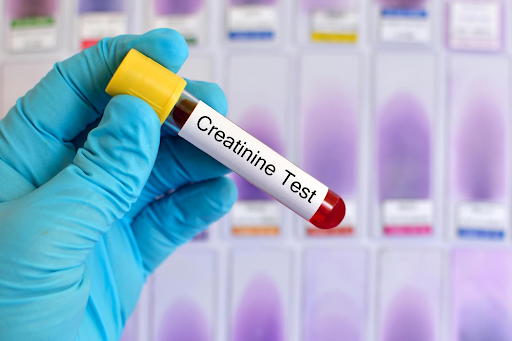
We review kidney reports, creatinine, eGFR, urine findings, blood pressure, imaging such as ultrasound or other scans, symptoms, medications, family history, diet, digestion, hydration habits, and lifestyle.
We also consider the stage and severity of kidney involvement.
Our Ayurvedic assessment may look at traditional factors such as Dosha balance, digestion, metabolism, bowel habits, urinary patterns, strength, and overall constitution.
This helps us create an individualized supportive plan rather than treating every person with PKD in exactly the same way.
Most importantly, we believe PKD should be monitored medically. Ayurvedic care should complement appropriate nephrology care rather than replace it.
What Exactly Causes Polycystic Kidney Disease?
Unlike CKD caused by conditions such as uncontrolled blood pressure or diabetes, PKD is primarily a genetic disorder.
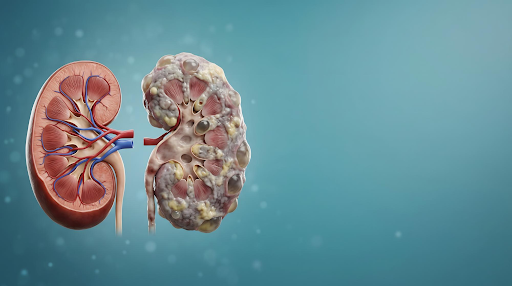
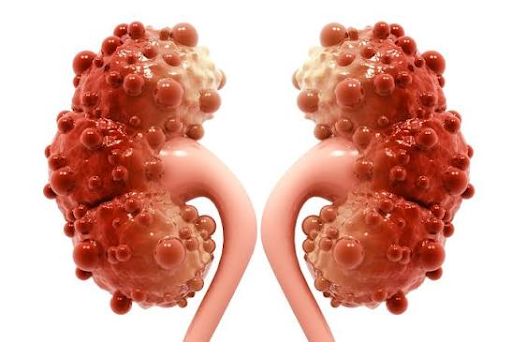
Changes, or mutations, in specific genes can interfere with the normal development and function of kidney cells. This can lead to the gradual formation and enlargement of cysts.
In ADPKD, changes most commonly involve the PKD1 or PKD2 genes.
In ARPKD, the condition is usually associated with changes in the PKHD1 gene.
Because these genetic changes can run in families, understanding family history can be particularly important.
The Common Contributors
Genetic Changes: PKD develops because of inherited or, in some cases, newly occurring genetic changes.
Family History: A parent with ADPKD can pass the condition to a child.
Cyst Growth: Existing cysts can gradually enlarge and place pressure on surrounding kidney tissue.
High Blood Pressure: Hypertension is common in PKD and can contribute to further kidney damage.
Recurrent Kidney Infections: Repeated urinary or kidney infections may add to complications.
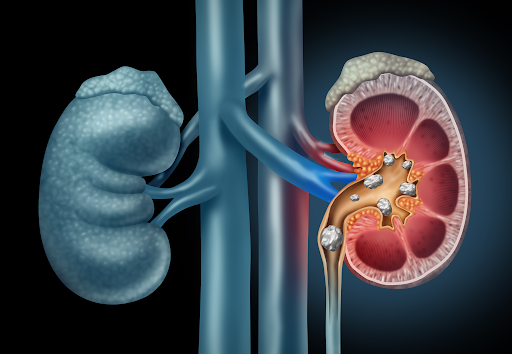
Kidney Stones: Some people with PKD have an increased tendency to develop kidney stones.
Age and Disease Progression: In ADPKD, cyst burden and kidney size may increase over time, although the rate varies considerably from person to person.
From an Ayurvedic perspective, traditional assessment may also consider disturbances involving Doshas, digestion, metabolism, tissue nourishment, and urinary function. These concepts do not replace genetic or medical evaluation of PKD.
Polycystic Kidney Disease Symptoms You Shouldn't Ignore
PKD can remain unnoticed for years, particularly in its earlier stages.
When symptoms develop, they may include:
High Blood Pressure: This can sometimes be one of the earliest noticeable problems.
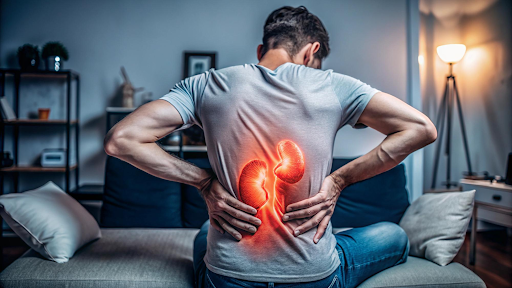
Back or Side Pain: Enlarged kidneys or cyst-related complications may cause discomfort in the back, abdomen, or sides.
Blood in the Urine: Cysts or other kidney-related problems can sometimes cause visible or microscopic blood in the urine.
Frequent Urination: Changes in kidney function or urinary problems may affect urination patterns.
Urinary Tract Infections: Some people experience repeated urinary infections.
Kidney Stones: Stones can cause severe pain, nausea, blood in the urine, or difficulty passing urine.
Abdominal Fullness: Enlarged kidneys or liver cysts may create a feeling of fullness or pressure.
Swelling: Fluid retention may occur as kidney function becomes impaired.
Fatigue: Reduced kidney function and associated complications can contribute to persistent tiredness.
Nausea or Appetite Changes: These may become more noticeable in advanced kidney disease.
Changes in Kidney Function: Rising creatinine or declining eGFR can indicate worsening kidney function.
Seek urgent medical care for severe sudden abdominal or flank pain, heavy blood in the urine, fever with urinary symptoms, inability to urinate, severe shortness of breath, confusion, seizures, or rapidly worsening swelling.
How We Assess Patients at Karma Ayurveda
When someone consults us for Ayurvedic treatment for Polycystic Kidney Disease, we look beyond the presence of cysts alone.
1. Reviewing Kidney Reports
We examine available creatinine, eGFR, urine tests, electrolytes, hemoglobin, and other relevant investigations.
2. Understanding Imaging
Ultrasound, CT, MRI, or other imaging reports can help provide information about cysts, kidney size, and related findings.
3. Looking at Blood Pressure
Blood pressure management is particularly important in PKD because uncontrolled hypertension can place additional strain on the kidneys.
4. Understanding Symptoms
Pain, urinary changes, infections, swelling, fatigue, digestive complaints, and other symptoms are discussed.
5. Reviewing Family History
Because PKD is frequently inherited, family history can provide important context.
6. Reviewing Medicines
We discuss prescription medicines, painkillers, supplements, and herbal products to identify anything that may require medical review.
7. Ayurvedic Assessment
Traditional assessment may include Dosha patterns, digestion, bowel habits, urinary function, sleep, lifestyle, and overall strength.
8. Creating an Individualized Support Plan
The final approach depends on kidney function, symptoms, complications, medical treatment, and the person's overall condition.
Ayurvedic Therapies Commonly Used for Polycystic Kidney Disease Support
There is an important distinction here.
Ayurvedic therapies may be used to support overall wellbeing and certain symptoms, but they should not be presented as a proven method to remove inherited kidney cysts or reverse the genetic cause of PKD.
Depending on the individual's health and medical status, supportive approaches may include:
Shamana Chikitsa: Individualized Ayurvedic support may be considered according to the person's symptoms, digestion, strength, and overall condition.
Dietary Guidance: Food choices may be adapted according to kidney function, blood pressure, diabetes, electrolyte levels, nutritional needs, and other medical considerations.
Selected Herbal Support: Certain traditional herbs may be considered in individualized Ayurvedic care, but their safety and suitability need to be assessed carefully in people with impaired kidney function.
Abhyanga: Gentle oil massage may be considered for relaxation and physical comfort when appropriate.
Gentle Movement: Suitable yoga, walking, stretching, and other low-impact activities may support mobility and general wellbeing.
Digestive Support: Maintaining appropriate meal timing, bowel regularity, and healthy food habits may form part of the broader Ayurvedic approach.
Intensive cleansing therapies or herbal formulations should never be undertaken simply because someone has PKD. The therapy must be appropriate for the person's kidney function and overall health.
What Can You Do at Home to Support Kidney Health?
With PKD, there is no single magic food that makes cysts disappear. If someone promises one, your eyebrows are allowed to go up.
Instead, focus on sustainable habits:
Monitor Blood Pressure: Regular monitoring is particularly important in PKD.
Follow Your Medical Plan: Take prescribed medicines consistently and attend recommended appointments.
Follow an Individualized Diet: Sodium, protein, potassium, phosphorus, and fluid requirements can vary depending on kidney function and laboratory results.
Limit Excess Salt: High sodium intake can contribute to high blood pressure and fluid retention.
Maintain Healthy Activity: Choose safe, regular physical activity appropriate for your condition.
Avoid Unnecessary NSAIDs: Frequent use of certain painkillers can be harmful to the kidneys.
Stay Hydrated Appropriately: Do not force excessive amounts of water unless specifically advised. Fluid needs vary, particularly in people with advanced kidney disease or other medical conditions.
Maintain a Healthy Weight: Gradual, sustainable weight management can support cardiovascular and metabolic health.
Avoid Random Herbal Products: Natural does not automatically mean kidney-safe.
Keep Monitoring Kidney Function: Regular creatinine, eGFR, urine tests, blood pressure, and imaging when recommended can help track changes.
If you have PKD, do not stop prescribed medicines or change your fluid, protein, or salt intake drastically without discussing it with your healthcare professional.
Can Ayurveda Support Polycystic Kidney Disease Management?
Ayurveda may be considered as complementary support for people living with PKD, particularly through individualized nutrition, lifestyle guidance, digestive support, relaxation-oriented therapies, and general wellbeing measures.
However, there is no established Ayurvedic cure that removes the genetic cause of Polycystic Kidney Disease or reliably eliminates established kidney cysts.
This is an important point to understand.
PKD is a genetic condition, and cyst growth and kidney function need appropriate medical monitoring.
In some people, PKD progresses slowly. In others, kidney function may decline more significantly over time.
Medical care may include blood pressure management, monitoring kidney function, managing infections or stones, addressing complications, and; when appropriate; specialist treatments designed to slow disease progression.
Ayurvedic care, when chosen, should fit alongside this medical framework.
At Karma Ayurveda, our focus is therefore on individualized supportive care rather than promising that an inherited condition can simply be "cured."
When Should You See a Specialist?
Regular medical follow-up is important if you have PKD, even when you feel perfectly fine.
Consider consulting a nephrologist or qualified medical professional if:
- Your creatinine is rising or eGFR is falling.
- Your blood pressure is consistently high.
- You experience repeated urinary or kidney infections.
- You notice blood in your urine.
- You develop persistent or severe abdominal, back, or side pain.
- You have symptoms of kidney stones.
- You develop new or worsening swelling.
- You notice major changes in urination.
- You experience persistent nausea, fatigue, itching, or appetite loss.
- You have been diagnosed with PKD and want to understand your long-term monitoring plan.
If you are looking for an Ayurvedic Polycystic Kidney Disease specialist, choose a qualified practitioner who is willing to review your medical reports and work alongside appropriate kidney care.
Supporting Kidney Health With PKD
Living with Polycystic Kidney Disease can sometimes feel like carrying around a question mark.
You may feel completely normal while a scan shows cysts. Your reports may change gradually. Family members may have different experiences. And naturally, you may wonder what you can do to protect your kidneys for as long as possible.
The first step is understanding that PKD is a genetic condition; not something caused simply by eating the wrong food for a few months.
At Karma Ayurveda, our approach to Ayurvedic Polycystic Kidney Disease treatment begins with understanding the individual's complete health picture.
We consider kidney reports, imaging, symptoms, blood pressure, family history, diet, digestion, lifestyle, medications, and traditional Ayurvedic assessment before developing an individualized supportive plan.
The goal is not to promise that inherited kidney cysts can simply disappear.
It is to support healthier daily habits, nutritional wellbeing, symptom management, and quality of life while ensuring that important kidney monitoring and medical care are not overlooked.
Because with a long-term condition like PKD, consistency matters.
Regular monitoring.
Appropriate food choices.
Healthy blood pressure.
Safe physical activity.
Responsible use of medicines and supplements.
And professional guidance whenever something changes.
Good kidney care is not about chasing a miracle. It is about understanding your condition and taking the right steps, consistently, for the long term.