













































Ayurvedic Psoriasis Treatment: Supporting Skin Immunity and Deep Tissue Detox
Before we explore why skin cells multiply rapidly, let's talk about how we approach the person experiencing those physical symptoms.
At Karma Ayurveda, we do not believe that every individual dealing with psoriasis needs a generic, copy-paste ointment or diet chart. Two people can walk into a consultation with a psoriasis diagnosis, yet have completely different triggers, scaling patterns, digestive strengths, and emotional stress levels.
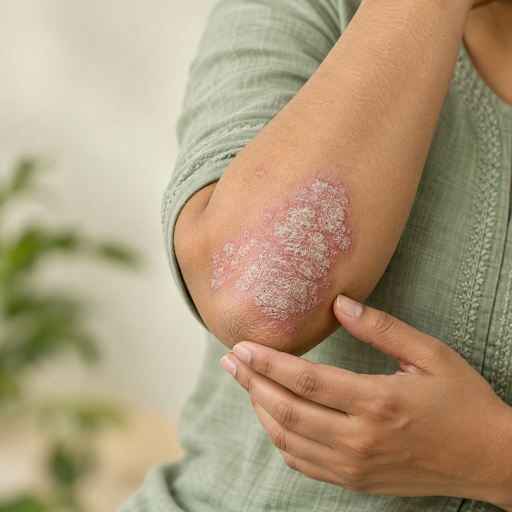
One person may experience dry, silvery, raised patches on their elbows and knees that flare up during colder months. Another may deal with red, inflamed patches with intense itching that worsens after eating spicy or fermented foods. Someone else may have scalp scaling or joint pain alongside skin irritation.
That is why our approach to Ayurvedic treatment for psoriasis focuses on understanding the individual as a whole rather than viewing a skin patch in isolation.
We evaluate your specific symptoms, daily diet, digestion quality (Agni), stress patterns, and medical history before recommending a care plan. The goal is to make Ayurvedic care practical and effective; because a regimen that creates undue lifestyle stress isn't sustainable for long-term skin health.
Many individuals exploring Ayurvedic psoriasis treatment in India seek personalized care that addresses root-level immune imbalances, purifies the blood, and rebuilds healthy skin from within.
What Exactly Causes Psoriasis Flares?
While psoriasis is driven by immune system dysfunction, specific internal and external factors trigger or worsen skin cell overproduction.
The Common Contributors
Immune Dysregulation: T-cells mistakenly attack healthy skin cells, triggering rapid cell proliferation and localized inflammation.
Genetic Predisposition: Specific inherited genetic markers increase susceptibility to autoimmune skin responses.
Stress and Anxiety: High stress releases cortisol and inflammatory chemicals that directly trigger skin flare-ups.
Dietary Incompatibilities (Viruddha Ahara): Consuming opposing food combinations (like milk with fish or heavy citrus) generates toxic metabolic waste (Ama) that congests blood pathways.
Environmental & Seasonal Shifts: Cold, dry weather strips moisture from the skin barrier, while sudden climate changes can provoke sudden flares.
Skin Trauma (Koebner Phenomenon): Cuts, scratches, sunburns, or insect bites can cause new psoriasis patches to form at the site of injury.
Identifying your personal triggers helps tailor a much clearer path toward long-term relief and prevention.
Psoriasis Symptoms You Shouldn't Ignore
Skin changes in psoriasis vary depending on the type and severity, but key signs include:
Raised Red Patches: Inflamed, swollen patches of skin covered with thick, silvery scales.
Dry, Cracked Skin: Deeply dry skin that may crack, bleed, or burn.
Intense Itching or Soreness: Persistent itching around plaques that worsens with heat or tight clothing.
Scalp Scaling: Thick, dandruff-like flakes or encrusted plaques along the hairline and scalp.
Nail Changes: Pitted, thickened, or discolored fingernails and toenails that may separate from the nail bed.
Stiff, Swollen Joints: Painful or swollen joints (psoriatic arthritis) accompanying skin patches.
Sudden widespread skin redness covering most of the body, severe fever with pus-filled blisters, or intense joint swelling requires immediate medical evaluation.
How We Assess Patients at Karma Ayurveda
When someone consults us seeking psoriasis treatment in Ayurveda, our initial step is never just applying a topical cream.
We focus on understanding why toxins are accumulating in your skin and blood tissues and how your digestion and immune health are functioning.
Understanding Your Symptoms: We evaluate where patches appear, how frequently scaling occurs, and how itching impacts your daily comfort.
Reviewing Your Medical History: We review prior dermatology notes, topical steroid usage, and blood work to ensure integrated, safe care.
Understanding Your Lifestyle: We assess daily diet choices, digestion speed, sleep habits, and stress levels.
The Ayurvedic Assessment: We determine your primary Dosha imbalance (Vata, Pitta, or Kapha), evaluate metabolic waste (Ama), and check blood tissue vitality (Rakta Dhatu).
Creating an Individualized Plan: Once the assessment is complete, we craft a personalized protocol combining blood-purifying herbs, external soothing oils, and gut-restoring dietary guidance.
The goal is to calm skin inflammation from the inside out and reduce flare frequency naturally.
Ayurvedic Therapies Commonly Used for Psoriasis Care
Depending on individual constitution, disease severity, and skin presentation, Ayurvedic care utilizes classical therapies to detoxify the blood and soothe inflammation:
Rakta Shodhana (Blood Purification Support): Internal herbal formulations designed to clear circulating toxins (Ama) and balance blood tissue quality.
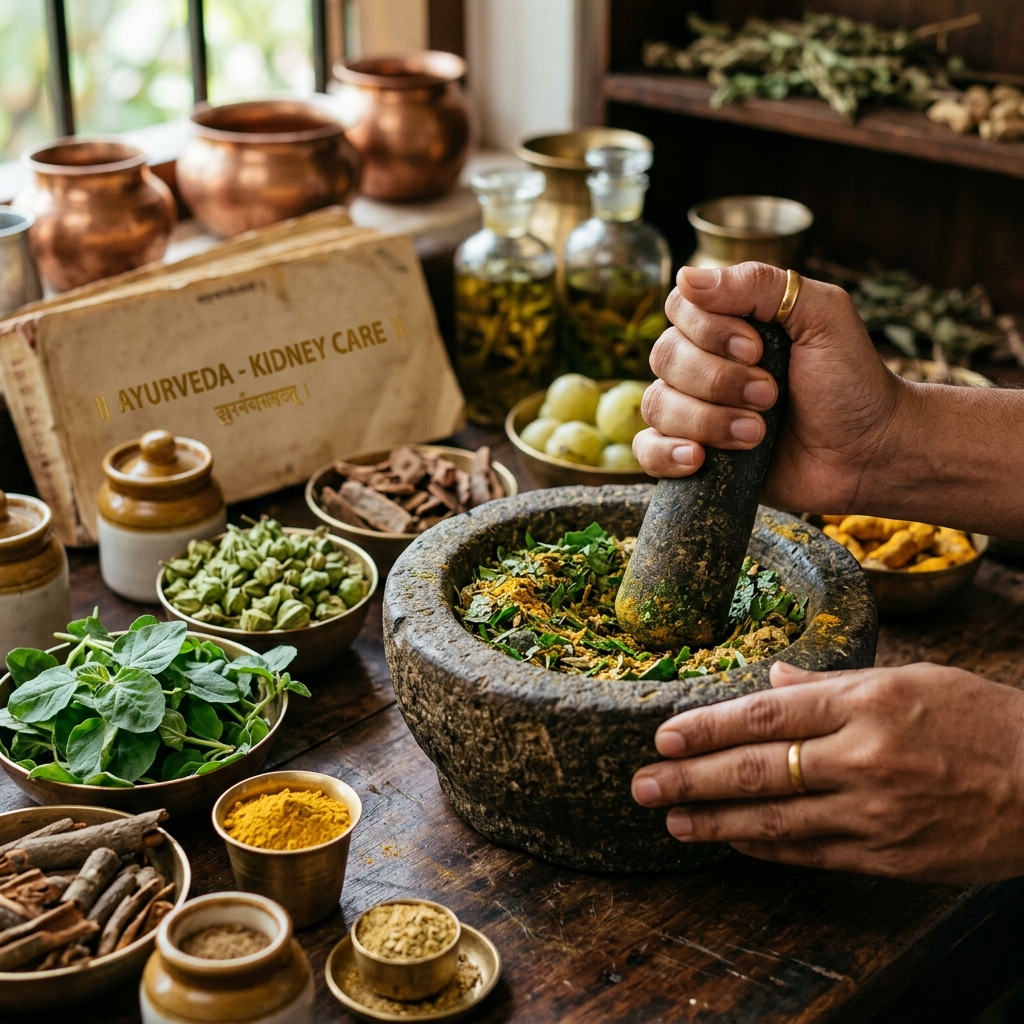
Targeted Herbal Support: Time-honored herbs including Neem (for anti-inflammatory and blood-purifying properties), Manjistha (for systemic skin detox), Turmeric/Curcumin (for immune modulation), Khadir (for skin barrier repair), and Guduchi (for balancing immune responses).
Virechana (Therapeutic Purgation): Guided Panchakarma detox to flush excess Pitta and heat toxins from the liver and digestive tract.
Takradhara (Medicated Buttermilk Drip): Continuous pouring of herbalized buttermilk over the forehead or affected areas to deeply calm Vata, manage stress, and ease burning sensations.
Abhyanga & Lepana (Topical Oil & Paste Applications): Applying soothing herbalized oils like 777 Oil (Wrightia tinctoria) or coconut-based pastes to hydrate plaques and soften scaling.
Gut-Friendly Pitta-Kapha Diet: Emphasizing cool, light, non-acidic foods that soothe internal heat and restore healthy gut flora.
Therapies are selected carefully based on your skin condition to prevent aggravating sensitive skin tissue.
What Can You Do at Home to Support Your Skin?
Living with psoriasis requires mindful daily care to keep skin hydrated and prevent sudden flare-ups:
Keep Skin Deeply Hydrated: Apply natural moisturizers like virgin coconut oil, aloe vera gel, or pure cow ghee immediately after bathing to lock in moisture.
Avoid Incompatible Food Combinations: Refrain from mixing milk with sour fruits, fish, or salty snacks, as these combinations generate internal toxins (Ama).
Opt for Gentle, Soap-Free Cleansers: Avoid harsh chemical soaps or hot water baths that strip natural skin oils; use lukewarm water and mild herbal cleansers.
Incorporate Cooling, Bitters in Diet: Eat liver-supportive vegetables like bitter gourd (Karela), bottle gourd (Lauki), leafy greens, and cucumber.
Manage Stress Daily: Practice gentle Pranayama (like Anulom Vilom) or meditation, as nervous tension directly triggers skin flare-ups.
Wear Soft, Breathable Fabrics: Wear loose cotton clothing to prevent friction and irritation over active skin plaques.
Avoid Scratching or Peeling Scales: Let scales fall off naturally during oil application; peeling them forcibly causes skin trauma (Koebner effect).
Always consult your dermatologist before stopping any prescribed topical steroids or systemic medications. Ayurvedic care works best when integrated thoughtfully.
Can Ayurveda Support Psoriasis Management?
Ayurveda offers a time-tested, holistic approach to managing psoriasis by targeting internal imbalance rather than treating surface skin alone. By clearing metabolic waste (Ama), balancing blood health (Rakta Dhatu), and soothing nervous system stress, it helps control scaling and itching naturally.
The realistic objective of Ayurvedic psoriasis care is to reduce flare frequency, shrink plaque size, restore skin hydration, manage itching, and support long-term remission.
This is why searching online for a quick Ayurvedic cure for psoriasis and applying raw herbal pastes without expert advice can be risky. Sensitive skin requires balanced, carefully tested formulations.
An experienced practitioner can evaluate your skin condition and build a safe, personalized protocol tailored to your health needs.
When Should You See a Specialist?
Psoriasis requires ongoing monitoring to prevent severe flares and manage joint involvement early.
Seek medical evaluation if:
- Skin plaques cover large portions of your body or become intensely painful.
- You experience joint pain, stiffness, or swelling in your fingers, knees, or lower back.
- Psoriasis patches show signs of infection, such as pus, extreme warmth, or red streaks.
- Itching or pain severely disrupts your sleep and daily activities.
- Topical treatments cause burning, skin thinning, or increased redness.
If you are looking for an Ayurvedic psoriasis specialist near me, choose a qualified practitioner who understands autoimmune skin conditions, respects integrative dermatology, and offers clear, honest guidance.
Restoring Skin Comfort, Health, and Confidence
Our skin serves as a protective barrier and a reflection of our internal health.
When an autoimmune condition causes dry, scaly patches and persistent itching, managing those daily skin shifts can feel overwhelming. It affects your comfort, confidence, and daily peace of mind.
The encouraging news is that healing your skin is not just about hiding surface patches; it is about restoring internal immune balance, nourishing deep tissues, and clearing metabolic toxins naturally.
At Karma Ayurveda, our focus is on understanding the individual behind the diagnosis and building a gentle, practical care plan tailored to your body's specific needs.
If you are exploring Ayurvedic psoriasis treatment, the goal is not to chase temporary quick fixes. It is to calm your skin, support your immune health, and live comfortably with clarity and confidence.