

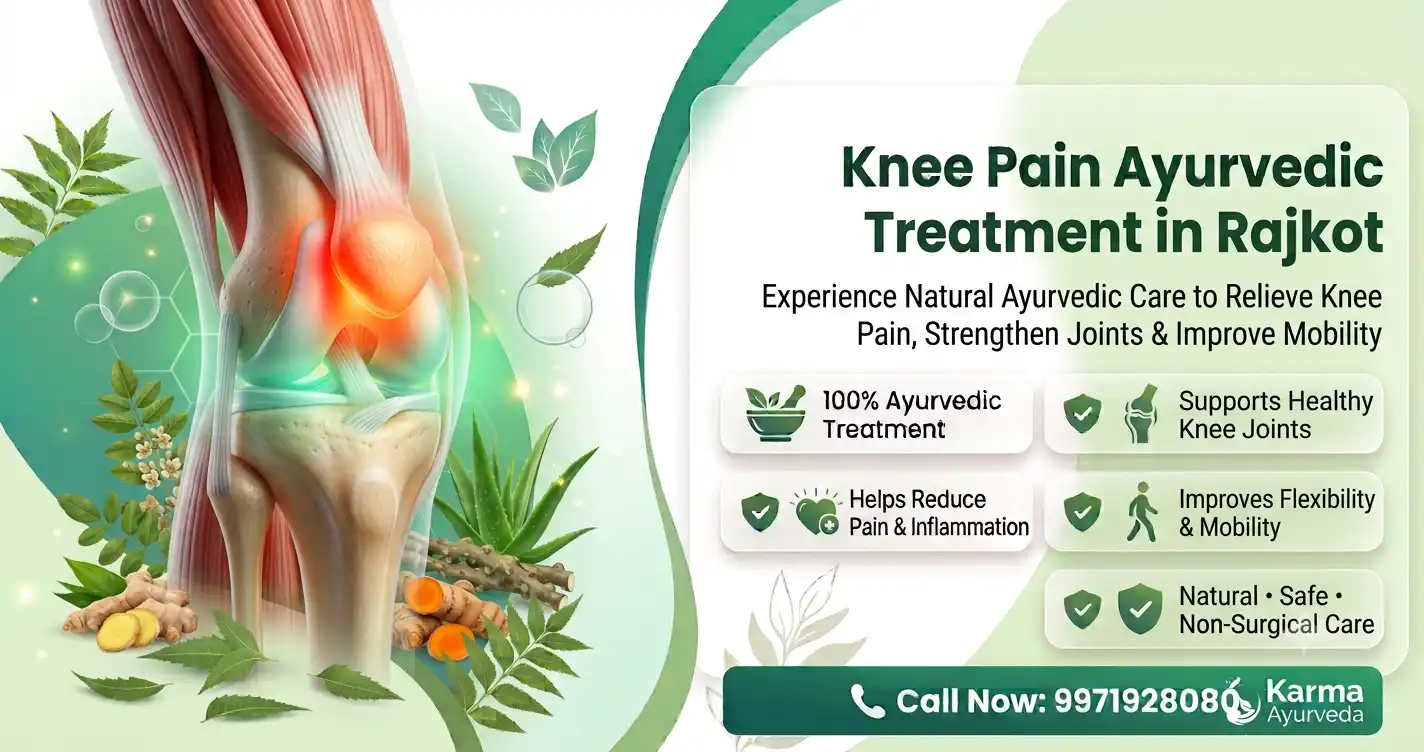
Knee Pain Ayurvedic Treatment in Rajkot
If you clicked on this blog, chances are your knees are making more popping sounds than a bag of microwave popcorn. Or maybe going down a flight of stairs feels like you are trying to scale Mount Everest backwards. Don’t worry; you are definitely not alone, and you are in the right place.
Today, we are taking a trip down to the vibrant city of Rajkot. Known for its delicious ghari, sweet pedas, and colorful textiles, Rajkot is full of life. But it is hard to enjoy a walk through Gujari Bazar when your joints feel like they are filled with broken glass. Fortunately, the ancient wisdom of Ayurveda has a lot to say about calming those cranky joints down.
Let's dive into how you can give your knees the royal treatment without immediately opting for heavy-duty surgery.
Understanding Why Your Knees Are Throwing a Tantrum
In Ayurveda, your body is governed by three energies or doshas: Vata, Pitta, and Kapha. Vata is the boss of all movement and is closely linked to air and space. When you get older, stress out, or eat too much dry, cold food, Vata goes into overdrive.
Think of Vata as a dry, harsh wind. When it gets trapped in your knee joint, it dries up the natural lubrication (the synovial fluid, or what your grandma calls gaddi). Once that fluid dries out, bone rubs against bone, and BAM; you get stiffness, swelling, and that lovely grinding sound. Therefore, the main goal of knee pain ayurvedic treatment is very simple: calm that wild Vata wind and bring back the moisture!
The Magic of Warm Oils and Healing Balms
If your car engine started making a horrible screeching sound, what would you do? You’d oil it! Your knees are no different.
Ayurveda loves herbal oils. If you visit a knee pain ayurvedic doctor, one of the first things they will suggest is a therapy called Janu Basti. This is where a small wall made of black gram dough is built around your knee, and warm, medicated oil is poured inside. It looks like your knee is enjoying a private, miniature swimming pool party. The oil deeply penetrates the tissues and nourishes the joint.
If you cannot make it to a clinic right away, you can look for a high-quality knee pain ayurvedic medicine like Mahanarayan Taila or Dhanwantharam Taila. Warm it up slightly, rub it gently over your joint in circular motions, and let the magic happen.
Quick and Easy Remedies from Your Own Kitchen
You don’t always need to run to a pharmacy to find relief. Sometimes, the best solutions are sitting right next to your spice box. Here are a few awesome knee pain home remedies that you can try tonight:
- The Golden Milk Elixir: Turmeric contains a compound called curcumin, which is a natural anti-inflammatory champion. Mix half a teaspoon of turmeric with a pinch of black pepper into warm milk and drink it before bed.
- The Ginger Compress: Ginger is great for circulation. Grate some fresh ginger, wrap it in a clean cloth, dip it in warm water, and press it against your aching knee. It feels like a warm hug for your joints.
- Epsom Salt Soaks: While not strictly traditional Ayurveda, soaking your feet or knees in warm water with Epsom salt delivers magnesium, which relaxes tired muscles around the joint.
Fueling Your Joints: The Ultimate Food Guide
You are what you eat, and if you are eating dry, crunchy, deep-fried snacks all day, your knees are going to pay the price. To lower Vata, you need foods that are warm, grounding, and naturally lubricating.
A proper knee pain diet plan should look something like this:
- Say Yes To: Warm vegetable soups, cooked grains like oats and rice, and healthy fats like cow's ghee or sesame oil. Ghee is like premium fuel for your joint lubrication.
- Say No To: Cold salads, icy drinks, carbonated beverages, and leftover foods. Also, go easy on potatoes, tomatoes, and brinjals, as they can sometimes aggravate joint inflammation.
Navigating Your Care Options in Rajkot
If your home care isn't quite cutting it, it’s time to call in the professionals. Finding a specialized knee pain hospital or wellness clinic can make a world of difference.
If you are looking for highly customized, holistic care that focuses on root-cause healing, Karma Ayurveda is a fantastic option to consider. While they originally built an incredible legacy around specialized kidney care, they have expanded beautifully into a full-scale Ayurvedic hospital setup. Their expert teams handle chronic conditions, including severe arthritis and joint issues, using authentic herbal formulations and traditional detox therapies like Panchakarma to flush out toxic buildup from the body.
Furthermore, if you or your family members are government employees or defense veterans living in the city, managing healthcare costs is super important. You’ll be glad to know that you can easily check out hospitals covered under the knee pain CGHS panel in Rajkot for central government employees. Similarly, veterans can look for specialized care covered under the knee pain ECHS panel in Rajkot. Utilizing these panels ensures you get top-tier medical attention without draining your hard-earned savings.
By combining the deeply restorative approach of knee pain treatment in ayurveda with the structured medical facilities available locally, you can create a recovery plan that keeps your legs moving and your spirit smiling.
FAQs
1. Can Ayurveda completely cure chronic knee pain?
While severe, bone-on-bone structural damage might require modern surgical intervention, Ayurveda is incredibly effective at reducing inflammation, restoring joint lubrication, managing pain, and halting further degeneration in early to moderate cases.
2. How long does it take to see results with Ayurvedic treatments?
Ayurveda is a journey, not a quick-fix pill. While topical oils can give fast temporary relief, noticeable, long-term improvement in joint mobility and pain reduction typically takes anywhere from 4 to 8 weeks of consistent treatment, diet, and lifestyle changes.
3. Is cow's ghee actually good for joint pain?
Yes! In Ayurveda, pure cow's ghee is considered an excellent internal lubricant. It helps balance the dry Vata dosha, reduces systemic inflammation, and aids in keeping your joints moving smoothly when consumed in moderation.
4. Can I use Ayurvedic knee remedies alongside my regular medications?
Generally, external treatments like herbal oil massages and dietary changes are safe to combine with conventional medicines. However, if you plan to take internal Ayurvedic herbal supplements, always consult your primary physician first to prevent any herb-drug interactions.
Contact Us
Location:
C-28, Ground Floor, Sector-12, Noida, Uttar Pradesh -201301