












































What Is Knee Pain?
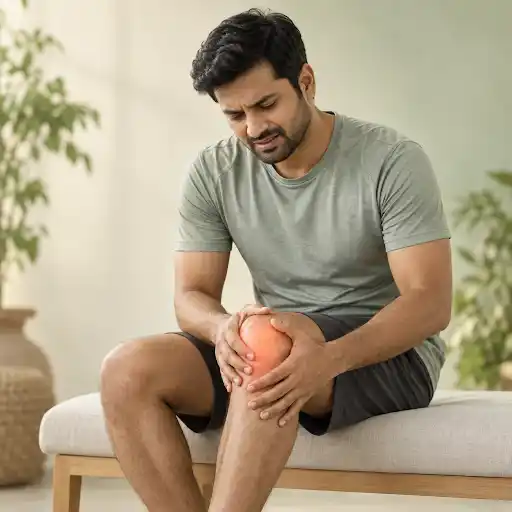
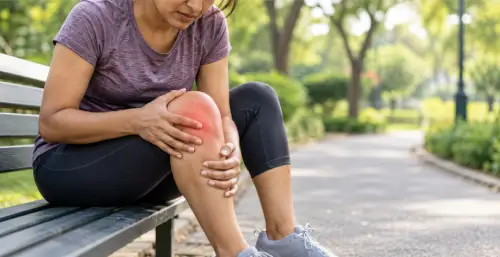
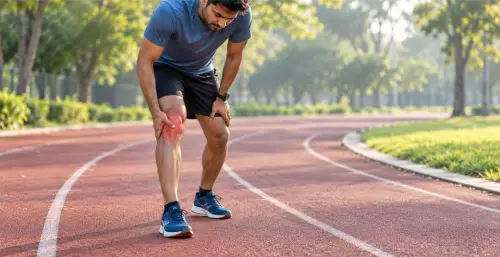
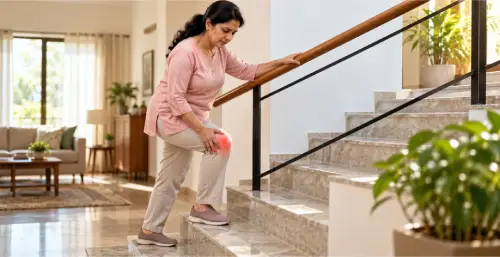
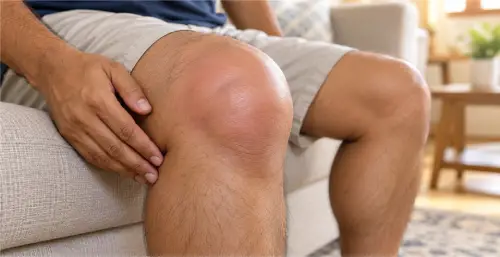
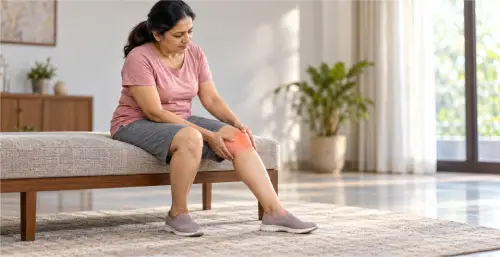
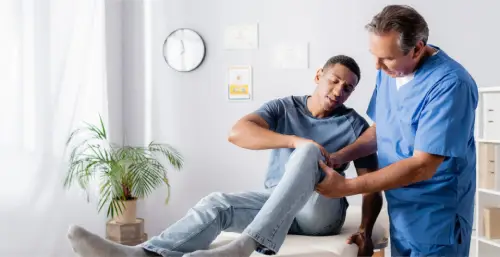
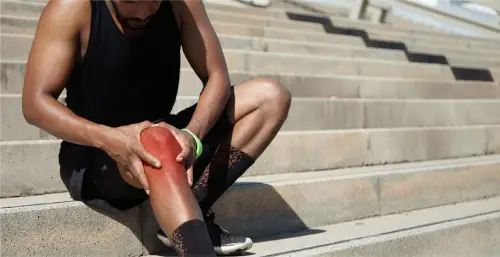
Knee pain is one of those problems that can turn very ordinary activities into surprisingly complicated missions. Sitting on the floor, climbing stairs, getting up from a chair, or even taking a morning walk can suddenly require a little planning.
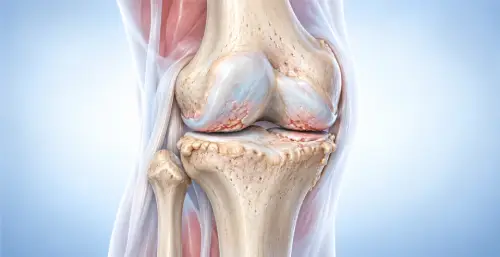
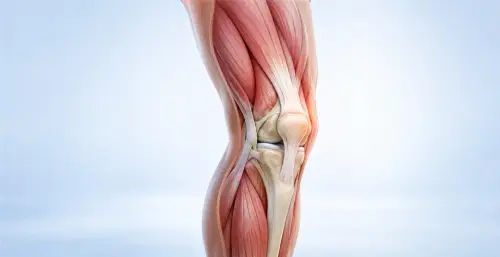
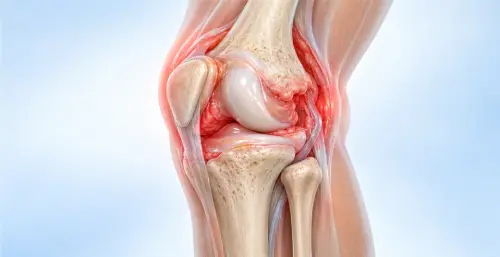
In simple terms, knee pain is discomfort around or inside the knee joint. It can happen because of an injury, age-related changes, excess weight, inflammation, overuse, or problems affecting the muscles, ligaments, cartilage, or other structures around the joint.
The Karma Ayurveda Edge
Before we dive into why your knees may be complaining, let's talk about how we approach the person experiencing that complaint.
At Karma Ayurveda, we don't believe that every person with knee pain needs the exact same approach. Two people can walk into a consultation with the same complaint but have very different reasons behind it.
One person may have developed discomfort after years of physically demanding work. Another may spend most of the day sitting at a desk. Someone else may have gained weight, stopped exercising, or simply noticed that their knees aren't as cooperative as they used to be.
That is why our approach to Ayurvedic treatment for knee pain focuses on understanding the individual rather than treating a symptom in isolation.
We look at your symptoms, medical history, lifestyle, food habits, activity levels and existing health reports before suggesting a care plan. The aim is to make Ayurvedic care practical enough to fit into real life; because a treatment plan that looks beautiful on paper but impossible on Monday morning isn't particularly useful.
Many people exploring Ayurvedic knee pain treatment in India look for personalized care that considers their overall health rather than focusing only on temporary relief.
What Exactly Causes Knee Pain?
Your knees put up with quite a lot.
They support your body while you walk, run, climb stairs, squat, stand, sit and occasionally attempt that ambitious move where you try to get up from the floor without using your hands.
So, what can make them hurt?
The Common Causes
Age-related joint changes: As we get older, the cartilage that cushions the knee may gradually become thinner. This can contribute to stiffness and discomfort.
Osteoarthritis: This is one of the common causes of persistent knee pain. It involves changes in the joint and can affect movement and flexibility.
Injuries: Falls, sports injuries, twisting movements, ligament injuries and other accidents can cause sudden knee discomfort.
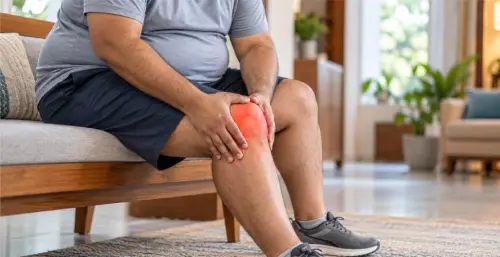
Excess body weight: Carrying additional weight can increase the mechanical load placed on the knees during everyday movement.
Muscle weakness: Weak muscles around the thighs and hips may provide less support to the knee, affecting movement and stability.
Overuse: Repetitive activities such as frequent squatting, climbing, running or physically demanding work can put additional stress on the joint.
Poor movement patterns: Sitting for long periods, incorrect exercise techniques or poor posture may contribute to discomfort.
Inflammatory conditions: Certain inflammatory joint conditions can cause pain, swelling and stiffness.
The cause matters because knee pain isn't one single condition. Treating every painful knee as though it has the same underlying problem would be a bit like treating every phone problem by turning it off and on again.
Sometimes it works. Often, it doesn't.
Knee Pain Symptoms You Shouldn't Ignore
Pain is obviously the main clue, but your knees can give you several other hints.
Watch out for:
Morning stiffness: Your knees feel particularly stiff after getting out of bed or after sitting for a long time.
Pain while climbing stairs: Going upstairs or downstairs becomes uncomfortable.
Difficulty sitting on the floor: Positions that were once effortless suddenly feel challenging.
Cracking or grinding sounds: You may notice popping, cracking or grinding sensations during movement.
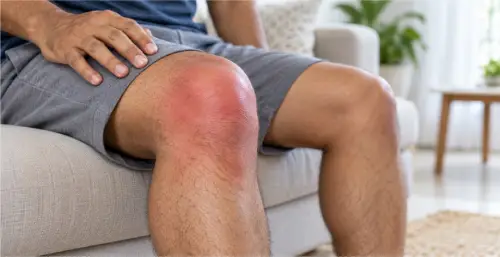
Swelling: The knee may appear puffy or feel swollen after activity.
Reduced flexibility: Bending or straightening the knee may become more difficult.
Pain after prolonged sitting: You stand up after sitting for an hour and your knees seem to need a few seconds to remember how legs work.
Weakness or instability: The knee may feel weak, shaky or as though it could give way.
Persistent pain, significant swelling, inability to put weight on the leg, severe injury, fever with a hot/swollen joint, or sudden inability to move the knee warrants medical evaluation.
How We Assess Patients at Karma Ayurveda
When someone comes to us looking for knee pain treatment in Ayurveda, the first step isn't simply asking, “Where does it hurt?”
We want to understand why the discomfort may be happening and what else is going on with the person.
Understanding Your Symptoms
We discuss when the pain started, where exactly you feel it, what makes it better or worse, whether there is swelling, and how the pain affects your everyday activities.
Looking at Your Medical Reports
If you've already had X-rays, blood tests, scans or other medical evaluations, these can provide useful information about your condition.
If you've already consulted an orthopedic doctor or another specialist, we consider the available medical information rather than asking you to forget everything you've previously been told.
Understanding Your Lifestyle
Your daily routine matters.
We may discuss:
- How much you walk or exercise
- How long you sit during the day
- Whether your work involves standing or physical activity
- Your sleeping routine
- Your body weight and movement habits
- How often you sit on the floor or squat
- Previous injuries
- Your usual diet
Sometimes the answer isn't hiding in a complicated medical report. Sometimes it's hiding in what you do for eight hours every day.
The Ayurvedic Assessment
Ayurveda considers factors such as your constitution, digestion, lifestyle and dosha balance while understanding joint-related complaints.
Vata is particularly associated with movement and the musculoskeletal system. When considering joint discomfort from an Ayurvedic perspective, practitioners may assess Vata-related factors alongside other aspects of the individual's health.
Creating an Individualized Plan
Once the overall picture is clearer, the care plan may involve a combination of dietary guidance, lifestyle changes, Ayurvedic medicines where appropriate, and therapies selected according to the individual's needs.
This is where Ayurvedic treatment for knee pain becomes more than simply taking a medicine and hoping the knees suddenly decide to cooperate.
The goal is to build a practical routine that supports mobility and joint health while addressing relevant lifestyle and dietary factors.
Ayurvedic Therapies Commonly Used for Knee Discomfort
Depending on the individual's condition and assessment, Ayurvedic care may include therapies traditionally used to support joint comfort and mobility.
These can include:
Abhyanga: A traditional oil massage approach that may be used as part of a broader Ayurvedic wellness plan.
Knee-focused therapies: Certain localized Ayurvedic therapies may be considered for people experiencing discomfort around the knee.
Swedana: Traditional herbal or steam-based therapies may be used in appropriate cases.
Dietary guidance: Food choices may be adjusted according to the person's condition and overall health.
Movement guidance: Gentle, appropriate movement can help maintain mobility without unnecessarily overloading painful joints.
Lifestyle support: Sleep, activity patterns, sitting habits and weight management may all be discussed.
Therapies aren't selected simply because they're traditional. They should be considered according to the individual's condition, health history and suitability.
What Can You Do at Home to Support Your Knees?
You don't have to completely redesign your life because your knee has started sending complaints to management.
A few practical habits can help:
- Maintain a healthy body weight.
- Choose low-impact activities such as walking or suitable exercises when appropriate.
- Avoid suddenly increasing exercise intensity.
- Give your knees adequate recovery after strenuous activity.
- Work on strengthening the muscles around the hips and thighs with appropriate guidance.
- Avoid staying in one position for extremely long periods.
- Use supportive footwear for your daily activities.
- Don't ignore persistent or worsening pain.
- Follow your healthcare professional's advice if you already have a diagnosed joint condition.
And one important point: exercise isn't automatically good just because it's exercise. If a particular movement causes significant pain, don't try to win an argument with your knee.
Can Ayurveda Support Knee Pain Management?
Ayurveda may be used as a complementary approach for some people dealing with knee discomfort, particularly when combined with appropriate lifestyle measures and medical guidance.
The exact approach depends on the underlying cause.
For example, someone with a minor overuse problem may need a very different plan from someone with long-standing osteoarthritis or a previous ligament injury.
This is also why searching online for an Ayurvedic remedy for knee pain and trying whatever appears first isn't necessarily the best idea. Natural doesn't automatically mean suitable for everyone.
A qualified practitioner can help determine what may be appropriate for your specific situation.
When Should You See a Doctor?
Not every knee ache requires immediate medical attention. But some symptoms deserve proper evaluation.
Seek medical care if:
- Pain is severe or persistent.
- The knee becomes significantly swollen.
- You cannot put weight on the leg.
- The knee locks or repeatedly gives way.
- Pain follows a significant injury.
- You have fever along with a hot, swollen knee.
- Your mobility is progressively getting worse.
- Pain continues despite rest and basic self-care.
If you are searching for a knee pain specialist near me, start by looking for a qualified healthcare professional who can evaluate the cause rather than simply focusing on pain relief.
For people specifically interested in Ayurveda, an Ayurvedic knee pain specialist can assess whether an Ayurvedic approach is appropriate alongside any conventional care you may already be receiving.
Taking Care of Your Knees Is a Long-Term Habit
Your knees don't usually ask for much attention when they're working properly.
You walk, climb stairs, sit, stand, travel, exercise and get on with your day without giving them a second thought. Then one morning, you stand up from the sofa and suddenly your knee has apparently filed a formal complaint.
That's often when people start paying attention.
The good news is that knee health isn't only about what you do after pain appears. Maintaining a healthy weight, staying appropriately active, eating a balanced diet, avoiding unnecessary strain and getting persistent symptoms evaluated can all play a role in supporting your joints.
At Karma Ayurveda, our approach is centered on understanding the person behind the symptom and developing an individualized plan based on their needs.
If you're exploring Ayurvedic knee pain treatment, the first step is not to chase a miracle remedy. It's to understand what may be contributing to your discomfort and then choose an appropriate path forward.