


























Welcome to Karma Ayurveda Hospital: Best Ayurvedic treatment for Cancer, Kidney Disease, Liver Disease, Diabetes, Heart Disease, Hypertension, Arthritis, Psoriasis, Eczema, Skin Disorders, Respiratory Disorders, Asthma, Digestive Disorders, Thyroid Disorders, Neurological Disorders, Mental Health Disorders, Infertility, Women's Health, Men's Health, Urinary Disorders, Obesity, Anaemia, Migraine, Eye Disorders, Hair & Scalp Disorders, Autoimmune Disorders, Sexual Health, and Panchakarma.

Karma Ayurveda Logo
Home/Kidney/Proteinuria

Ayurvedic Treatment & Care

Ayurvedic Treatment For Protein In Urine

Urine test comes back saying "protein detected"; should that worry you? Protein in the urine can sometimes be temporary, but when proteinuria sticks around, it can point to an underlying kidney issue. This page covers its causes, symptoms, urine protein levels, diet, and Ayurvedic treatment for proteinuria.

25+
Years of Experience
1,50,000+
Happy Patients
100%
Ayurvedic & Natural
🫘
Proteinuria

What Is Proteinuria?

The Core Definition: Proteinuria means an abnormal amount of protein is present in the urine.

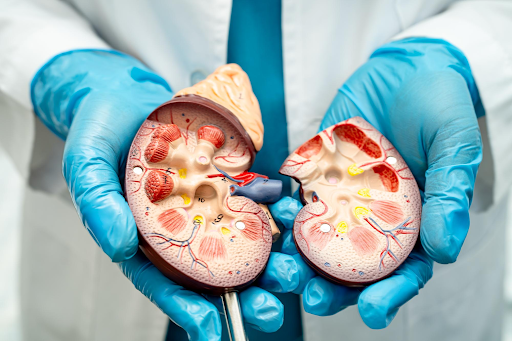
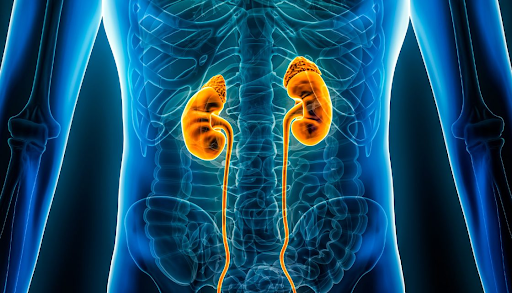
The Structural Impact: It may indicate that the kidney's filtering units, called glomeruli, are allowing proteins to pass through when they normally should remain in the bloodstream.

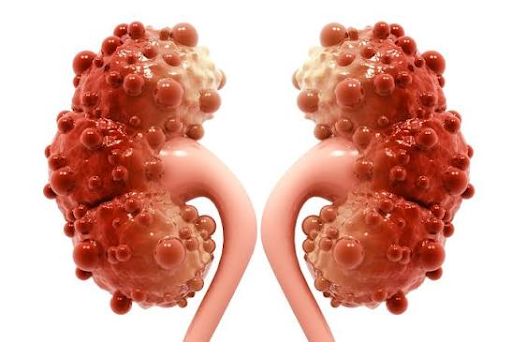
The Functional Shift: Persistent protein loss can be a sign of kidney damage and may occur with chronic kidney disease or other kidney conditions.

The Ayurvedic Perspective: Ayurveda considers urinary health along with digestion, metabolism, diet, lifestyle and individual Dosha patterns when developing supportive care.

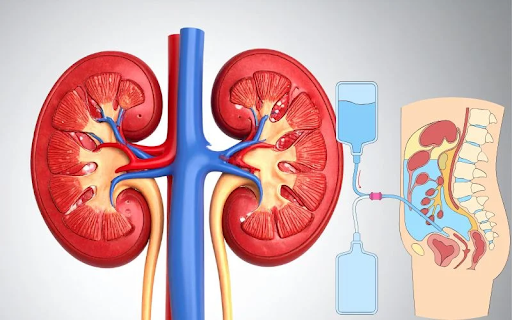
Healthy kidneys filter waste from the blood while keeping useful substances such as proteins in the bloodstream.

When the kidney filters become damaged or temporarily affected, proteins; especially albumin; can leak into the urine.

A small amount may not always mean permanent kidney damage. Fever, strenuous exercise, dehydration, infection or other temporary conditions can sometimes increase protein in urine.

The important question is whether the proteinuria persists and why it is happening.

Proteinuria

Patient Case Studies

Test Multi-Patient video testimonial
Multi Outcome Test
Watch Video
Verified Patient video testimonial
Remarkable Recovery with Ayurveda
Watch Video
Verified Patient video testimonial
Remarkable Recovery with Ayurveda
Watch Video
Verified Patient video testimonial
Remarkable Recovery with Ayurveda
Watch Video
Verified Patient video testimonial
Remarkable Recovery with Ayurveda
Watch Video
Verified Patient video testimonial
Remarkable Recovery with Ayurveda
Watch Video
Verified Patient video testimonial
Remarkable Recovery with Ayurveda
Watch Video
Test Multi-Patient video testimonial
Multi Outcome Test
Watch Video

Our Awards & Accolades

Delhi Chief Minister Rekha Gupta
Click to View Award

Delhi Chief Minister Rekha Gupta

Award from Shilpa Shetty at IFA
Click to View Award

Award from Shilpa Shetty at IFA

Hon'ble Chief Minister Sh. Nayab Singh Saini
Click to View Award

Hon'ble Chief Minister Sh. Nayab Singh Saini

Felicitated by AYUSH Minister
Click to View Award

Felicitated by AYUSH Minister

Felicitating Indian Ambassador Nagesh Singh
Click to View Award

Felicitating Indian Ambassador Nagesh Singh

AYUSH Best Young Ayurveda Doctor Award
Click to View Award

AYUSH Best Young Ayurveda Doctor Award

Conference on Sustainable Healthcare
Click to View Award

Conference on Sustainable Healthcare

TEDx Panoroad Speaker Award
Click to View Award

TEDx Panoroad Speaker Award

Felicitating Prof. Rakesh Sharma
Click to View Award

Felicitating Prof. Rakesh Sharma

Event hosted by Hamdard
Click to View Award

Event hosted by Hamdard

Cosmo Talks Bangkok
Click to View Award

Cosmo Talks Bangkok

Award from Prof. Rakesh Sharma
Click to View Award

Award from Prof. Rakesh Sharma

How We Reverse Diseases

In Ayurveda, research is built around fundamental pillars to effectively heal and reverse Kidney.

Therapies

➔

Patients may undergo the traditional Ayurvedic treatments if it appears to be beneficial considering their current health condition.

➔

Therapies are chosen based on the patient's medical history, reports, and symptoms.

➔

We explain the purpose of each kind of therapy and what the patient may expect during the procedure.

➔

Different types of therapies can be applied depending on the issues that people face.

Therapies

Patient Medical Reports

Cellular Immunity & Blood Platelet Recovery Report
Click to View Full Report

Cellular Immunity & Blood Platelet Recovery Report

Liver Enzymes (SGOT/SGPT) Normalization Lab Report
Click to View Full Report

Liver Enzymes (SGOT/SGPT) Normalization Lab Report

Creatinine Reduced from 8.4 to 1.8 mg/dL - KFT Report
Click to View Full Report

Creatinine Reduced from 8.4 to 1.8 mg/dL - KFT Report

Nephrotic Syndrome Proteinuria Negative Report
Click to View Full Report

Nephrotic Syndrome Proteinuria Negative Report

Liver Enzymes (SGOT/SGPT) Normalization Lab Report
Click to View Full Report

Liver Enzymes (SGOT/SGPT) Normalization Lab Report

Creatinine Reduced from 8.4 to 1.8 mg/dL - KFT Report
Click to View Full Report

Creatinine Reduced from 8.4 to 1.8 mg/dL - KFT Report

Therapy Plan

Our Treatment Focus for Proteinuria

At Karma Ayurveda, we do not simply prescribe herbs to mask symptoms. We analyze the root pathology triggers of proteinuria, customize botanical formulations, and restore long-term cellular balance:

1

Creatinine Management

Using Mutral (diuretic) herbs like Gokshur and Varun to lower urea & creatinine.

2

Nephron Rejuvenation

Rasayana herbs like Punarnava to revive damaged kidney filtration units.

3

GFR Correction

Ayurvedic formulations aimed at progressively improving the Glomerular Filtration Rate.

4

Strict Fluid Regimen

Precision fluid guidelines combined with custom sodium-potassium charts.

Why Hundreds of Thousands Choose Karma Ayurveda

With a healing legacy since 1937, our experienced Ayurvedic clinicians use pure, tested botanical formulations and specialized Panchakarma therapies to restore physiological health naturally.

100% Tested Organic Extracts
84+ Years Healing Legacy
Completely Safe, Zero Harm
Expert Ayurvedic Clinicians
Related Therapies

Other Ayurvedic Kidney Treatments We Offer

Comprehensive specialized Ayurvedic pathways for all related stages and complications of kidney

Acute Kidney Disease

Acute Kidney Disease

Did your kidney function suddenly take a dip? A sudden spike in creatinine, less urine than usual, or unexpected swelling can leave you scrambling for answers. This page walks through acute kidney disease; its warning signs, possible causes, and Ayurvedic treatment for acute kidney disease; along with diet and lifestyle tips for better kidney care.

Read More
Blood Urea

Blood Urea

Blood report shows high urea; does that automatically mean your kidneys are failing? Not necessarily. Blood urea can rise for several different reasons, so it's worth understanding the number in context. This page explains what blood urea means, why it rises, how it relates to kidney function, and Ayurvedic treatment for high blood urea.

Read More
Chronic Kidney Disease

Chronic Kidney Disease

Creatinine climbing while your eGFR keeps dropping? Chronic Kidney Disease tends to progress quietly, which makes understanding what's happening inside your kidneys all the more important. This page covers CKD stages, symptoms, diet, lifestyle changes, and Ayurvedic treatment for chronic kidney disease.

Read More
Creatinine

Creatinine

Your creatinine is rising, but what does that actually mean for your kidneys? A single number on a blood report can raise more questions than it answers. This page breaks down creatinine levels, eGFR, kidney function, possible causes, and Ayurvedic treatment for high creatinine, plus useful diet and lifestyle guidance.

Read More
Cysts Kidney Disease

Cysts Kidney Disease

Found a cyst on your kidney and started worrying right away? Not all kidney cysts are the same; their size, number, type, and underlying cause all make a difference. This page covers kidney cysts, symptoms, possible complications, and Ayurvedic treatment for kidney cysts, along with supportive diet and lifestyle guidance.

Read More
Foamy Urine

Foamy Urine

Foam in your urine once might mean nothing; but what if it keeps happening? Persistent foamy urine can sometimes be linked to protein leaking through the kidneys' filters. This page covers the possible causes of foamy urine, its connection to proteinuria, and Ayurvedic treatment for foamy urine, along with important kidney-care guidance.

Read More
Glomerulonephritis Kidney

Glomerulonephritis Kidney

Blood or protein turning up in your urine? The problem could be hiding in your kidney's tiny filters. Glomerulonephritis causes inflammation in those filtering units and can affect kidney function. This page covers its causes, symptoms, diagnosis, diet, and Ayurvedic treatment for glomerulonephritis.

Read More
IGA-Nephropathy

IGA-Nephropathy

Blood or recurring protein in your urine is never something to ignore. These signs can sometimes point to IgA Nephropathy, a condition affecting the kidney's tiny filtering units. This page covers its causes, symptoms, diagnosis, progression, diet, and Ayurvedic treatment for IgA Nephropathy.

Read More
Kidney Detox

Kidney Detox

Thinking your kidneys need a detox? Truth is, your kidneys already work around the clock filtering waste; but your daily habits still shape your overall kidney health. This page separates kidney detox facts from myths and shares practical ways to support your kidneys, including an Ayurvedic approach to kidney detox.

Read More
Kidney Dialysis

Kidney Dialysis

Been told dialysis might be necessary? That news comes with a lot of questions; why it's needed, when it's recommended, and what it means for everyday life. This page walks through kidney dialysis, kidney function, diet considerations, and Ayurvedic treatment for kidney dialysis support.

Read More
Kidney Failure

Kidney Failure

What happens when the kidneys can no longer filter waste the way they should? Kidney failure brings up serious questions about symptoms, treatment, dialysis, and everyday life. This page covers the stages of kidney failure, creatinine, eGFR, diet, dialysis, and Ayurvedic treatment for kidney failure.

Read More
Kidney Infection Pyelonephritis

Kidney Infection Pyelonephritis

Fever, chills, burning urination, pain in your back or side; don't write it off as just another UTI. A kidney infection affects the kidneys directly and may call for prompt medical attention. This page covers kidney infection and pyelonephritis, its symptoms, causes, complications, prevention, and Ayurvedic treatment for kidney infection.

Read More
Kidney Shrinkage

Kidney Shrinkage

Small or shrunken kidneys showing up on an ultrasound can be alarming; but what does it actually mean? Understanding why the kidneys have reduced in size can help make sense of your overall kidney health. This page covers the possible causes of kidney shrinkage, kidney function, diet, lifestyle guidance, and Ayurvedic treatment for kidney shrinkage.

Read More
Kidney Stone Disease

Kidney Stone Disease

That sudden, unbearable pain in your side or back could well be a kidney stone announcing itself. But pain is far from the only thing these stones can cause. This page covers kidney stone disease, why stones form, symptoms, diet, prevention, and Ayurvedic treatment for kidney stones.

Read More
Kidney Swelling

Kidney Swelling

Swollen feet, ankles, or puffy eyes might be more than simple water retention. Kidney issues can sometimes affect how your body manages fluid and protein, leading to noticeable kidney swelling. This page covers the causes of kidney swelling, related symptoms, diet, lifestyle measures, and Ayurvedic treatment for kidney swelling.

Read More
Nephrotic Syndrome

Nephrotic Syndrome

Swollen feet, puffy eyes, foamy urine; sound familiar? Your kidneys might be losing more protein than they should. Nephrotic Syndrome can affect a lot more than just your urine test results. This page explains its causes, symptoms, protein loss, diet, and Ayurvedic treatment for nephrotic syndrome.

Read More
Polycystic Kidney Disease

Polycystic Kidney Disease

Finding out you have multiple cysts in your kidneys raises plenty of questions; what caused them, will they affect kidney function, what should you be watching for? This page covers polycystic kidney disease, its symptoms, how it progresses, possible complications, diet, and Ayurvedic treatment for polycystic kidney disease.

Read More

The Karma Ayurveda Edge

Proteinuria is a finding, not a disease by itself.

And that distinction matters.

Two people can both have protein in their urine while having completely different underlying problems.

One person may have proteinuria related to diabetes. Another may have high blood pressure. Someone else may have a glomerular kidney disorder, an infection, or an early sign of chronic kidney disease.

So when someone approaches us looking for Ayurvedic proteinuria treatment, we first want to understand the complete picture.

Our assessment may include:

  1. Urine routine and microscopy reports
  2. Urine albumin or protein measurements
  3. Urine albumin-to-creatinine ratio (ACR)
  4. Urine protein-to-creatinine ratio (PCR), where relevant
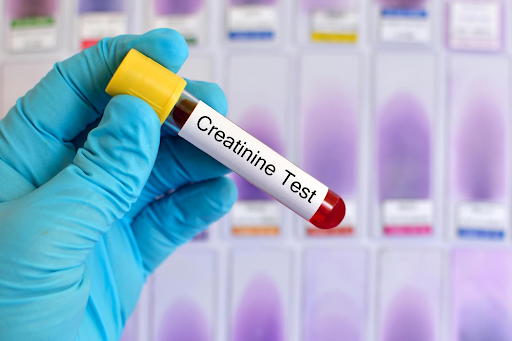
  5. Serum creatinine
  6. eGFR
  7. Blood urea and other kidney-function markers
  8. Blood pressure readings
  9. Blood sugar or HbA1c
  10. Electrolyte levels
  11. Kidney ultrasound reports
  12. Previous kidney investigations
  13. Current medicines
  14. Existing health conditions
  15. Swelling or changes in urine
  16. Appetite and weight
  17. Digestion and bowel habits
  18. Hydration patterns
  19. Sleep and daily activity

Depending on the situation, a nephrologist may recommend additional tests to identify the cause of proteinuria.

The idea is simple: don't treat the number without understanding the reason behind it.

What Exactly Causes Proteinuria?

There isn't one single cause of proteinuria.

Sometimes protein appears in urine temporarily. At other times, persistent proteinuria can point toward damage or disease affecting the kidneys.

Understanding the cause is therefore one of the most important parts of managing it.

The Common Contributors

Diabetes: High blood sugar over time can damage the kidney's filtering system and lead to albumin leaking into urine.

High Blood Pressure: Long-standing uncontrolled blood pressure can place excessive pressure on the small blood vessels within the kidneys.

Glomerular Diseases: Conditions affecting the kidney's filtering units can cause significant protein leakage.

Chronic Kidney Disease: Proteinuria can be both a sign and a contributor to kidney disease progression.

Kidney Infections or Inflammation: Certain infections and inflammatory conditions can temporarily or persistently increase urinary protein.

Urinary Tract Conditions: Some urinary problems can produce abnormal urine findings, although they do not always represent kidney-filter damage.

Heart Failure and Other Conditions: Certain systemic illnesses can affect kidney function and contribute to protein leakage.

Strenuous Exercise, Fever or Dehydration: Temporary proteinuria can sometimes occur during physical stress or illness.

Pregnancy-Related Conditions: Proteinuria during pregnancy can sometimes be associated with serious conditions such as preeclampsia and requires medical assessment.

From an Ayurvedic perspective, urinary function, Agni, digestion, metabolism, Dosha balance and overall nourishment may be considered when developing individualized supportive care. This traditional framework does not replace kidney diagnosis or modern laboratory evaluation.

Proteinuria Symptoms You Shouldn't Ignore

Proteinuria itself often causes no obvious symptoms.

That's what makes it easy to overlook.

Many people discover it during a routine urine test.

When protein loss is significant or associated with kidney disease, however, symptoms may include:

  1. Foamy or unusually bubbly urine
  2. Swelling around the eyes
  3. Swelling in the feet or ankles
  4. Puffiness in the hands
  5. Unexplained weight gain from fluid retention
  6. Tiredness or weakness
  7. Changes in urine frequency
  8. Reduced urine output
  9. High blood pressure
  10. Loss of appetite
  11. Nausea
  12. Shortness of breath, particularly with significant fluid buildup

Foamy urine does not automatically mean proteinuria. Urine concentration, toilet-cleaning products and other factors can also affect how urine looks.

But persistent changes; especially when combined with swelling or abnormal kidney tests; deserve medical attention.

How We Assess Patients at Karma Ayurveda

When someone comes to us seeking Ayurvedic treatment for proteinuria, we don't want to jump straight to herbs or therapies.

First, we want to understand what the kidneys are doing and what may be contributing to the protein loss.

Understanding Your Urine Reports

We review available urine tests, including protein measurements, ACR or PCR where available, and other urine findings.

Checking Kidney Function

Creatinine and eGFR can provide important information about how well the kidneys are filtering.

Looking at Blood Pressure and Blood Sugar

High blood pressure and diabetes are major contributors to kidney damage, so these factors need attention.

Understanding Your Medical History

We discuss existing kidney disease, diabetes, hypertension, infections, autoimmune conditions, medicines and previous kidney problems.

Looking at Diet and Daily Habits

Food choices, salt intake, hydration, physical activity, sleep and other lifestyle factors can all be discussed as part of supportive care.

Ayurvedic Assessment

Traditional assessment may consider digestion, Agni, Dosha patterns, appetite, bowel habits and overall strength.

Creating an Individualized Plan

Depending on the person's condition, supportive Ayurvedic care may involve dietary guidance, lifestyle measures and carefully selected traditional approaches.

The goal isn't simply to make the urine report look better.

It is to understand the kidney condition behind it and support overall kidney health responsibly.

Ayurvedic Therapies Commonly Used for Proteinuria and Kidney Support

Let's make one thing clear before getting into therapies.

There is no established Ayurvedic treatment proven to reliably eliminate persistent proteinuria or reverse kidney damage in every person.

Ayurvedic care may be considered complementary support, particularly around diet, digestion, lifestyle and general wellbeing.

Shamana Chikitsa

Individualized Ayurvedic medicines may sometimes be considered based on the person's symptoms, kidney function, digestion, strength and underlying condition.

This should always be done under professional supervision.

People with kidney disease should be particularly cautious about self-prescribing herbs because some substances can affect kidney function, blood pressure, electrolytes or interact with prescribed medicines.

Dietary Guidance

Diet can become an important part of kidney care.

The right diet isn't necessarily the same for everyone with proteinuria.

Depending on kidney function, blood pressure, diabetes, swelling and other factors, dietary guidance may involve appropriate protein intake, sodium awareness, adequate calories and suitable food choices.

Extreme protein restriction without professional advice is not a good idea either.

Hydration Guidance

“Drink as much water as possible” is not universal kidney advice.

Some people with early kidney problems may have different fluid needs from someone with advanced kidney disease, heart problems or significant swelling.

Fluid intake should therefore be individualized according to the person's medical condition and doctor's advice.

Gentle Abhyanga

Gentle massage may be considered for relaxation and general physical comfort in suitable individuals.

It is not a treatment that directly removes protein from urine or repairs damaged kidney filters.

Extra caution is appropriate when someone has significant swelling, weakness or other medical complications.

Gentle Yoga and Breathing

Appropriate breathing exercises, gentle stretching and safe physical activity may support relaxation and help maintain mobility.

The intensity should be matched to the person's kidney function, blood pressure, energy levels and overall health.

What Can You Do at Home to Support Kidney Health?

If you're searching for Ayurvedic proteinuria treatment at home, don't start experimenting with ten different herbal powders at once.

Kidneys generally appreciate consistency more than internet experiments.

Here are some sensible basics:

  1. Keep blood pressure under control: Follow your doctor's treatment plan and monitor your readings when advised.
  2. Manage blood sugar: If you have diabetes, maintaining good glucose control is an important part of protecting the kidneys.
  3. Be sensible with salt: Excess sodium can contribute to fluid retention and high blood pressure.
  4. Eat adequate nutrition: Don't drastically cut protein simply because protein has appeared in your urine. Your ideal intake depends on kidney function and nutritional needs.
  5. Drink fluids according to medical advice: More water is not automatically better.
  6. Avoid unnecessary painkillers: Frequent or inappropriate use of certain pain medicines can harm the kidneys.
  7. Avoid random supplements: Some herbal products can affect kidney function or interact with medicines.
  8. Maintain a healthy weight: Appropriate nutrition and regular activity can support metabolic health.
  9. Stay physically active: Choose activity that is appropriate for your health and energy levels.
  10. Keep follow-up tests: Monitoring urine protein, creatinine, eGFR and blood pressure can help track kidney health.

And if you already have chronic kidney disease, don't wait for symptoms before following up.

Kidney problems can progress quietly.

Can Ayurveda Support Proteinuria Management?

Ayurveda may be considered as a complementary approach for people dealing with proteinuria, particularly in areas such as diet, digestion, daily routine, relaxation and general wellbeing.

However, persistent proteinuria needs proper medical evaluation.

The underlying cause could be diabetes, hypertension, a glomerular disease, chronic kidney disease or another condition that requires specific treatment.

Modern kidney care may include blood-pressure management, blood-sugar control, medicines that reduce albuminuria when appropriate, treatment of the underlying kidney condition, dietary management and regular monitoring.

Ayurvedic care should not replace these measures.

At Karma Ayurveda, our approach to Ayurvedic proteinuria treatment focuses on individualized supportive care while respecting the need for appropriate kidney evaluation and ongoing medical treatment.

The goal is not simply to chase a urine number.

It is to understand why protein is appearing, support the person's overall health and take sensible steps to protect kidney function.

When Should You See a Kidney Specialist?

Proteinuria should not always be treated as an emergency, but persistent or significant protein in the urine deserves proper evaluation.

Consider medical assessment if you have:

  1. Protein repeatedly detected in urine
  2. High urine albumin or protein levels
  3. Foamy urine that persists
  4. Swelling around the eyes or ankles
  5. High blood pressure
  6. Rising creatinine
  7. Falling eGFR
  8. Blood in the urine
  9. Reduced urine output
  10. Diabetes with increasing urine albumin
  11. A known kidney disease
  12. Unexplained weakness or fatigue

Certain situations need urgent medical attention.

Severe shortness of breath, very little or no urine, rapidly increasing swelling, severe weakness, confusion, chest pain or other sudden serious symptoms should be evaluated urgently.

If you're looking for an Ayurvedic proteinuria specialist, choose a qualified practitioner who reviews your kidney reports and understands when nephrology care is necessary.

Supporting Kidney Health With Thoughtful, Individualized Care

Proteinuria can be an easy finding to ignore because it often doesn't hurt.

There may be no dramatic warning sign. Just a urine report with a number or a word that suddenly raises a lot of questions.

But protein in urine can sometimes be an early clue that the kidneys need attention.

That's why the first step shouldn't be panic; and it shouldn't be blindly reaching for a “kidney detox” either.

It should be understanding why the protein is there.

At Karma Ayurveda, our approach to Ayurvedic proteinuria treatment focuses on the individual's kidney reports, symptoms, diet, digestion, lifestyle, blood pressure, blood sugar and overall health before suggesting complementary support.

Ayurveda may have a role in supporting healthy routines, dietary habits, digestion and general wellbeing. At the same time, persistent proteinuria requires appropriate medical evaluation and monitoring.

Because when it comes to the kidneys, small changes in a report can sometimes tell a much bigger story.

The aim is to notice those changes early, understand what they mean and take sensible steps toward protecting kidney health for the long run.

Find Us Near You

Our Clinics (हमारे क्लिनिक)

Visit your nearest Karma Ayurveda center and connect with our experts for personalized consultation.

Delhi
Jaipur
Patna
Bangalore
Mumbai
Lucknow
Noida
Lucknow - Vikas Nagar
Gurugram
Pratap Nagar
Delhi - Janakpuri

Discover Karma Ayurveda treatment centers and consultations offering specialized care for Kidney across India.

Explore All Locations →
FAQ

Frequently Asked Questions

There is no established Ayurvedic cure that reliably eliminates persistent proteinuria in all patients. Ayurvedic care may be considered as complementary support while the underlying cause is properly evaluated and treated.
No. Temporary proteinuria can occur with fever, dehydration, strenuous exercise or other situations. Persistent proteinuria, however, can be a sign of kidney damage and should be evaluated.
It depends on its cause. Temporary proteinuria may resolve when the underlying trigger disappears. Proteinuria related to chronic kidney disease may improve with appropriate treatment, but the outcome depends on the underlying condition and kidney health.
No. Foamy urine can have several causes. Persistent foam, especially alongside abnormal urine or kidney tests, should be discussed with a healthcare professional.
Persistent proteinuria can be associated with kidney disease progression, particularly when significant and untreated. The risk depends on the amount of protein loss, the underlying cause, eGFR and other health factors.
Not automatically. Protein is essential for maintaining muscles and nutrition. The appropriate amount depends on kidney function, nutritional status and other medical factors. Avoid drastic protein restriction without professional guidance.
Yes. Long-term high blood sugar can damage the kidney's filtering system and cause albumin to leak into the urine. Regular urine albumin and kidney-function testing can be important for people with diabetes.
Yes. Long-standing uncontrolled high blood pressure can damage kidney blood vessels and filtering structures, leading to protein leakage.
Don't start herbs or supplements without discussing them with your healthcare team and a qualified Ayurvedic practitioner. Some products can affect kidney function, blood pressure or electrolytes, or interact with prescription medicines.
There is no fixed timeline. Proteinuria can have many different causes, so the expected course depends on the underlying condition, kidney function and the treatment being used. Regular urine and blood tests are more useful than judging progress by symptoms alone.