Reduce These 5 Things Immediately When Your Kidneys Are Damaged
If your kidneys are damaged, start by reducing salt, packaged foods, excessive protein, sugary drinks, and unnecessary painkillers. These five can add extra pressure to already struggling organs and may make managing your condition harder.
Now, before someone looks at that list and declares, “Fine, I’ll never eat anything enjoyable again,” relax. Kidney-friendly living is not about surviving on boiled vegetables and sadness. It is about making smarter choices, understanding your reports, and knowing what actually needs to be limited.
Why Do These Things Matter When Kidney Function Is Reduced?
Your kidneys have a rather thankless job. They filter waste, balance fluids and minerals, help regulate blood pressure, and perform several other important functions quietly in the background.
When their filtering ability falls, the body may have more difficulty handling certain nutrients, medicines, and waste products. This is why dietary and lifestyle choices become more important.
The exact restrictions depend on your kidney function, eGFR, urine protein, blood pressure, diabetes status, potassium and phosphorus levels, medications, and stage of chronic kidney disease (CKD).
So, think of this as a practical starting point; not a one-size-fits-all menu.
1. Reduce Excess Salt and High-Sodium Foods
If there is one thing worth checking in your kitchen today, it is salt.
Too much sodium can contribute to high blood pressure, and uncontrolled blood pressure can put additional strain on the kidneys. The World Health Organization recommends less than 2,000 mg of sodium per day, equivalent to less than 5 grams of salt, for adults.
The tricky part? Most sodium does not necessarily come from the salt shaker.
It can hide in:
- Pickles and chutneys
- Papad
- Namkeen and chips
- Instant noodles
- Packaged soups
- Sauces and ketchup
- Processed meats
- Restaurant and fast foods
- Ready-to-eat meals
In other words, that innocent-looking packet sitting in your kitchen may have more sodium than you expected.
Try this instead: use herbs, lemon, garlic, cumin, coriander and other suitable spices to add flavour without turning every meal into a salt festival.
2. Cut Down on Ultra-Processed and Packaged Foods
This one is closely related to salt, but deserves its own spot.
Ultra-processed foods often contain combinations of sodium, added sugars, unhealthy fats and additives. They are convenient, tasty and extremely easy to overeat; which is probably why they disappear from the packet so quickly.
A 2024 systematic review and dose-response meta-analysis published in Frontiers in Nutrition found that higher ultra-processed food consumption was associated with a higher risk of CKD.
Another 2025 systematic review and meta-analysis in Nutrients also reported an association between higher ultra-processed food intake and increased CKD risk.
This does not mean one packet of biscuits has suddenly declared war on your kidneys. The concern is regular, high consumption over time.
Foods worth reducing
- Instant noodles
- Packaged snacks
- Processed meats
- Fast food
- Sugary breakfast cereals
- Ready-made sauces
- Packaged bakery products
- Highly processed frozen foods
Instead, lean more toward simple home-cooked meals where you know exactly what went into the pan.
3. Avoid Excessive Protein, Especially Without Guidance
Protein is important. Your body needs it for muscles, hormones, enzymes and tissue repair.
But when someone has moderate to advanced CKD, eating extremely high amounts of protein; especially because of a gym diet or online “high-protein” trend; is not necessarily a smart move.
The 2024 KDIGO CKD guideline suggests around 0.8 g of protein per kilogram of body weight per day for adults with CKD stages G3–G5 and advises avoiding high protein intake above 1.3 g/kg/day in people at risk of progression.
Research has also explored the potential benefits of appropriately restricted protein intake in CKD. A 2018 systematic review and meta-analysis found that protein restriction was associated with lower risks of kidney failure and ESRD in the included trials, although nutritional status and the appropriate protein level remain important considerations.
The important word here is excessive.
Do not suddenly eliminate protein completely. And do not copy someone else's diet because their creatinine number or body weight looks different from yours.
A renal dietitian or doctor can help decide how much and what type is appropriate.
4. Reduce Sugary Drinks and Excess Added Sugar
Cola, sweetened juices, energy drinks, flavoured beverages and similar drinks can quietly add a surprising amount of sugar to your day.
Regular consumption of sugar-sweetened beverages has been associated with kidney-related health risks in observational research. A systematic review and meta-analysis published in Nephrology found an association between sugar-sweetened soda consumption and CKD.
Another systematic review and dose-response meta-analysis reported that higher consumption of sugar- and artificially sweetened beverages was associated with kidney health concerns, although the researchers also noted limitations in the available evidence.
So, instead of making sugary drinks your default beverage, consider:
- Plain water, if your doctor has not restricted fluids
- Unsweetened beverages
- Home-prepared drinks appropriate for your dietary restrictions
And remember: fluid restriction is not automatically required for everyone with CKD. People with swelling, heart problems, advanced disease or dialysis may receive specific fluid instructions, so follow your healthcare professional's advice rather than guessing.
5. Reduce Unnecessary Painkillers, Especially NSAIDs
This is the one people often overlook because medicines do not look like “food.”
Certain painkillers called NSAIDs; including medicines such as ibuprofen and naproxen; can reduce blood flow to the kidneys and may contribute to acute kidney injury or worsening CKD, particularly with higher doses or prolonged use.
That does not mean you should stop every medicine sitting in your cupboard.
It means do not self-medicate casually, especially if you already have reduced kidney function.
Before taking an over-the-counter painkiller, ask:
“Is this safe with my eGFR and current medicines?”
That five-second question can be much more useful than becoming your own pharmacist.
What About Potassium and Phosphorus?
This is where kidney diets become more individual.
You may hear someone say, “Kidney patients must stop bananas,” or “Never eat tomatoes,” or “Avoid all dairy.”
Not necessarily.
Potassium and phosphorus restrictions depend on your blood test results, stage of disease, medications and overall health. KDIGO specifically recommends that dietary changes involving sodium, potassium, phosphorus and protein should be tailored to the individual.
So don't create a giant forbidden-food list just because somebody forwarded one on WhatsApp.
A simple comparison
- Reduce: Extra salt | Better approach: Use herbs and spices
- Reduce: Packaged snacks | Better approach: Fresh, simple foods
- Reduce: Huge protein portions | Better approach: Appropriate portions
- Reduce: Sugary drinks | Better approach: Unsweetened options
- Reduce: Self-medicated NSAIDs | Better approach: Ask your doctor first
Simple? Yes. Completely boring? Thankfully, no.
What About Ayurvedic Treatment?
People looking for Ayurvedic treatment for kidney disease often want a natural approach that fits alongside diet and lifestyle changes.
Ayurveda may involve dietary practices, lifestyle measures and traditional formulations, but anyone with reduced renal function should be careful with herbs and supplements. “Natural” does not automatically mean “safe for every person with CKD.”
If you are considering a Natural kidney disease treatment, discuss it with a qualified healthcare professional who understands your diagnosis, medications and laboratory results.
Similarly, searches for the Best Ayurvedic herbs for kidneys can produce long lists online, but there is no single herb that is universally appropriate for every patient. Some products may interact with medicines or contain ingredients unsuitable for people with impaired renal function.
The same applies when people search for the best medicines for kidneys. There is no universal “best” medicine. Treatment depends on the cause and stage of CKD, blood pressure, diabetes, albuminuria, eGFR and other factors.
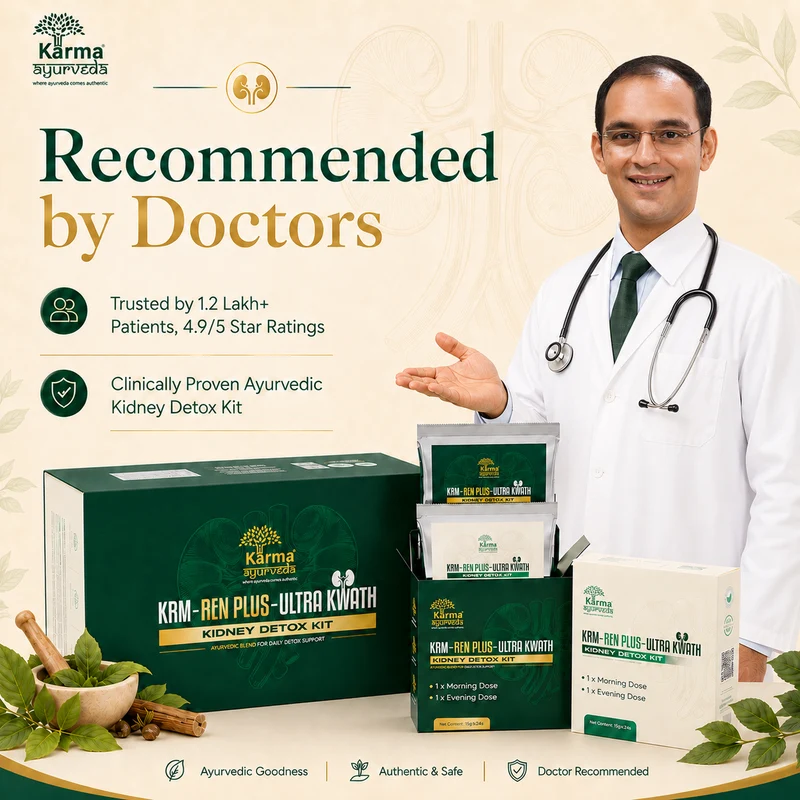
For people exploring Ayurveda, Dr. Puneet Dhawan and Karma Ayurveda for kidney disease treatment are names people may come across while researching Ayurvedic care. Any treatment plan, however, should be based on the person's actual reports and medical situation rather than a generic online recommendation.
What Should You Actually Focus On?
Instead of trying to change twenty things overnight, start with these five:
- Reduce sodium.
- Cut back on ultra-processed foods.
- Avoid excessive protein intake.
- Reduce sugary beverages and added sugar.
- Do not casually use NSAID painkillers.
Then keep track of the basics your healthcare team recommends, such as creatinine, eGFR, urine protein, blood pressure, blood sugar, potassium and other relevant markers.
The goal is not perfection.
The goal is to make fewer decisions that work against your health every single day.
Scientific Evidence Behind These Recommendations
Several studies and guidelines support the general principles discussed above:
- KDIGO 2024 Clinical Practice Guideline for CKD: recommends individualized dietary management, lower ultra-processed food intake and appropriate protein intake.
- Ultra-processed Food Consumption and CKD Risk, 2024: systematic review and dose-response meta-analysis found an association between greater ultra-processed food intake and CKD risk.
- Effect of Diet Protein Restriction on CKD Progression, 2018: meta-analysis of randomized trials found potential benefits from protein restriction in CKD, while emphasizing nutritional considerations.
- Sugar- and Artificially-Sweetened Beverages and CKD, 2021: systematic review and meta-analysis examined associations between sweetened beverages and CKD.
- National Kidney Foundation guidance on pain medicines: highlights the risks of NSAIDs in people with CKD.
- WHO sodium guidance: recommends less than 2 g sodium, or 5 g salt, per day for adults.
Conclusion
When kidney function is reduced, you do not need to panic and throw your entire kitchen into the dustbin.
Start with the basics: less salt, fewer packaged foods, sensible protein portions, fewer sugary drinks and no unnecessary painkillers. From there, your diet can be adjusted according to your reports and individual needs.
If you are exploring Ayurvedic treatment for kidney disease, remember that personalized care matters more than simply following a list of foods or herbs from the internet. And if you are considering Natural kidney disease treatment, make sure it is discussed alongside your existing medical care rather than replacing necessary evaluation or treatment.
Your kidneys may be small, but they have a surprisingly large workload. Give them a little less to complain about.
Key Takeaways
- Reduce excess salt and high-sodium foods.
- Limit ultra-processed and packaged foods.
- Do not follow high-protein diets without professional guidance.
- Cut down on sugary beverages.
- Avoid self-medicating with NSAID painkillers.
- Potassium, phosphorus and fluid restrictions should be individualized.
- Regular monitoring of eGFR, creatinine, urine protein and blood pressure can help guide care.
- Best Ayurvedic herbs for kidneys should not be selected casually; suitability depends on the individual.
- Dr. Puneet Dhawan and Karma Ayurveda for kidney disease treatment may be among the options people research, but treatment decisions should be personalized.
FAQs
1. What are the worst foods for kidneys?
The Worst foods for kidneys are generally high-sodium packaged foods, heavily processed foods, excessive sugary foods and other choices that do not fit your individual renal diet.
2. Should people with kidney disease stop eating protein?
No, protein should usually be adjusted; not eliminated; and the appropriate amount depends on kidney function, nutritional status and medical advice.
3. Can sugary drinks affect kidney health?
Regularly consuming sugary drinks is associated with poorer kidney health, so replacing them with suitable unsweetened options is generally a sensible step.
4. Are painkillers safe when kidney function is low?
Some painkillers, particularly NSAIDs, can harm the kidneys, so people with CKD should check with their healthcare professional before using them.
5. Is there one best medicine or herb for kidney disease?
No, there is no universal best medicines for kidneys or single herbal solution because treatment depends on the cause, stage and individual laboratory results.
Disclaimer
This article is for general educational purposes and should not replace medical advice, diagnosis or prescribed treatment. Dietary needs vary significantly with CKD stage, dialysis status, medications and laboratory results. Do not stop prescribed medicines or begin herbs and supplements without discussing them with your healthcare professional.