Can Damage Kidneys Recover Without Dialysis?
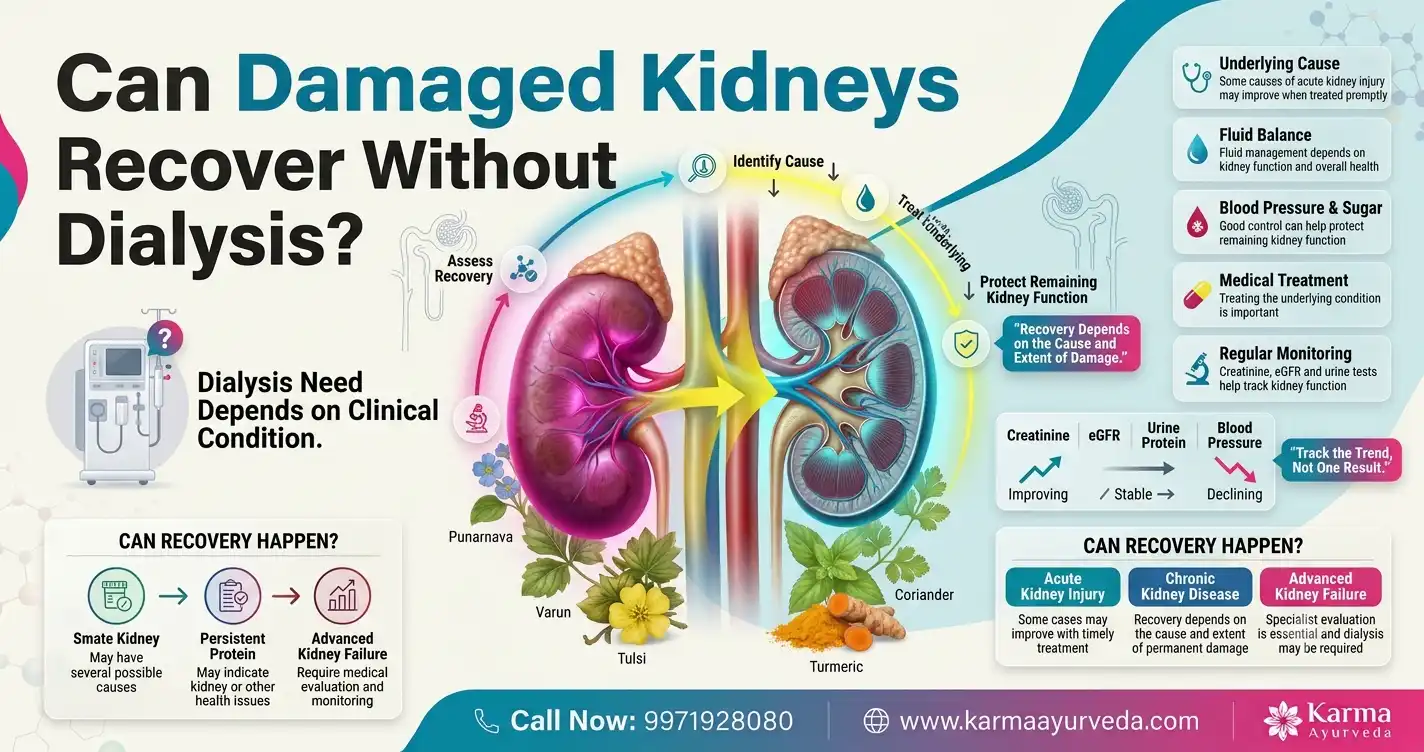
Yes, kidney function can indeed improve or stabilize without dialysis, particularly when caught in its earlier stages or when addressing reversible underlying causes. While severe, long-term scarring cannot magically disappear overnight, targeted therapies; spanning blood pressure management, dietary tweaks, and traditional holistic care; can lighten your kidney’s workload and significantly boost your quality of life.
The Silent Overachievers: How Your Kidneys Actually Work
Think of your kidneys as the ultimate unsung heroes of your internal plumbing. Every single day, these two bean-shaped powerhouses filter roughly 120 to 150 quarts of blood just to flush out waste and extra fluid. They regulate your electrolyte balance, manage your blood pressure, and keep your body running like a well-oiled machine.
However, because they are so remarkably quiet about their job, we rarely notice when they start struggling. When your estimated glomerular filtration rate (eGFR) drops or your serum creatinine ticks upward, panic often sets in. The word dialysis starts floating around, and suddenly you feel like your health is on a downward spiral.
The good news? Your kidneys are surprisingly resilient. When you relieve the stress factors; like runaway blood sugar, chronic dehydration, or uncontrolled hypertension; your kidney function can stabilize, and in many cases, improve.
What Science Says About Improving Kidney Function Naturally
It turns out scientists and doctors have spent decades looking into how lifestyle changes and natural protocols impact renal health. You do not always have to wait passively for things to get worse; proactive care yields real, measurable results.
1. Taming the Pressure Valve: Blood Pressure Management
High blood pressure is like blasting a high-pressure power washer through delicate window screens. Over time, it damages the tiny filtering units (nephrons) inside your kidneys.
A major systematic review published in PMC (PubMed Central) evaluating lifestyle interventions in chronic kidney disease (CKD) showed that combining targeted exercise with sodium reduction significantly lowered systolic blood pressure, serum creatinine, and 24-hour proteinuria. By bringing your blood pressure into a safe zone, you stop actively injuring the tissue and give your kidneys a chance to catch their breath.
2. The Ancient Approach: Ayurvedic Perspectives
Traditional medicine has approached kidney wellness for centuries by focusing on detoxification (Shodhana) and tissue rejuvenation (Rasayana). Exploring an Ayurvedic treatment for kidney disease involves using time-tested herbs like Punarnava (Boerhavia diffusa), Gokshura, and Varun, which possess natural diuretic and anti-inflammatory properties.
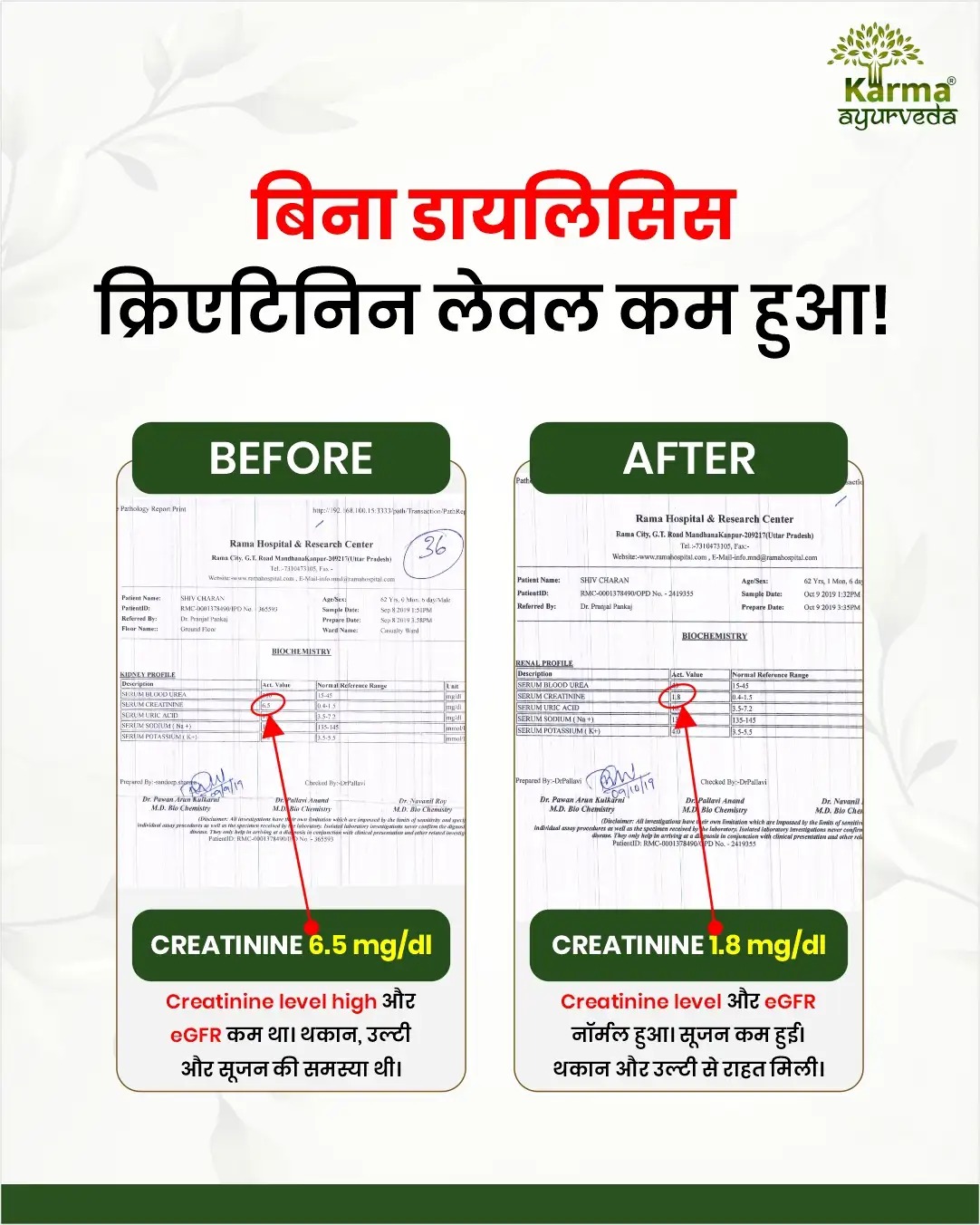
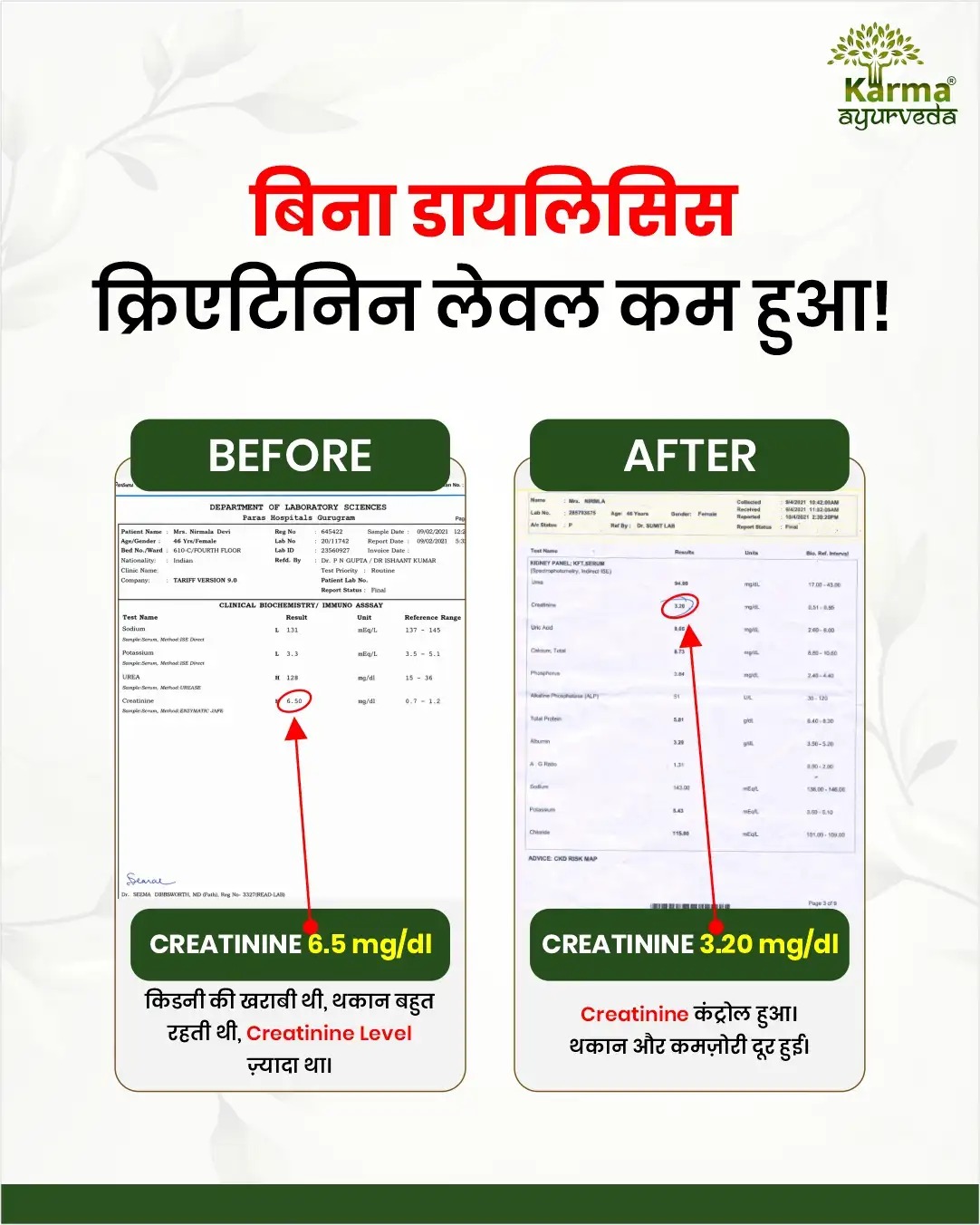
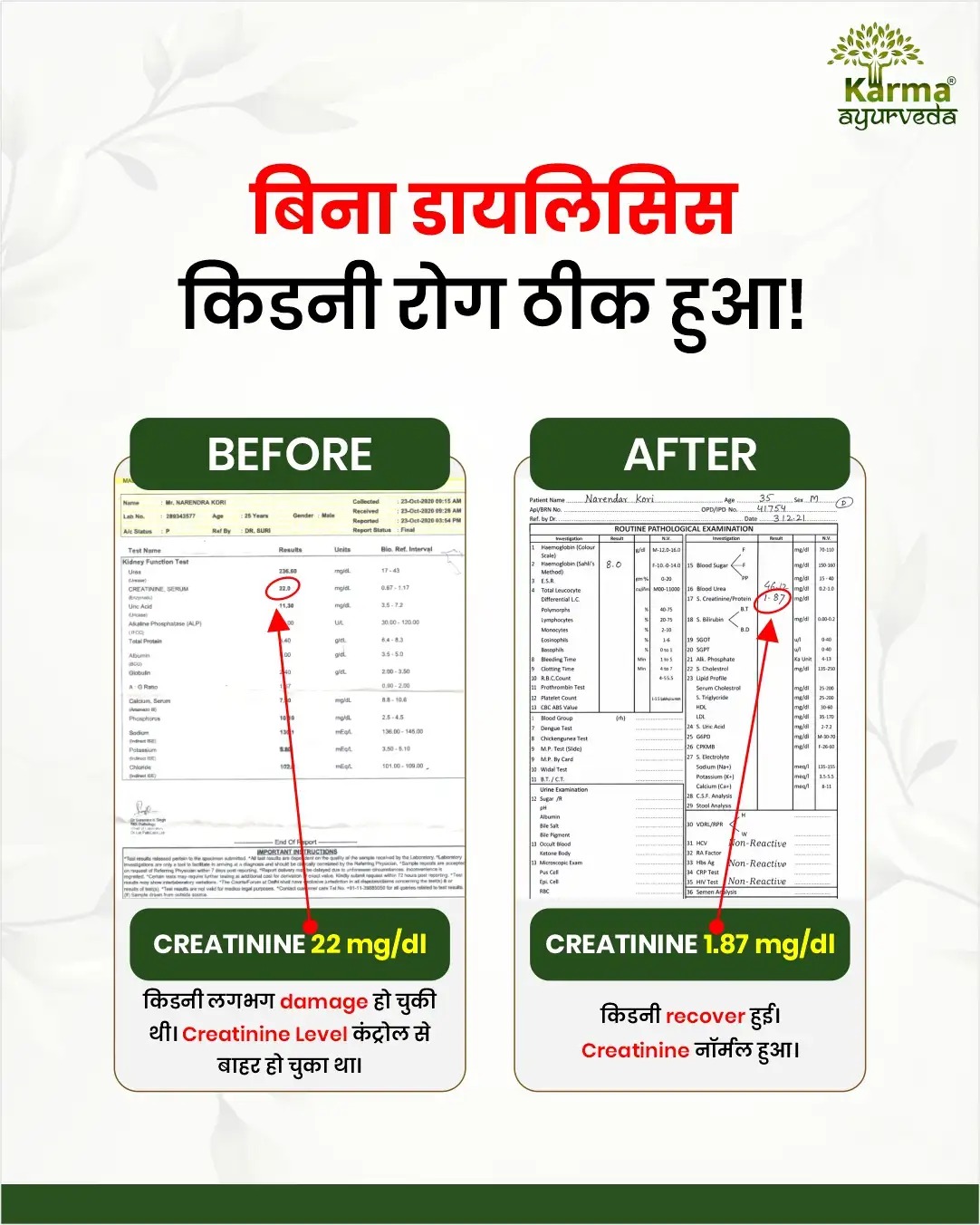
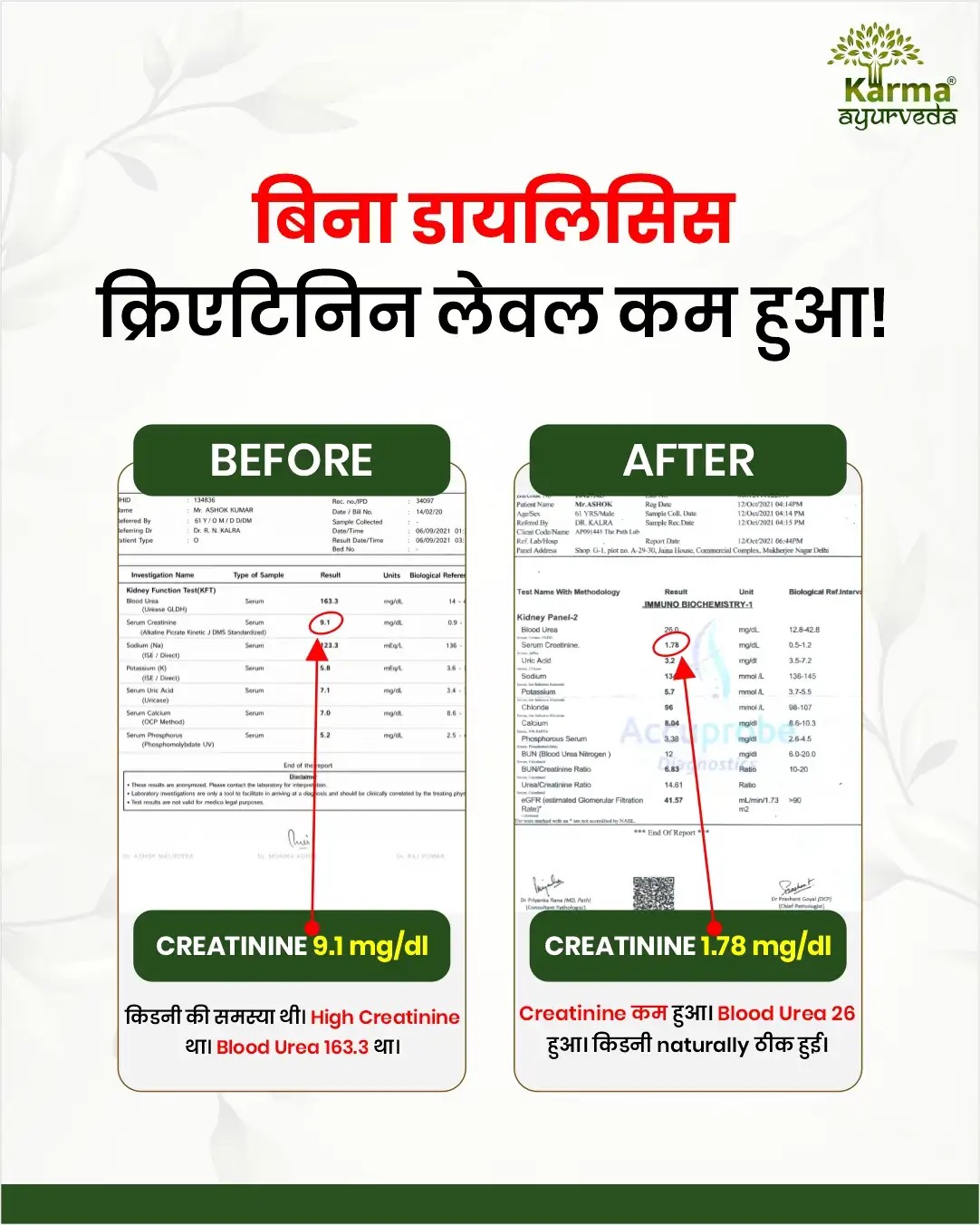
A noteworthy clinical study published in the Journal of Research in Ayurveda evaluated 100 patients with renal insufficiency who underwent structured Ayurvedic herbal protocols. The study observed a statistically significant reduction in blood urea (by over 36%) and serum creatinine levels, alongside noticeable relief from symptoms like swelling (edema) and fatigue.
When looking into specialized herbal care, institutions like Karma Ayurveda for kidney diseases emphasize combining customized botanical formulations with strict dietary guidelines. Their goal is to clear micro-channel blockages and support cellular recovery without relying solely on invasive procedures.
Similarly, incorporating a High BP Ayurvedic treatment; utilizing calming, vascular-supportive herbs like Sarpagandha and Arjuna; helps ease pressure on the renal arteries naturally, protecting the remaining filtration capacity.
3. Diet Fine-Tuning: Stop Overworking the Filters
If your kidneys are struggling, throwing a massive 16-ounce ribeye steak at them every night is like asking a tired worker to lift 500 pounds. Reducing excessive plant or animal protein, cutting back on ultra-processed sodium bombs, and managing potassium or phosphorus levels lowers metabolic waste.
A landmark review in Healthline & NKF Research highlighted that plant-dominant diets (like the DASH or Mediterranean diet) help maintain healthier eGFR levels by reducing the acid load on nephrons.
Dialysis vs. Natural & Integrative Kidney Support
Let's look at how standard supportive approaches stack up against advanced interventions when managing kidney health.
Aspect: Primary Job — Conventional Dialysis:
- Mechanically filters your blood when kidneys reach failure.
- High (requires needles, catheters, or surgical access).
- 3 times a week for ~4 hours (or daily home peritoneal).
- Feels like sitting in a clinical lounge with loud machine beeps.
- End-stage renal disease (ESRD / Stage 5 failure).
Integrative & Natural Kidney Care:
- Supports existing kidney cells and reduces internal workload.
- Non-invasive (herbs, dietary plans, lifestyle changes).
- Daily routine woven smoothly into your regular life.
- Feels like taking control of your daily wellness routine.
- Early to moderate CKD (Stages 1–4) & reversible AKI.
Daily Habits That Give Your Kidneys a Break
Improving your renal numbers isn't about finding a magic pill; it’s about making a series of smart, daily choices. Here are four simple strategies to put into practice today:
- Befriend Smart Hydration: Don't drown your kidneys in gallons of water thinking it "flushes out all toxins instantly". Drink enough to keep your urine pale yellow, but consult your doctor if you already have fluid retention issues.
- Ditch the Over-the-Counter Painkillers: Common NSAIDs like ibuprofen and naproxen act as direct irritants to renal blood flow. Overusing them is one of the fastest ways to tank your eGFR unexpectedly.
- Keep Blood Sugar in Check: High blood glucose acts like tiny glass shards inside delicate capillary beds. Keeping your HbA1c under control preserves your filter walls.
- Explore Guided Herbal Support: If you choose to explore an Ayurvedic treatment for kidney disease, always consult a qualified practitioner who understands herb-drug interactions and monitors your lab work regularly.
Key Takeaways
- Early Action Wins: Kidney function can frequently stabilize or improve if underlying triggers are caught and treated early.
- Multifaceted Healing: Combining modern diagnostic monitoring with proven therapies; such as a tailored High BP Ayurvedic treatment or protocols from experts like Karma Ayurveda for kidney diseases; offers holistic support.
- Lifestyle Matters: Dietary modifications, proper hydration, and avoiding NSAIDs reduce renal stress significantly.
- Dialysis Isn't the Only First Step: For early-to-moderate CKD, non-invasive strategies are primary tools to slow progression and delay or prevent mechanical intervention.
CASE STUDY
https://www.youtube.com/watch?v=L3ZrrDVPznE
This patient had been struggling with declining kidney function for years, despite following conventional medical treatment. Her GFR had fallen to 14 mL/min, indicating severe kidney impairment, and she was advised to consider dialysis. She was also experiencing persistent fatigue, weakness, reduced stamina, difficulty performing daily activities, and growing concern about the progression of her kidney disease. Seeking a personalized and holistic approach, she decided to begin treatment with Karma Ayurveda.
After a detailed evaluation of her health history and condition, a customized Ayurvedic treatment plan was developed. Her care included Ayurvedic herbal formulations, dietary recommendations, lifestyle modifications, and regular monitoring. The approach focused on supporting kidney function naturally while promoting overall health and balance.
The patient followed the prescribed regimen consistently and remained committed to the recommended lifestyle and dietary changes. Within three months, her medical reports began showing encouraging improvements. Her GFR increased from 14 mL/min to 60 mL/min, and with continued care, it further improved to 70 mL/min.
Along with the improvement in her kidney function, she experienced better energy levels, improved stamina, and a better quality of life. Her journey highlights the potential benefits of personalized Ayurvedic care when combined with consistent treatment, lifestyle management, and appropriate medical supervision. While individual outcomes vary, her experience reflects the importance of timely, comprehensive, and individualized support for kidney health.
Frequently Asked Questions
Q1: Can early-stage chronic kidney disease be reversed naturally?
Early-stage kidney decline can often be stabilized or partially improved by managing blood pressure, blood sugar, and dietary habits.
Q2: Is dialysis always mandatory for everyone with kidney disease?
No, dialysis is only required when kidneys reach advanced stage failure and can no longer filter waste on their own.
Q3: How does Ayurveda help in managing creatinine levels?
Ayurvedic formulations use natural diuretic and anti-inflammatory herbs like Punarnava to improve filtration efficiency and ease renal swelling.
Q4: Can high blood pressure cause permanent kidney damage?
Uncontrolled hypertension damages sensitive renal blood vessels over time, making blood pressure control essential for kidney preservation.
Disclaimer
This article is intended solely for educational and informational purposes and does not constitute formal medical advice, diagnosis, or treatment. Always consult a qualified physician, nephrologist, or certified healthcare provider before starting any new herbal remedy, diet plan, or lifestyle intervention, especially if you have an existing medical condition.