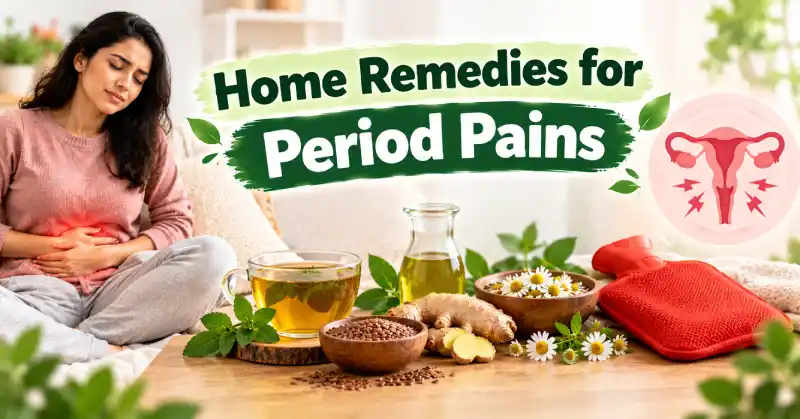
Home Remedies for Period Pains
What Actually Helps
- Heat, time for the hot water bottle: Similar findings appeared in the study published in Obstetrics & Gynecology (Akin and colleagues, 2001), where continuous application of low level heat proved to be as effective as oral pain medication. Put your hot water bottle on your lower abdomen for 15–20 minutes.
- Ginger: Ozgoli and colleagues (2009, Journal of Alternative and Complementary Medicine) have found that the use of ginger capsules resulted in the reduction of cramp severity compared to placebo.
- Fennel (saunf): Namavar Jahromi and his collaborators (2003, International Journal of Gynecology & Obstetrics) evaluated the effect of fennel extract against mefenamic acid on dysmenorrhea and confirmed the analgesic effect of both remedies. In other words, eating saunf after dinner is just an old folk remedy with scientific justification.
- Movement: Exercise can help with the pain associated with periods, as evidenced by a Cochrane review of the study conducted by Armour and colleagues (2019). Slow walking is also beneficial for reducing period pain.
Simple Home Remedies for Period Pain
A few simple home tips for periods pain that cost almost nothing:
- Drink warm water or herbal tea during the day
- Try some gentle yoga poses such as Child's Pose or Cat-Cow.
- Sleep a bit more than usual
- Reduce salt in the food, especially fried food, which causes bloat.
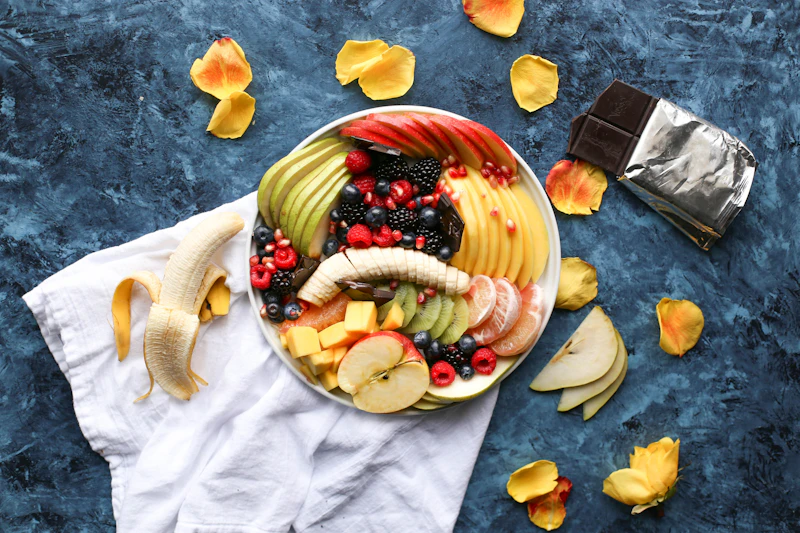
- Eat magnesium-rich foods such as nuts and leafy greens.
- Keep a pain journal to provide your doctor with detailed information about your pain
Fast Comparison
Remedy
Effort
Verdict
Heating pad
Plug it in
Cozy and quick
Spicy comfort tea
Stretches
roll up mat (annoying at first but helpful later)
When Cramps Indicate a Problem
If your cramps suddenly worsen, do not improve despite treatment, or are accompanied by very heavy bleeding, you should see a doctor. Endometriosis, fibroids, or PCOS may cause such periods. Irregular cycles, acne, excessive hair growth, and weight gain could indicate the presence of PCOS.
The Question of PCOS and Ayurveda
In accordance with international evidence-based guidelines on PCOS (Teede et al., 2018, Human Reproduction), lifestyle modifications, such as a change in diet and regular movement, should be used as the first line of treatment. For some women, PCOD Ayurvedic treatment should be applied in addition to lifestyle modifications for improving hormonal balance, digestion and reducing stress.
Consult with an Ayurvedic doctor like Dr. Puneet Dhawan, an Ayurvedic physician who belongs to fifth generation of practitioners and resides in Delhi. Among the frequently mentioned herbs are Shatavari, Ashoka, and Lodhra and many women want to know about the best herbs for PCOS treatment in Ayurveda. However, there are not enough human trials on herbs to recommend them freely. Thus, please, consult your physician before using herbs.
In Conclusion
Period cramps are very common but there is no need to suffer with them. Some tips from the kitchen, heated compresses and some exercises can help a lot. Remember to visit your doctor if something goes wrong with your pain. If you are considering Karma Ayurveda for PCOD treatment, discuss this option with your gynecologist in order to achieve proper synergy.
Key Takeaways
- Heat, ginger, fennel and movement are all supported by studies.
- Simple habits can ease cramps without any medication.
- Any serious or worsening pain requires medical examination.
- PCOS management starts with changing the lifestyle.
- Always talk to your doctor before taking any herbs or remedies.