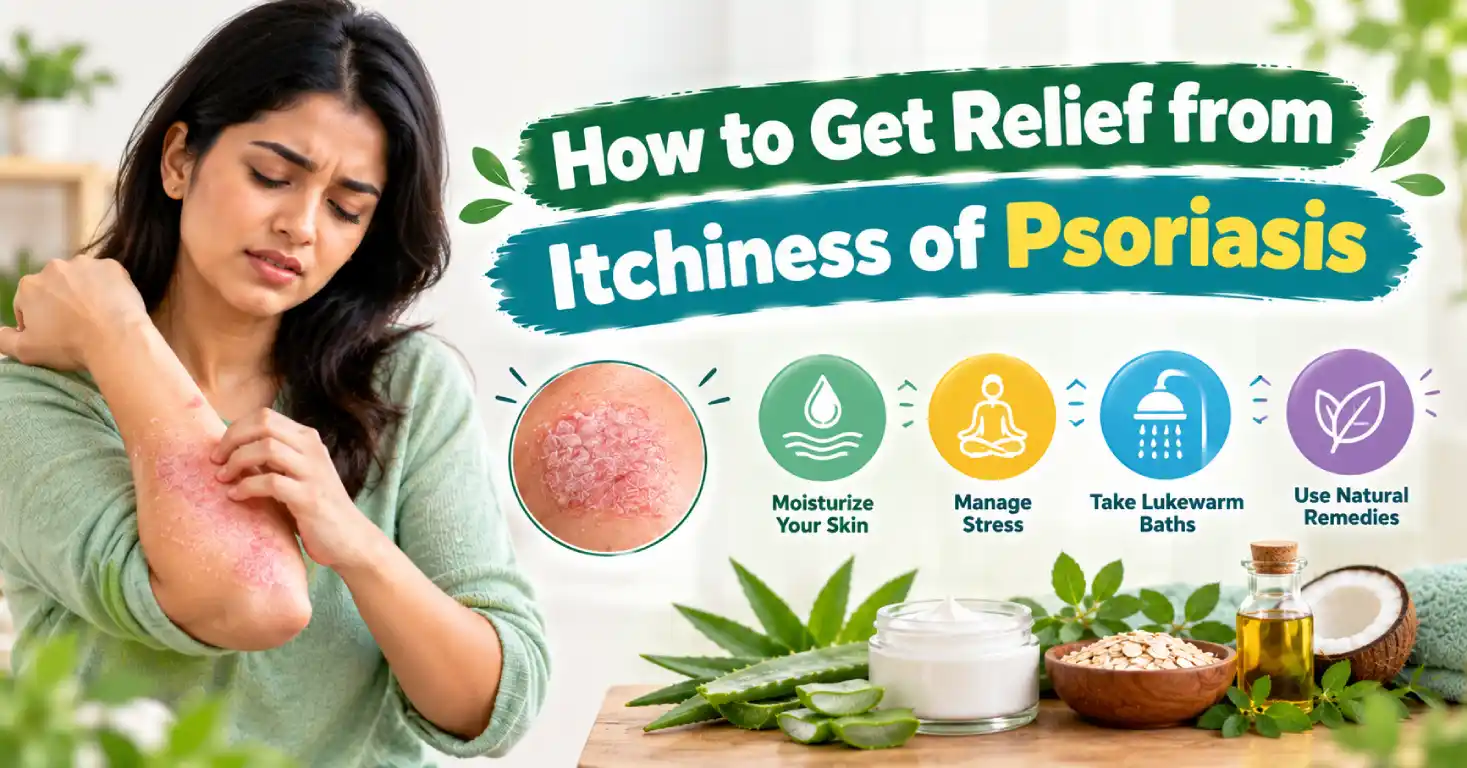
How to Get Relief from Itchiness of Psoriasis
The answer to how to get relief from itching in Psoriasis mostly relies on effective moisturizing, using prescribed topical treatments and avoiding the triggers that cause the itchiness: heat, cold, air dryness, and stress. Few of these habits are able to ease the itching within a few days, but to achieve the lasting calm you should stick to them constantly.
When your skin feels like a sweater made of small angry ants, you're not exaggerating. Let's talk about what actually helps.
Why Does It Itch So Much?
Plaque psoriasis is an immune system condition, in which the skin cells accumulate faster than usual. This condition leads to inflammation, dryness, and scaling. As Prignano et al. (2009, Clinical, Cosmetic and Investigational Dermatology) reported, many patients experience itch, more than it is usually thought. Moreover, scratching only makes it worse.
What Helps
- Moisturize extensively. The American Academy of Dermatology guidelines recommend the use of emollients for topical treatment of psoriatic lesions. Thicker creams and ointments are preferred over light lotions.
- Precribed topicals. The same guidelines suggest corticosteroids and vitamin D analogs as common first-line treatment option.
- Cooling the skin. A chilled moisturizer feels like a little bit of vacation.
- Lukewarm baths. Hot water strips skin off, so avoid taking it hot, take mild and brief baths, and apply moisturizing lotion right after them.
Home Remedies for Psoriasis Itch
Try the following easy and inexpensive Home tips for itching in Psoriasis that are related to psoriasis:
- Cut nails short and file them nicely (this will help to avoid scratches)
- Wear comfortable cotton clothes and avoid wool in order not to irritate the skin.
- Run a humidifier in dry conditions
- Use soap and detergent which do not smell
- Practice some habits that will help you to deal with stress and to calm down. Some examples are meditation, yoga or walking.
- Avoid hot long baths, even if they seem appealing
Natural Options with Some Research
- Aloe vera gel: Choonhakarn et al. (2010, Journal of the European Academy of Dermatology and Venereology) found that aloe vera gel was beneficial in improving chronic plaque lesions versus placebo in their randomized clinical trial.
- Capsaicin cream: In 1986, Bernstein and coworkers published in The Journal of the American Academy of Dermatology the results of their investigation on the effects of topical capsaicin application. It turned out that this drug reduced some symptoms of psoriasis, although it caused burning sensation at the beginning of treatment.
- Curcumin (turmeric): According to Antiga et al. (2015, BioMed Research International), oral administration of curcumin combined with the topical therapy led to better outcomes in people with plaque lesions.
These studies are small in scale, so they serve as assistants rather than substitute of the medical care provided by the professional doctors.
Quick Comparison
| Option | Description | Honest note |
|---|---|---|
| Thick moisturizer | Softens, calms the itch | Unsung hero |
| Reduces inflammation | Needs a doctor's guidance | |
| Aloe vera gel | Soothes lesions | Patch test first |
Ayurvedic Aspect
Various people consider using Psoriasis Ayurvedic treatment as the supportive treatment for Psoriasis, taking into account digestion, stress and diet along with skin care. In general, Neem, Manjistha, Guduchi and Kutki is mentioned as the key herbs in the treatment of Psoriasis in Ayurveda. However, very few studies of this kind are provided and there are cases when the herbs can cause skin problems or interact with certain drugs; hence, it is always important to seek help and advice from experts before starting any treatment.
There are many people that people trust with their health questions, and Dr. Puneet Dhawan, an Ayurvedic healer from Delhi, is one of them. The best herbs for Psoriasis treatment in Ayurveda may include herbs such as Neem, Manjistha, Guduchi and Kutki, but they should only be used with appropriate professional guidance.
Triggers You Should Be Watching
- Cold and dry weather
- Injuries to the skin (including minor ones)
- Certain medications
- Infections such as strep throat
- Smoking and heavy alcohol consumption
- Stress (yes, again)
Writing down your flare-ups in the form of a diary will reveal some surprising patterns.
Conclusion
Magic wands do not exist, but there is the steady routine of moisturizing your skin, following the advice of the doctor, avoiding triggers and treating your skin gently. If you are thinking about Karma Ayurveda for Psoriasis treatment as a method of psoriasis treatment, discuss it with your doctor in order to combine different treatment methods and have positive results.
Key Takeaways
- Moisturizing is the daily basis for itch relief.
- The prescription topicals continue to be the main form of treatment.
- Aloe vera, capsaicin, and curcumin are supported by small studies.
- Stress, dryness and hot water can aggravate your problem.
- Consult with your physician before taking any herbal remedies or supplements.
FAQs
What is the fastest way to stop itching from psoriasis?
A cool, thick moisturizer plus your prescribed cream is usually the quickest comfort.
Does stress make the itch worse?
Yes, stress loves to crash the party and make flare-ups louder.
Is aloe vera good for psoriasis?
Some studies say it may help, but patch test it first.
Should I scratch the patches?
Try not to, since scratching just feeds the itch cycle.
Can Ayurveda help with psoriasis?
It may offer supportive care, but run it by your dermatologist.
Disclaimer
This blog is for general information only and isn't a substitute for professional medical advice, diagnosis or treatment. Skin conditions vary from person to person. Please consult a qualified dermatologist before changing your treatment, starting any herbal remedy or applying new products, especially if you have broken or infected skin.