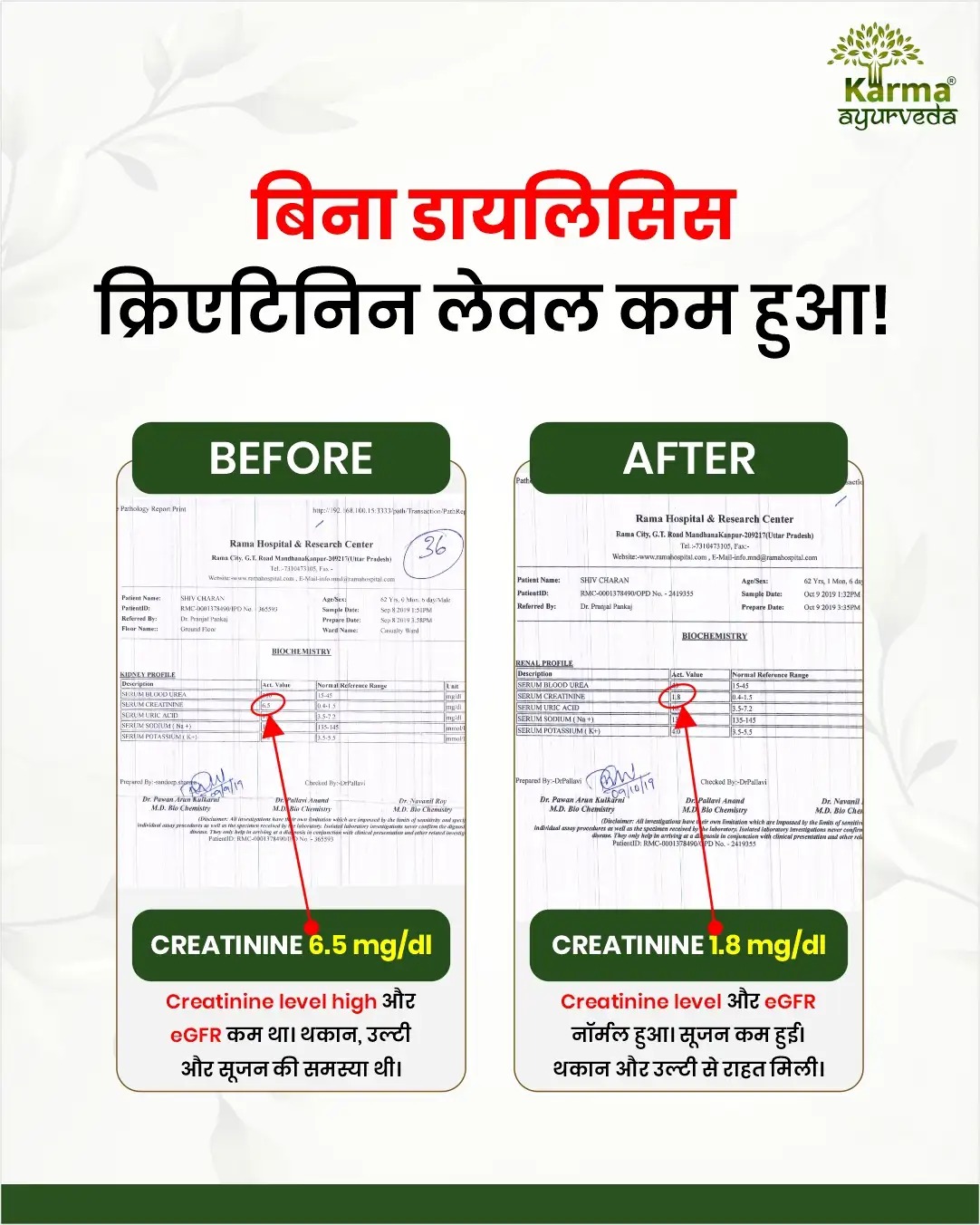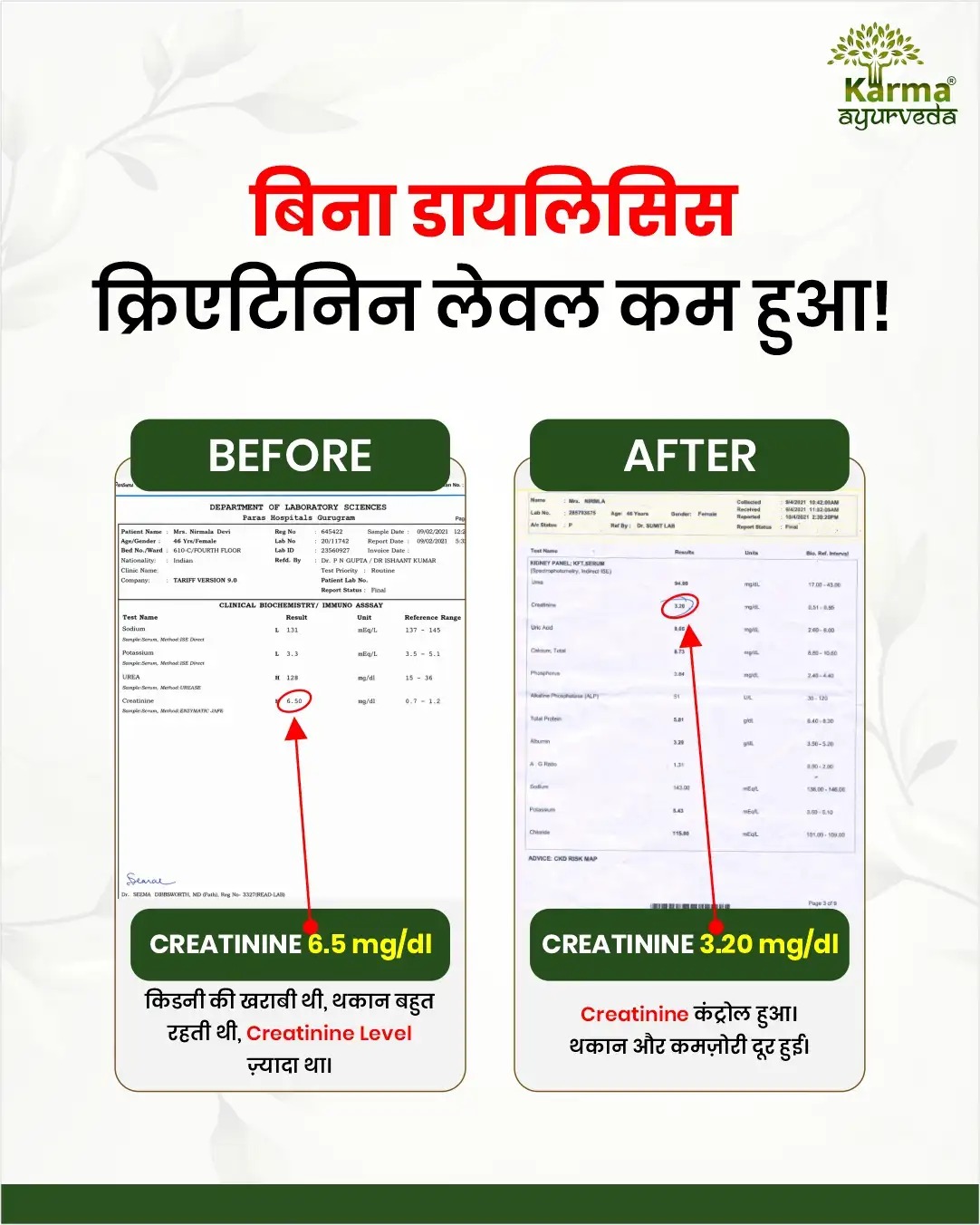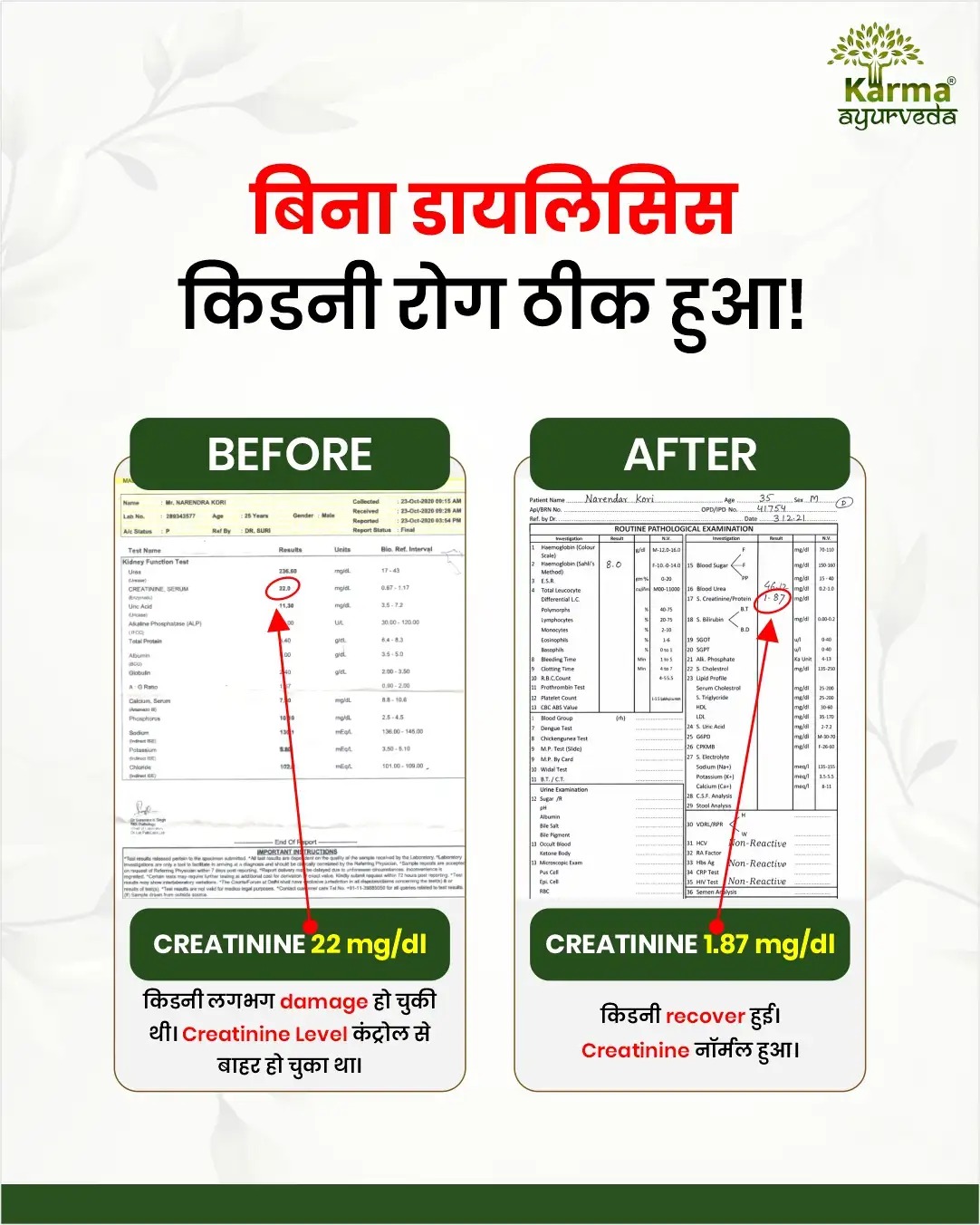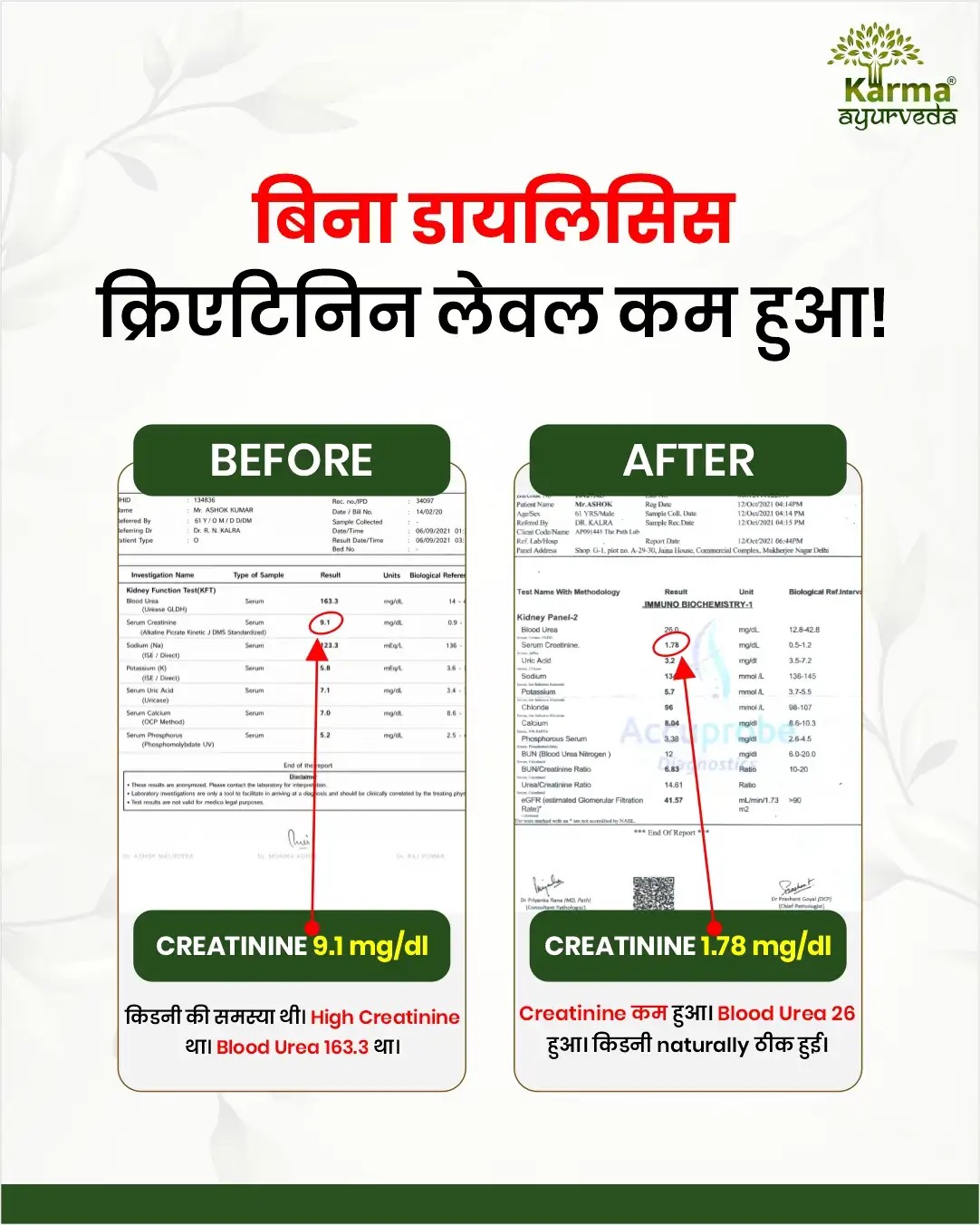
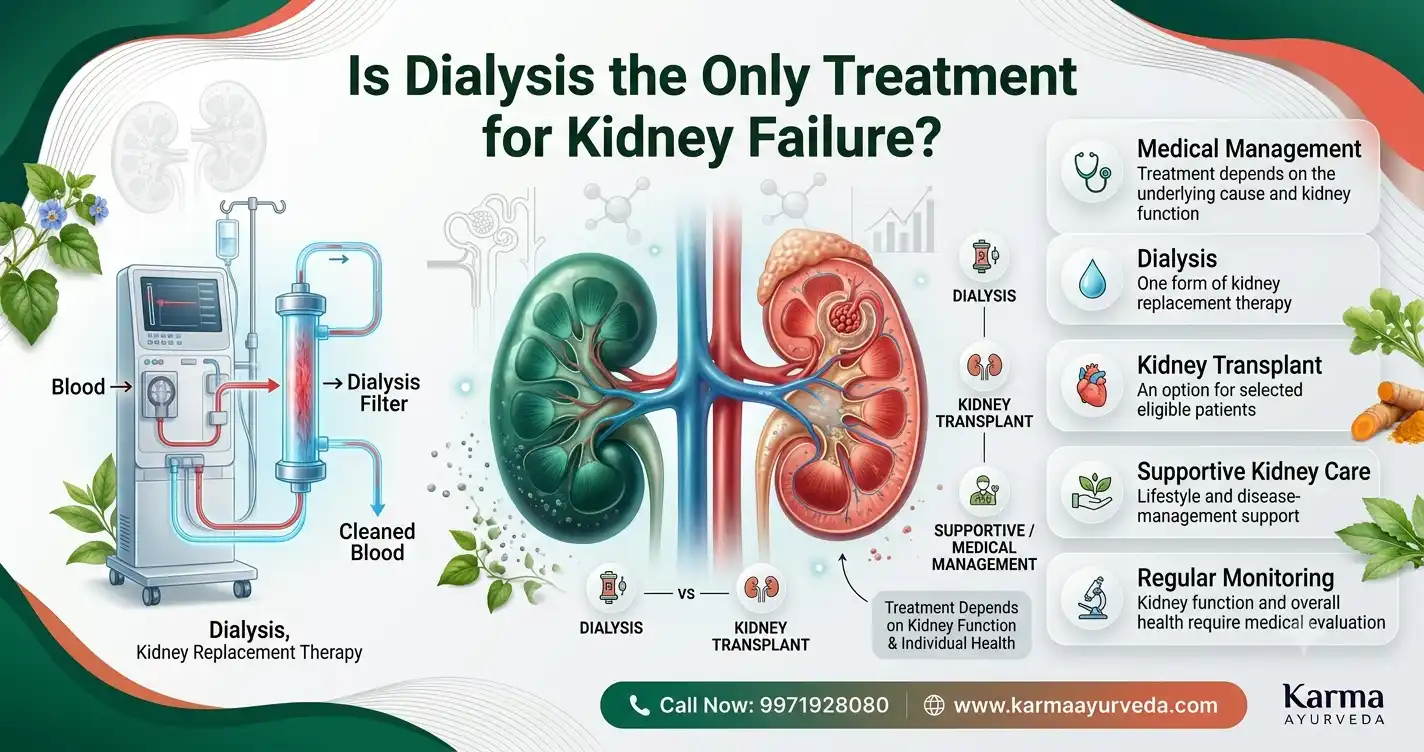
Is Dialysis the Only Treatment for Kidney Failure?
No, dialysis is not the only treatment for kidney failure. While it is often the most talked-about medical option, patients facing end-stage renal disease (ESRD) can also consider a kidney transplant, comprehensive conservative kidney management, or targeted medical therapies aimed at preserving remaining organ function.
If you or someone you love just received news about advanced chronic kidney disease, your mind is probably spinning. The word "dialysis" tends to loom over kidney discussions like a giant, dark cloud, making people feel as though they are automatically strapped to a machine for three days a week forever. But here is the reality: kidney care is not a one-size-fits-all conveyor belt.
Your kidneys work tirelessly behind the scenes filtering waste, balancing fluids, and keeping blood pressure in check. When they start giving up, medical science offers distinct pathways depending on age, health condition, personal goals, and lifestyle preferences. Understanding these dialysis alternatives empowers patients to make informed choices alongside their healthcare team.
Option 1: The Kidney Transplant (The Biological Upgrade)
When looking for a true alternative to hooking up to a machine, a kidney transplant stands as the definitive surgical solution for kidney failure treatments. Instead of replacing kidney function externally, a surgeon places a healthy working kidney from a living or deceased donor into the lower abdomen.
Think of it like swapping out a sputtering, worn-out car engine for a smooth, freshly tuned model. Once connected, the new organ takes over filtering waste, balancing fluids, and producing essential hormones right away.
Why Many Consider It the Gold Standard
- Freedom from the machine: No more sitting in a clinic three times a week for four-hour sessions or performing nightly home exchanges.
- Better long-term survival: Research consistently demonstrates that a successful transplant offers a higher life expectancy compared to remaining on long-term dialysis.
- Fewer dietary restrictions: While you still need to eat healthy, you get much more leeway with fluids, potassium, and sodium.
The Catch (Because Everything Has One)
Transplant surgery is a major medical procedure, and finding a matching donor kidney takes time—sometimes several years on a waiting list. Furthermore, recipients must take daily anti-rejection medications for as long as the new organ functions. These drugs keep the immune system from attacking the new organ, which requires careful monitoring for side effects and infection risks.
A landmark study published in the New England Journal of Medicine confirmed that receiving a transplant—especially from a living donor—significantly reduces long-term mortality and improves physical vitality compared to remaining on chronic dialysis.
Option 2: Conservative Kidney Management (Prioritizing Quality of Life)
What if someone is very elderly, frail, or dealing with multiple severe health conditions where dialysis might cause more physical distress than benefit? This is where conservative kidney management (CKM) enters the picture.
Also known as non-dialytic supportive care, conservative kidney management focuses entirely on preserving existing kidney function, minimizing symptoms, and maintaining overall quality of life without ever starting dialysis or undergoing a transplant. It is not "giving up"—it is an active, structured medical strategy centered on human comfort and patient dignity.
What CKM Involves
- Active symptom control: Using targeted medications to control fluid buildup, nausea, fatigue, itching, and anemia.
- Medication adjustments: Fine-tuning blood pressure treatments and electrolyte balance to protect remaining nephrons.
- Personalized kidney diet: Working with a renal dietitian to craft a low-protein, low-sodium eating plan that minimizes metabolic waste burden.
- Palliative care integration: Focusing on emotional support, comfort, and keeping patients active at home rather than in hospital waiting rooms.
A comprehensive 2025 Cochrane Systematic Review evaluated dozens of clinical studies comparing conservative kidney management to dialysis in adults aged 65 and older. The findings highlighted that while dialysis can extend life span in some older adults, CKM often provides comparable health-related quality of life and allows patients to avoid frequent hospital stays and invasive vascular procedures.
Option 3: Medical Management & SGLT2 Inhibitors (Slowing the Decline)
Before kidney disease reaches absolute failure, medical therapies can dramatically slow down organ deterioration. If caught in earlier stages of advanced chronic kidney disease, aggressive pharmacological intervention can delay the need for dialysis or transplantation by years.
In recent years, nephrology has seen major breakthroughs. A category of medications called SGLT2 inhibitors (originally developed for type 2 diabetes) has transformed how doctors protect kidney function.
The landmark DAPA-CKD Trial, published in the New England Journal of Medicine, studied thousands of patients with chronic kidney disease. The study revealed that the SGLT2 inhibitor dapagliflozin reduced the risk of kidney failure progression and cardiovascular death by an impressive 39%, regardless of whether the patient had diabetes!
Alongside SGLT2 inhibitors, standard supportive therapies include:
- RAAS Inhibitors (ACE inhibitors or ARBs): Blood pressure medications that reduce pressure inside the kidney’s delicate filtering units.
- Potassium and Phosphate Binders: Drugs that prevent toxic chemical buildup in the bloodstream when kidneys struggle to clear them.
- Anemia Management: Treatments such as iron supplements or erythropoietin-stimulating agents to keep red blood cell counts steady and energy levels up.
Comparing Your Options at a Glance
- Dialysis (HD / PD): Primary Goal: Artificially filter blood waste | Time Commitment: Heavy (hours per week attached to equipment) | Lifestyle Impact: Strict food/fluid limits, schedule restrictions | Vibe Check: "I have a part-time job with a filter machine."
- Kidney Transplant: Primary Goal: Replace lost kidney function biologically | Time Commitment: Initial surgery recovery, then routine checkups | Lifestyle Impact: High freedom, daily anti-rejection meds | Vibe Check: "New kidney, new lease on life!"
- Conservative Management: Primary Goal: Maximize comfort & quality of life | Time Commitment: Focuses on home comfort & periodic clinic visits | Lifestyle Impact: Custom renal diet, no machine attachments | Vibe Check: "Keep me comfortable, peaceful, and at home."
The Power of the Renal Diet & Lifestyle
Regardless of which medical path someone chooses, lifestyle modifications play a crucial supporting role. Adopting a personalized kidney diet for renal failure helps keep waste products from accumulating in the bloodstream in the first place. Key lifestyle adjustments include:
- Sodium control: Keeps fluid retention down and protects blood pressure.
- Potassium & phosphorus balancing: Prevents heart rhythm complications and bone mineral weakness.
- Protein optimization: Eating just enough high-quality protein to prevent muscle wasting without overloading the kidneys with nitrogen waste.
- Hydration awareness: Adjusting fluid intake based on individual urine production and swelling levels.
Key Takeaways
- Dialysis is not mandatory: It is one of several valid kidney failure treatments, not the sole destination.
- Transplants offer the best long-term outcomes: A successful kidney transplant replaces kidney function completely, offering superior freedom and longevity.
- Conservative care prioritizes comfort: Conservative kidney management focuses on quality of life and symptom relief without blood-filtering machines.
- Medications buy valuable time: Drugs like SGLT2 inhibitors can significantly delay organ decline if started in earlier stages of chronic kidney disease.
- Personal preference matters: The right decision depends on age, overall health, personal values, and open discussions with your nephrologist.
Frequently Asked Questions (FAQs)
Can you live a normal life with kidney failure without dialysis?
Yes, choosing conservative kidney management allows individuals to focus on quality of life, symptom relief, and daily comfort without machine treatments.
How long can a person survive with kidney failure without dialysis?
Survival varies from a few weeks to several months or even years depending on residual kidney function, overall health, and symptom care.
What is the success rate of a kidney transplant compared to dialysis?
Research shows a kidney transplant generally provides significantly higher long-term survival rates and better overall physical vitality than chronic dialysis.
Do medications like SGLT2 inhibitors prevent kidney failure?
Clinical trials confirm SGLT2 inhibitors slow kidney function loss and lower the risk of reaching end-stage kidney failure.
Can changing your diet cure stage 5 kidney failure?
A specialized renal diet manages symptoms and waste buildup effectively, but it cannot rebuild permanently damaged kidney tissue.
Medical Disclaimer
This article is for informational and educational purposes only and should not replace professional medical advice, diagnosis, or treatment. Always consult a qualified nephrologist or healthcare provider regarding any questions about kidney disease, treatment options, or personal health choices. Never disregard or delay seeking medical advice based on online content.