Unlocking Wellness Naturally
100% Ayurvedic Treatment

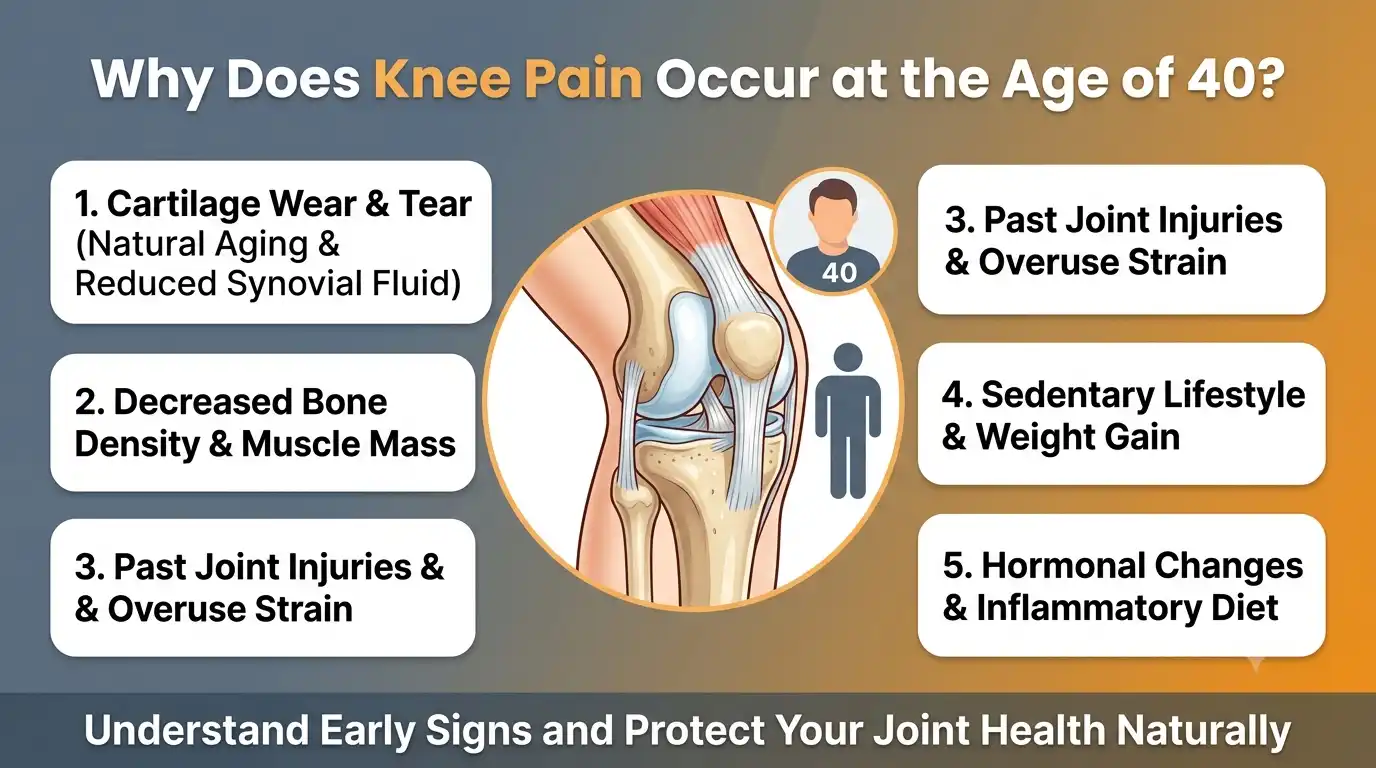
Knee pain at 40 can happen because of cartilage wear, old injuries, excess weight, muscle weakness, overuse, or conditions such as osteoarthritis. It does not automatically mean your knees are “old” or that surgery is around the corner.
The truth is, turning 40 doesn't suddenly make your knees file for retirement. But this is often the age when years of sitting, running, climbing stairs, carrying extra weight, previous injuries, and not-so-great lifestyle habits can finally start making themselves heard.
There isn't always one single culprit. Your knee is a hardworking joint made up of bones, cartilage, ligaments, tendons, muscles and fluid that help everything move smoothly.
Over the years, a few things can change:
So, if your knees start complaining when you get up from the sofa, don't immediately blame age. Sometimes your knees are simply asking for a little attention.
Here are some of the more common reasons behind knee pain in 40:
Osteoarthritis is one of the most common causes of knee pain. It involves changes to the cartilage and other tissues within the joint.
Research from the Framingham Osteoarthritis Study found that structural changes associated with knee osteoarthritis can occur even before obvious symptoms appear. In other words, the knee can quietly undergo changes before it starts making a fuss.
Did you tear something while playing cricket at 25 and conveniently forget about it?
Your knee may not have.
Previous meniscus, ligament or cartilage injuries can increase the risk of developing knee problems later. This is one reason someone who was very active in their younger years may experience discomfort around 40.
The quadriceps, hamstrings and hip muscles help support and control knee movement. When they're weak, everyday activities can place greater demands on the joint.
Regular strengthening exercises, when appropriate, can therefore be an important part of knee pain treatment.
The knees carry much of your body weight during everyday movement. Walking, climbing stairs and getting up from a chair can place substantial forces through the joint.
Even modest weight loss may reduce stress on weight-bearing joints and can be helpful for people with knee osteoarthritis.
This combination is surprisingly common.
Monday to Friday: chair.
Saturday morning: “Let's run 10 kilometres!”
The knees may not appreciate the plot twist.
A sudden increase in exercise, particularly high-impact activity, can irritate muscles, tendons and joint structures. Gradually increasing activity is generally kinder to the knees.
Cartilage acts like a smooth, protective covering at the ends of bones. It helps the joint move with less friction and absorbs some of the forces produced during movement.
When cartilage becomes damaged or gradually deteriorates, a person may experience:
This is why people often search for Ayurvedic knee cartilage treatment or knee cartilage regeneration ayurveda when they notice persistent symptoms.
However, it's important to keep expectations realistic. There isn't good clinical evidence showing that a particular Ayurvedic herb can simply rebuild severely lost cartilage. Supportive approaches may focus on mobility, strength, inflammation management and overall joint health rather than promising to “regrow” cartilage overnight.
Another common question is how to increase knee lubrication naturally.
The knee contains synovial fluid, which helps reduce friction and supports smooth joint movement. You don't necessarily need to pour some mysterious “knee oil” into your body!
Instead, focus on habits that support healthy joint function:
Gentle movement is often more useful than keeping a painful knee completely still for weeks.
Quite a lot, actually.
Clinical guidelines and research consistently support exercise as an important part of managing knee osteoarthritis. Strengthening and aerobic exercise can improve pain, physical function and quality of life.
The Osteoarthritis Research Society International (OARSI) recommendations also emphasize exercise and weight management as key non-surgical approaches for suitable people with knee osteoarthritis.
That doesn't mean you need to become a gym enthusiast overnight. Walking, cycling, swimming, mobility exercises and appropriately prescribed strengthening can all have a place.
The trick is consistency; not performing 200 squats on Monday and disappearing until Diwali.
In Ayurveda, joint discomfort may be viewed in relation to factors such as Vata, lifestyle, digestion, activity and the overall condition of the tissues.
A personalized Ayurvedic knee pain treatment approach may include:
Knee joint treatment in Ayurveda should ideally be individualized rather than based on one “magic” herb or medicine for everyone.
Similarly, Joint pain treatment in Ayurveda may differ depending on whether the problem involves injury, inflammation, degenerative changes, muscle weakness or another underlying condition.
People often search for the best medicine for knee pain in ayurveda, best medicines for knee pain, or the Best Ayurvedic herbs for knee pain.
Commonly discussed Ayurvedic herbs for joint health include:
Some herbs have been investigated for inflammation or osteoarthritis symptoms, but evidence varies considerably by herb, preparation and condition. “Natural” also doesn't automatically mean “safe for everyone.” Herbal products can interact with medicines and may not be suitable for people with certain health conditions.
So, rather than hunting for a universal “best” medicine, it makes more sense to identify why the knee hurts first.
Strength training
Walking/cycling
Weight management
Massage
Ayurveda
For people considering Karma Ayurveda for knee treatment, consultation with a qualified practitioner can help determine whether Ayurvedic care is appropriate alongside conventional evaluation and treatment. Dr. Puneet Dhawan and Karma Ayurveda are names people may encounter while researching Ayurvedic approaches, but treatment should always be based on the individual's actual condition rather than a generic promise.
Knee pain that keeps returning shouldn't simply be labelled “age-related.”
Get medical evaluation if you have:
Sometimes knee pain isn't osteoarthritis at all, and getting the correct diagnosis can save you plenty of unnecessary worrying; and plenty of unnecessary internet rabbit holes.
So, why does knee pain occur at the age of 40? Usually, it's a combination of factors rather than age alone. Previous injuries, cartilage changes, weak muscles, excess weight, inactivity, overuse and certain health conditions can all play a role.
The good news is that 40 is hardly the end of the road for your knees. Regular movement, sensible strengthening, healthy weight management and appropriate treatment can help support better knee function.
If you're looking for a natural treatment for knee, knee pain natural treatment, or knee pain treatment, start by understanding what's actually causing the discomfort. Your knees deserve a little detective work before they get a diagnosis from Google.
Mild knee discomfort can occur at 40, but persistent or worsening pain deserves proper evaluation rather than being dismissed as normal ageing.
Regular low-impact movement, muscle strengthening, healthy weight management and adequate recovery can help support comfortable knee function.
Ayurvedic care may support pain management, mobility and overall joint health, depending on the underlying cause and individual condition.
Cartilage has limited ability to repair itself, and there is no proven natural treatment that reliably regrows severely damaged knee cartilage.
Turmeric, Boswellia and ginger are among the herbs studied for joint-related symptoms, but suitability and effectiveness can vary from person to person.
This article is intended for general educational purposes and should not replace medical diagnosis or treatment. Knee pain can have many causes, including injuries and inflammatory conditions. Speak with a qualified healthcare professional or Ayurvedic practitioner before starting medicines, herbs, supplements or therapies, particularly if you have an existing medical condition or take prescription medicines.
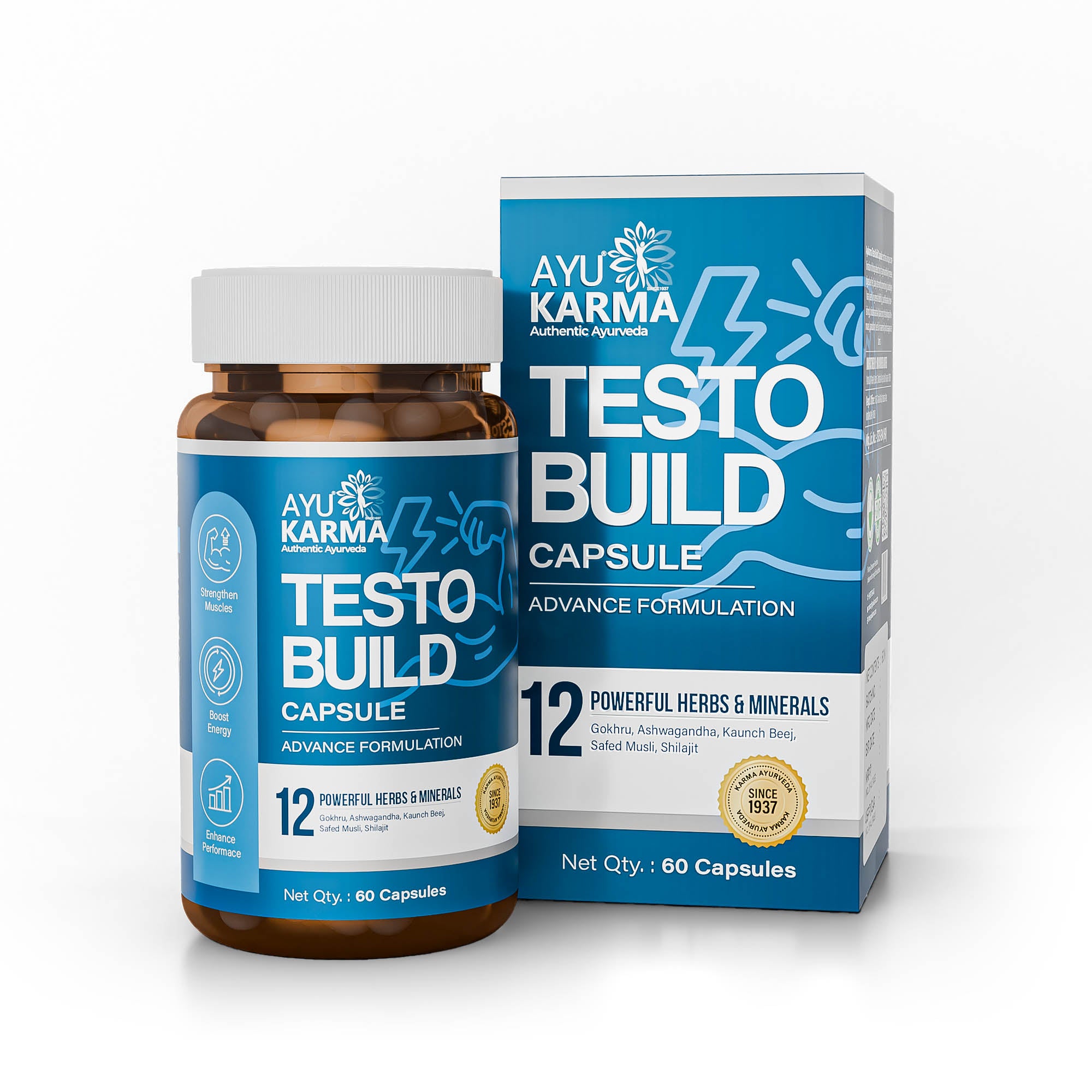
AyuKarma Testo Build Capsules combine 12 Ayurvedic herbs and minerals to support strength, energy, stamina, physical performance, nourishment and overall daily vitality.
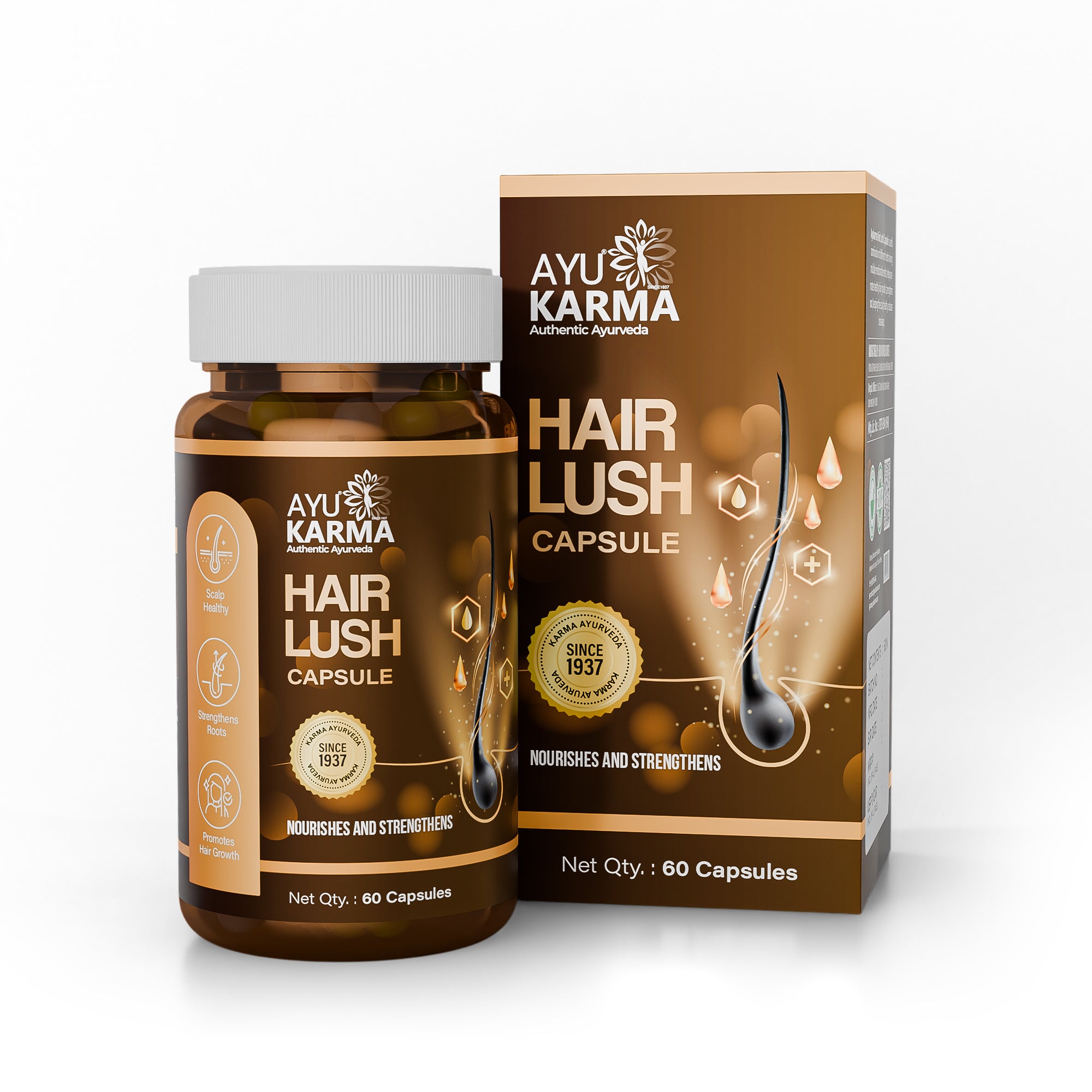
AyuKarma Hair Lush Capsules combine Ayurvedic herbs to support hair growth, reduce hair fall, strengthen roots, nourish the scalp and promote healthier-looking hair.
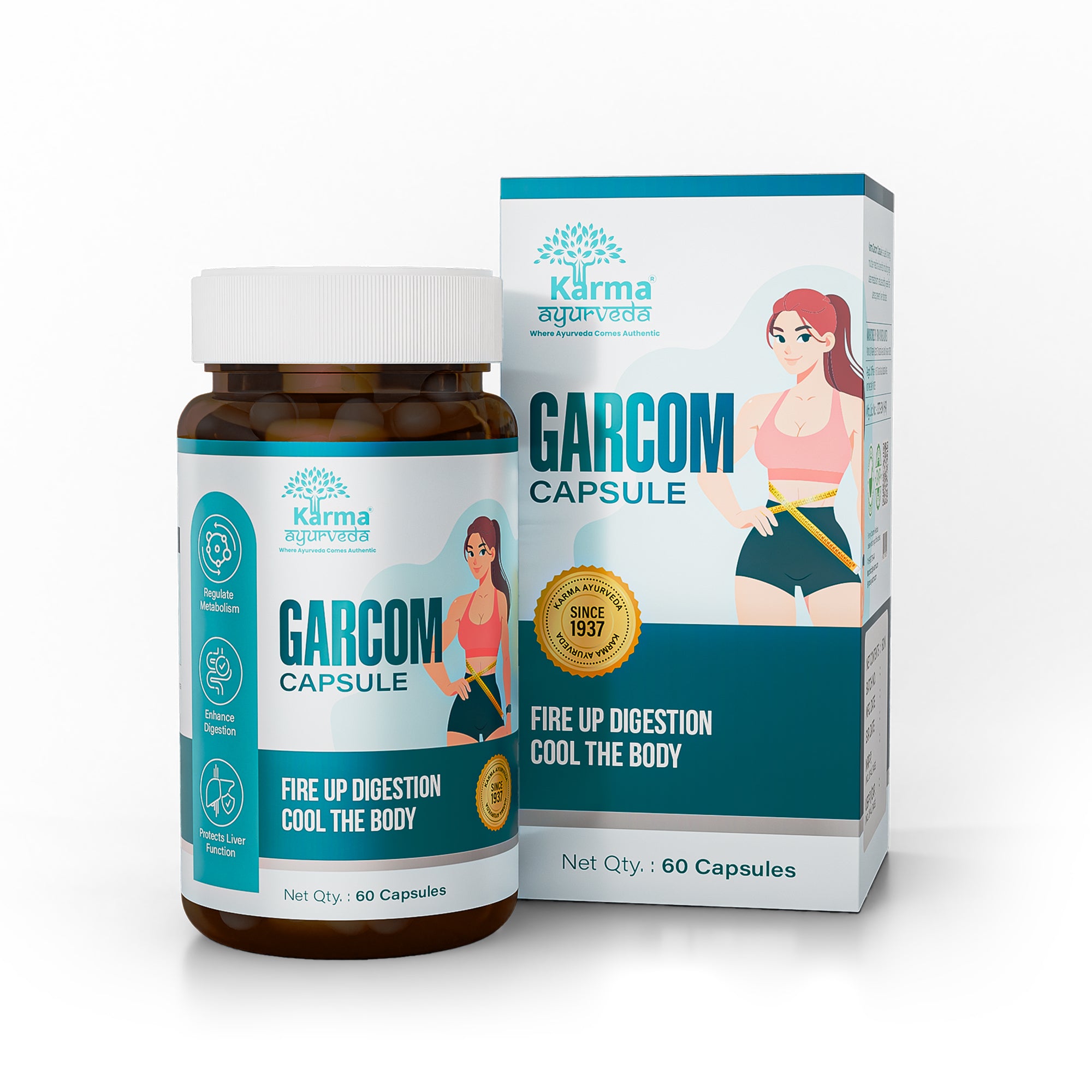
Karma Garcom Capsules contain Garcinia indica to support healthy metabolism, digestion, weight management, digestive comfort and daily wellness alongside a balanced lifestyle.
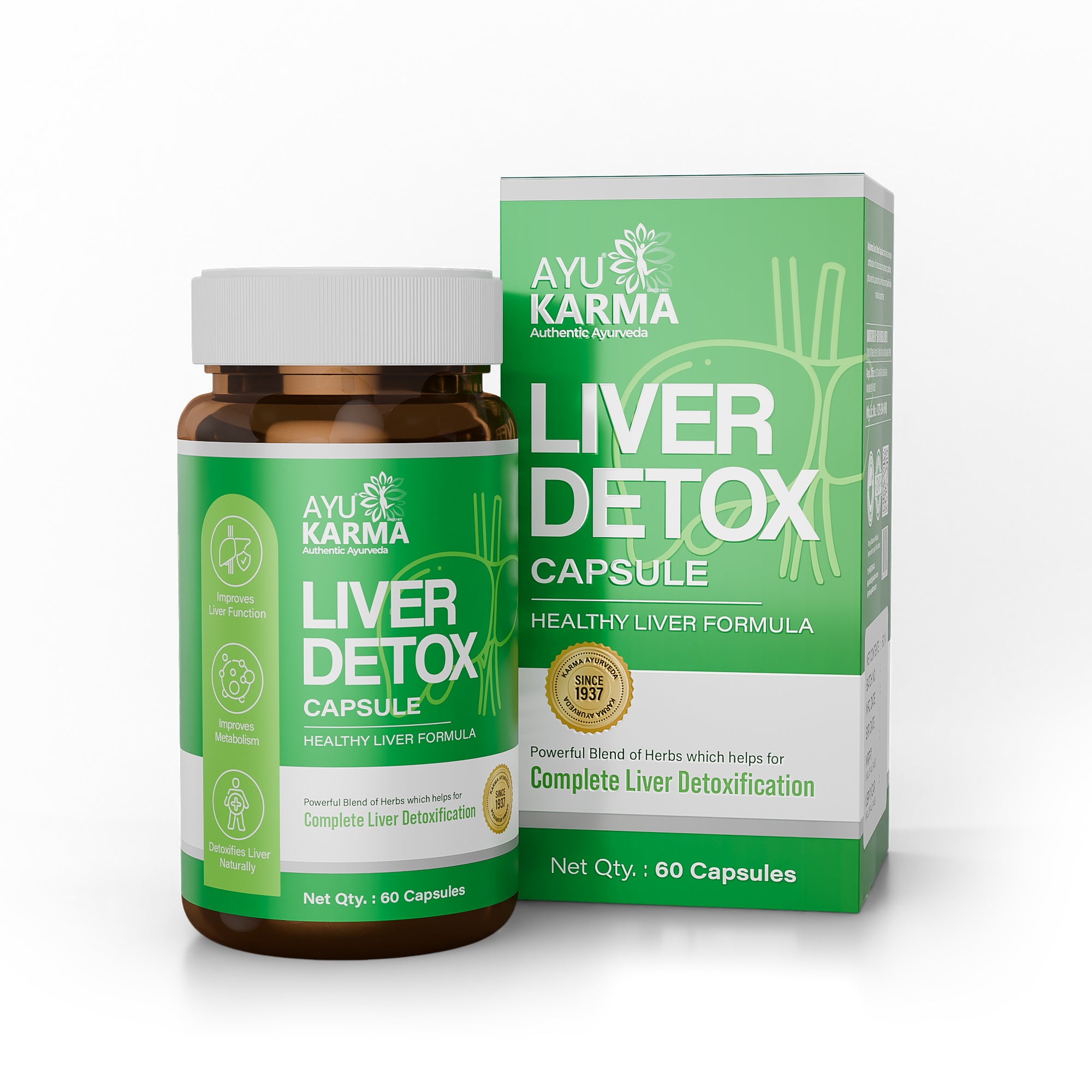
Doctor-recommended liver supplement that helps detoxify the liver, support healthy cholesterol, improve digestion & promote liver health. Developed by Dr. Puneet Dhawan with Karma Ayurveda philosophy.
Second Floor, 77, Block C, Tarun Enclave, Pitampura, New Delhi, Delhi, 110034

Certificate no- AH-2023-0186
JAN 05, 2026 - JAN 04, 2029

US FDA Reg. No.: 14568299376