Unlocking Wellness Naturally
100% Ayurvedic Treatment

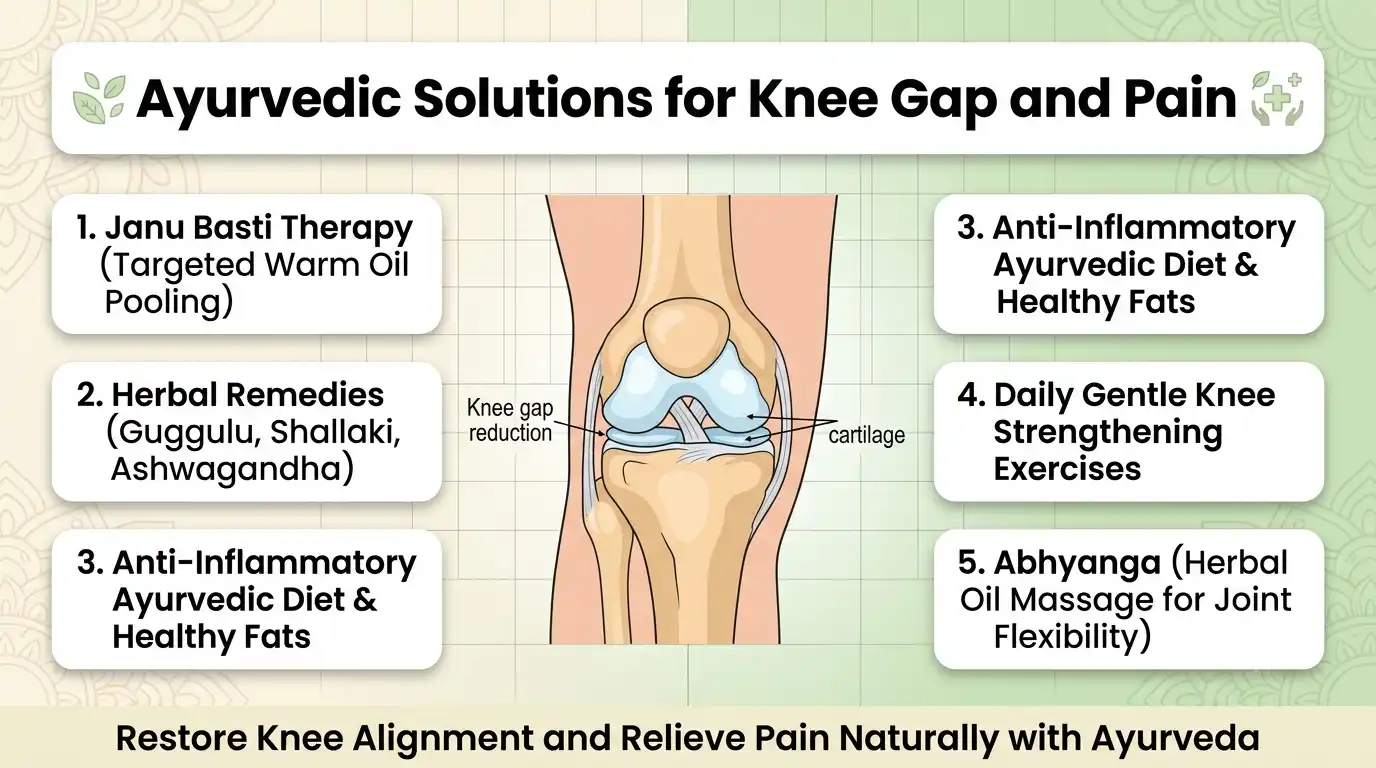
Ayurvedic solutions for knee gap and pain focus on balancing Vata dosha, reducing joint inflammation, restoring lost synovial lubrication, and encouraging natural tissue repair. Through herbal remedies, oil therapies, and lifestyle tweaks, ancient Indian wisdom offers a non-invasive path to bring your joint flexibility back without relying on endless painkillers.
If your knees have started making popping noises that sound like someone popping bubble wrap inside your leg, you are not alone. That stiff morning creak or the sudden sharp sting when walking down stairs is your joints waving a white flag. Millions of people look for Ayurvedic knee pain treatment to avoid harsh medications and expensive operations.
Modern life puts heavy demands on our bodies, leading many to search for an effective Ayurvedic treatment for knee gap. But before talking about solutions, it helps to understand why that gap shrinks and why your joints start complaining in the first place.
Think of your knee joint as a shock-absorbing car suspension. Between your thigh bone (femur) and shin bone (tibia) lies a cushion of smooth cartilage alongside a slippery fluid called synovial fluid. When this natural cushioning wears down from aging, inflammation, poor posture, or old injuries, the space between the bones shrinks.
This narrowing is what doctors call a reduced joint space (or knee gap). In Ayurveda, this breakdown is tied to an excess of Vata dosha. Vata represents the air and space elements; dry, cold, light, and moving. When Vata flares up, it dries out joint lubrication (Sleshaka Kapha) and causes wear and tear, leading to bone-on-bone friction.
While Western medicine often relies on pain management or joint replacements, knee joint treatment in ayurveda takes a root-cause approach. It focuses on soothing Vata, clearing internal toxins (Ama), and supporting knee cartilage regeneration ayurveda style through healing botanicals and warm oil therapies.
When exploring natural treatment for knee discomfort, herbs do the heavy lifting. These natural remedies work to calm inflammation, soothe pain, and encourage tissue repair.
Shallaki (Boswellia Serrata): The undisputed heavy hitter for joint care. Shallaki contains boswellic acids that prevent white blood cells from causing joint swelling. A study published in Complementary Therapies in Medicine (2026) confirmed that modified Boswellia formulations significantly reduce pain and joint stiffness while protecting cartilage cells.
Haridra (Curcumin / Turmeric): Turmeric is more than a kitchen staple; it is a potent anti-inflammatory agent. A meta-analysis in Seminars in Arthritis and Rheumatism noted that curcuminoids control inflammatory markers (like NF-κB), offering relief comparable to standard NSAIDs without stomach upset.
Ashwagandha (Withania Somnifera): Often called Indian Ginseng, Ashwagandha lowers stress while acting as a natural nerve tonic and muscle relaxant, making it one of the best herbs for joint pain.
Guggulu (Commiphora Mukul): Found in traditional formulas like Yograj Guggulu, this resin helps clear internal toxins and lubricates dry joints.
Nirgundi (Vitex Negundo): Known for relieving swelling, Nirgundi leaves are frequently used in warm compress oils for fast localized relief.
Looking for the best medicine for knee pain in ayurveda? It usually comes down to tailor-made herbal compounds like Lakhshadi Guggulu or Punar navadi Mandoor, prescribed to match your body type.
Consuming herbs internally is only half the battle. Ayurvedic knee cartilage treatment also relies on warm oil therapies that deliver deep relief directly to the joint.
Janu Basti: Warm, medicated oil (such as Mahanarayana Thailam) is held over the knee joint using a ring formed from black gram dough. This deep oil bath lubricates stiff tissues, calms dry Vata, and improves flexibility.
Patra Pinda Sweda: A herbal poultice filled with fresh leaves (like Nirgundi and Eranda) is dipped in warm oil and gently massaged over the knee. This heat therapy opens circulation and reduces swelling.
Janu Pichu: A soft cotton pad soaked in warm Ayurvedic oils is applied directly to the knee joint for prolonged soothing absorption.
Here is how joint pain treatment in ayurveda compares to conventional approaches:
Primary Goal
Main Tools
Side Effects
Long-Term Focus
For structured, non-surgical support, many turn to specialized centers like Karma Ayurveda for knee treatment. Under the guidance of Dr. Puneet Dhawan, the team uses personalized herbal plans, dietary changes, and classical oil treatments to help manage joint degeneration naturally. This holistic focus aims to slow down cartilage wear, reduce stiffness, and help patients maintain long-term mobility without relying on invasive procedures.
Using the best Ayurvedic herbs for knee pain works best alongside supportive daily habits:
Warm Oil Self-Massage: Rub warm sesame or mustard oil onto your knees every morning before bathing to keep Vata in check.
Focus on Warm, Cooked Foods: Avoid cold or raw foods that aggravate Vata. Opt for warm soups, cooked vegetables, healthy fats (like pure Ghee), and ginger tea.
Low-Impact Movement: Gentle exercises like swimming, light walking, or seated leg extensions build supporting muscle without overtaxing the cartilage.
While Ayurveda cannot reverse severe bone structural changes, it helps rebuild joint fluid, slow cartilage loss, and manage pain naturally.
Yes, authentic Ayurvedic herbal remedies carry a high safety profile when taken under professional supervision.
Most people notice reduced stiffness within 4 to 6 weeks of consistent herbs, therapies, and lifestyle adjustments.
Yes, gentle low-impact exercises strengthen surrounding muscles and improve the overall benefits of Ayurvedic care.
This article is for informational purposes only and does not constitute formal medical advice. Always consult a qualified physician or certified Ayurvedic practitioner before starting any new herbal treatments, oils, or physical regimens, especially if you have existing health conditions or severe joint degeneration.
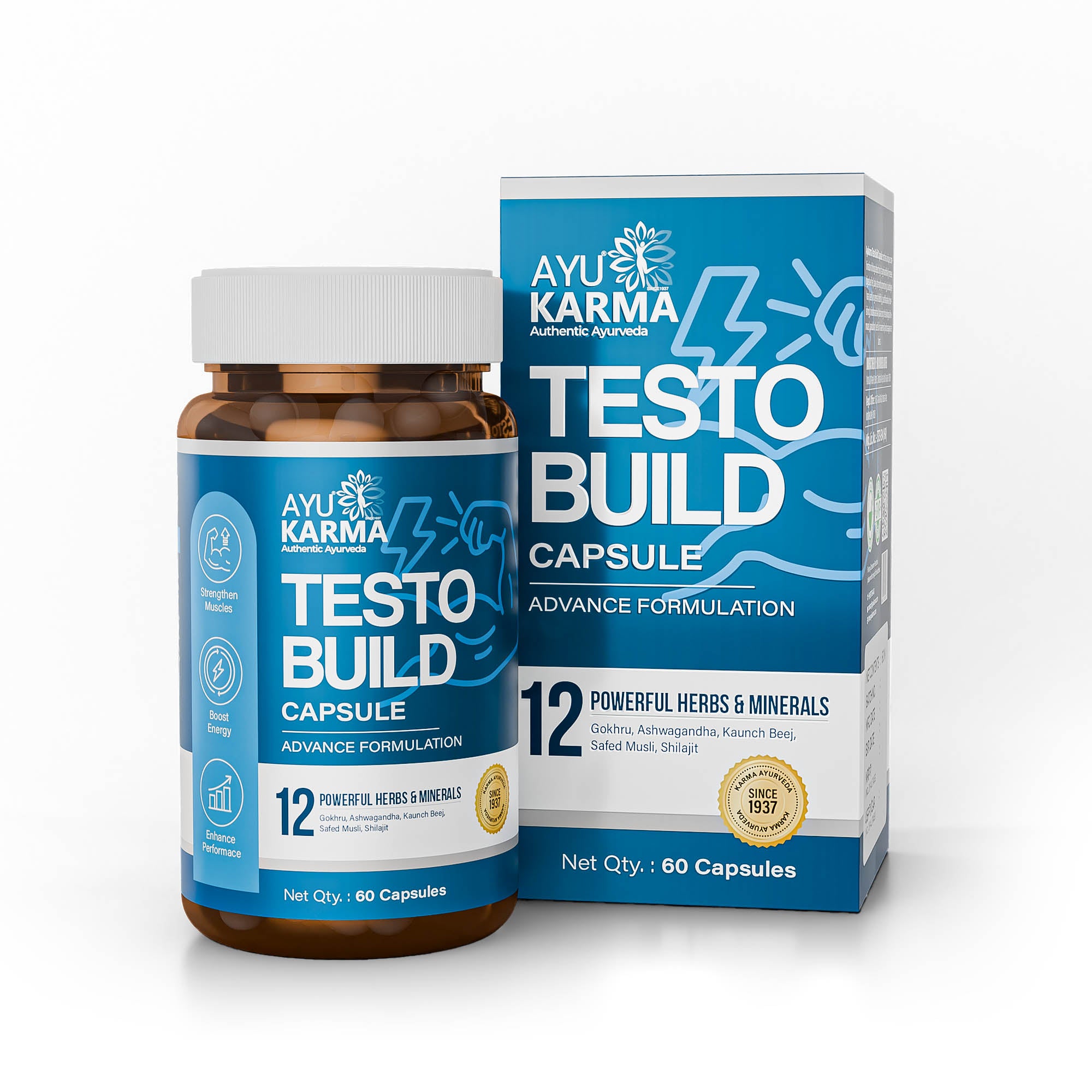
AyuKarma Testo Build Capsules combine 12 Ayurvedic herbs and minerals to support strength, energy, stamina, physical performance, nourishment and overall daily vitality.
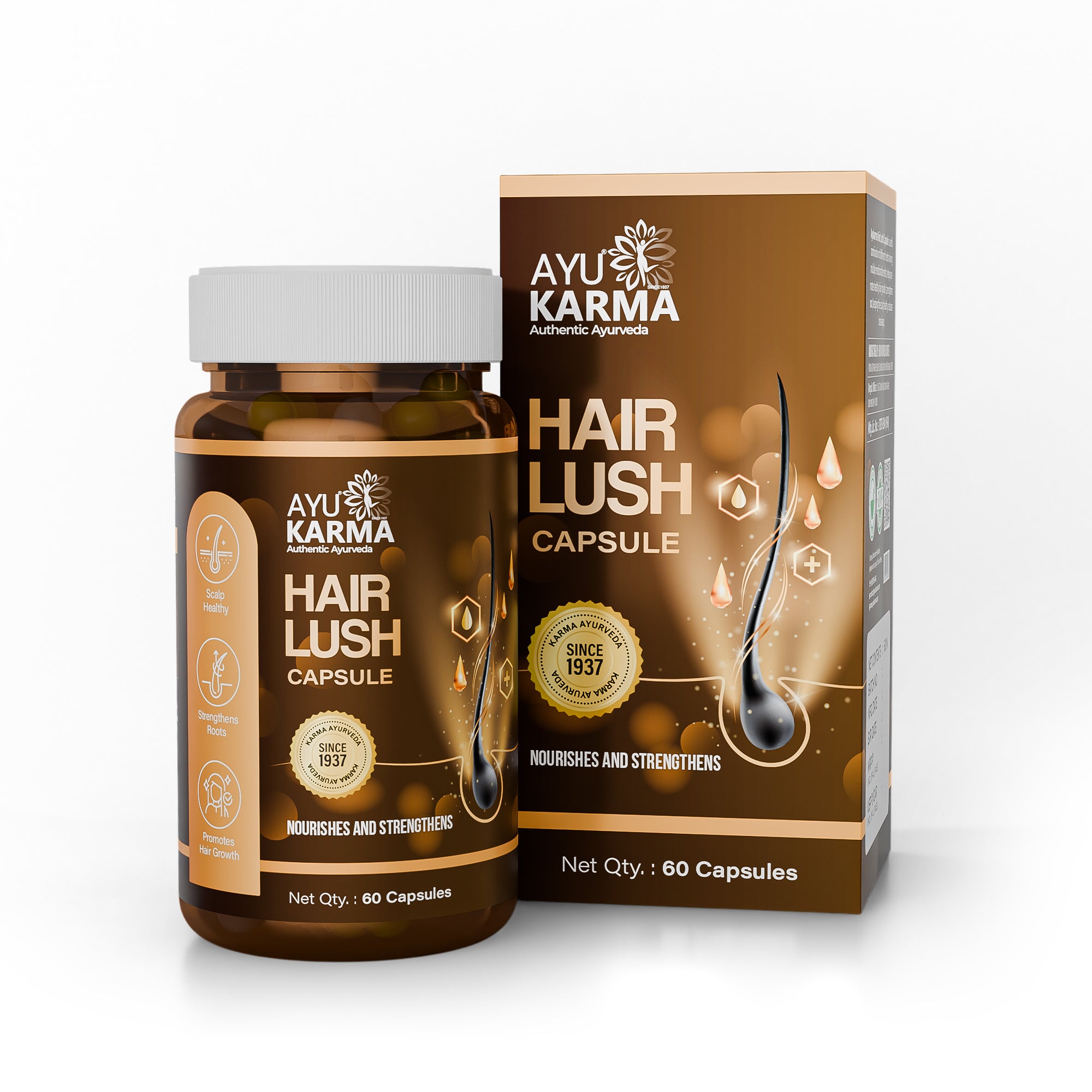
AyuKarma Hair Lush Capsules combine Ayurvedic herbs to support hair growth, reduce hair fall, strengthen roots, nourish the scalp and promote healthier-looking hair.
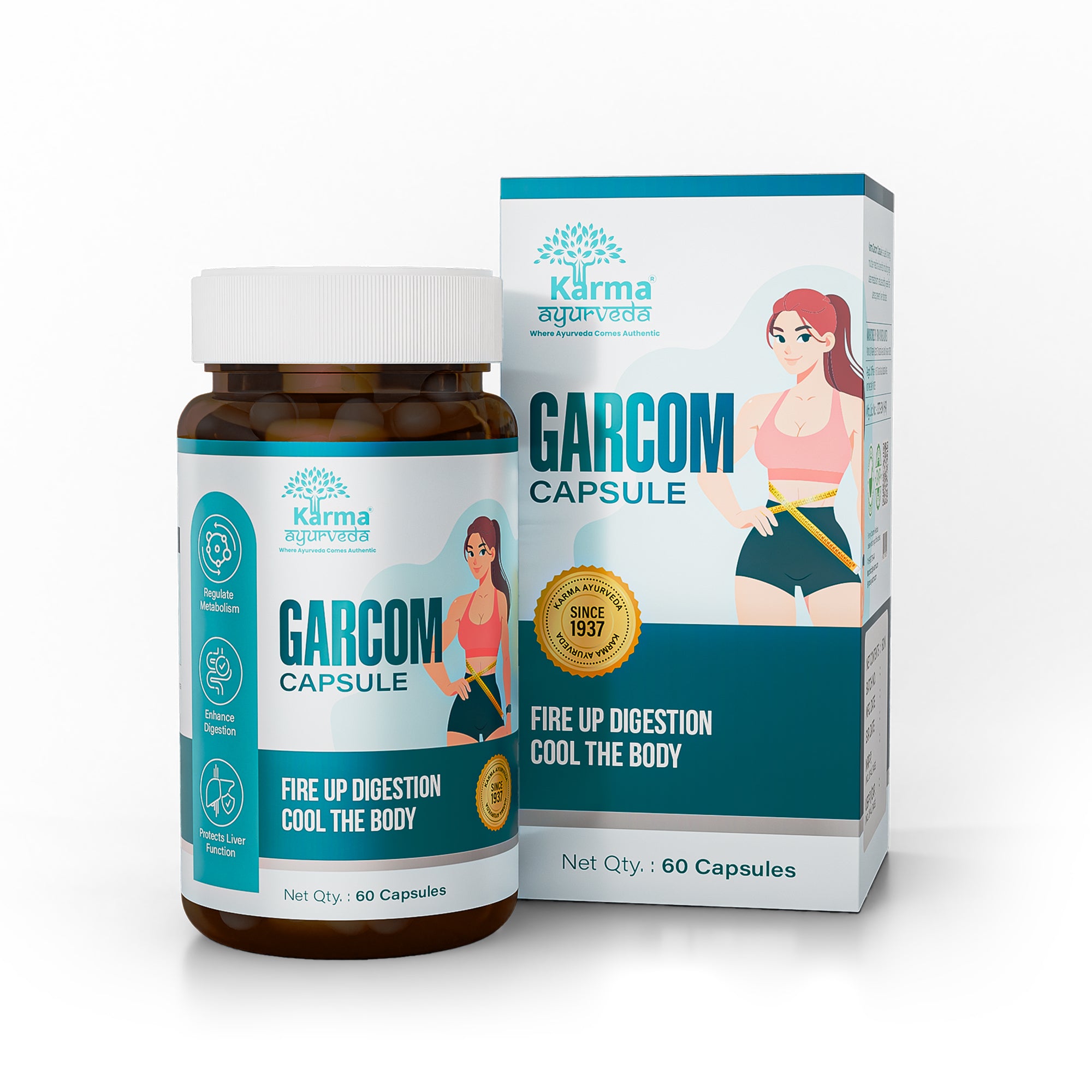
Karma Garcom Capsules contain Garcinia indica to support healthy metabolism, digestion, weight management, digestive comfort and daily wellness alongside a balanced lifestyle.
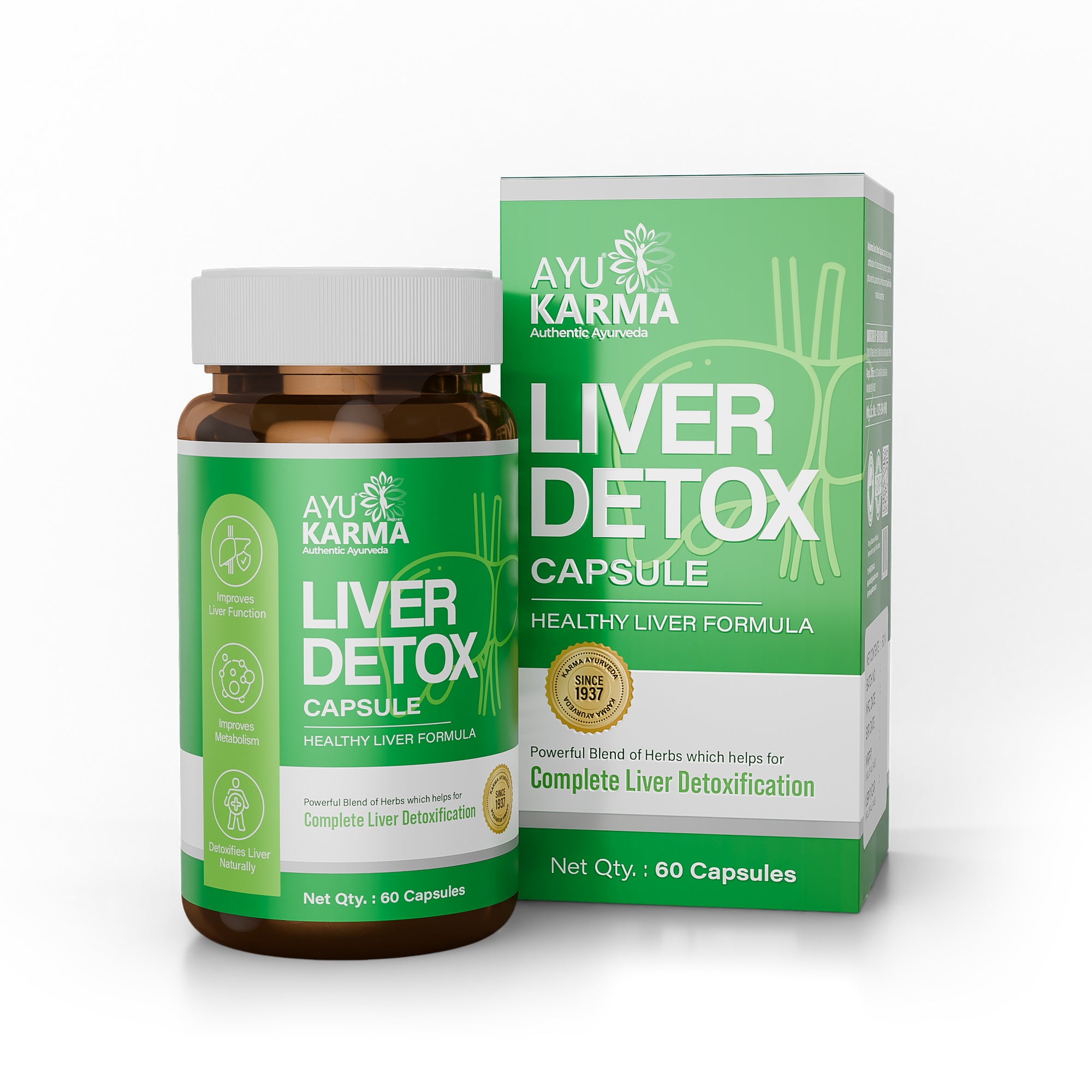
Doctor-recommended liver supplement that helps detoxify the liver, support healthy cholesterol, improve digestion & promote liver health. Developed by Dr. Puneet Dhawan with Karma Ayurveda philosophy.
Second Floor, 77, Block C, Tarun Enclave, Pitampura, New Delhi, Delhi, 110034

Certificate no- AH-2023-0186
JAN 05, 2026 - JAN 04, 2029

US FDA Reg. No.: 14568299376