Unlocking Wellness Naturally
100% Ayurvedic Treatment

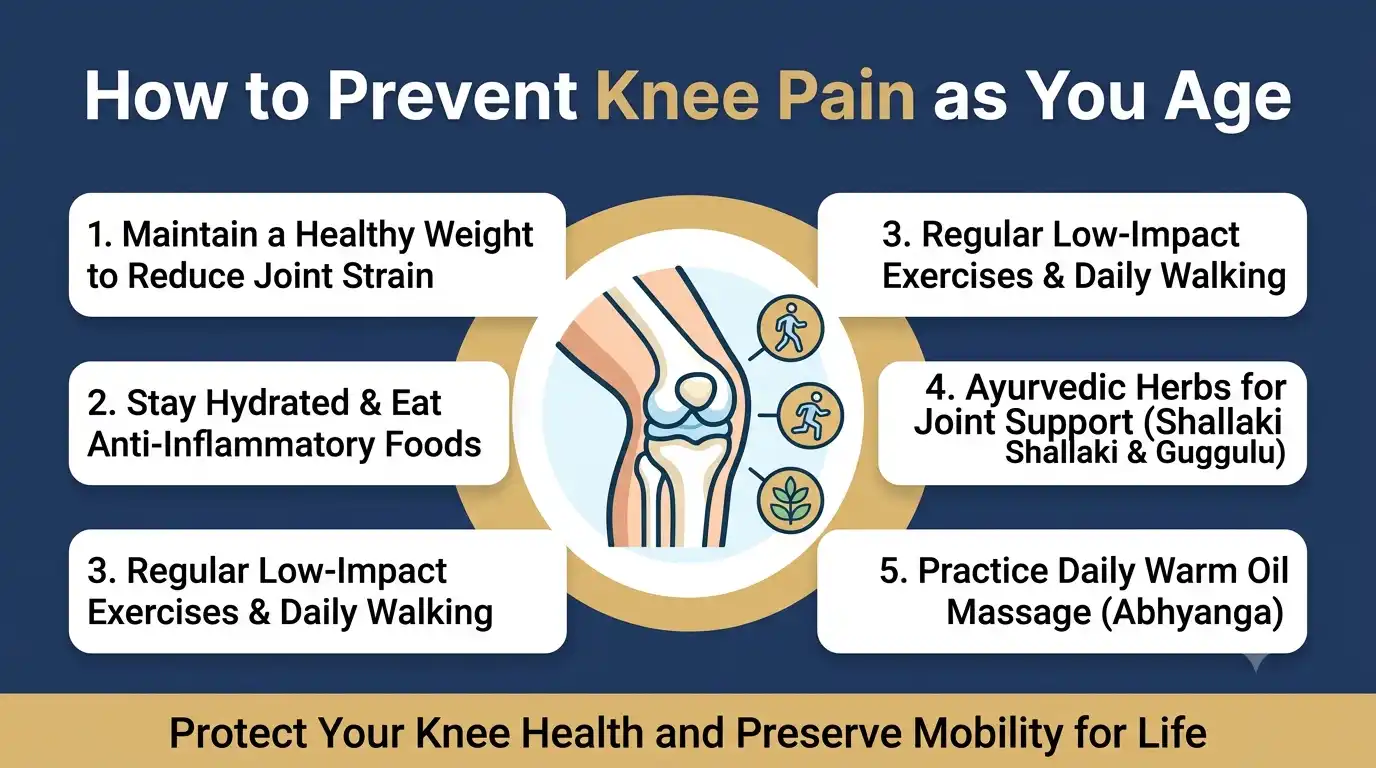
The good news is that preventing knee pain as you age is less about finding one magical remedy and more about giving your knees regular movement, sensible weight management, proper nutrition, and a little everyday care.
In other words, you don't have to wait for your knees to start complaining before you start listening to them.
Knees are wonderfully hardworking joints. They help you walk, climb stairs, squat, dance at weddings, chase grandchildren, carry groceries; and occasionally remind you that you are no longer 20. Some stiffness with age can happen, but persistent knee pain isn't something you simply have to accept as a birthday gift.
With the right habits, you can support your joints and reduce the chances of pain, stiffness and mobility problems as the years go by.
As we get older, the tissues around the knee can gradually change. The smooth cartilage that helps the bones move comfortably against each other may become thinner or damaged. Muscles can also become weaker, flexibility may decrease, and previous injuries can come back to haunt you.
This doesn't mean that everyone will develop knee arthritis.
Your knees don't automatically become "old" just because your birth certificate says so.
Several factors can influence knee health, including:
The American College of Rheumatology and Arthritis Foundation recommends exercise and, when appropriate, weight loss as important parts of managing knee osteoarthritis.
One of the simplest rules for healthy knees is also one of the easiest to ignore: keep moving.
Regular, low-impact activity can help maintain muscle strength and joint function. Walking, cycling, swimming, water exercise and appropriate strength training are usually kinder to the knees than repeatedly pounding them with high-impact activity.
You don't need to suddenly become a marathon runner.
Even a consistent daily walking routine can be a useful starting point.
Try to include:
If you already have significant knee pain, swelling or instability, it's sensible to speak with a doctor or physiotherapist about which exercises suit you.
Think of your muscles as the support team for your knees. When the muscles around your thighs, hips and legs are strong, they can help you perform everyday movements more efficiently.
Exercises such as:
may be incorporated into a suitable strengthening routine.
The trick is consistency.
Doing 10 minutes three times a week is generally more useful than doing an ambitious two-hour workout once every six weeks and then walking around like you've personally offended every muscle in your body.
This is not about chasing a particular body shape. It's about reducing unnecessary load on your joints.
For people who are overweight and have knee osteoarthritis, even modest weight loss may improve symptoms and function. The ACR/Arthritis Foundation guideline notes that benefits can increase as weight loss reaches 5–10% and beyond. ([PubMed Central (PMC)](https://pmc.ncbi.nlm.nih.gov/articles/PMC11488261/?utm_source=chatgpt.com))
A practical approach includes:
Your knees aren't asking you to become a fitness model. They'd probably be perfectly happy if you simply made their daily workload a little easier.
An old sports injury, ligament problem or meniscus injury can sometimes contribute to future joint problems.
If you've previously injured your knee, don't simply return to normal activity because the pain disappeared.
Proper rehabilitation can help restore:
This is one of the underrated parts of preventing knee pain: taking care of small problems before they become bigger ones.
Knee health isn't only about exercise. It's also about what you do for the other 23 hours of the day.
If your work involves prolonged standing, frequent squatting, climbing stairs or lifting heavy objects, pay attention to how your body handles those activities.
A few simple habits can help:
And yes, sitting on the floor for three hours and then blaming your knees for refusing to unfold like origami may not be the best strategy.
There isn't one food that can rebuild a worn-out knee overnight. Unfortunately, turmeric doesn't come with a tiny construction crew carrying bricks of cartilage.
However, a balanced diet can support overall health and help manage factors associated with joint problems.
Consider including:
Some herbs have also been studied for their potential role in knee osteoarthritis symptoms.
A 2021 systematic review of randomized trials found that turmeric or curcumin supplementation was associated with improvements in pain and physical function in people with knee osteoarthritis, although questions remain about the best formulation and dosage.
A 2024 systematic review and meta-analysis also found that evidence for Boswellia is promising but still needs stronger, higher-quality research.
So when people search for the best herbs for joint pain or best Ayurvedic herbs for knee pain, turmeric and Boswellia often enter the conversation; but "natural" doesn't automatically mean "right for everyone."
Ayurveda traditionally takes a broader approach to joint care, looking at diet, daily routine, movement, external therapies and herbal preparations rather than focusing only on the painful spot.
This is where terms such as Ayurvedic knee pain treatment, knee joint treatment in Ayurveda, Joint pain treatment in Ayurveda, and Natural treatment for knee commonly come into the discussion.
Depending on the individual, an Ayurvedic practitioner may consider approaches involving:
However, it's important to keep expectations realistic.
Searches for knee cartilage regeneration ayurveda or Ayurvedic knee cartilage treatment can sometimes make it sound as though damaged cartilage can simply be rebuilt at home. Current evidence doesn't support promising that any Ayurvedic remedy can reliably regenerate severely damaged human knee cartilage.
Ayurvedic approaches may be considered as complementary care for symptoms and overall joint support, rather than a guaranteed cartilage-rebuilding solution.
People often search for Knee pain natural treatment, best medicine for knee swelling in ayurveda, or best medicines for knee pain because they want something gentle.
That's understandable.
But herbal products can still interact with medications or cause side effects. If you take blood thinners, diabetes medicines, blood-pressure medicines or other regular medications, discuss herbal supplements with your healthcare professional before starting them.
The same applies if your knee is suddenly very swollen, hot, red or extremely painful.
That's not the moment for a kitchen experiment.
Research around natural compounds is encouraging but should be interpreted sensibly.
A 2018 systematic review and meta-analysis covering 11 randomized controlled trials and 1,009 participants found that curcuminoid and Boswellia preparations showed potential benefits for knee osteoarthritis pain and function, while also noting that the overall evidence wasn't strong enough for firm clinical recommendations. ([PubMed](https://pubmed.ncbi.nlm.nih.gov/29622343/?utm_source=chatgpt.com))
More recently, a 2026 systematic review and network meta-analysis involving 20 randomized controlled trials and 1,633 participants reported potential benefits from certain formulations of turmeric and Boswellia for knee osteoarthritis symptoms, while calling for further research. ([PubMed](https://pubmed.ncbi.nlm.nih.gov/41082950/?utm_source=chatgpt.com))
That's an important distinction: promising evidence is not the same thing as a guaranteed cure.
Don't try to manage everything at home.
Get your knee evaluated if you experience:
Early evaluation can help identify whether you're dealing with osteoarthritis, an injury, inflammation or another problem.
And if you're considering Karma Ayurveda for knee treatment or consulting Dr. Puneet Dhawan, it's still sensible to understand the cause of your knee symptoms first and discuss any treatment plan with an appropriately qualified healthcare professional.
You don't need a complicated 17-step routine. Start here:
Small habits may look boring. But boring habits have a remarkable talent for working.
Preventing knee pain as you age isn't about keeping your knees frozen in time. It's about helping them stay strong, mobile and useful for as long as possible.
Move regularly, strengthen the muscles around your knees, maintain a healthy weight, eat sensibly and take injuries seriously. Ayurvedic approaches and herbs such as turmeric and Boswellia may have a role in supporting symptoms for some people, but they should be viewed realistically and used thoughtfully.
Your future knees will probably appreciate the effort. They may not send you a thank-you card, but getting up the stairs without complaining is basically their version of one.
Yes, healthy weight, regular exercise, muscle strengthening and early attention to injuries can help reduce the risk of knee problems.
Regular low-impact exercise, strengthening, healthy weight management and appropriate nutrition are among the most useful natural approaches.
There isn't enough clinical evidence to say that Ayurvedic treatment can reliably regenerate significantly damaged knee cartilage.
Turmeric and Boswellia have some research supporting their potential for improving knee osteoarthritis symptoms.
Persistent, severe or worsening pain, major swelling, instability, locking, redness or difficulty walking deserves professional evaluation.
This article is for general educational purposes and isn't a substitute for medical diagnosis or treatment. Knee pain can have many causes, and treatment should depend on the underlying problem. Consult a qualified healthcare professional before starting herbs, supplements, exercises or any new treatment, especially if you have existing medical conditions or take regular medicines.
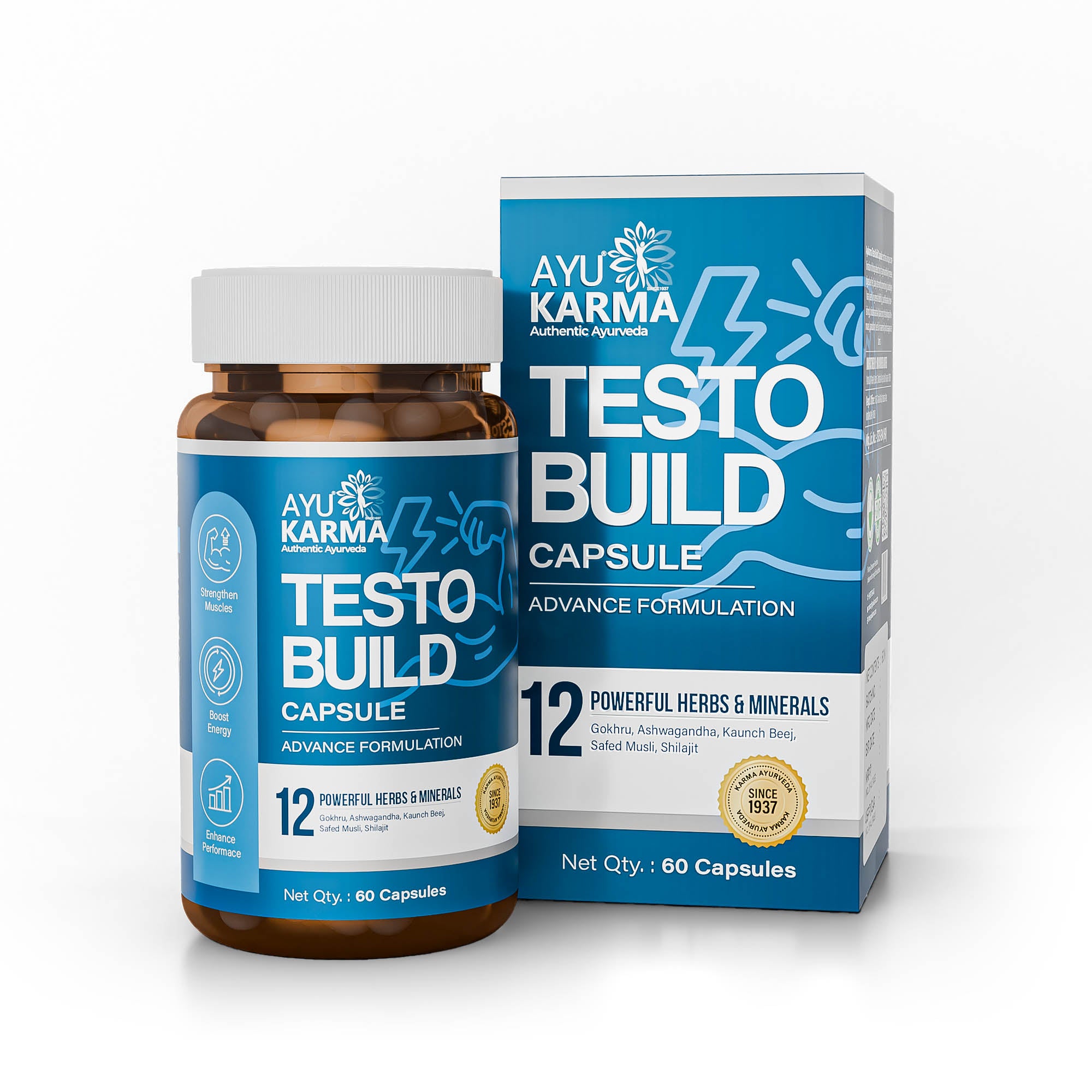
AyuKarma Testo Build Capsules combine 12 Ayurvedic herbs and minerals to support strength, energy, stamina, physical performance, nourishment and overall daily vitality.

AyuKarma Hair Lush Capsules combine Ayurvedic herbs to support hair growth, reduce hair fall, strengthen roots, nourish the scalp and promote healthier-looking hair.
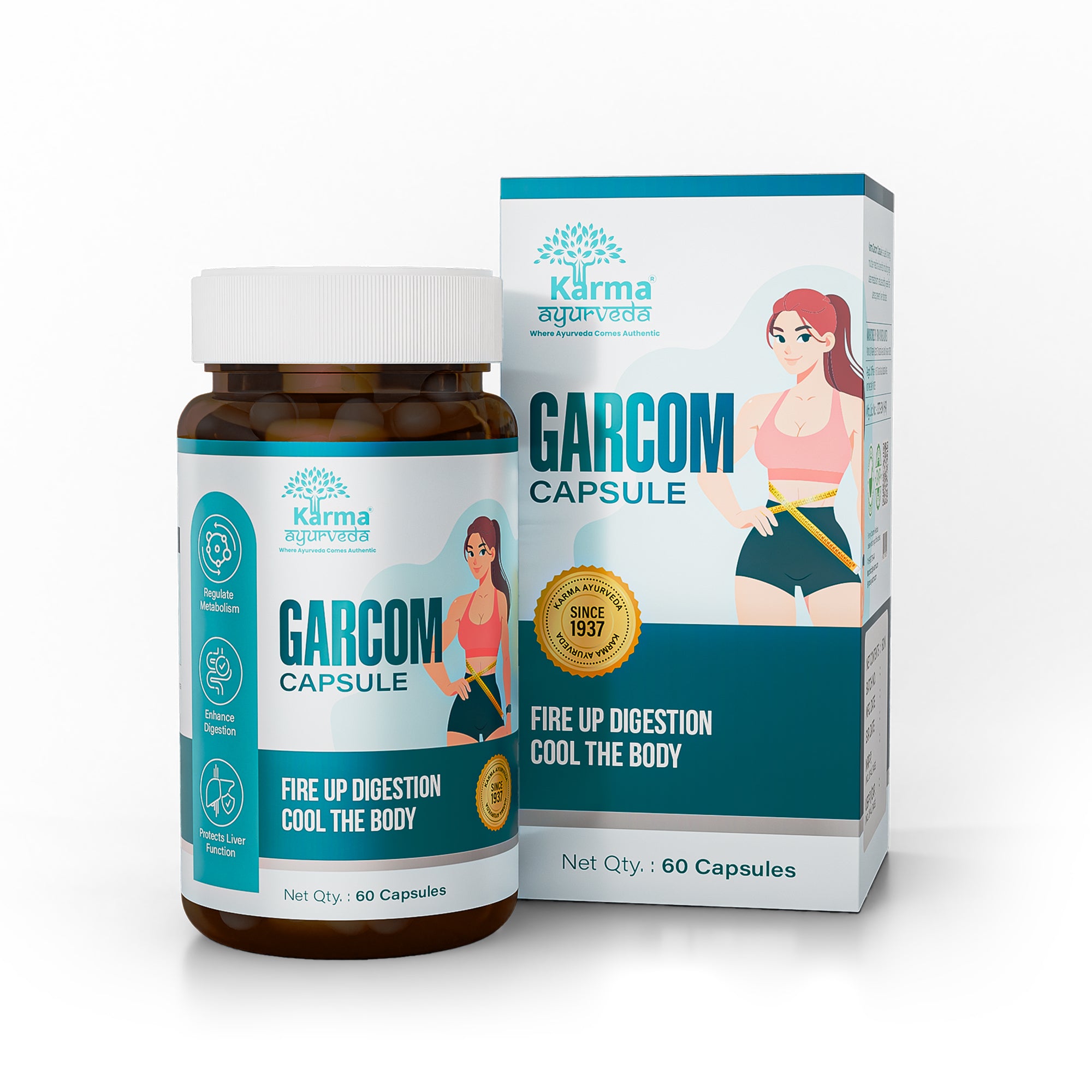
Karma Garcom Capsules contain Garcinia indica to support healthy metabolism, digestion, weight management, digestive comfort and daily wellness alongside a balanced lifestyle.
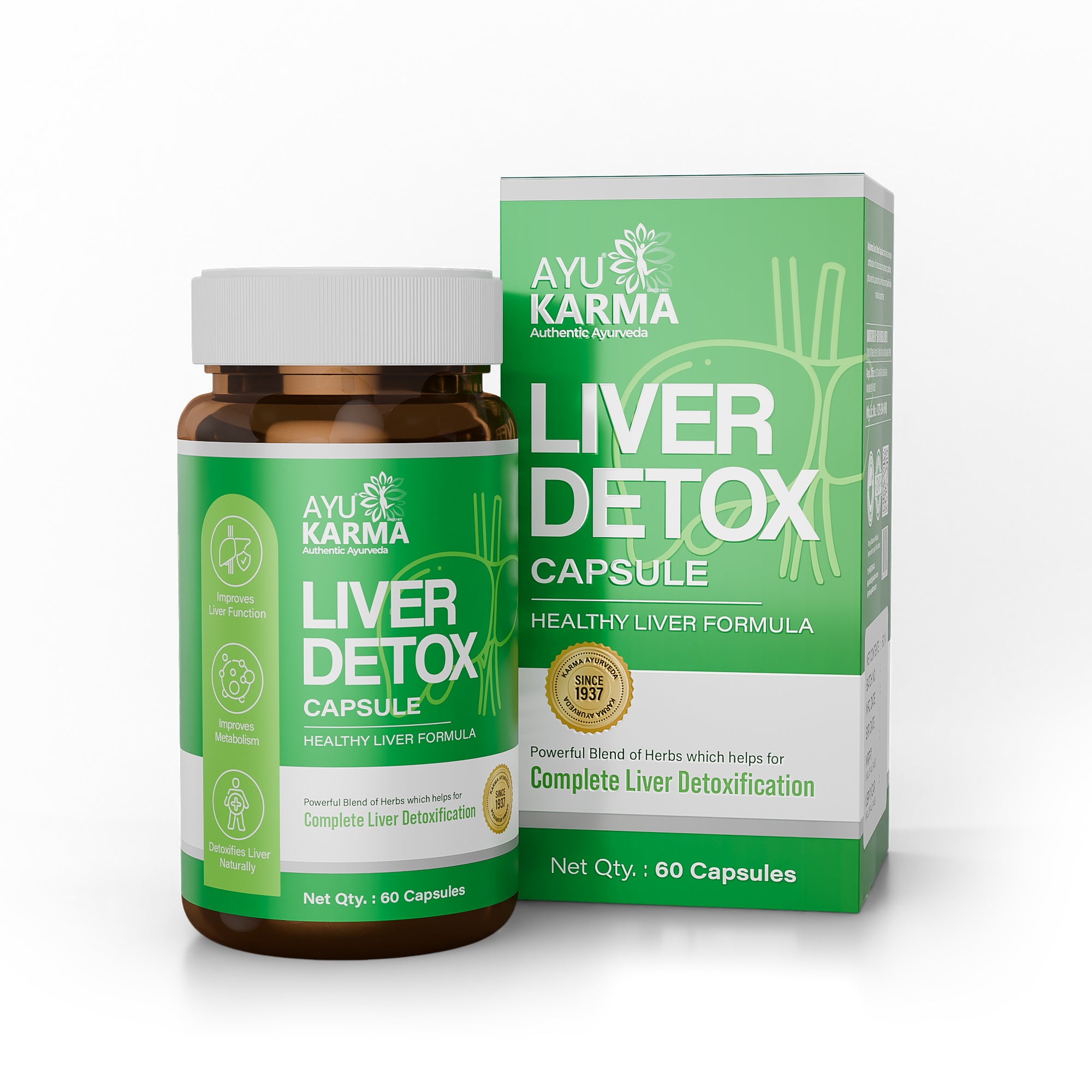
Doctor-recommended liver supplement that helps detoxify the liver, support healthy cholesterol, improve digestion & promote liver health. Developed by Dr. Puneet Dhawan with Karma Ayurveda philosophy.
Second Floor, 77, Block C, Tarun Enclave, Pitampura, New Delhi, Delhi, 110034

Certificate no- AH-2023-0186
JAN 05, 2026 - JAN 04, 2029

US FDA Reg. No.: 14568299376