Unlocking Wellness Naturally
100% Ayurvedic Treatment

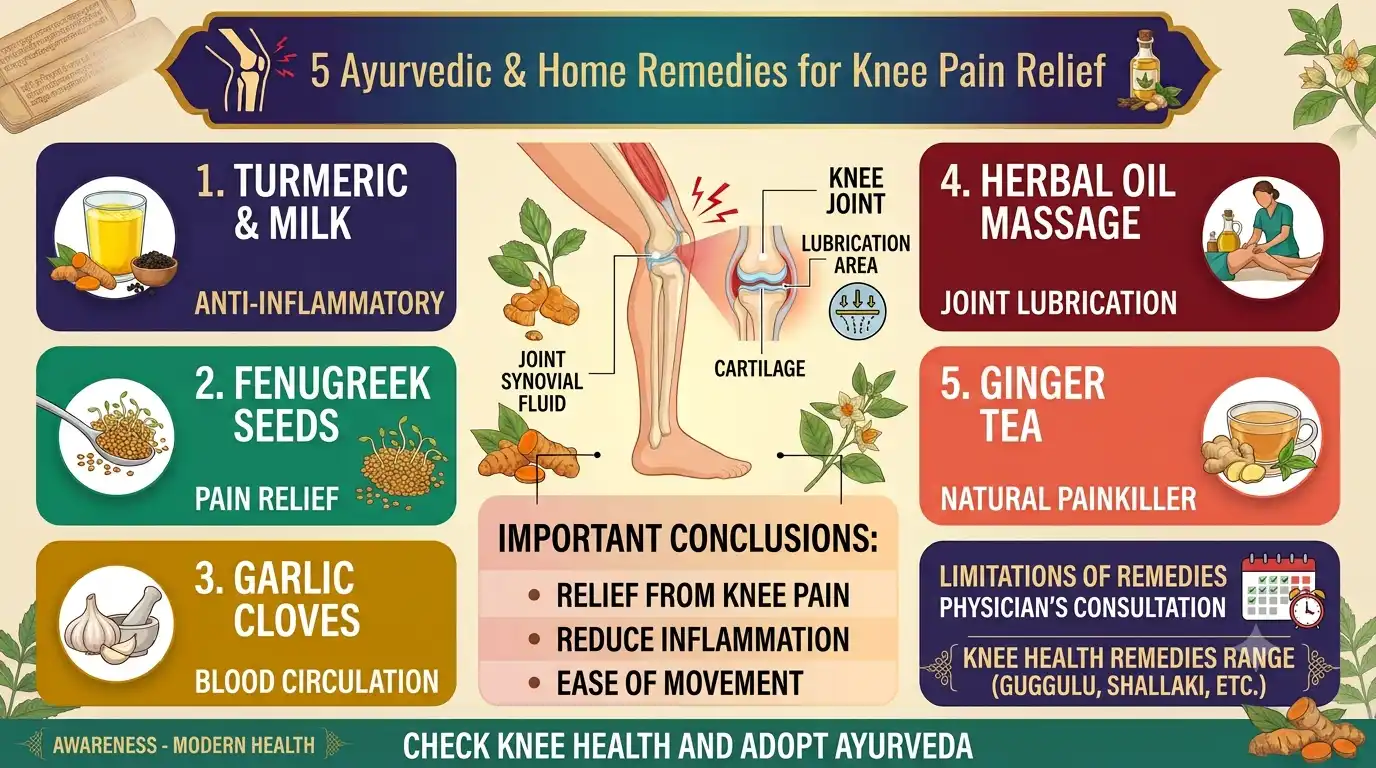
Knee pain can often be managed with simple measures such as gentle movement, warm compresses, weight management, and carefully chosen Ayurvedic herbs. These 5 Ayurvedic home remedies for knee pain may help ease stiffness and discomfort, although persistent or severe pain needs proper medical evaluation.
The good news? You don't necessarily have to treat every creaky knee like it's a 100-year-old door. Sometimes, a few sensible daily habits can make a surprisingly meaningful difference.
Knee pain can come from several things: osteoarthritis, previous injuries, overuse, weak muscles, excess body weight, inflammation, or simply the gradual wear and tear that comes with age.
With osteoarthritis, the cartilage that cushions the ends of the bones becomes thinner and less effective. This can lead to stiffness, pain while walking, difficulty climbing stairs and that familiar “please don't make me take the stairs today” feeling.
Ayurveda traditionally looks at joint discomfort through the broader concepts of Vata imbalance, dryness, reduced joint lubrication and accumulated metabolic waste. Modern medicine, meanwhile, looks at cartilage, inflammation, muscles, biomechanics and other factors. The two perspectives aren't identical, but both remind us that joints deserve more than a quick fix.
Here are five practical approaches that can be incorporated into a daily routine.
Gentle oil massage, traditionally called Abhyanga, is one of the better-known Ayurvedic approaches for joint discomfort.
A small amount of comfortably warm oil can be massaged around the knee using gentle circular movements. The idea isn't to aggressively “push the pain out.” Your knee is not a stubborn jar lid.
A gentle massage may help with temporary stiffness and relaxation, particularly when followed by mild movement.
For someone exploring Ayurvedic knee pain treatment, oil massage can be considered a supportive home practice rather than a replacement for diagnosis or treatment.
Keep in mind: avoid vigorous massage over a freshly injured, very swollen, hot or acutely painful joint.
Sometimes the simplest remedy deserves a little more credit.
Applying gentle warmth to a stiff knee for around 15–20 minutes may help you feel more comfortable and make movement easier. Heat is also included among the conditionally recommended non-drug approaches for osteoarthritis in the American College of Rheumatology/Arthritis Foundation guideline. (PubMed Central (PMC))
If your knee is freshly injured or noticeably hot and swollen, however, heat may not be the best choice. In those situations, getting medical advice is wiser than experimenting with your kitchen's entire heating department.
Rest sounds wonderful when your knees hurt. Unfortunately, too much rest can sometimes make stiffness worse.
Gentle activities such as:
can help maintain mobility and strengthen the muscles supporting the knee.
Exercise is actually one of the strongest non-drug recommendations in the 2019 American College of Rheumatology/Arthritis Foundation osteoarthritis guideline. (American College of Rheumatology)
If you're overweight, gradual weight loss can also reduce the load placed on the knees. The same guideline strongly recommends weight loss for people with knee osteoarthritis who are overweight or obese, with benefits increasing as weight loss progresses. (PubMed Central (PMC))
So yes, exercise may not be the most exciting answer. But boring advice occasionally has excellent credentials.
Turmeric (Curcuma longa) and Boswellia (Boswellia serrata) are among the best Ayurvedic herbs for knee pain commonly discussed for joint comfort.
Curcumin, a major compound in turmeric, has been studied for knee osteoarthritis. A systematic review and meta-analysis published in Seminars in Arthritis & Rheumatism examined 11 randomized controlled trials involving 1,009 people and found that curcuminoid and Boswellia preparations were associated with improvements in pain and function compared with placebo. However, the researchers also emphasized that the overall evidence was not strong enough to make firm clinical recommendations. (PubMed)
More recently, a 2026 systematic review and network meta-analysis covering 20 randomized trials and 1,633 participants found potential benefits from certain formulations of turmeric and Boswellia for knee osteoarthritis symptoms, while also noting that more research is needed. (PubMed)
So, should everyone start swallowing turmeric capsules by the handful? Absolutely not.
Formulation, dosage, medications, health conditions and individual suitability matter. Even natural products can interact with medicines or cause side effects.
Your knee doesn't exist in isolation. What you do all day affects how your joints feel.
A simple knee pain natural treatment routine can include:
These habits may sound almost too ordinary. That's precisely why people often overlook them.
For people with knee osteoarthritis, exercise and weight management have substantially stronger clinical support than many popular “miracle” remedies.
This is where things get interesting; and where marketing claims can run faster than science.
Searches for knee cartilage regeneration ayurveda and Ayurvedic knee cartilage treatment are common because people naturally want to know whether damaged cartilage can grow back.
At present, you should be cautious about claims that an Ayurvedic herb, oil or medicine can simply rebuild severely damaged cartilage. There isn't strong clinical evidence showing that a particular Ayurvedic remedy can reliably regenerate lost knee cartilage in humans.
That doesn't mean supportive care is useless. It means we should separate managing symptoms and supporting joint function from promising actual cartilage regeneration.
Similarly, there isn't one universally proven best medicine for knee pain in ayurveda or one treatment that works for every person.
A quick reality check
Warm oil massage
Warm compress
Gentle exercise
Turmeric/Boswellia
Weight management
There isn't a single answer because knee pain isn't one single disease.
A personalized knee joint treatment in Ayurveda may consider the person's symptoms, age, lifestyle, digestion, activity level and overall health. Depending on the situation, Ayurvedic care may include dietary advice, lifestyle changes, external therapies, movement and selected herbal preparations.
People searching for Joint pain treatment in Ayurveda, Best medicines for knee pain, or Natural treatment for knee should therefore look beyond a single bottle or home remedy.
For those specifically exploring Karma Ayurveda for knee treatment, it is sensible to discuss symptoms and medical history with a qualified practitioner rather than choosing treatment based only on an online list. The same applies when looking for guidance associated with Dr. Puneet Dhawan or any other practitioner: treatment should be individualized rather than treated as a one-size-fits-all prescription.
Home remedies are reasonable for mild, occasional discomfort, but don't keep negotiating with your knee if something feels seriously wrong.
Seek professional evaluation if you have:
A proper diagnosis matters because arthritis, ligament injuries, meniscus problems, gout and other conditions can produce similar symptoms.
The evidence isn't perfect, but some useful research exists.
Turmeric and knee osteoarthritis: A 2021 systematic review and meta-analysis of 16 randomized controlled trials involving 1,810 adults found turmeric extracts improved knee pain and physical function compared with placebo, although the studies had moderate risk of bias and considerable variation.
Curcumin and Boswellia: The 2018 systematic review and meta-analysis found potential improvements in knee osteoarthritis pain and function, but the authors cautioned that the evidence base was too limited for strong clinical recommendations.
Heat and exercise: Clinical guidelines support exercise strongly and consider thermal therapies such as heat or cold reasonable conditional options for osteoarthritis.
In other words, promising doesn't mean proven; and “natural” doesn't automatically mean “risk-free.”
The most sensible Ayurvedic knee pain treatment is usually not about finding one magical remedy and expecting your knees to behave like they did at age 20.
Warm oil massage, gentle heat, regular movement, appropriate herbal support and healthy everyday habits may all have a role in managing knee discomfort. Turmeric and Boswellia have also shown encouraging results in research, although better-quality studies are still needed.
If pain keeps returning, becomes severe or interferes with normal life, don't simply keep adding remedies to the cupboard. Find out what's actually causing it.
Your knees have carried you this far. They deserve a little investigation, not just another jar of something labelled “miracle.”
This article is for general educational purposes and should not be treated as medical advice or a substitute for diagnosis. Ayurvedic herbs and therapies may not be suitable for everyone and can interact with medicines. Consult a qualified healthcare professional before starting treatment, especially if you have significant pain, an injury, chronic illness or take regular medication.
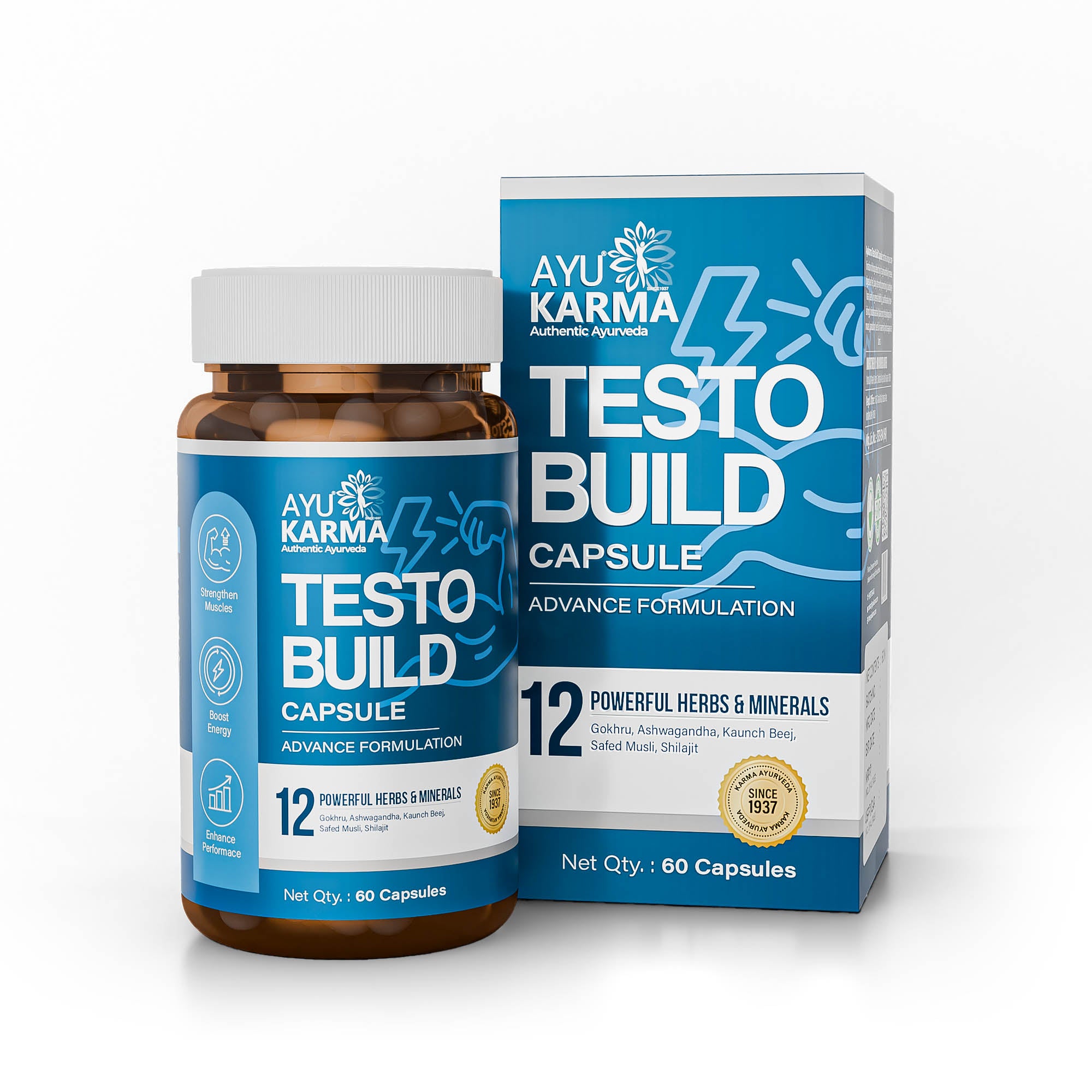
AyuKarma Testo Build Capsules combine 12 Ayurvedic herbs and minerals to support strength, energy, stamina, physical performance, nourishment and overall daily vitality.

AyuKarma Hair Lush Capsules combine Ayurvedic herbs to support hair growth, reduce hair fall, strengthen roots, nourish the scalp and promote healthier-looking hair.
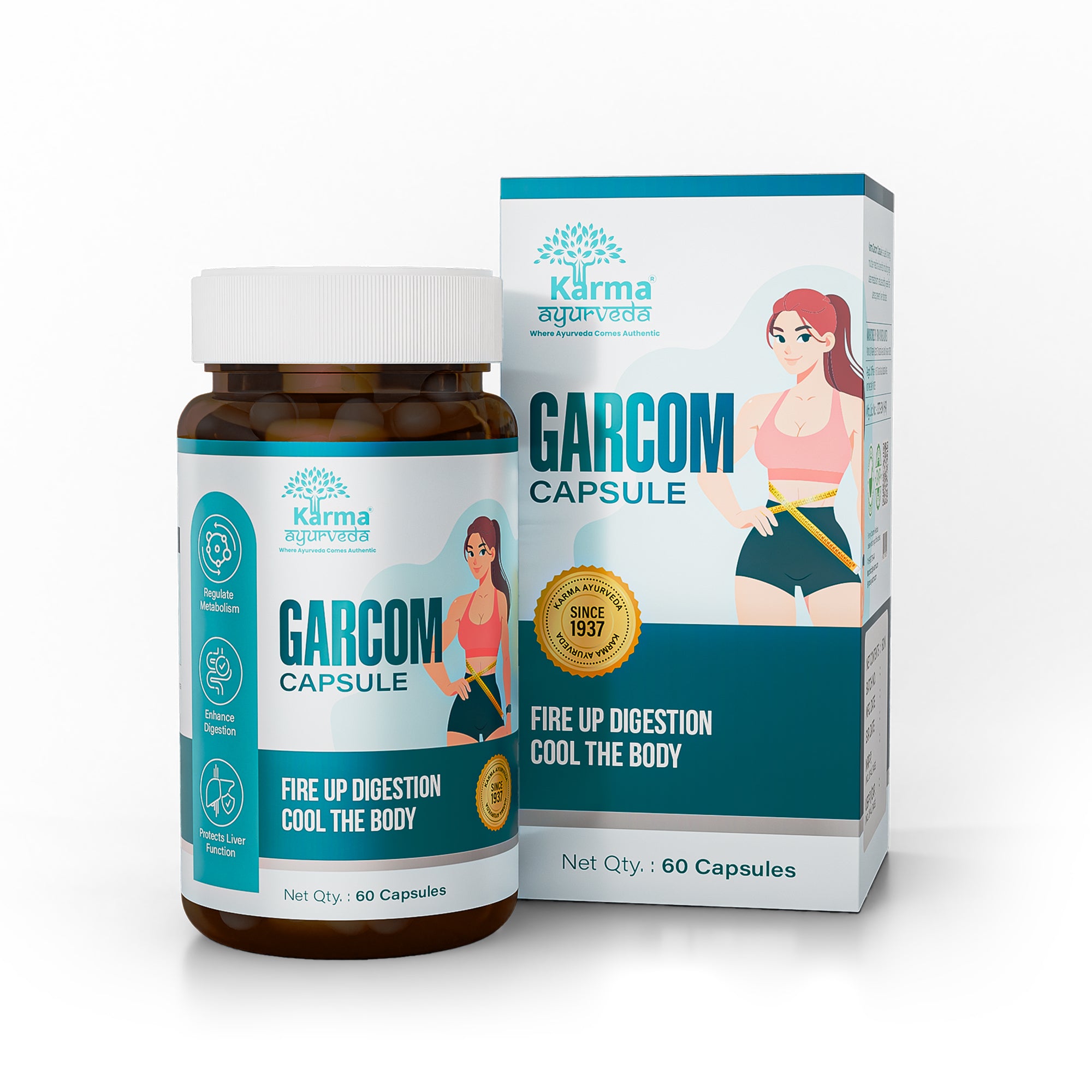
Karma Garcom Capsules contain Garcinia indica to support healthy metabolism, digestion, weight management, digestive comfort and daily wellness alongside a balanced lifestyle.
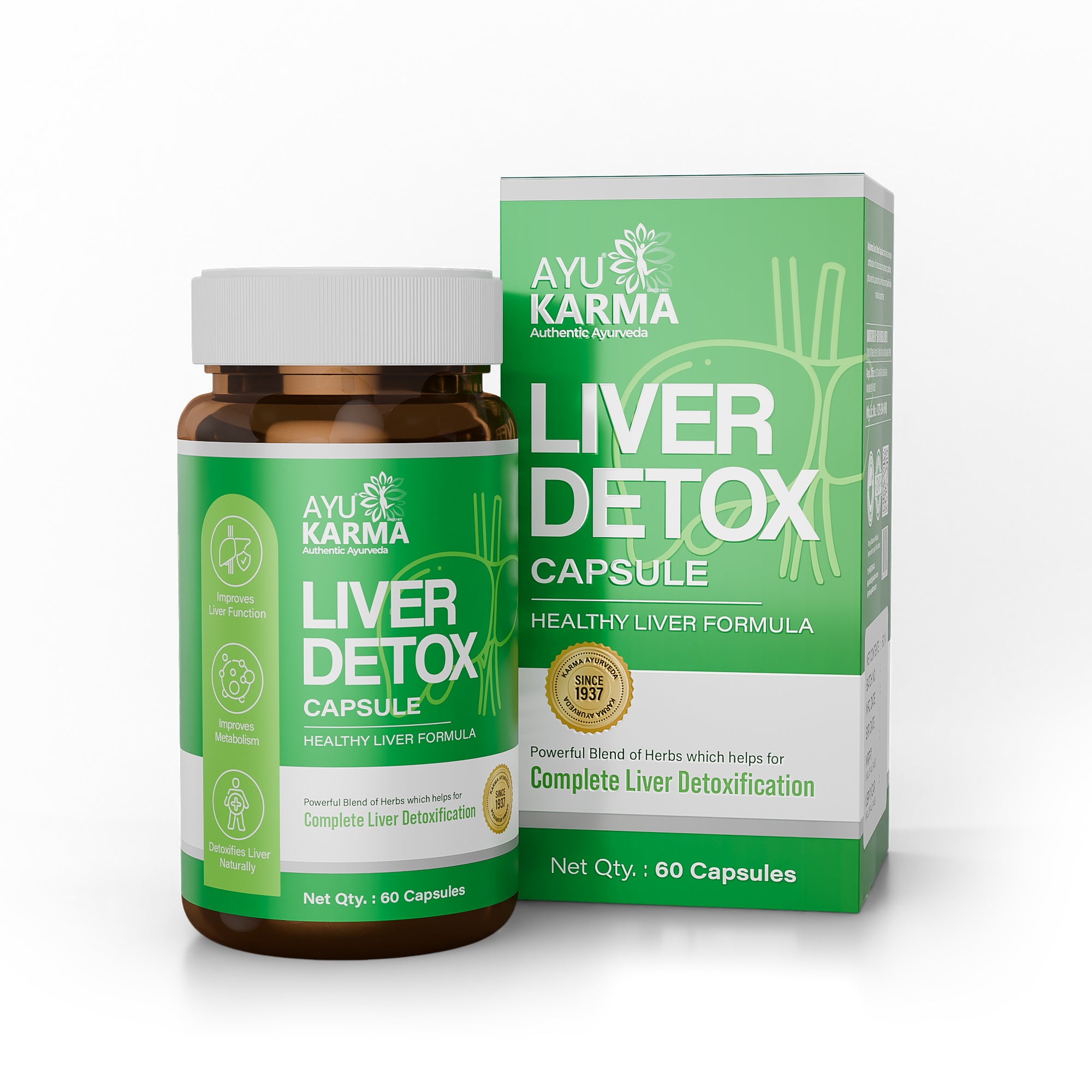
Doctor-recommended liver supplement that helps detoxify the liver, support healthy cholesterol, improve digestion & promote liver health. Developed by Dr. Puneet Dhawan with Karma Ayurveda philosophy.
Second Floor, 77, Block C, Tarun Enclave, Pitampura, New Delhi, Delhi, 110034

Certificate no- AH-2023-0186
JAN 05, 2026 - JAN 04, 2029

US FDA Reg. No.: 14568299376