Unlocking Wellness Naturally
100% Ayurvedic Treatment

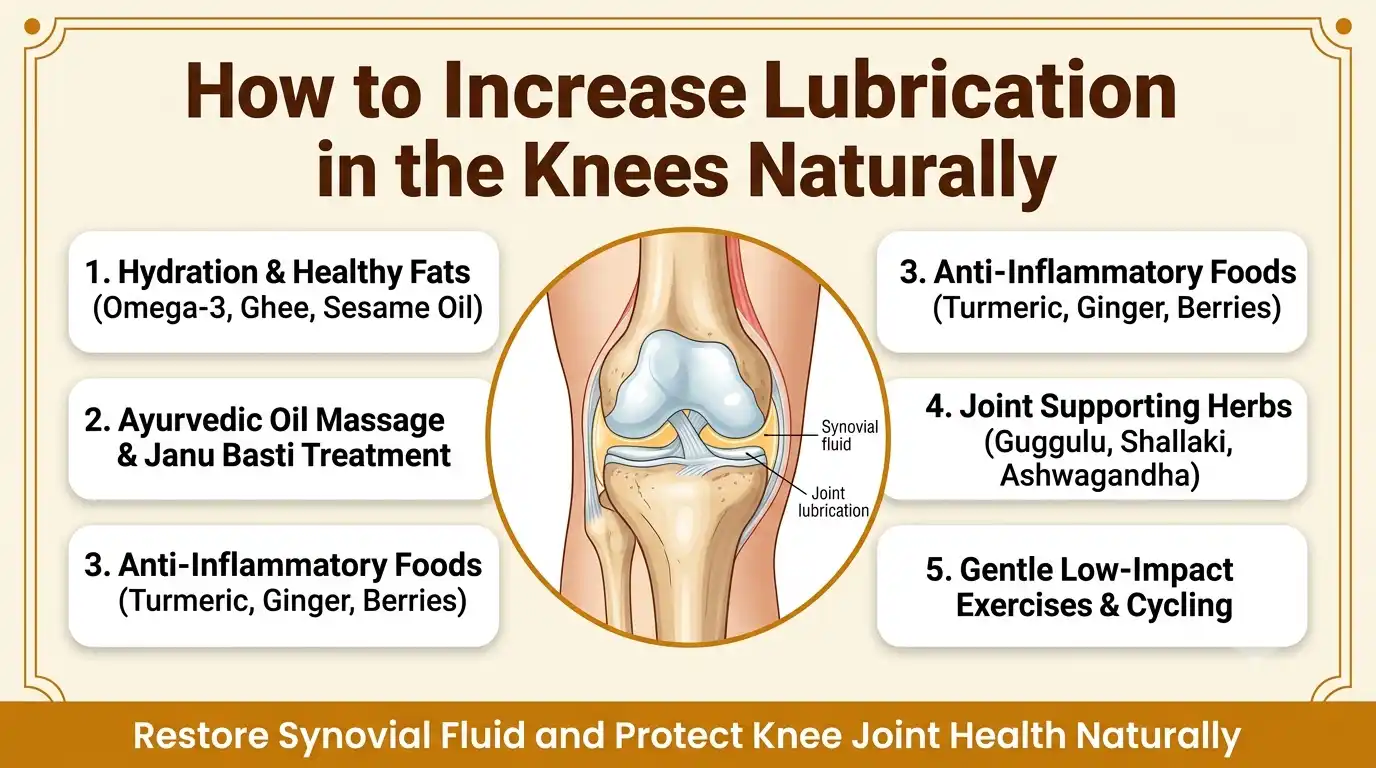
If you’re wondering how to increase knee lubrication naturally, the answer is less about finding a magic oil and more about helping your knee move regularly, maintaining a healthy weight, supporting the surrounding muscles, and managing inflammation.
In simple words, your knees usually don’t need you to “pour more grease” into them; they need the right conditions to keep their natural joint environment working well.
And yes, we know the phrase knee lubrication sounds a little like your knees have an engine oil problem. Thankfully, the solution is considerably more pleasant than visiting a mechanic.
Your knee joint contains synovial fluid, a slippery liquid produced by the lining of the joint. It helps reduce friction between the moving surfaces of the joint and also contributes to nourishing the tissues inside it.
The knee also has cartilage covering the ends of the bones. Healthy cartilage provides a smooth, low-friction surface that helps the joint move comfortably.
With age, injury, excess weight, osteoarthritis, or prolonged inactivity, knee movement can become more uncomfortable. People often describe this as having “less lubrication” or “dry knees.”
But here’s the important bit: knee stiffness or pain does not automatically mean that your knee has run out of fluid. Osteoarthritis, cartilage changes, inflammation, muscle weakness and other conditions can all cause similar symptoms.
That is why a sensible knee lubrication treatment should look at the whole joint rather than chasing one symptom.
There isn't a proven home remedy that simply increases synovial fluid on demand. However, several everyday habits can support comfortable joint movement and overall knee health.
Movement is one of the simplest things you can do for your joints.
Gentle activities such as:
can help maintain mobility and strengthen the muscles that support the knee.
If your knees hurt, don't suddenly decide that tomorrow is the day you become a marathon runner. Start gently and increase activity gradually.
Regular exercise is also a key part of modern osteoarthritis management because stronger muscles can reduce the load placed on the knee during everyday activities.
Every extra kilogram carried by the body can increase the mechanical demand placed on the knees during movement.
That doesn't mean you need to start counting every almond you eat. Even modest, sustainable weight loss can be helpful for people with overweight or obesity and knee osteoarthritis.
Think of it as giving your knees a slightly lighter backpack to carry every day.
A balanced diet containing vegetables, fruits, whole grains, adequate protein, nuts and seeds can support general joint and metabolic health.
Water is important for normal body functions, including maintaining the body's fluid balance.
However, drinking three extra litres of water won't magically turn a stiff knee into a freshly oiled hinge.
Stay adequately hydrated according to your body's needs. If you have kidney, heart or other medical conditions that require fluid restriction, follow your healthcare professional's advice instead of following generic hydration tips.
Your overall eating pattern matters more than one “superfood.”
Foods commonly included in an anti-inflammatory eating pattern include:
Turmeric is particularly interesting because its active compounds, called curcuminoids, have been investigated in knee osteoarthritis.
A 2021 systematic review of 10 randomized trials found that turmeric or curcumin was associated with improvements in pain and physical function in people with knee osteoarthritis, although questions remain about the ideal formulation and dose.
So yes, turmeric deserves a seat at the table. It just doesn't deserve a superhero cape.
Ayurveda has traditionally used several herbs in approaches for joint discomfort. Some of the best Ayurvedic herbs for knee pain commonly discussed include:
Among these, turmeric and Boswellia have received the most clinical research in knee osteoarthritis.
A 2018 systematic review and meta-analysis covering 11 randomized controlled trials and 1,009 participants found that curcuminoids and Boswellia formulations were associated with improvements in pain and function compared with placebo, although the researchers also noted limitations in the quality and size of the available evidence.
More recently, a 2026 systematic review and network meta-analysis of 20 randomized trials involving 1,633 participants found potential benefits from certain formulations of Curcuma longa and Boswellia for knee osteoarthritis symptoms, while also calling for further research.
This is why choosing the best Ayurvedic herbs for knee pain isn't simply about picking the longest list of herbs. The right herb, preparation and dose depend on the individual.
This is where it helps to separate hope from evidence.
People often search for knee cartilage regeneration ayurveda or Ayurvedic knee cartilage treatment because they want to know whether damaged cartilage can grow back naturally.
At present, there isn't strong clinical evidence showing that an Ayurvedic herb or home remedy can reliably regenerate severely damaged human knee cartilage.
Ayurvedic approaches may instead focus on supporting mobility, reducing discomfort, improving function and addressing lifestyle factors.
Similarly, knee joint treatment in ayurveda may include dietary changes, lifestyle measures, herbal preparations, massage-based therapies and other traditional approaches depending on the person's symptoms and assessment.
The goal should be realistic: helping the knee function better rather than promising to rebuild a completely new knee overnight.
Gentle exercise
Healthy weight
Balanced diet
Turmeric/curcumin
Boswellia
If you're specifically searching for 5 Ayurvedic home remedies for knee pain, keep the approach simple rather than turning your kitchen into a laboratory.
Some commonly used supportive practices include:
These should be viewed as supportive measures, not guaranteed cures.
For persistent pain, swelling, instability or significant difficulty walking, professional assessment is much more useful than trying remedy number 17 from the internet.
There isn't one universally accepted best medicine for knee pain in Ayurveda or one best medicines for knee pain that works for everyone.
Ayurvedic treatment is traditionally individualized. Depending on the person's symptoms and overall health, an Ayurvedic practitioner may consider herbs, dietary changes, external therapies and lifestyle measures.
If you're considering Ayurvedic knee pain treatment, particularly if you're already taking prescription medicines, it's sensible to discuss the herbs or supplements with a qualified healthcare professional. “Natural” and “completely risk-free” are not synonyms.
People researching Karma Ayurveda for knee treatment may also come across consultations or treatment programs associated with the organization and practitioners such as Dr. Puneet Dhawan. As with any treatment provider, it is worth asking what the proposed treatment is intended to achieve, what evidence supports it, and whether it is appropriate for your particular diagnosis.
Natural approaches can be useful for mild, manageable symptoms, but don't try to out-stubborn a serious knee problem.
See a healthcare professional if you have:
These symptoms can point to problems that need proper examination or imaging.
The more accurate way to think about how to increase knee lubrication naturally is to support the joint's normal function rather than trying to manufacture extra synovial fluid at home.
Regular movement, appropriate exercise, healthy body weight, good nutrition and sensible management of inflammation can all form part of a natural treatment for knee discomfort.
For people interested in Joint pain treatment in Ayurveda, an individualized approach may also be considered alongside appropriate medical evaluation.
The key is not to chase a miracle. Knees tend to appreciate boring things done consistently.
And honestly, that's probably true of most body parts.
Good knee health isn't about finding one magical food, oil or herb that suddenly makes your joints glide like they're brand new.
A better knee pain natural treatment approach combines movement, muscle strengthening, healthy weight management, balanced nutrition and appropriate care for the underlying cause of pain.
Ayurvedic herbs such as turmeric and Boswellia are being studied for knee osteoarthritis and may have a role in symptom management, but current evidence doesn't justify promising cartilage regeneration or a guaranteed increase in knee fluid.
So, if your knees are making their presence known every time you climb the stairs, listen to them. Give them movement, support and proper attention rather than waiting until they start behaving like an angry neighbour.
This article is intended for general educational purposes and should not replace medical diagnosis or individualized treatment. Knee pain can have many causes, including osteoarthritis, injury and inflammatory conditions. Speak with a qualified healthcare professional before starting herbs, supplements or new treatments, especially if you take regular medication or have an existing medical condition.
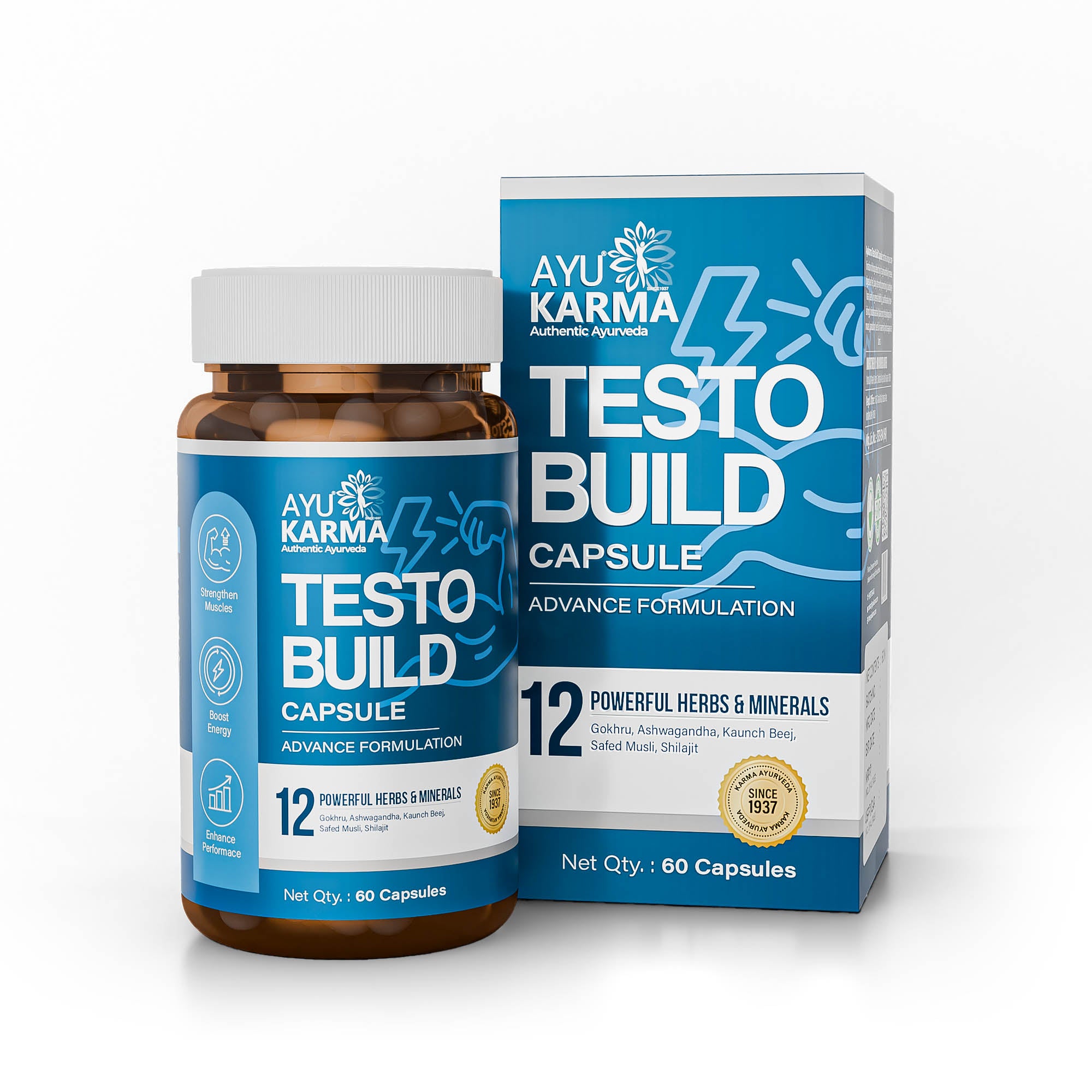
AyuKarma Testo Build Capsules combine 12 Ayurvedic herbs and minerals to support strength, energy, stamina, physical performance, nourishment and overall daily vitality.

AyuKarma Hair Lush Capsules combine Ayurvedic herbs to support hair growth, reduce hair fall, strengthen roots, nourish the scalp and promote healthier-looking hair.

Karma Garcom Capsules contain Garcinia indica to support healthy metabolism, digestion, weight management, digestive comfort and daily wellness alongside a balanced lifestyle.
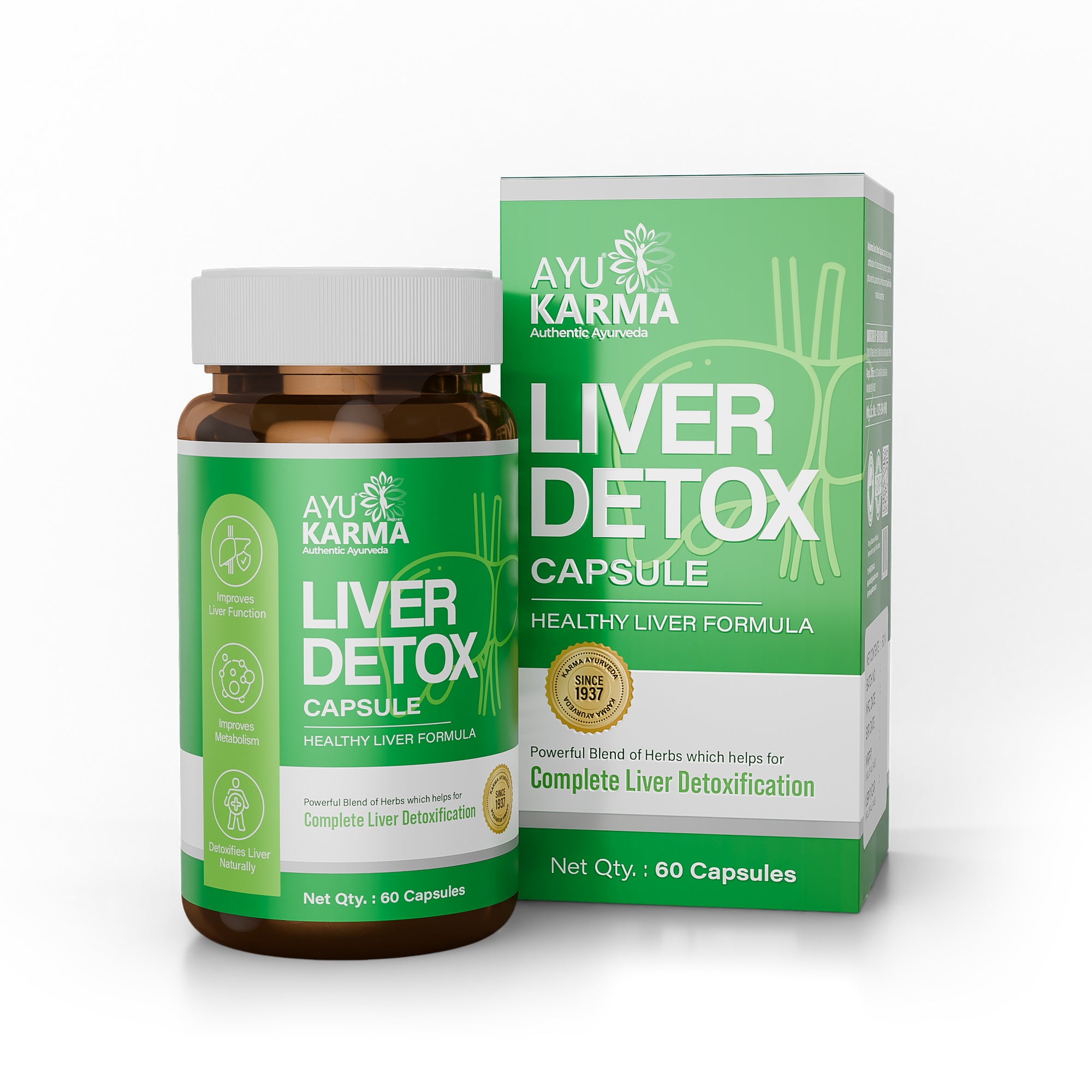
Doctor-recommended liver supplement that helps detoxify the liver, support healthy cholesterol, improve digestion & promote liver health. Developed by Dr. Puneet Dhawan with Karma Ayurveda philosophy.
Second Floor, 77, Block C, Tarun Enclave, Pitampura, New Delhi, Delhi, 110034

Certificate no- AH-2023-0186
JAN 05, 2026 - JAN 04, 2029

US FDA Reg. No.: 14568299376