Unlocking Wellness Naturally
100% Ayurvedic Treatment

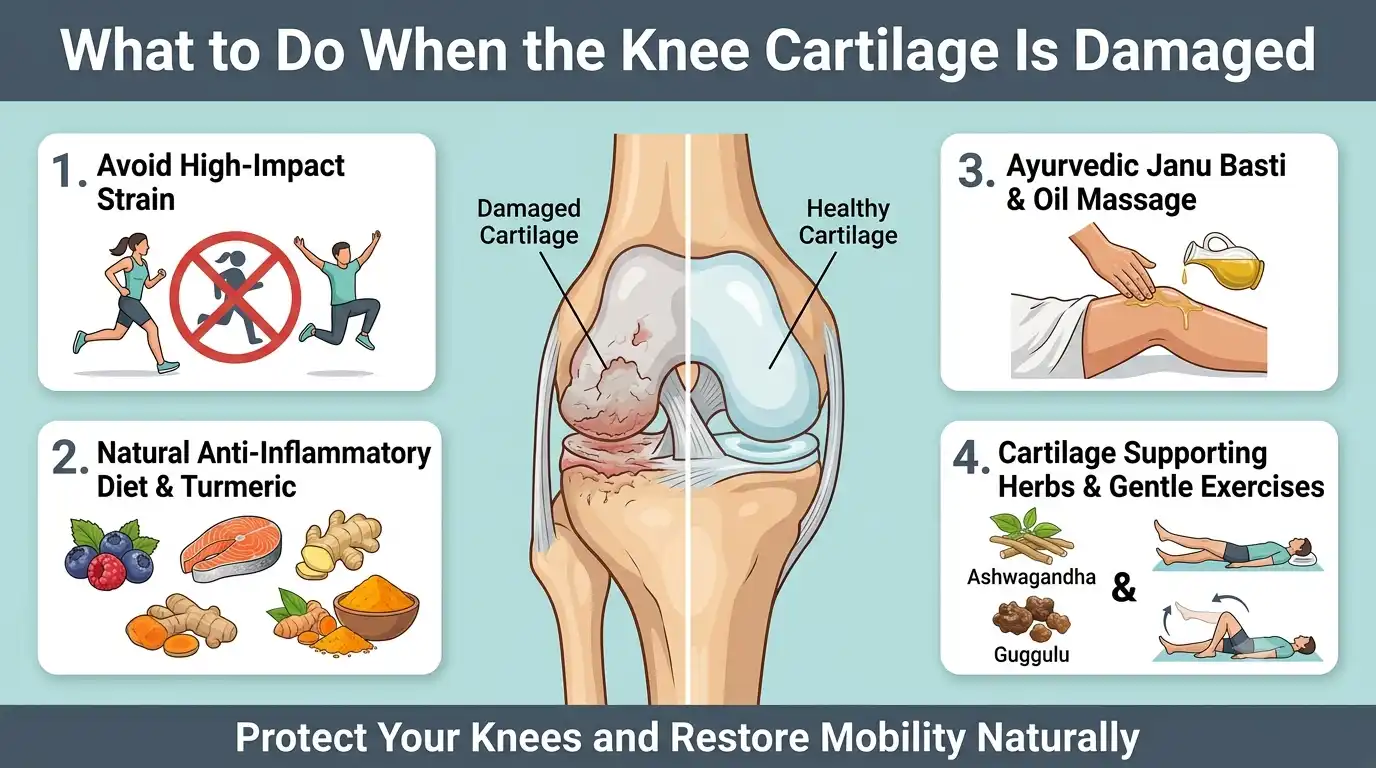
If your knee cartilage is damaged, the first step is not to panic; and definitely not to assume that surgery is your only option. The right approach usually involves finding out how much damage there is, reducing stress on the joint, improving muscle support, and choosing treatment according to the actual cause and severity.
And yes, there are conservative options, including exercise, lifestyle changes, physiotherapy and, for some people, Ayurvedic knee pain treatment. But cartilage is not something we should casually promise to “grow back” like a freshly planted garden. The body is a little more complicated than that.
Cartilage is the smooth, slippery tissue that covers the ends of the bones inside your knee. Think of it as the knee's built-in cushioning system.
When cartilage becomes thin, rough or damaged, the bones don't move as smoothly against each other. This can lead to:
Osteoarthritis is one of the most common reasons for cartilage deterioration. Age, previous injuries, excess body weight, repetitive stress and genetics can all play a role. (NCCIH)
This is where we need to separate hope from hype.
There is currently no established Ayurvedic or natural treatment proven to completely regrow severely lost knee cartilage in humans. Similarly, supplements marketed as cartilage “builders” should not be treated as guaranteed cartilage-rebuilding medicines.
Research on glucosamine and chondroitin, for example, has produced mixed results. The NCCIH notes that studies have not consistently shown meaningful improvements in knee osteoarthritis symptoms or joint structure.
That doesn't mean treatment is pointless.
The goal is often to manage pain, improve movement, strengthen the muscles around the knee and reduce further stress on the joint. In many people, that can make a surprisingly big difference to everyday life.
Don't diagnose cartilage damage solely because your knee hurts.
A doctor may assess your symptoms, physical movement and medical history and, when appropriate, recommend imaging such as an X-ray or MRI.
The treatment for mild cartilage wear is obviously not the same as treatment for advanced osteoarthritis. Your knee deserves a proper assessment before you start trying every remedy your neighbour's WhatsApp group recommends.
Strong thigh and hip muscles can help support the knee and improve function.
Exercise is actually one of the better-supported approaches for knee osteoarthritis. The American College of Rheumatology/Arthritis Foundation strongly recommends exercise for osteoarthritis management. (PubMed)
Depending on your condition, exercises may include:
The trick is consistency, not punishment. Your exercise routine doesn't need to make you question every decision that led you there.
If you're overweight, even modest weight loss can reduce the mechanical load placed on the knees.
Clinical guidelines commonly recommend weight management for people with knee osteoarthritis who are overweight or obese. (PubMed)
A practical approach is usually better than an extreme diet:
Your knees don't need a crash diet. They need less unnecessary workload.
Ayurveda traditionally approaches joint problems through a combination of diet, lifestyle, herbal preparations and therapeutic practices. A personalised knee joint treatment in Ayurveda may therefore focus not only on pain but also on stiffness, mobility, inflammation and overall joint function.
However, it's important to be realistic about what the evidence says.
Research into Ayurveda for knee osteoarthritis is still limited compared with conventional treatments. NCCIH notes that a 2013 clinical trial involving 440 people with knee osteoarthritis compared two Ayurvedic plant-extract formulations with glucosamine sulfate and celecoxib; all four groups experienced similar reductions in pain and improvements in function. (NCCIH)
That's interesting; but it doesn't prove that Ayurveda can regenerate severely damaged cartilage.
Instead, Ayurvedic knee cartilage treatment is better discussed as a complementary approach that may aim to support pain management, mobility and overall joint health.
Several herbs and natural compounds are traditionally used for joint discomfort.
For example, turmeric and curcumin have been studied for knee osteoarthritis. A 2021 systematic review of 10 studies involving 1,287 participants found that turmeric may have beneficial effects on knee osteoarthritis pain and function, although researchers noted that the ideal formulation and dosage remain uncertain. (NCCIH)
Some commonly discussed best Ayurvedic herbs for knee and joint health include:
But “natural” doesn't automatically mean “safe for everyone.” Herbs can interact with medicines and may have side effects, so discussing supplements with a qualified healthcare professional is sensible. (NCCIH)
Exercise
Weight management
Physiotherapy
Herbal approaches
Surgery
There isn't one universal Best medicine for knee pain in ayurveda.
That answer depends on what is causing the pain, your age, other health conditions, medications, severity of cartilage damage and overall joint condition.
A qualified Ayurvedic practitioner may consider different formulations and therapies based on the individual rather than handing everyone the same bottle.
If you're searching for Best medicines for knee pain, remember that the “best” option is not necessarily the one with the longest ingredient list or the most impressive advertisement.
The same principle applies when considering Joint pain treatment in Ayurveda.
A sensible Knee pain natural treatment plan can include several small things working together rather than relying on one magical remedy.
You might discuss:
Research also supports several non-drug approaches for osteoarthritis. The ACR/Arthritis Foundation guideline strongly recommends exercise and weight loss when appropriate, while tai chi is also strongly recommended; yoga is conditionally recommended for knee osteoarthritis. (PubMed)
Don't simply label every knee problem as “cartilage damage.”
Get medical attention if you have:
And if your knee is making noises but isn't painful? Don't automatically assume it is falling apart. Knees can be surprisingly noisy creatures.
People looking specifically for Karma Ayurveda for knee treatment may be interested in an Ayurvedic approach to managing joint discomfort and mobility.
Dr. Puneet Dhawan is associated with Karma Ayurveda's Ayurvedic healthcare content, but anyone considering treatment should still seek an individual assessment rather than assuming the same approach will suit every person with knee pain.
The sensible goal is not to promise that every damaged knee can be made brand new. It is to understand the condition, manage symptoms responsibly and work toward better function and quality of life.
Damaged knee cartilage can certainly be frustrating, especially when simple things like climbing stairs or standing up start feeling like major projects.
But cartilage damage doesn't automatically mean that you have to give up an active life.
A combination of proper assessment, exercise, muscle strengthening, weight management, lifestyle changes and appropriately selected treatment may help manage symptoms and improve function. Ayurvedic treatment for knee pain can be considered as part of a personalised, complementary approach, but claims of guaranteed cartilage regeneration should be treated cautiously.
In short: look after the knee you have, understand the damage you actually have, and don't let the internet convince you that one miracle herb can rebuild an entire joint overnight.
This article is for general educational purposes and should not replace medical diagnosis or treatment. Knee pain can have several causes, and cartilage damage should be properly evaluated by a qualified healthcare professional. If you have severe pain, significant swelling, injury, locking or difficulty walking, seek appropriate medical care. Herbal or Ayurvedic products should be discussed with a healthcare professional, particularly if you take prescription medicines.
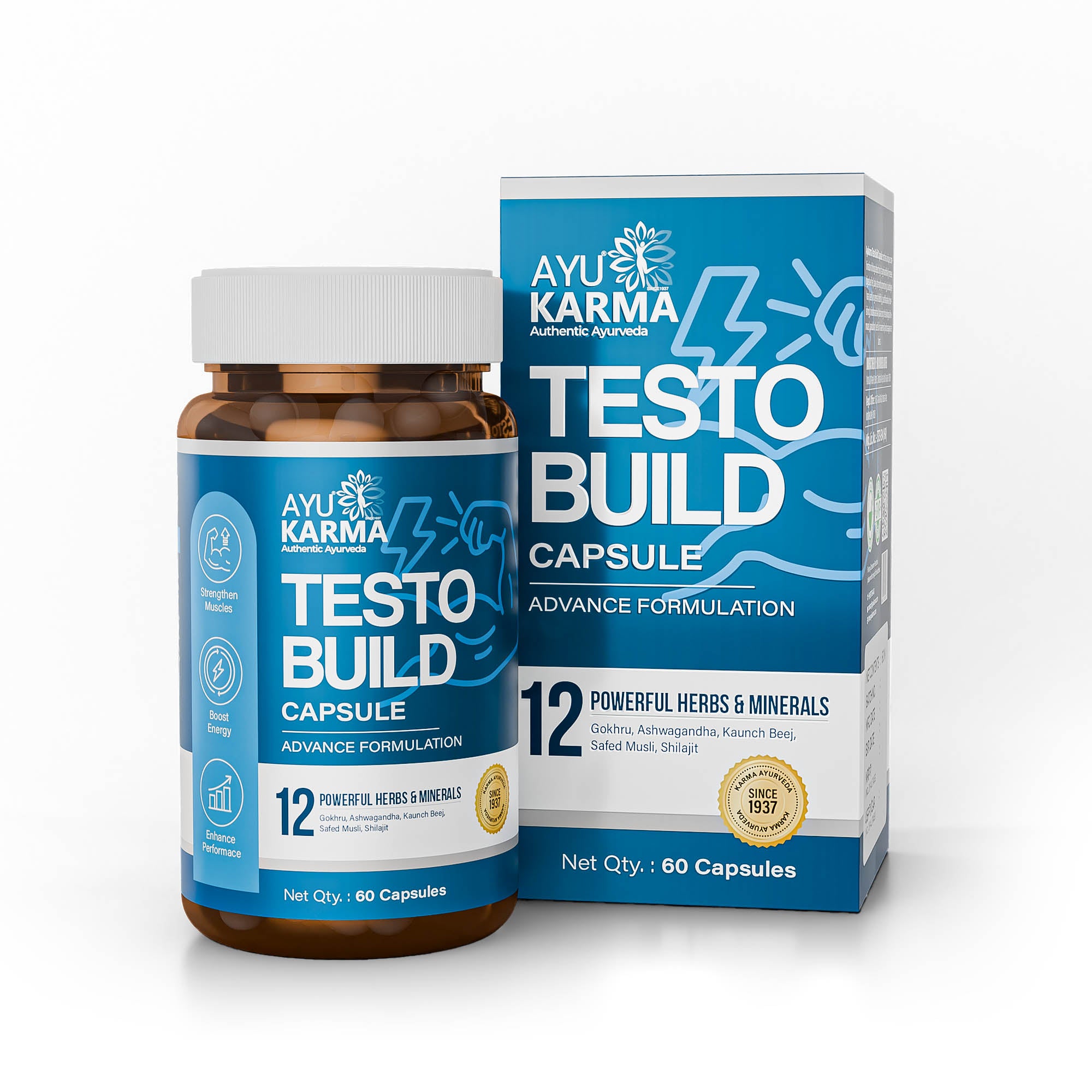
AyuKarma Testo Build Capsules combine 12 Ayurvedic herbs and minerals to support strength, energy, stamina, physical performance, nourishment and overall daily vitality.
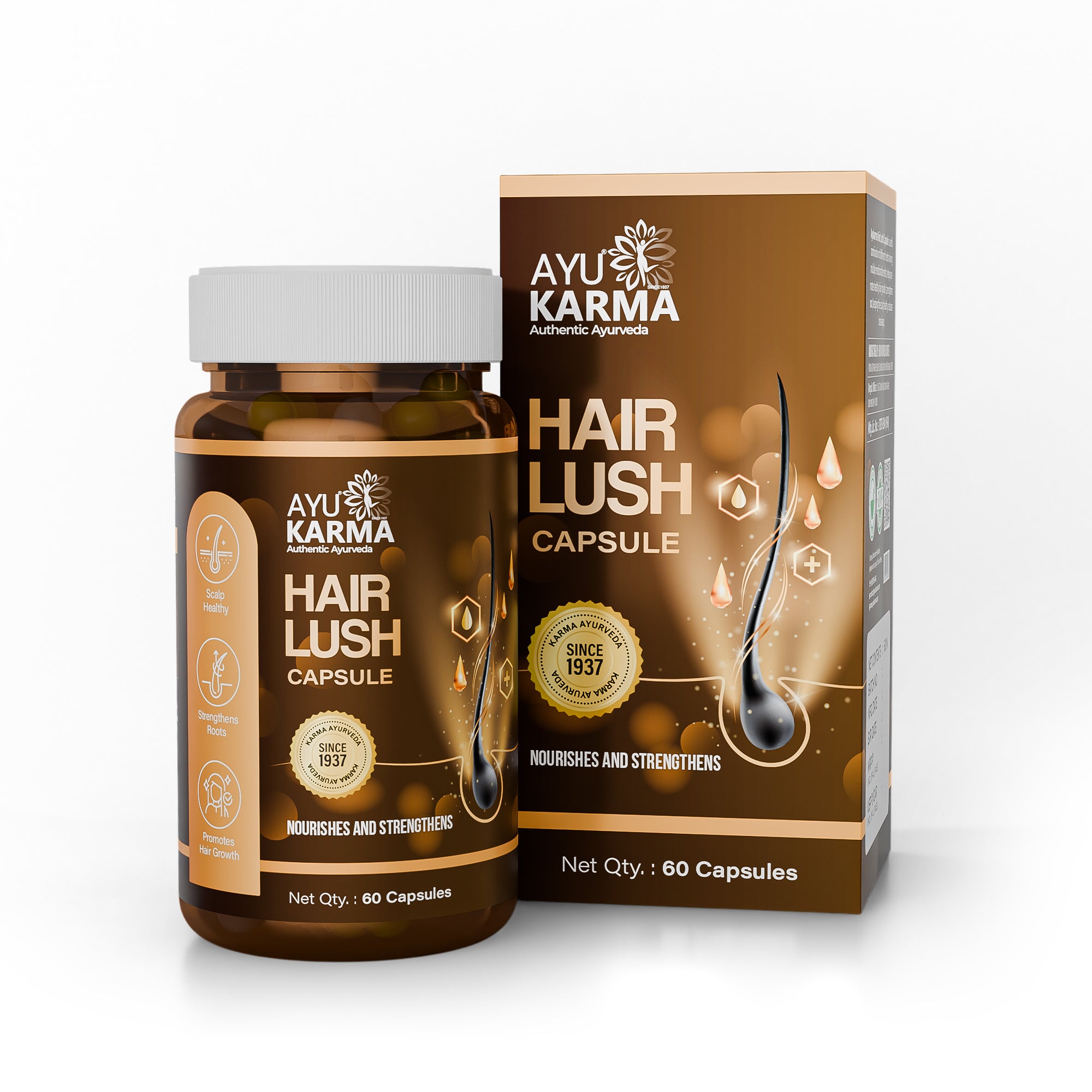
AyuKarma Hair Lush Capsules combine Ayurvedic herbs to support hair growth, reduce hair fall, strengthen roots, nourish the scalp and promote healthier-looking hair.
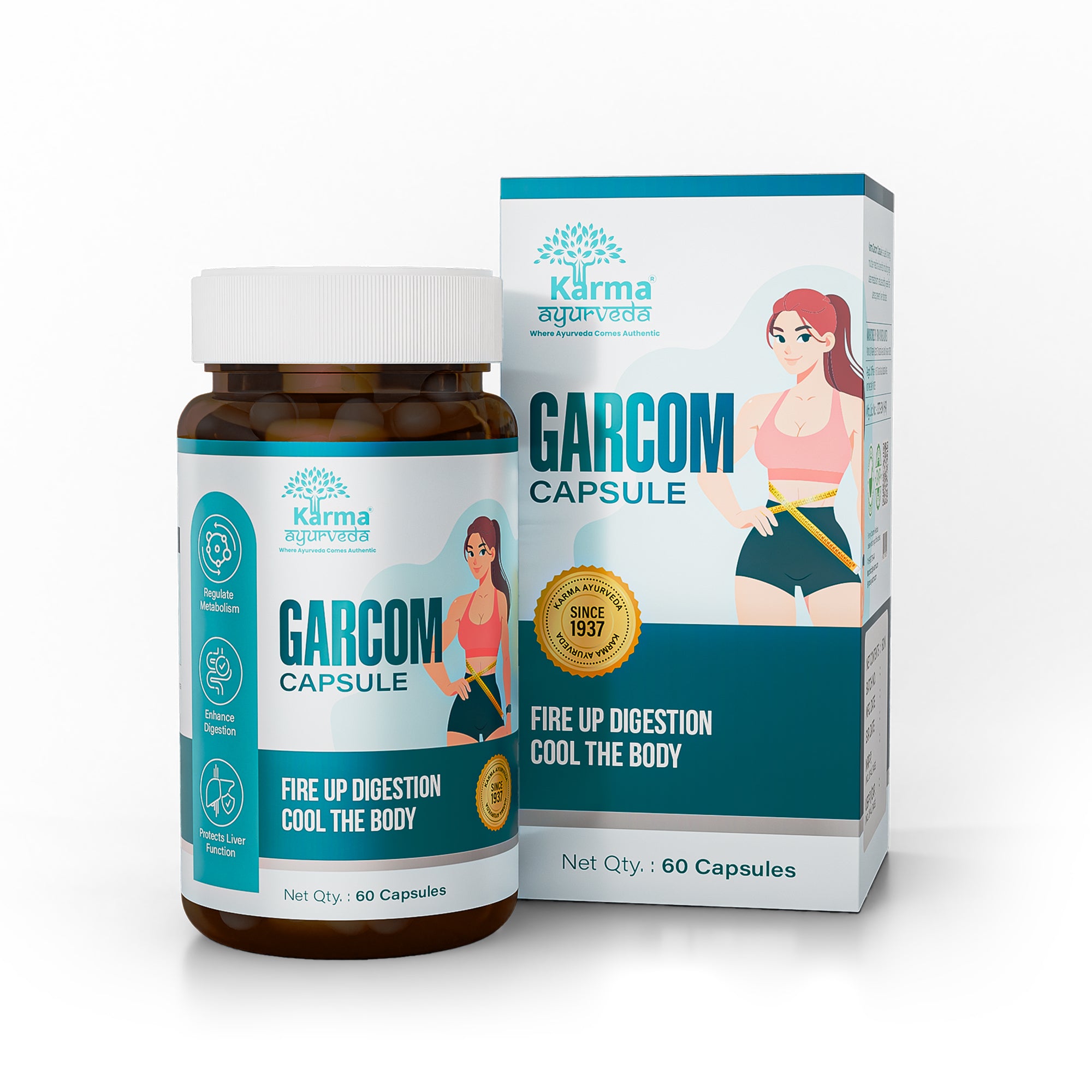
Karma Garcom Capsules contain Garcinia indica to support healthy metabolism, digestion, weight management, digestive comfort and daily wellness alongside a balanced lifestyle.
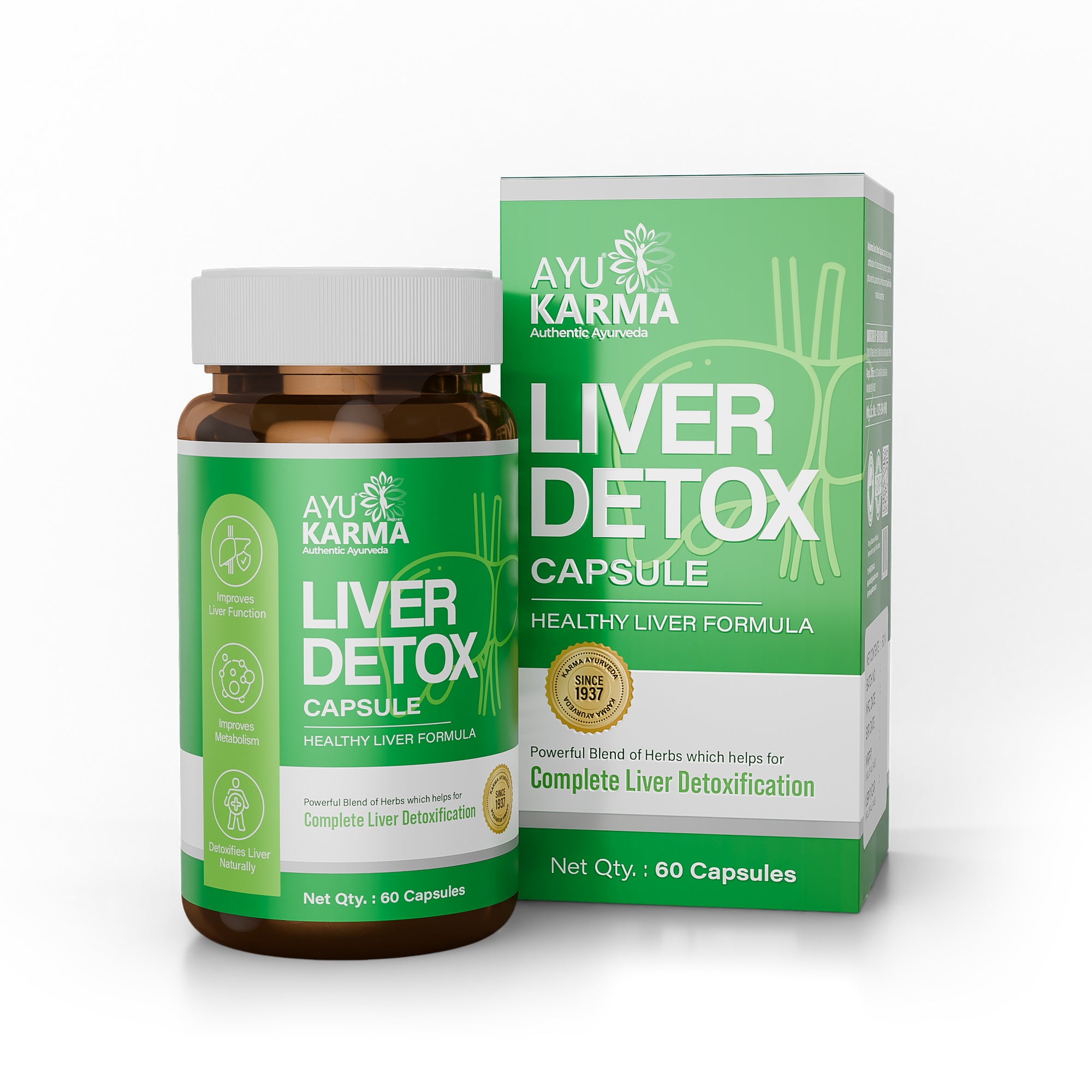
Doctor-recommended liver supplement that helps detoxify the liver, support healthy cholesterol, improve digestion & promote liver health. Developed by Dr. Puneet Dhawan with Karma Ayurveda philosophy.
Second Floor, 77, Block C, Tarun Enclave, Pitampura, New Delhi, Delhi, 110034

Certificate no- AH-2023-0186
JAN 05, 2026 - JAN 04, 2029

US FDA Reg. No.: 14568299376