

































Ayurvedic Approach to Kidney Dialysis: Supporting Systemic Vitality and Quality of Life
Before we explore how supportive care works alongside renal replacement therapy, let's talk about how we approach the individual navigating dialysis.
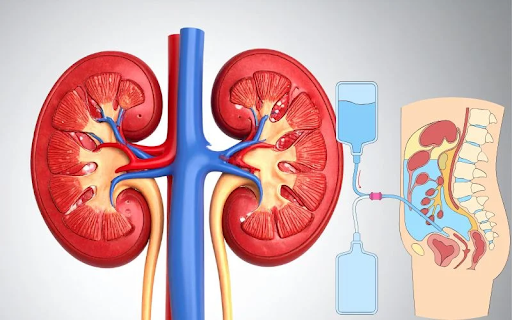
At Karma Ayurveda, we do not believe that every individual undergoing kidney dialysis needs a generic, copy-paste care plan. Two people on maintenance hemodialysis or peritoneal dialysis can have completely different underlying triggers, fluid allowances, digestive capacities, and metabolic responses.
One person may experience severe post-dialysis fatigue, muscle cramps, drop in blood pressure, or loss of appetite following sessions. Another may face persistent high serum creatinine, fluctuating potassium levels, or severe fluid retention between scheduled dialysis days. Someone else may be seeking supportive care to protect residual urine output and maintain daily vitality while adhering strictly to their nephrology schedule.
That is why our approach to Ayurvedic support for Kidney Dialysis focuses on understanding the individual as a whole rather than viewing a lab report or dialysis sheet in isolation.
We evaluate your current filtration markers, dialysis schedule, dry weight, daily urine output, digestive fire (Agni), swelling, and complete medical history before suggesting a supportive care plan. The goal is to make Ayurvedic care safe, practical, and precise; because any intervention that overburdens compromised kidneys or conflicts with essential dialysis treatment isn't truly helpful.
Many individuals and families exploring Ayurvedic kidney care in India seek personalized protocols that improve energy levels, support digestive health, protect remaining renal tissue, and enhance overall quality of life safely.
What Factors Lead to the Need for Kidney Dialysis?
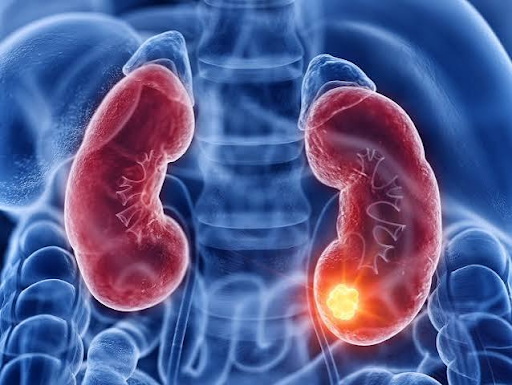
Kidney dialysis becomes necessary when end-stage renal disease (ESRD) or severe acute kidney failure severely reduces the body's natural filtration capacity.
The Common Contributors
Advanced Diabetic Nephropathy: Long-term high blood sugar causing widespread scarring of glomerular micro-vessels.
Chronic Hypertensive Nephrosclerosis: Poorly controlled high blood pressure damaging renal arteries and impairing blood flow over time.
Progressive Glomerulonephritis & Autoimmune Diseases: Unchecked inflammation in kidney filters leading to extensive irreversible tissue damage.
Severe Dhatu Kshaya & Channel Occlusion (Srotorodha): In Ayurveda, chronic negligence of metabolic waste (Ama), extreme Vata aggravation, and severe depletion of tissue vitality (Dhatu Kshaya) lead to complete breakdown of renal channels.
Identifying the specific underlying health state helps tailor a much clearer path toward safe, supportive daily management.
Symptoms and Physical Signs in Patients on Dialysis
Physical cues associated with advanced renal failure and ongoing dialysis reflect fluid imbalances, tissue exhaustion, and metabolic stress:
Post-Dialysis Fatigue and Weakness: Extreme tiredness, washed-out feeling, or dizziness following a dialysis session.
Muscle Cramps and Restless Legs: Sudden painful muscle spasms in the legs or feet caused by rapid fluid and electrolyte shifts during filtration.
Dry, Itchy, and Discolored Skin: Persistent itching (uremic pruritus) and dark, dry skin resulting from waste buildup and altered mineral balances.
Loss of Appetite and Metallic Taste: Nausea, altered taste perception, and poor digestion driven by low digestive fire (Agni) and uremic toxins.
Fluid Overload and Swelling (Edema): Rapid weight gain, swollen feet, puffiness, or breathlessness when fluid accumulates between dialysis sessions.
Fluctuating Blood Pressure: Sudden drops in blood pressure (hypotension) during sessions or severe spikes (hypertension) between treatments.
Sudden severe chest pain, extreme breathlessness, confusion, fever with chills (especially near a dialysis catheter/fistula), or total absence of pulse requires immediate emergency medical evaluation.
How We Assess Patients at Karma Ayurveda
When someone consults us seeking Ayurvedic care while on Dialysis, our initial step is never just reading a single lab marker.
We focus on understanding how your body is handling dialysis, how your remaining kidney tissue is performing, and how your overall digestion, fluid balance, and strength are coping.
Understanding Daily Symptoms: We discuss your post-dialysis recovery time, muscle cramps, appetite level, sleep quality, and daily energy levels.
Reviewing Your Medical Reports: We carefully analyze Kidney Function Tests (KFT), Serum Potassium, Phosphorus, Calcium, Hemoglobin levels, Dialysis prescription, dry weight targets, and recent echocardiograms.
Evaluating Lifestyle & Fluid Rules: We check your current fluid limit, dietary sodium/potassium restrictions, medication list, and dialysis frequency (e.g., twice or thrice weekly).
The Ayurvedic Assessment: We evaluate Vata imbalance (tissue dryness and cramps), Agni status (digestive capacity), metabolic waste buildup (Ama), and overall tissue depletion (Dhatu Kshaya).
Creating an Individualized Plan: Once the assessment is complete, we craft a cautious, personalized protocol combining gentle, non-taxing restorative support, strict fluid-conscious dietary advice, and restorative lifestyle practices.
The goal is to build a safe, highly monitored routine that improves daily stamina, supports digestion, and helps manage dialysis-related side effects safely.
Ayurvedic Therapies Commonly Used for Patients on Dialysis
Depending on fluid restrictions, potassium levels, and overall health, Ayurvedic supportive care utilizes extremely cautious strategies aimed at restoring tissue comfort and metabolic harmony:
Agni Deepana & Ama Pachana (Nourishing Digestion): Mild, highly selected herbal preparations to strengthen digestive fire without adding fluid load, ensuring better absorption of nutrients and reducing uremic nausea.
Targeted Herbal Support: Time-honored, safe herbs including Punarnava (for supporting fluid balance and tissue comfort), Gokshura (for soothing urinary passages and balancing Vata), Kaasni/Chicory (for liver-kidney metabolic coordination), and Dhatri/Amla (for gentle antioxidant protection).
Vata-Pacifying & Restorative Measures: Gentle, non-invasive therapies designed to ease severe muscle cramps, nourish depleted nervous tissue, and relieve post-dialysis exhaustion.
Srotoshodhana (Channel Soothing): Gentle formulations aimed at easing systemic toxicity and supporting residual urine output where possible.
Strict Renal & Dialysis Dietary Guidelines: Fully customized nutrition plans that respect strict fluid allowances, potassium and phosphorus caps, and protein requirements mandated by your nephrologist.
All supportive therapies are selected with rigorous clinical monitoring of serum potassium, sodium, urea, creatinine, and hemoglobin to ensure absolute safety.
What Can You Do at Home to Support Vitality on Dialysis?
Maintaining health and comfort while on dialysis requires disciplined daily practices:
Strictly Adhere to Fluid Limits: Measure every drop of fluid consumed daily (including water, tea, soups, and liquid foods) to prevent dangerous fluid overload between sessions.
Follow Potassium and Phosphorus Restrictions: Avoid high-potassium foods (like bananas, citrus fruits, coconut water, potatoes, and dark leafy greens) and high-phosphorus foods (like nuts, seeds, and processed cheese) as advised by your medical team.
Eat Warm, Light, Freshly Cooked Meals: Choose easily digestible meals like warm moong dal soup or cooked bottle gourd (Lauki) prepared with minimal salt and high-quality ghee in recommended amounts.
Care for Your Vascular Access (AV Fistula or Catheter): Keep your dialysis access area clean and dry. Avoid sleeping on your fistula arm or wearing tight clothing over it.
Manage Muscle Cramps Safely: Perform gentle stretching exercises approved by your doctor, and keep warm to calm aggravated Vata Dosha and reduce spasms.
Pace Your Daily Activities: Rest adequately after dialysis sessions. Do not push through severe fatigue; allow your body time to recover balance.
Avoid Unverified Herbal Powders or Raw Juices: Never consume raw juices, heavy herbal concoctions, or unverified supplements without expert medical consultation, as high potassium or bio-compounds can be life-threatening.
Never stop, skip, or modify your scheduled dialysis sessions, blood pressure medications, or phosphate binders without direct instructions from your primary nephrologist.
Can Ayurveda Support Patients on Kidney Dialysis?
Ayurveda offers a supportive, holistic framework for patients on dialysis by addressing metabolic root causes, strengthening digestive fire (Agni), and easing systemic tissue strain (Dhatu Kshaya). By balancing Vata-Pitta dynamics and managing metabolic waste (Ama), it aims to aid the body's resilience.
The realistic objective of Ayurvedic support during Dialysis is to help reduce post-dialysis fatigue, relieve muscle cramps, support appetite and digestion, protect remaining residual kidney function, and improve overall quality of life.
This is why searching online for a "dialysis cure" or taking raw herbal mixtures without medical supervision is extremely unsafe. Dialysis care requires strict coordination with blood biochemistry and nephrology protocols.
An experienced practitioner can review your medical reports and craft a cautious, synchronized supportive protocol alongside your ongoing dialysis treatments.
When Should You See a Specialist?
Patients on dialysis require continuous, rigorous clinical supervision to manage health stability and prevent acute life-threatening emergencies.
Seek immediate emergency medical evaluation if:
- You experience sudden shortness of breath, chest tightness, or difficulty lying flat in bed.
- You show signs of access infection, such as redness, warmth, swelling, pain, or pus near your AV fistula or catheter.
- Blood reports show dangerously high Potassium levels (hyperkalemia) or extreme changes in Calcium/Phosphorus balance.
- You experience severe drop in blood pressure, fainting, extreme dizziness, or loss of consciousness.
- You suffer from persistent, uncontrollable vomiting, severe confusion, or muscle twitching.
If you are looking for an Ayurvedic kidney specialist near me, choose a qualified practitioner who understands dialysis mechanics, reviews lab reports meticulously, respects Western medical protocols, and prioritizes safety above all else.
Restoring Balance and Metabolic Vitality
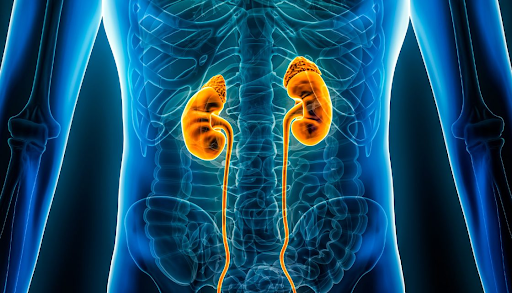
Our kidneys work quietly every minute of the day to cleanse our blood, balance our body fluids, and maintain the internal environment our cells need to thrive.
When kidney failure necessitates dialysis, facing regular machine treatments, strict fluid limits, and physical fatigue can feel overwhelming for both you and your family.
The reassuring truth is that supporting health on dialysis is not just about managing machine cycles; it is about easing the metabolic burden on your body, supporting digestive strength, soothing depleted tissues, and building daily vitality step by step.
At Karma Ayurveda, our focus is on understanding the individual behind the medical report and providing safe, thoughtful, and integrative care tailored to your body's specific needs.
If you are exploring Ayurvedic support for Kidney Dialysis, the goal is clear: support your daily strength, improve quality of life, and walk the path toward comfort and stability with safety, confidence, and care.