Unlocking Wellness Naturally
100% Ayurvedic Treatment

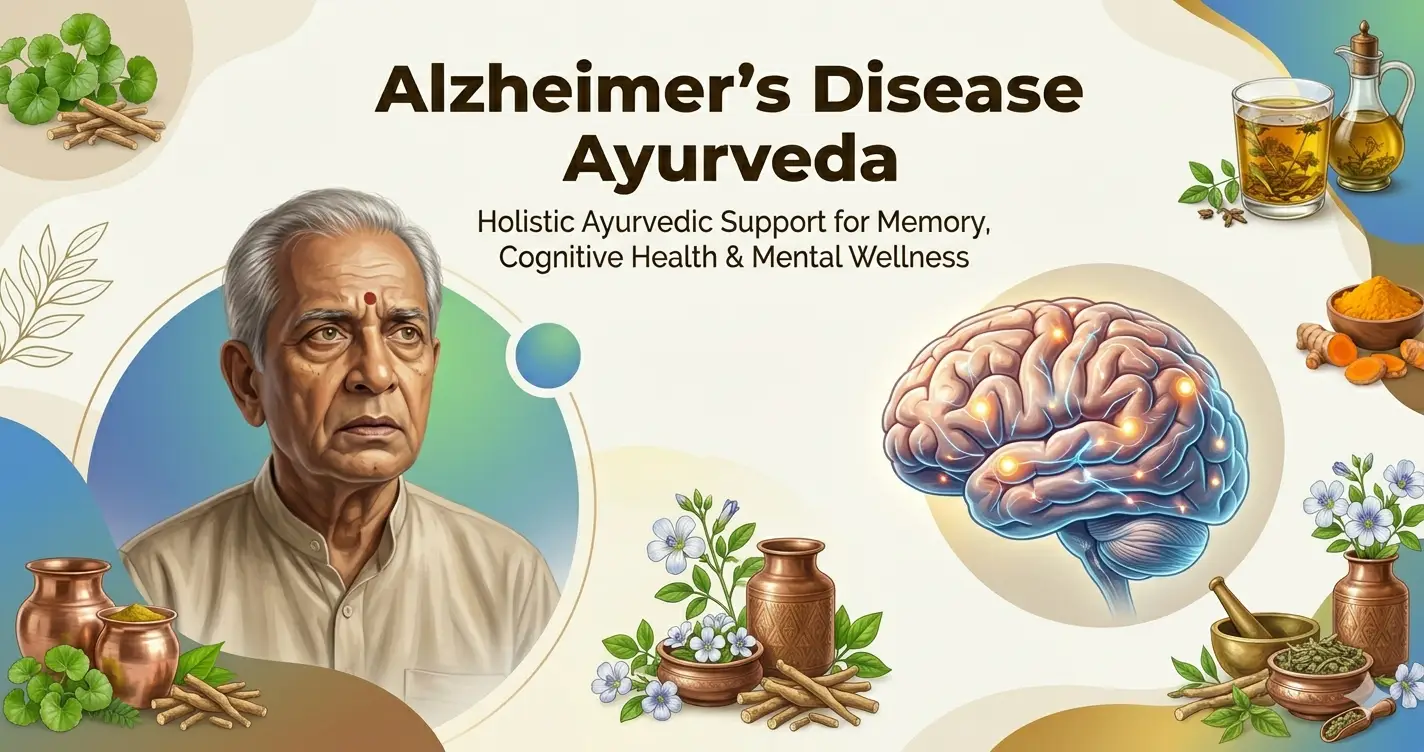
Let’s be honest. Forgetting where you kept your keys is normal. Forgetting what keys are used for… that’s when things start getting serious.
Alzheimer’s disease is a progressive brain disorder that slowly affects memory, thinking, and behavior. It is the most common cause of dementia worldwide. And while science has made great progress in understanding it, a complete cure is still not available.
This is why many families explore supportive and holistic options like Ayurveda for Alzheimer’s. Ayurveda doesn’t just look at the brain; it looks at the whole person. Body, mind, digestion, emotions, lifestyle; everything is connected.
So, can ancient wisdom help a forgetful brain? Let’s explore this in a simple and practical way.
In Ayurveda, memory loss is described as “Smriti Bhramsha.” It is usually linked to an imbalance of Vata dosha. Now don’t worry; this isn’t complicated.
Vata is the energy that controls movement in the body, including nerve signals and thoughts. As we age, Vata naturally increases. If it becomes too high, it can disturb the nervous system, leading to symptoms like confusion, anxiety, and forgetfulness.
Ayurveda also talks about “Ojas,” the essence of strength and immunity. When Ojas becomes weak, mental clarity may reduce.
So, in simple language, Ayurveda believes Alzheimer’s happens when the brain is not properly nourished and Vata becomes unstable.
No, your brain doesn’t need a software update. It needs balance.
Early symptoms often include:
As the condition progresses, daily activities, communication, and recognition of loved ones may become difficult.
Modern medicine offers symptom management, but many families look for Alzheimer’s natural treatment approaches to support overall well-being.
Ayurveda focuses on slowing progression, improving mental clarity, and strengthening nerve health. It does not promise instant memory recovery. If that were possible, exam students would be first in line.
Let’s look at how Ayurveda supports cognitive health.
Certain Ayurvedic herbs are traditionally known to support memory and brain function:
These herbs are commonly used in memory loss treatment in Ayurveda. They work gradually, nourishing brain tissues over time.
Many Ayurvedic centers, including Karma Ayurveda Hospital, integrate such herbal formulations into their holistic treatment plans under expert supervision. At this hospital, guidance is often provided by specialists like Dr. Puneet Dhawan, who focus on kidney and chronic disorder management through Ayurvedic principles, while also supporting neurological health through balanced treatment approaches.
In selected cases, Ayurvedic doctors may recommend Panchakarma therapies to calm aggravated Vata. These may include:
These therapies aim to relax the nervous system and improve circulation. Think of it as giving your stressed-out brain a warm oil hug. Of course, these should always be done under professional supervision.
Ayurveda strongly believes that food is medicine. For supporting brain health, the diet usually includes:
Dry, cold, and heavily processed foods are generally avoided because they may increase Vata.
Hydration and good digestion are also very important. According to Ayurveda, poor digestion can affect mental clarity. So yes, your gut and your brain are friends.
Ayurveda emphasizes daily routine. Regular sleep, gentle yoga, breathing exercises, and meditation help calm the mind. Mental stimulation is also important. Reading, chanting, listening to music, simple conversations, and puzzles help keep the brain active.
And let’s not forget emotional warmth. Even when memory fades, emotions often remain. A kind voice and a familiar routine can provide comfort.
Let’s be honest.
There is currently no scientifically proven complete cure for Alzheimer’s, whether modern or traditional. Ayurveda aims to support overall well-being, reduce stress, nourish brain tissues, and potentially slow progression.
Many families explore herbal remedies for Alzheimer’s alongside conventional treatment as part of an integrative approach. The key is consultation with a qualified Ayurvedic practitioner. Self-treatment based on online advice is never recommended.
The best results often come from a balanced approach.
Modern medicine helps with diagnosis, monitoring, and symptom management. Ayurveda focuses on strengthening the body, calming the mind, and improving quality of life.
When used responsibly together, both systems may complement each other.
Alzheimer’s disease is not just about losing memory. It is about supporting dignity, patience, and compassion.
From an Ayurvedic perspective, care involves nourishing the body, calming the nervous system, maintaining routine, and providing emotional support.
If you are exploring Alzheimer’s disease Ayurveda options, remember that consistency and professional guidance are essential. Ayurvedic therapies work gradually and focus on long-term balance.
And while science continues to search for better solutions, combining medical care with holistic support; and a lot of patience; can make the journey a little more manageable.
Because sometimes, healing is not only about remembering everything.
Sometimes, it’s about feeling safe, supported, and cared for; every single day.
Yes, Ayurveda supports Alzheimer’s disease management through herbal remedies, detox therapies, and lifestyle changes that may improve memory, reduce stress, and slow cognitive decline naturally.
Popular Ayurvedic herbs for Alzheimer’s disease include Brahmi, Ashwagandha, Shankhpushpi, and Turmeric, known for boosting brain function and supporting nervous system health.
Ayurvedic treatment for Alzheimer’s disease is generally safe when guided by a qualified practitioner, focusing on natural therapies, balanced diet, and holistic brain health support.
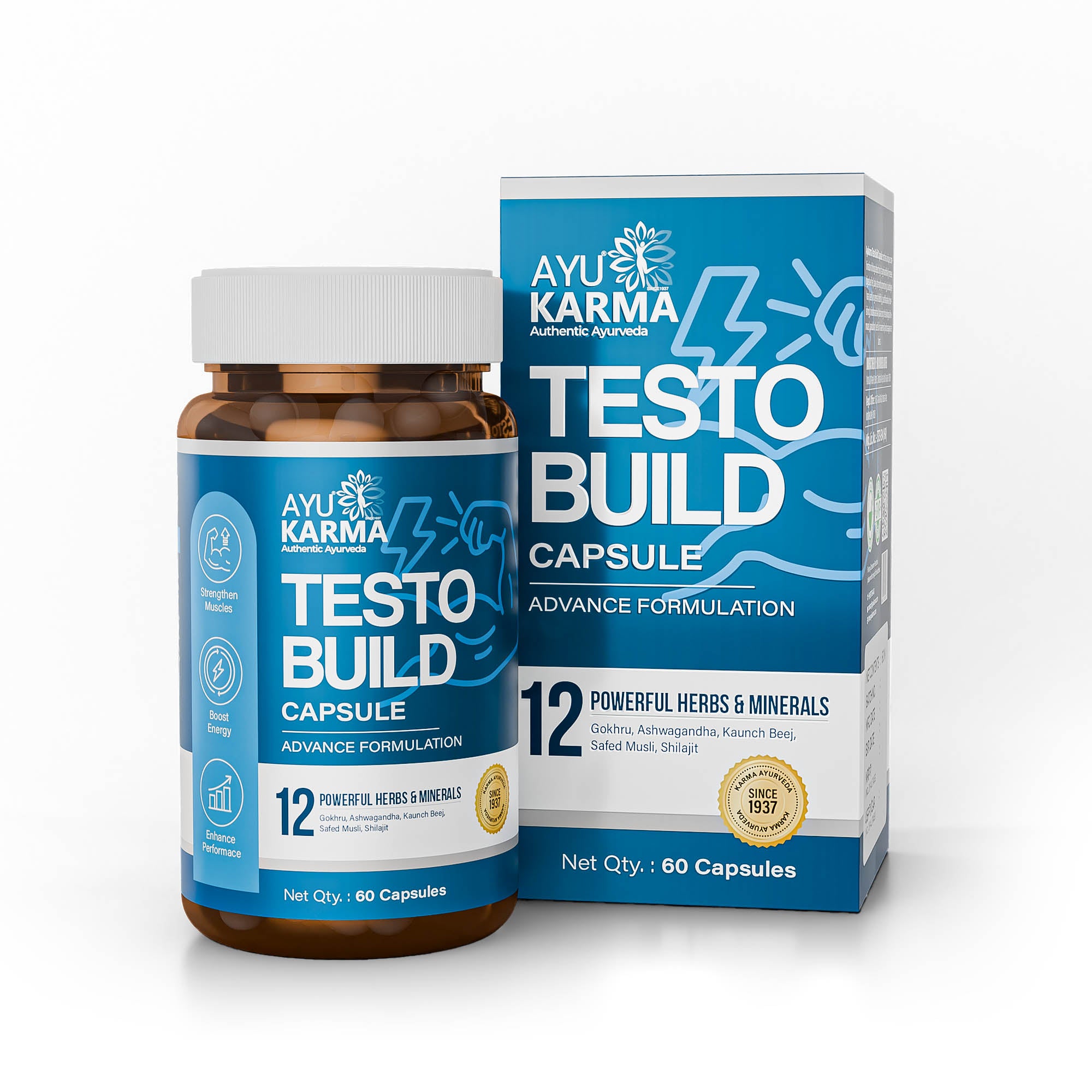
AyuKarma Testo Build Capsules combine 12 Ayurvedic herbs and minerals to support strength, energy, stamina, physical performance, nourishment and overall daily vitality.

AyuKarma Hair Lush Capsules combine Ayurvedic herbs to support hair growth, reduce hair fall, strengthen roots, nourish the scalp and promote healthier-looking hair.
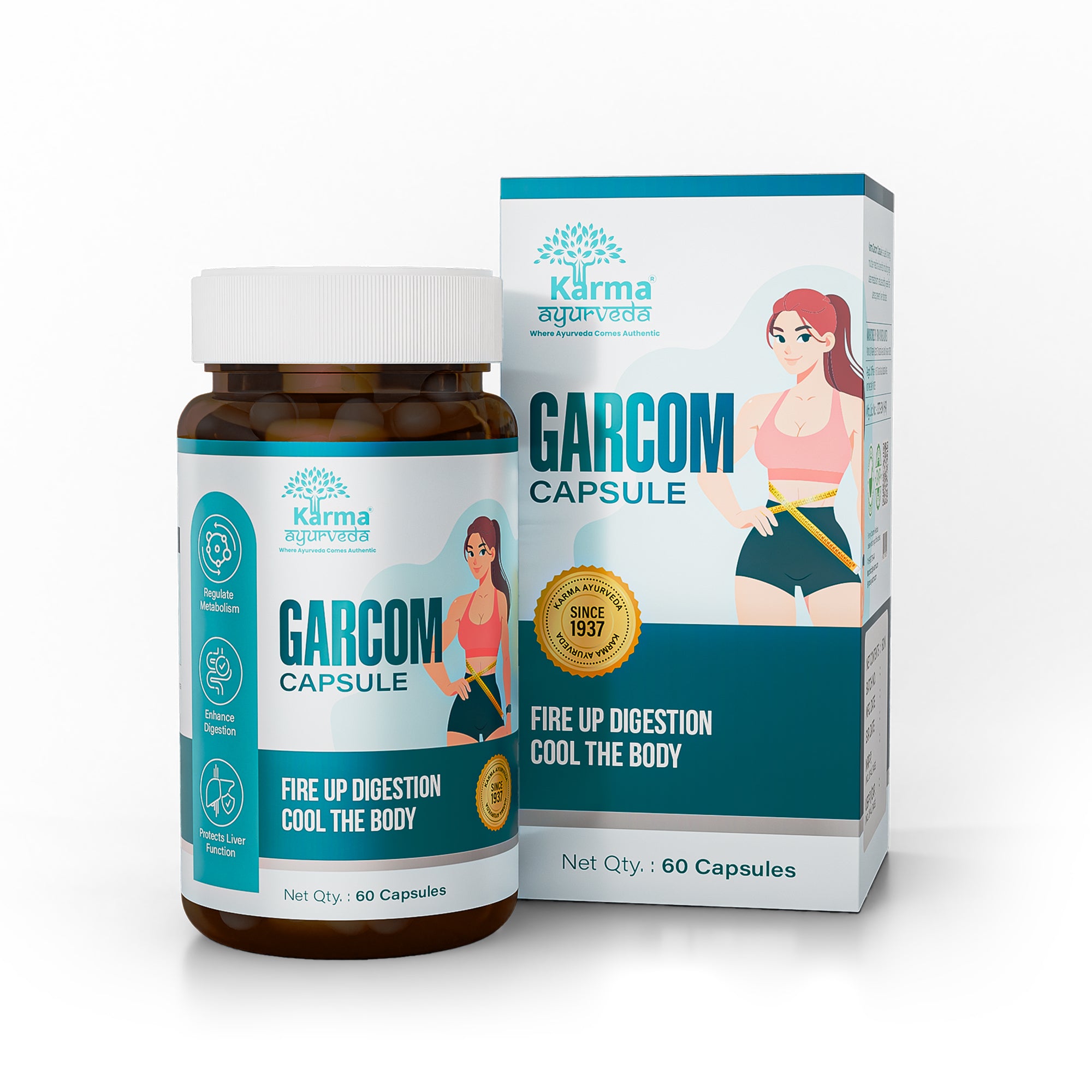
Karma Garcom Capsules contain Garcinia indica to support healthy metabolism, digestion, weight management, digestive comfort and daily wellness alongside a balanced lifestyle.
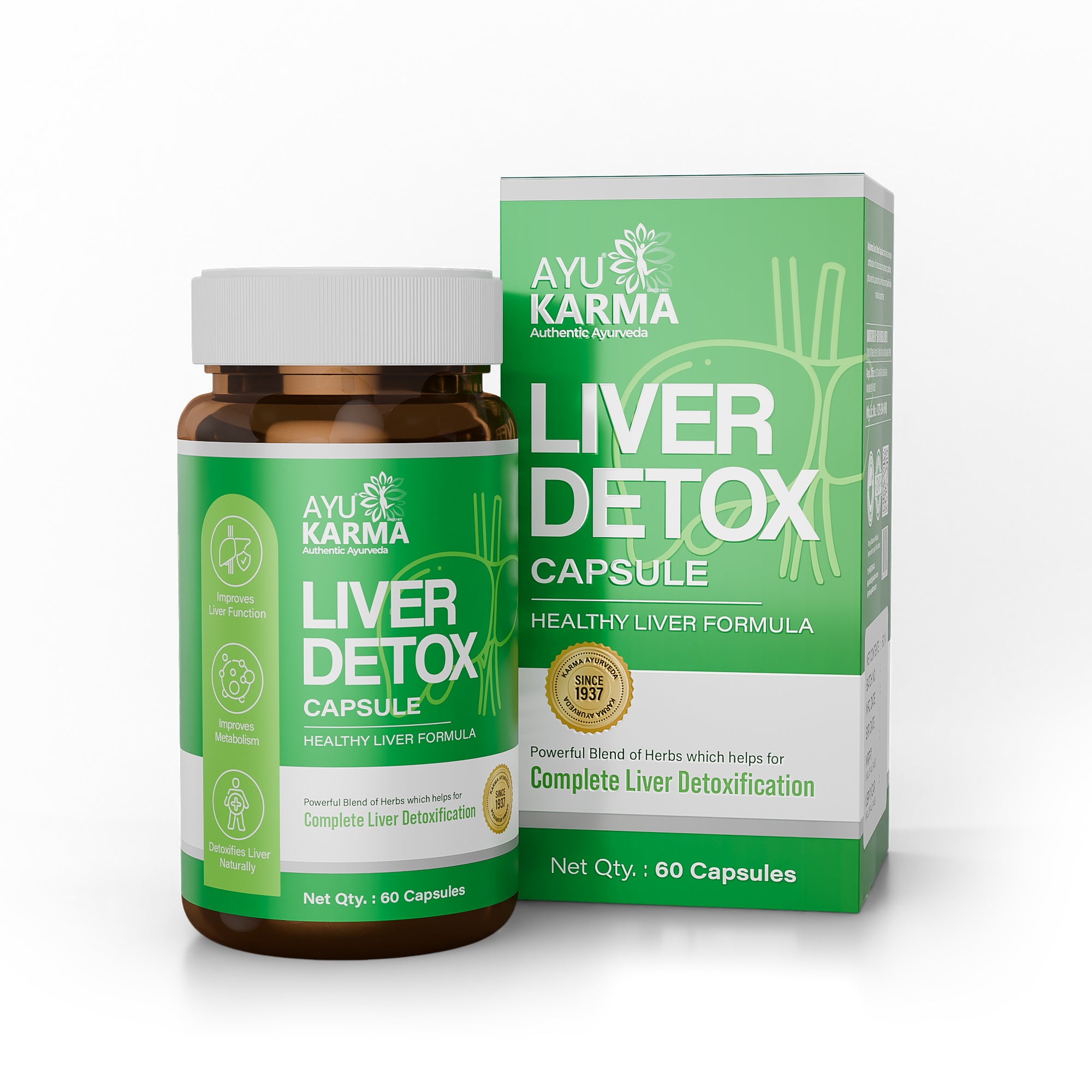
Doctor-recommended liver supplement that helps detoxify the liver, support healthy cholesterol, improve digestion & promote liver health. Developed by Dr. Puneet Dhawan with Karma Ayurveda philosophy.
Second Floor, 77, Block C, Tarun Enclave, Pitampura, New Delhi, Delhi, 110034

Certificate no- AH-2023-0186
JAN 05, 2026 - JAN 04, 2029

US FDA Reg. No.: 14568299376